Reading guide
Content guideOverview
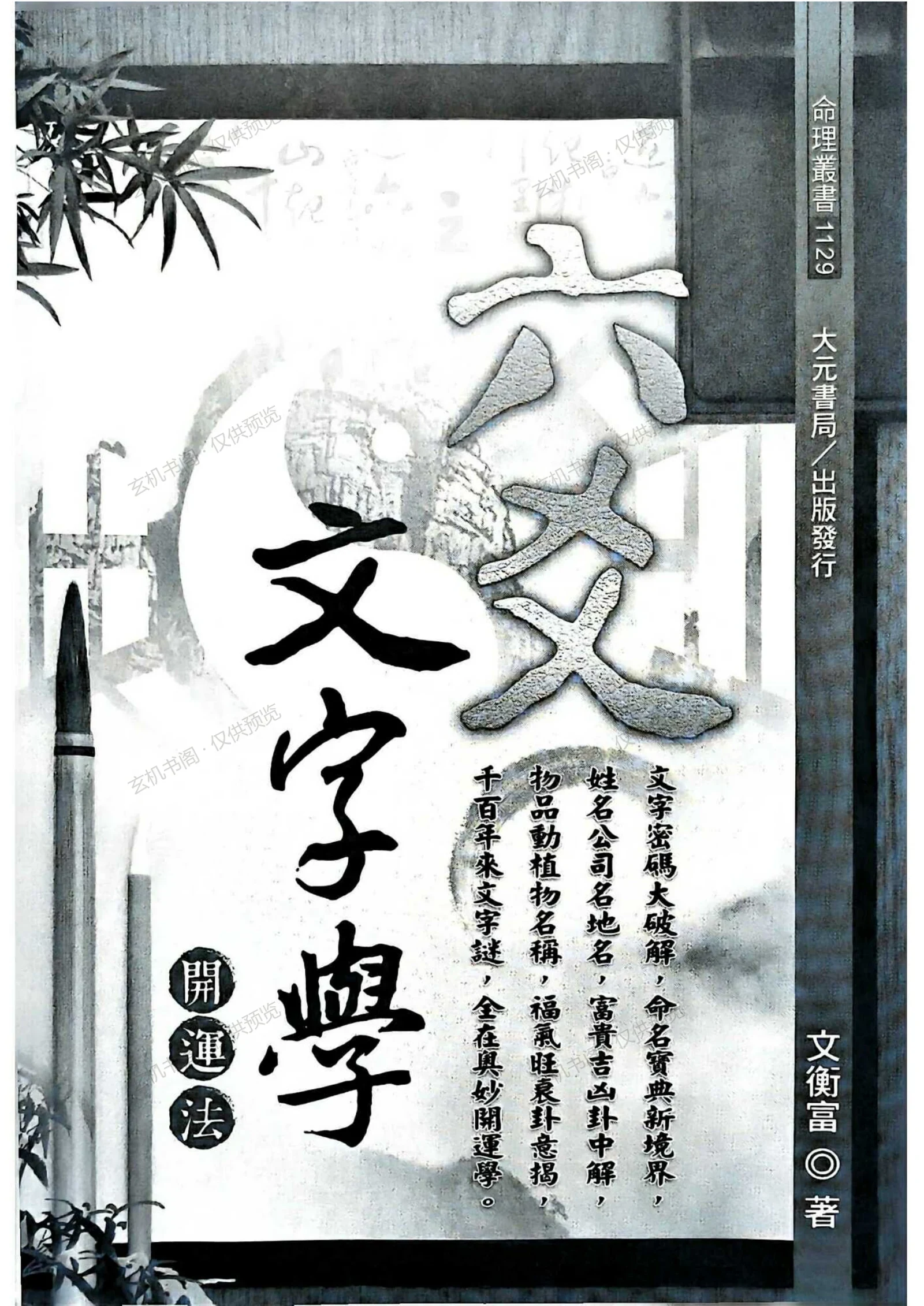
Written by Wen Hengfu and published by Dayuan Book Company as volume 1129 of the Destiny Studies Series, Six Yao Textology: The Art of Opening Fortune applies six-yao hexagram principles to textual information. It treats characters as carriers of hidden meaning and casts hexagrams to decode the auspicious or inauspicious nature of personal names, company names, place names, and the names of plants, animals, and objects. The book is divided into a foundational section and a case-study section. The foundational part covers earthly branches, the images of the eight trigrams, the sixty-four hexagrams of the eight palaces, casting methods, the six relatives and six spirits, and key judgment factors such as flourishing and declining lines, hidden movement, monthly destruction, passage, generation and restriction, six harmonies and three harmonies, advancing and retreating, hidden and flying spirits, repetition and opposition, and emptiness. The case-study section presents numerous real and fictional names, including pen names, brand names, celebrity names, and story characters, with detailed hexagram analyses. It is suitable for readers who already have a basic grounding in six-yao divination and wish to explore textual analysis as a route into fate calculation and fortune enhancement.
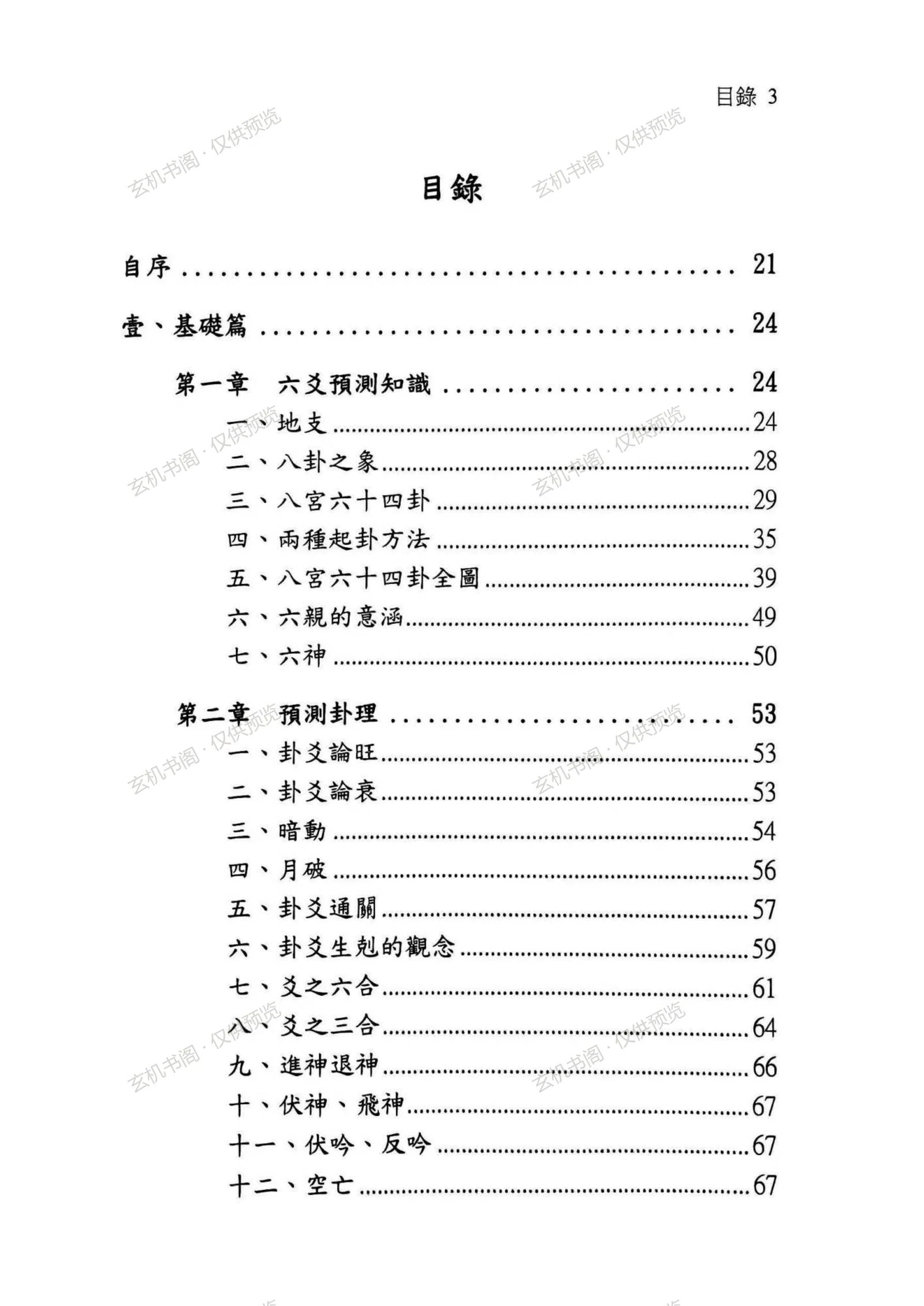
Contents
Author's preface
Foundations: six-yao prediction knowledge
Earthly branches, trigram images, sixty-four hexagrams
Two casting methods, six relatives, six spirits
Hexagram judgment: flourishing, hidden movement, monthly destruction, passage
Generation and restriction, harmonies, advancing and retreating, hidden and flying spirits
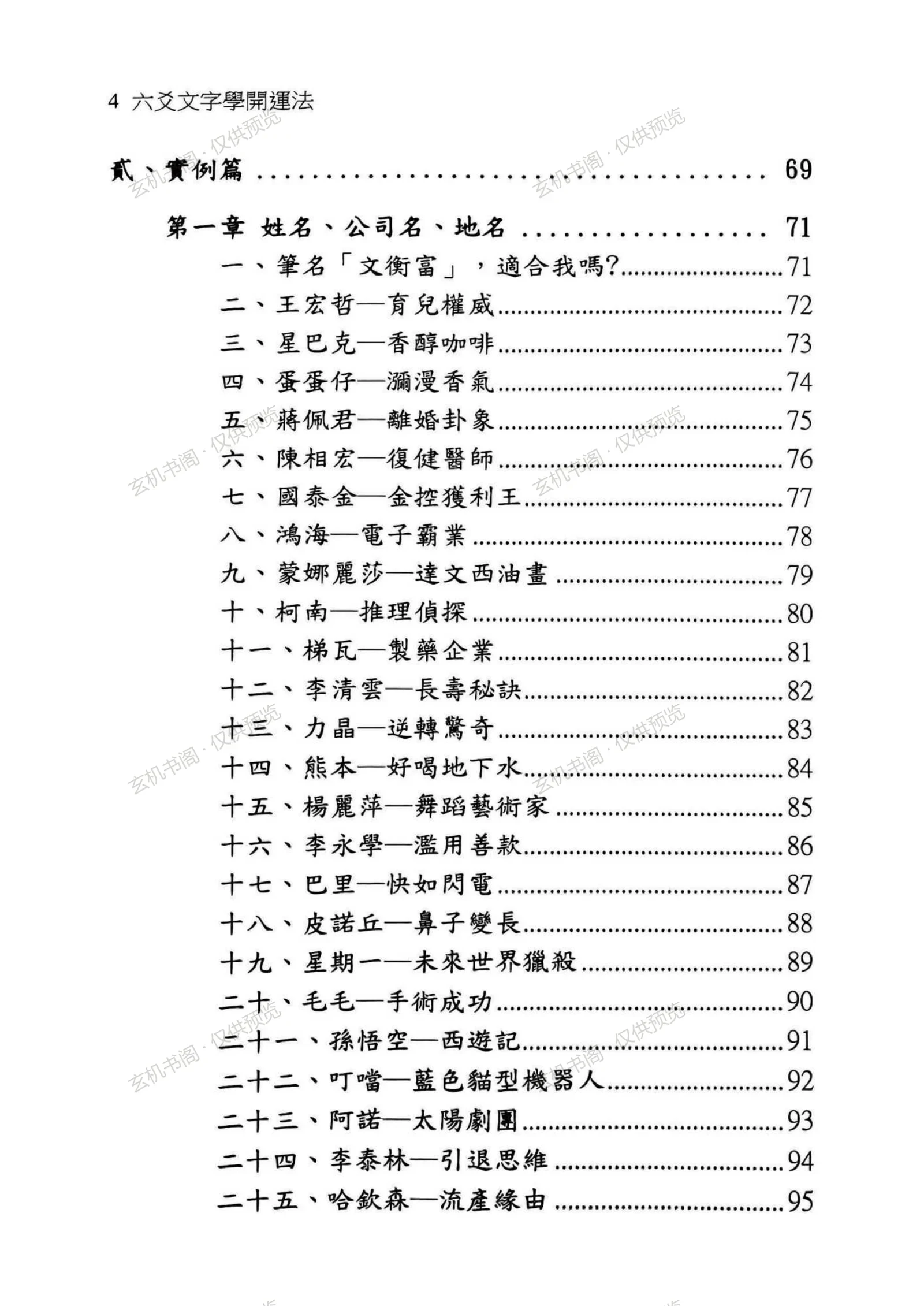
Case studies: personal names, company names, place names
Twenty-five textual hexagram cases including pen names, brands, celebrities, and story characters
Key Points
Uses six-yao casting to decode the auspicious and inauspicious codes embedded in textual names.
The foundational section systematically covers earthly branches, trigram images, six relatives, six spirits, and other essentials.
The judgment section addresses flourishing and declining lines, hidden movement, monthly destruction, passage, generation and restriction, and harmonies.
The case-study section demonstrates the reasoning process through concrete names of people, brands, places, and characters.