Reading guide
Content guideOverview
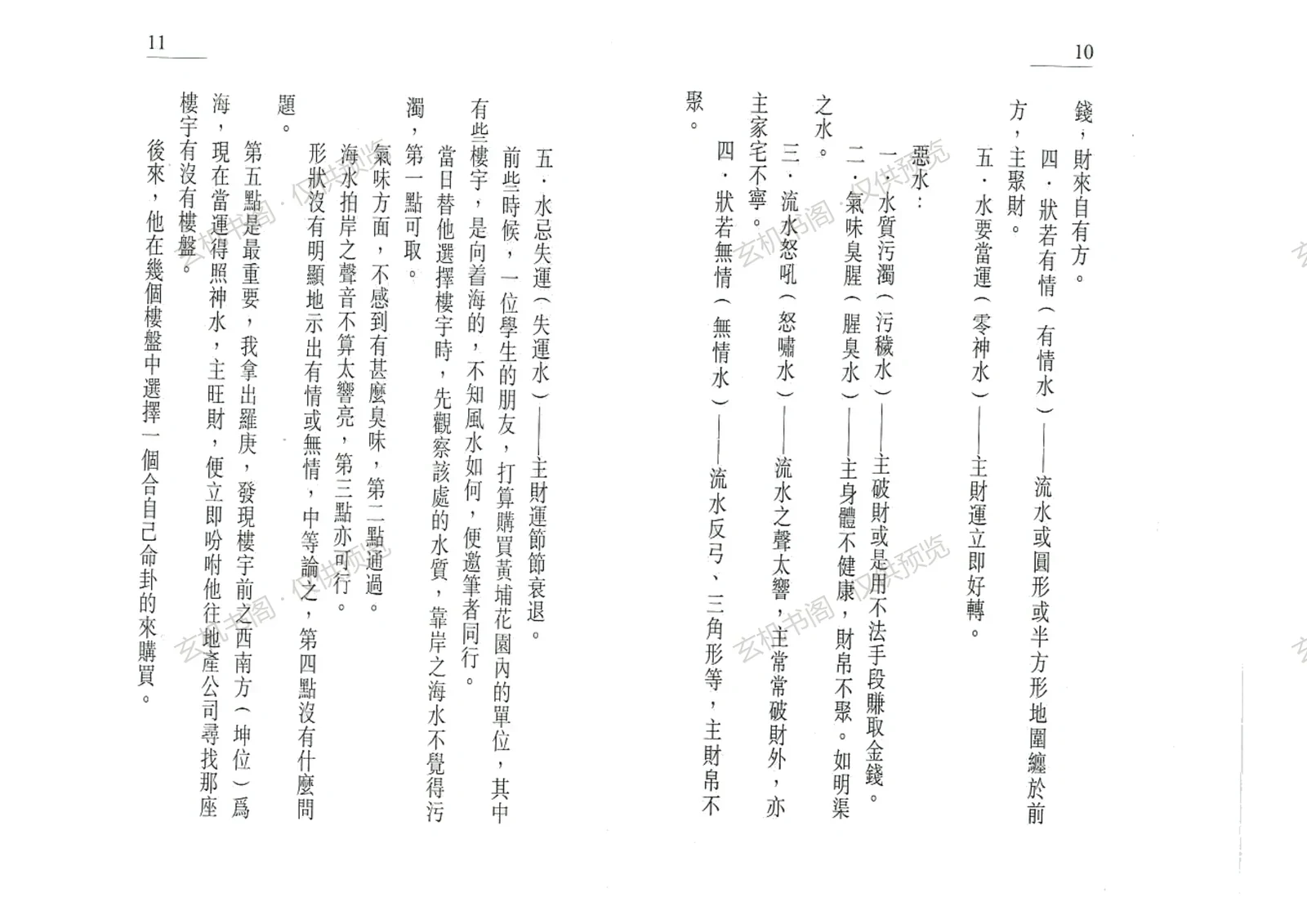
Part of Bai Heming's series on Chinese occult arts, this book applies feng shui to the practical task of buying a home. It sets out twenty rules, beginning with observing water, then mountains, the left and right sides, solid and empty space, the building entrance, whether a building is in its lucky period, the residential door, the occupant, and star conflicts. Later rules address building shapes, yin-yang balance, isolated-yang and lone-yin configurations, sickle and reverse-bow forms, missing corners, isolated peaks, toilets and stoves at the center, and dark outer walls, with an appendix on using a compass. The opening chapter cites the saying that mountains govern people and water governs wealth, then organizes water forms by the five elements and distinguishes auspicious from inauspicious water by quality, smell, sound and flow. The clear rule-by-rule structure makes it useful for beginners checking a property on site.
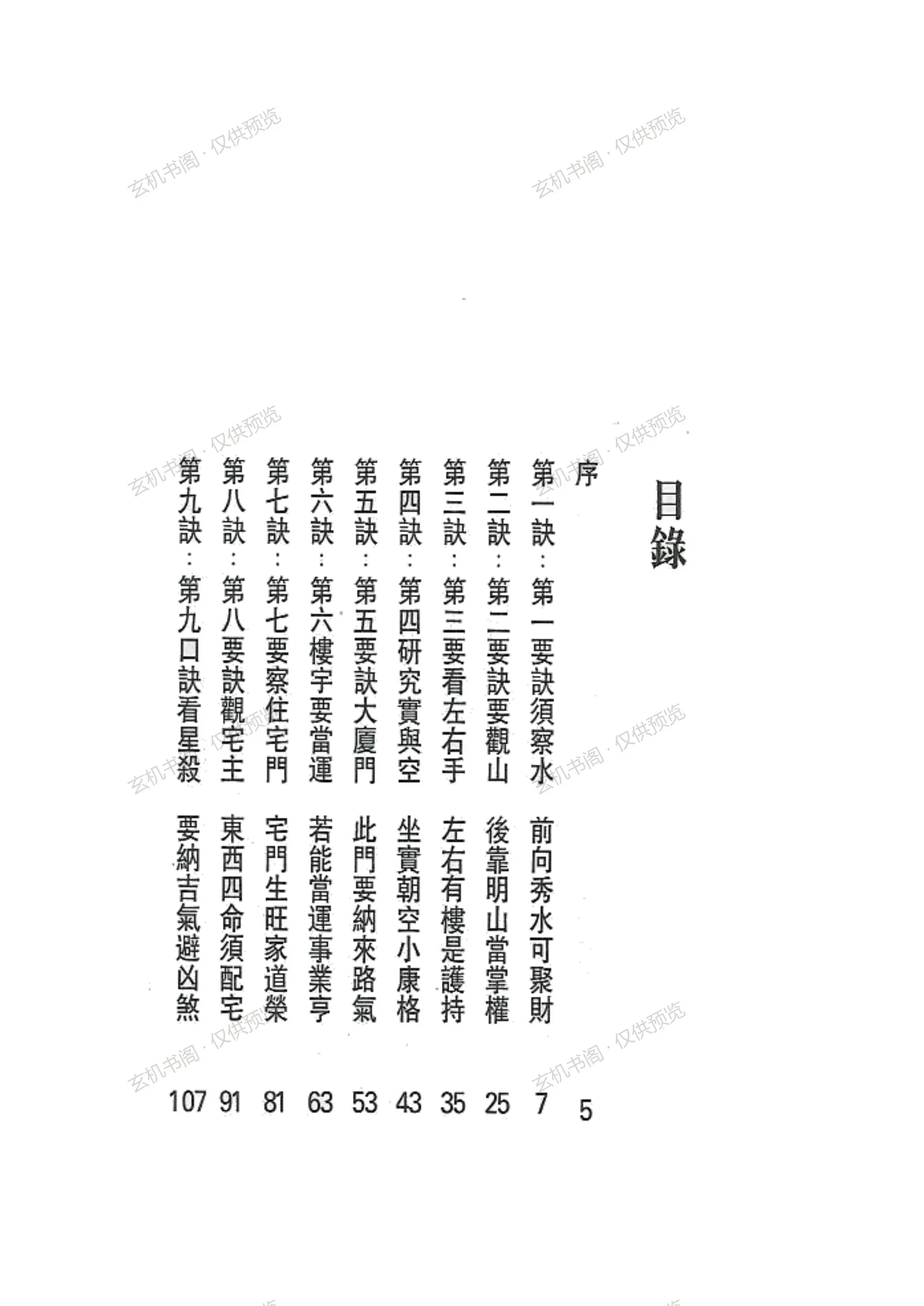
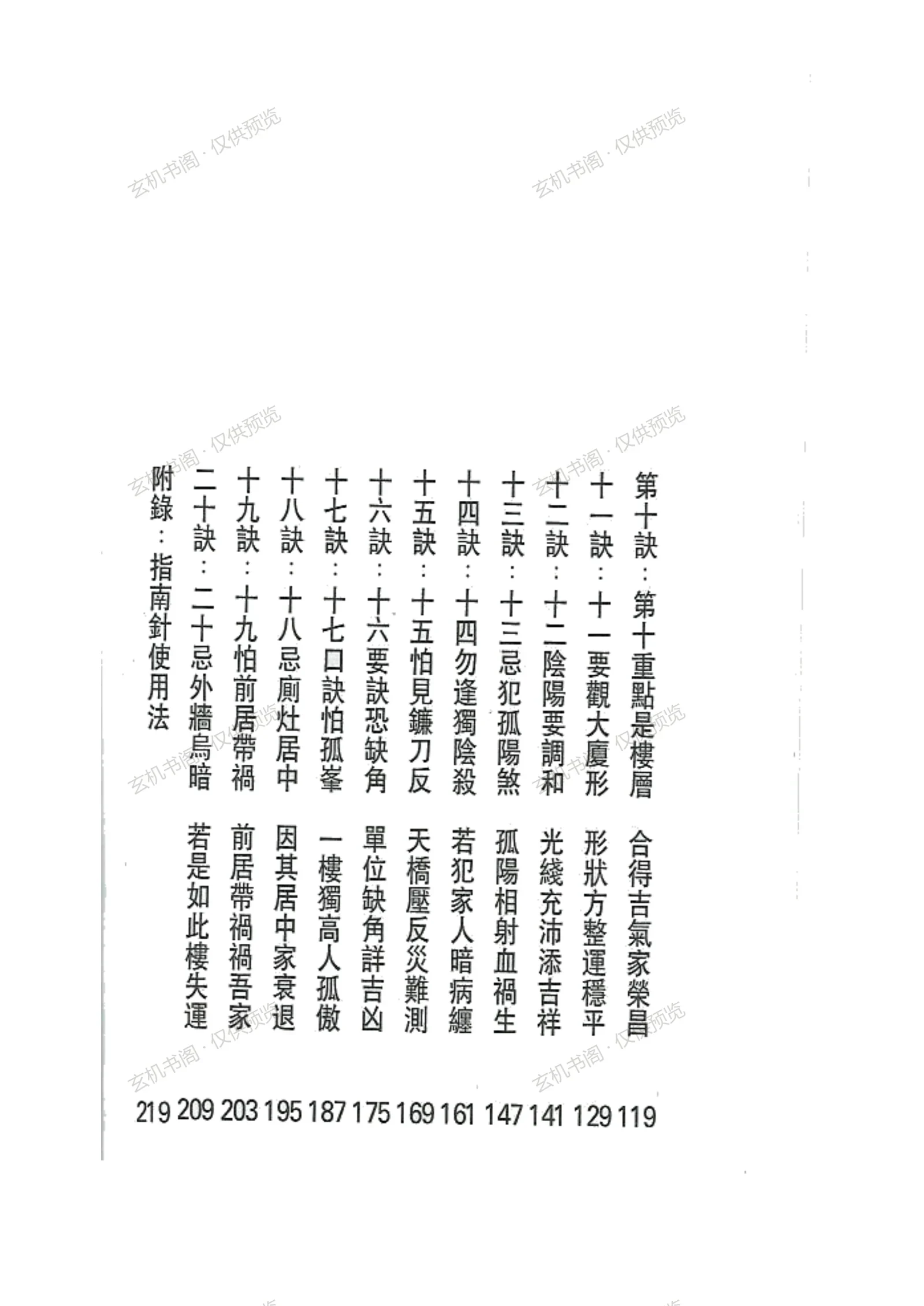
Contents
Rules 1-3: water, mountains, left and right
Rules 4-6: solid and void, building entrance, lucky period
Rules 7-9: residential door, occupant, star conflicts
Rules 10-13: building shapes and yin-yang balance
Rules 14-17: lone yin, sickle form, missing corners, isolated peak
Rules 18-20: central toilet/stove, neighboring trouble, dark walls
Appendix: how to use a compass
Key Points
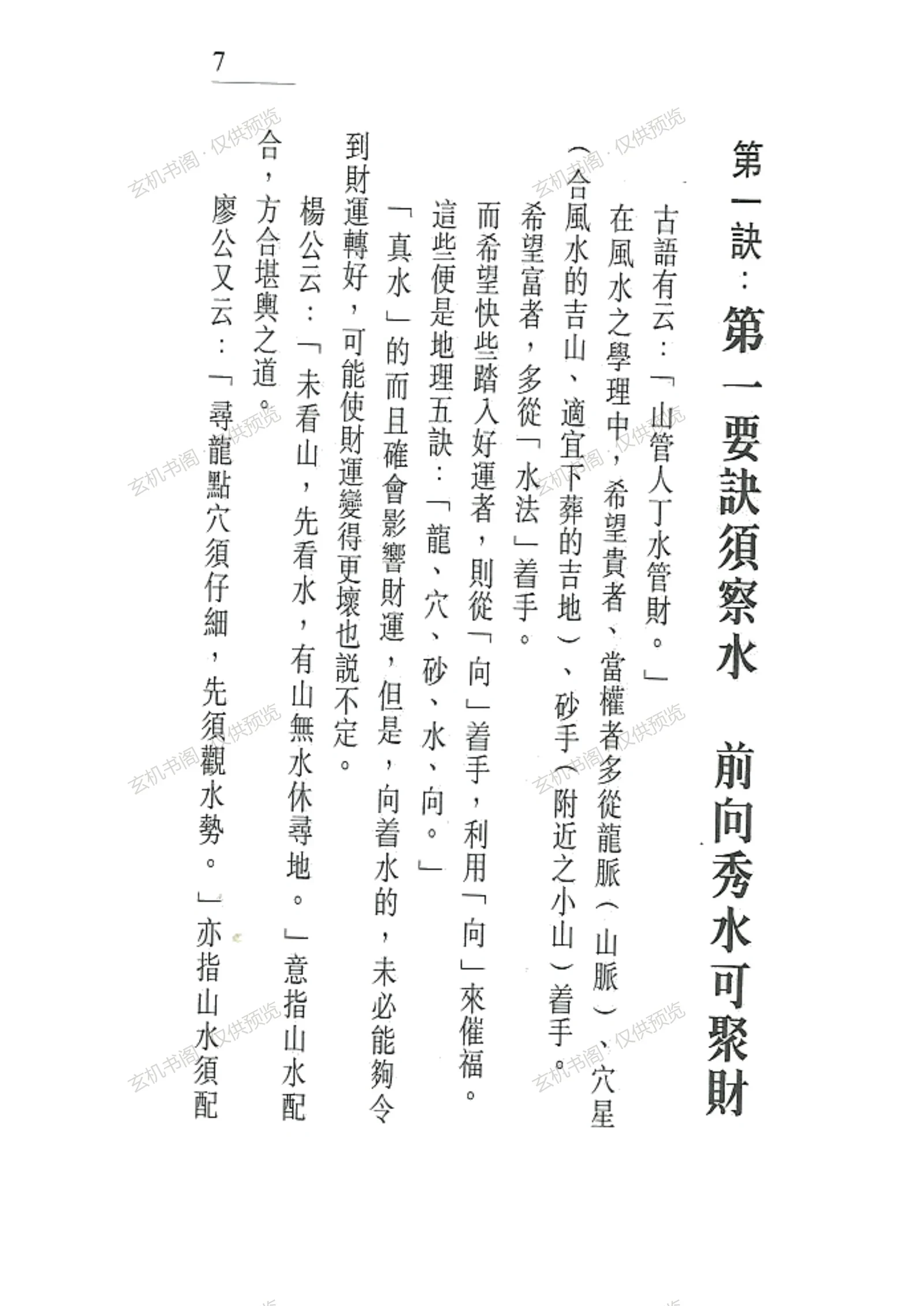
Starts from the principle that mountains govern people and water governs wealth
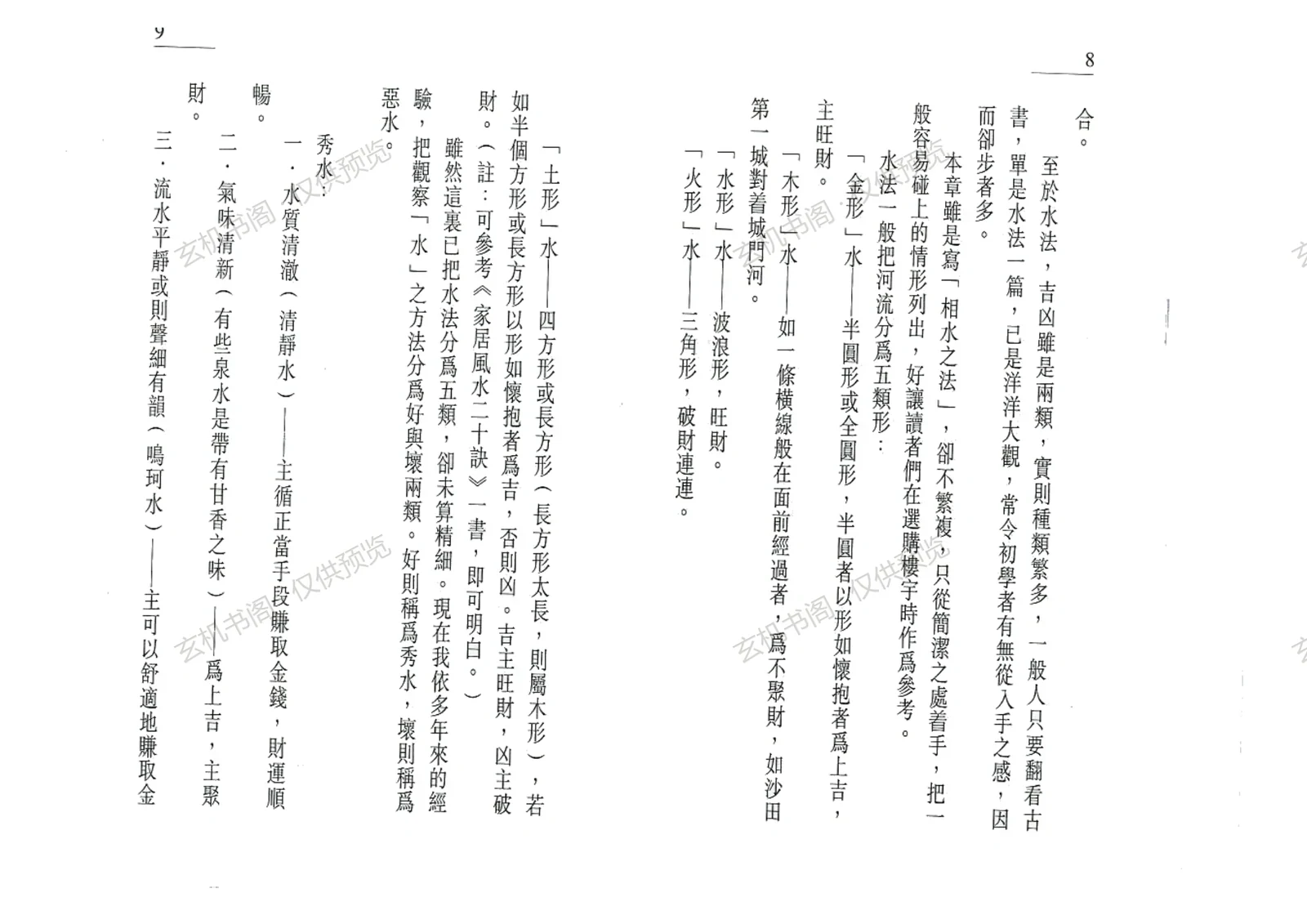
Classifies water forms by the five elements
Distinguishes auspicious and inauspicious water by quality, smell, sound and flow
Twenty rules cover the whole process from site selection to entry
Includes an appendix on compass use for on-site orientation