Reading guide
Content guideOverview
This book outlines Zhao Zhiyi's approach to Four Pillars (BaZi) fortune-telling, centered on identifying useful gods (yongshen) and harmful gods (jishen), classifying charts into supportive-restraining patterns and follow patterns, and analyzing the interactions of heavenly stems and earthly branches. It discusses the Ten Gods in relation to family members and life events, gives worked examples showing how favorable and unfavorable elements shift across luck cycles, and includes applied sections on personality, parents, siblings, marriage, wealth, career, illness, legal trouble, children, and longevity. The author also engages classical texts such as Di Tian Sui and Qiong Tong Bao Jian, making the book suitable for readers with basic Four Pillars knowledge.
Contents
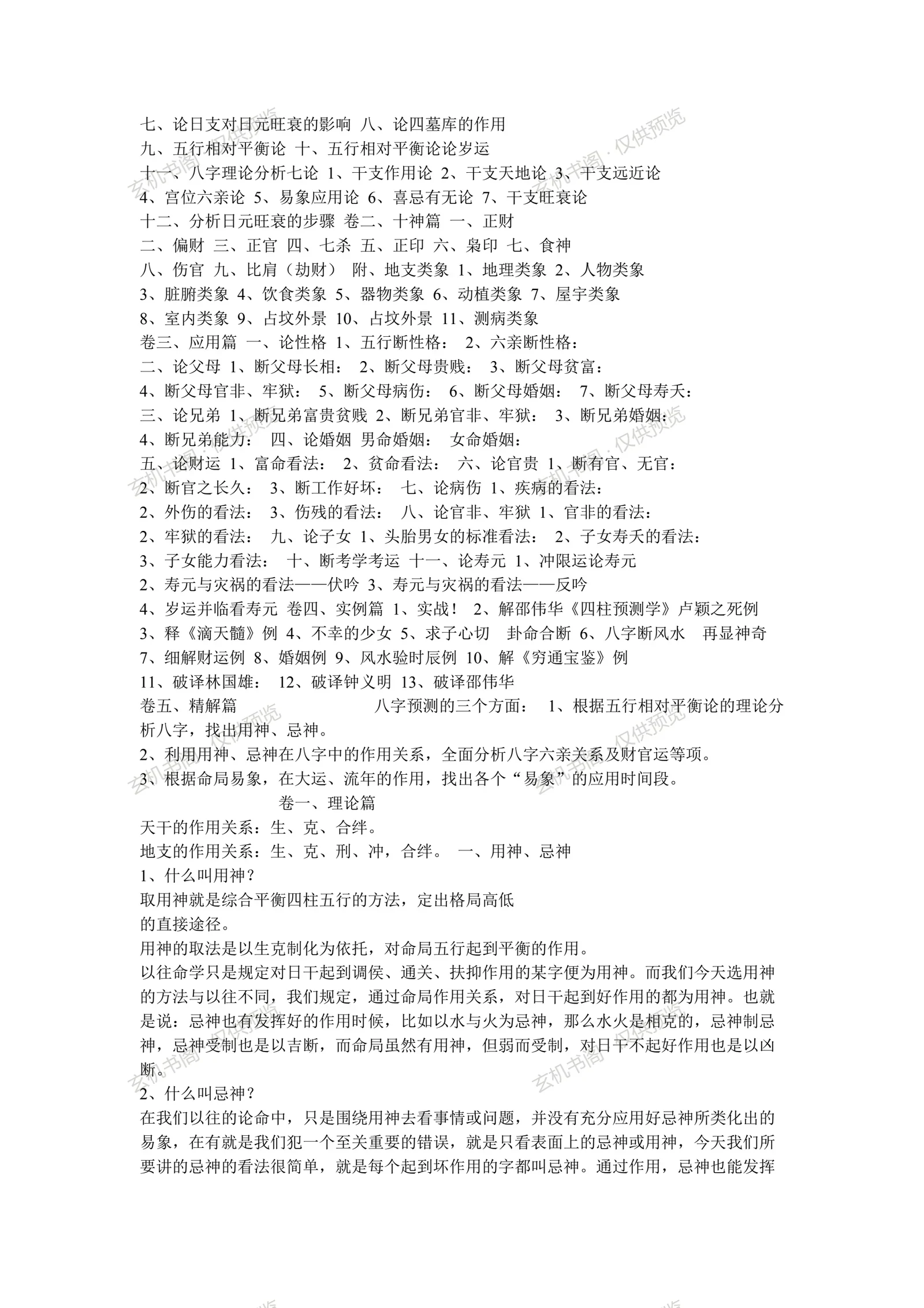
Vol.1 Theory: useful gods and pattern classification
Vol.2 Ten Gods: wealth, officer, seal, food, etc.
Vol.3 Applications: family, marriage, wealth, fate
Vol.4 Case studies and classical commentary
Vol.5 Detailed explanations and image applications
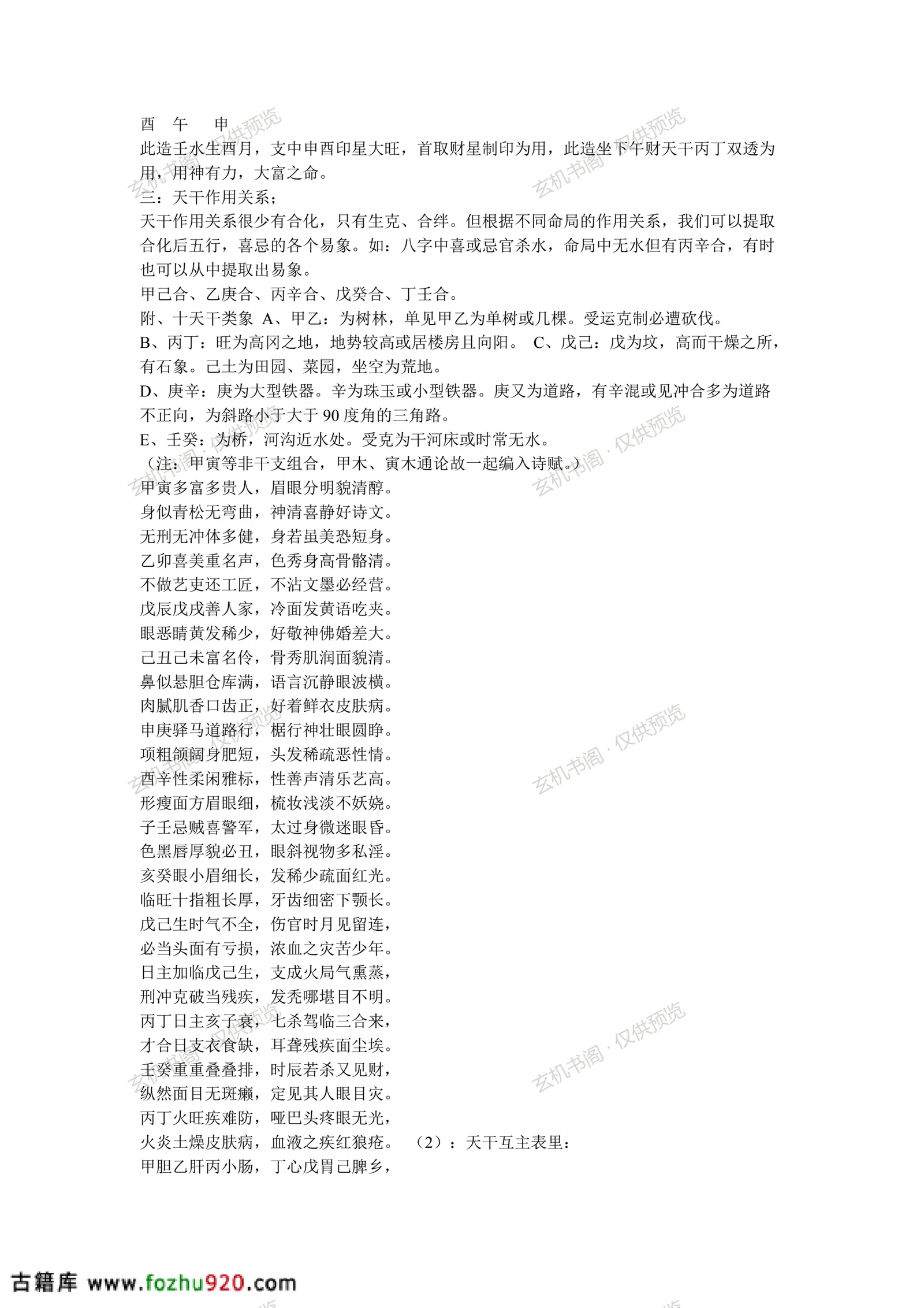
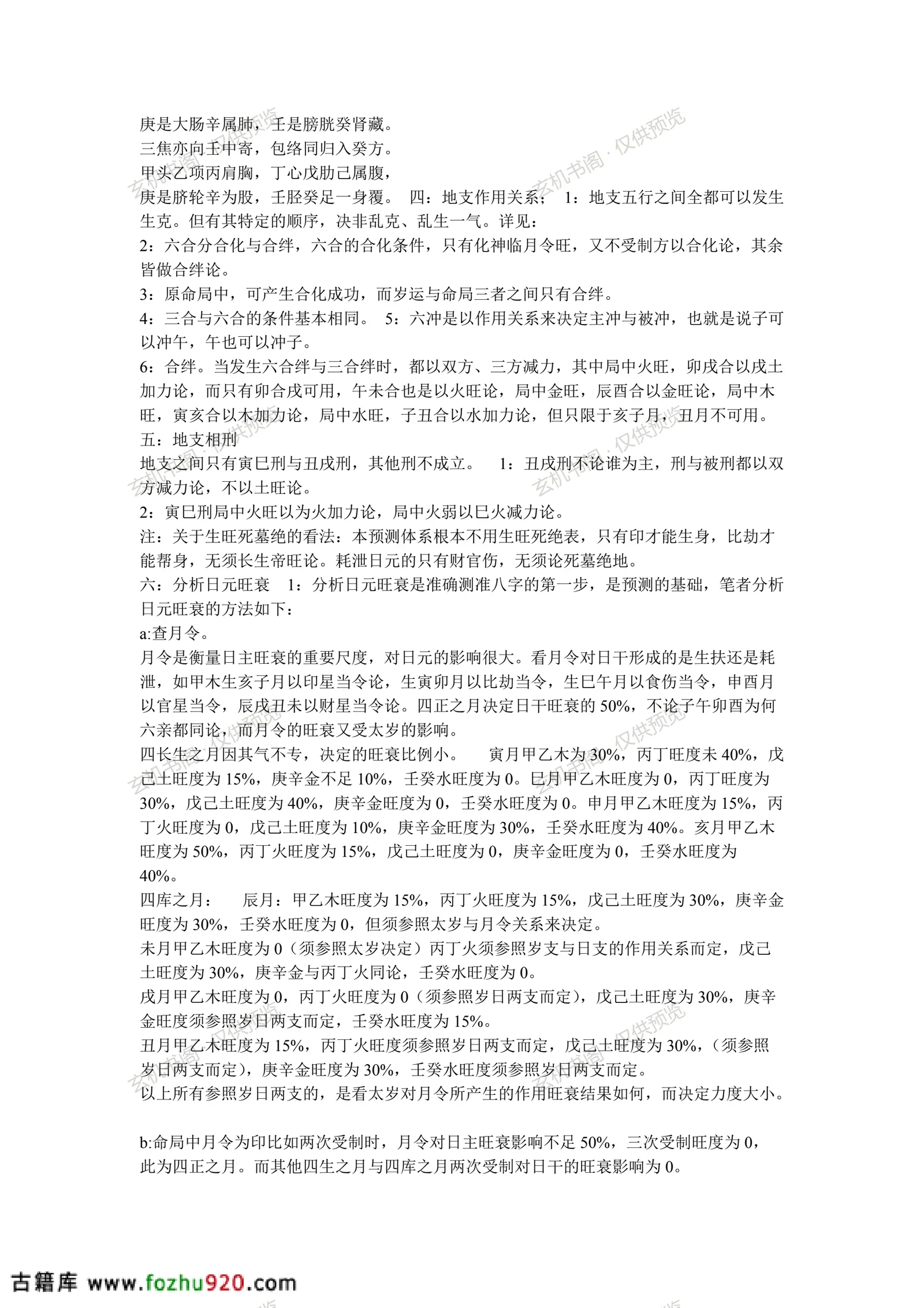
Appendix on stem-branch interactions and imagery
Key Points
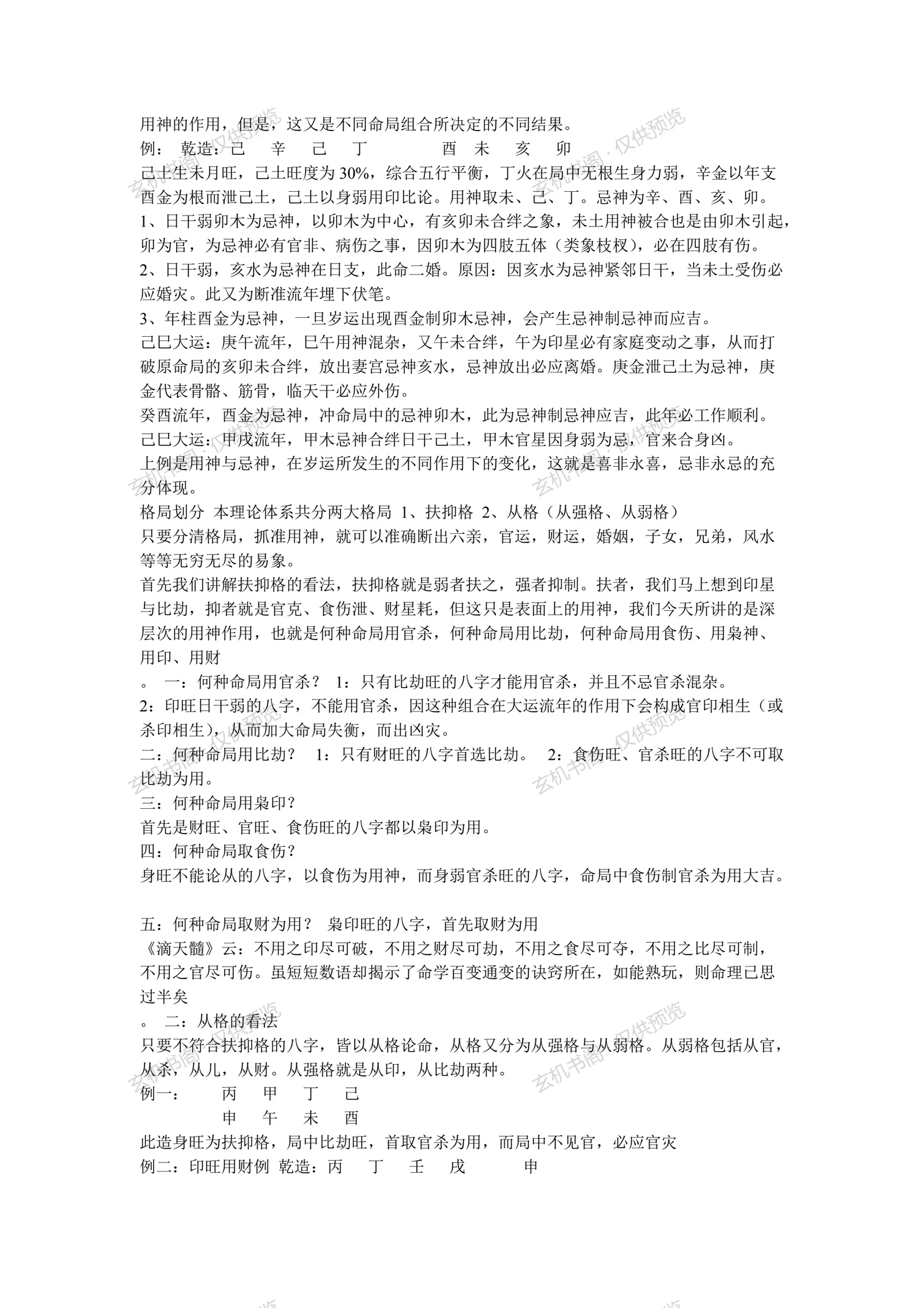
Useful and harmful gods are central; a harmful god can counter another harmful god
Charts are divided into supportive-restraining and follow patterns
Favorability shifts with luck cycles rather than being fixed
Ten Gods map to relatives, palaces, and specific events
Frequent reference to classical BaZi texts and verdicts