Reading guide
Content guideOverview
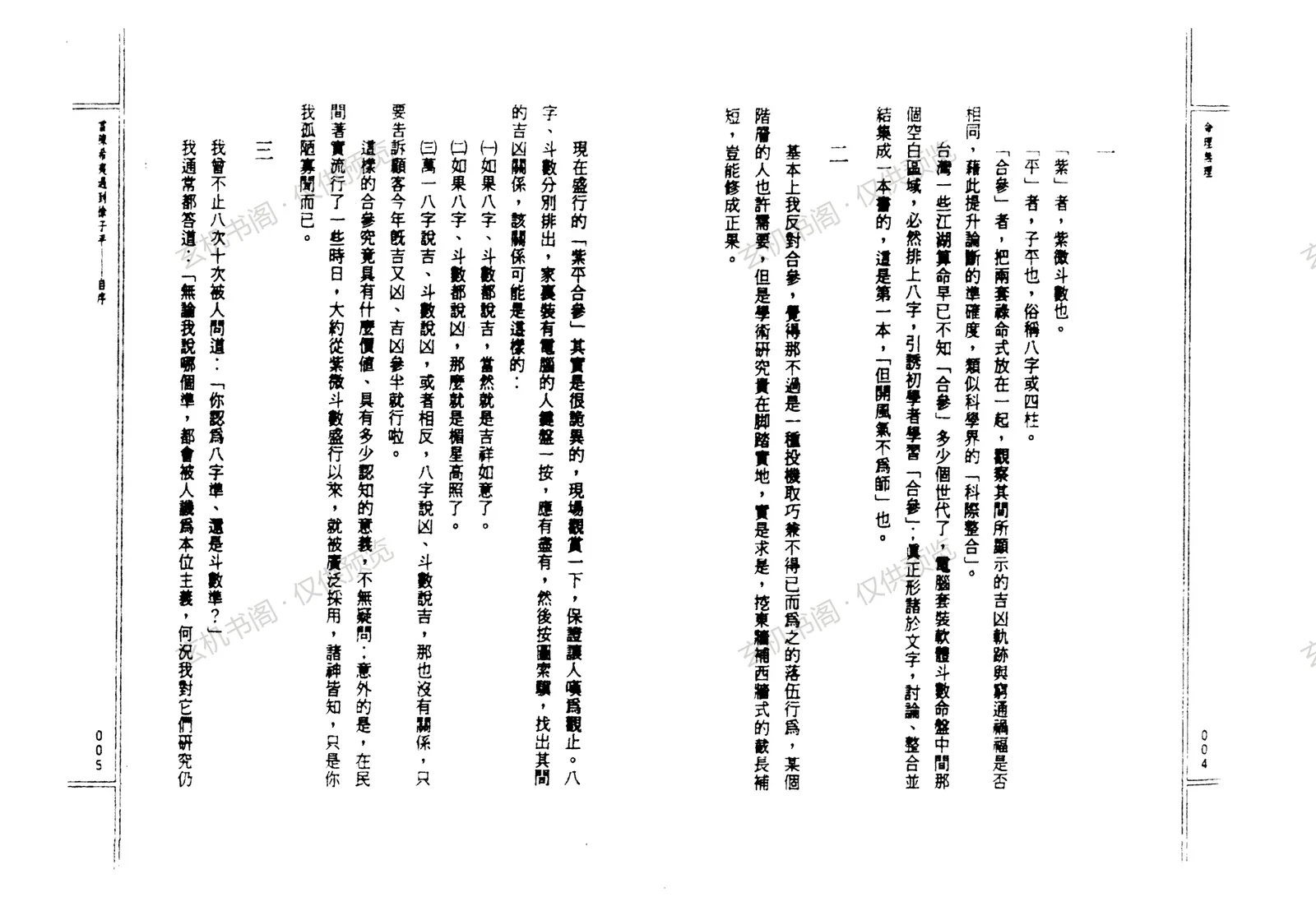
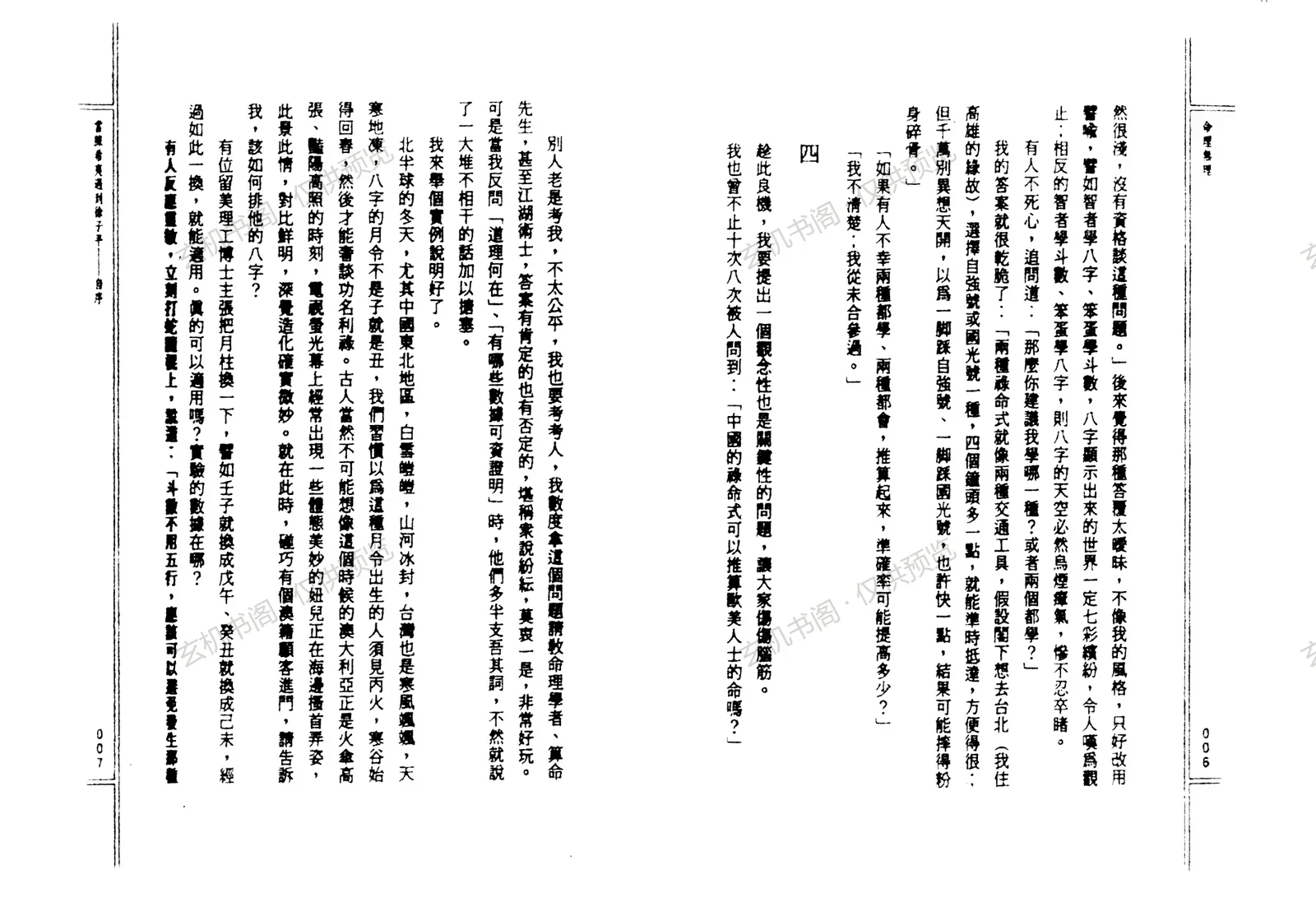
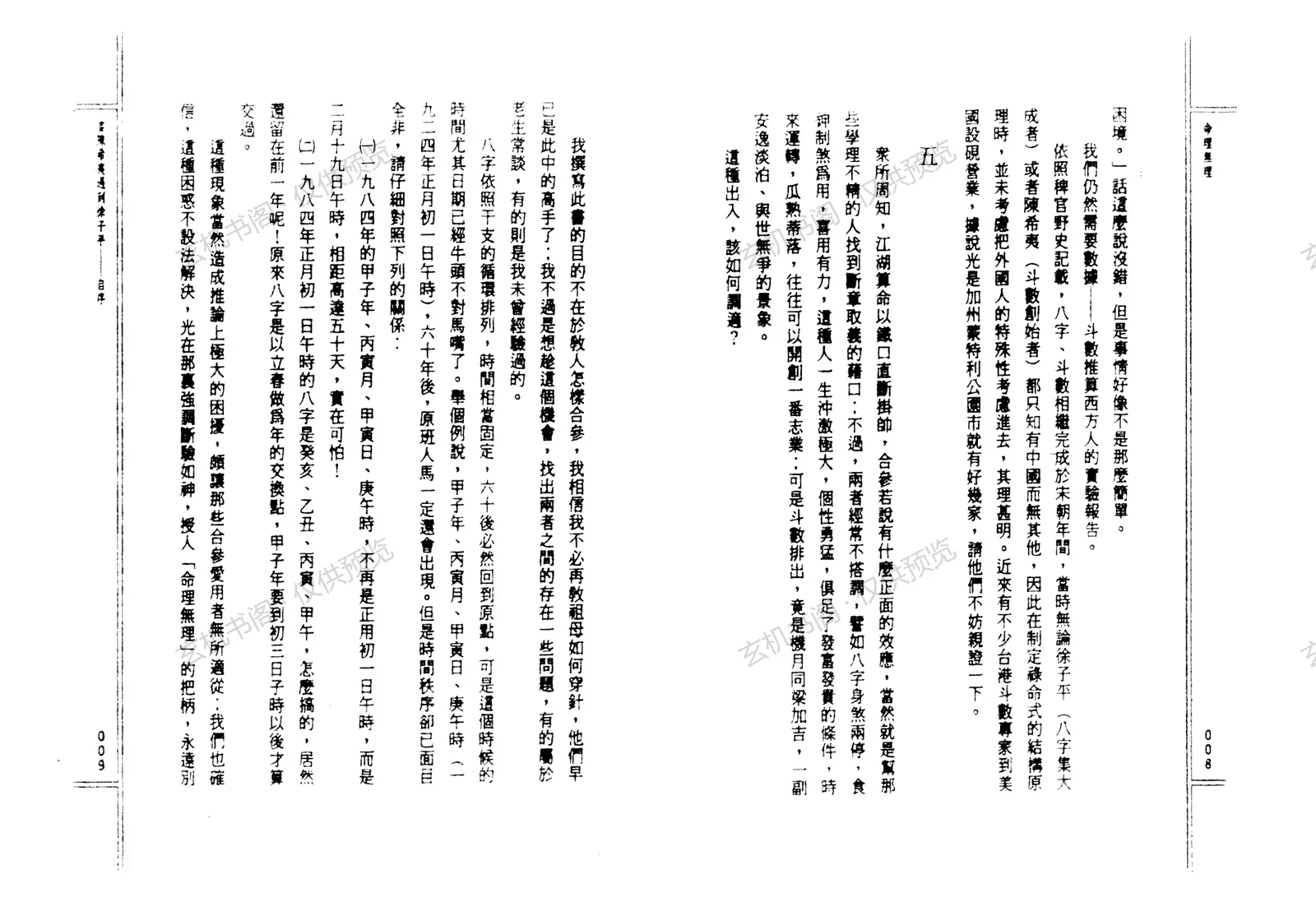
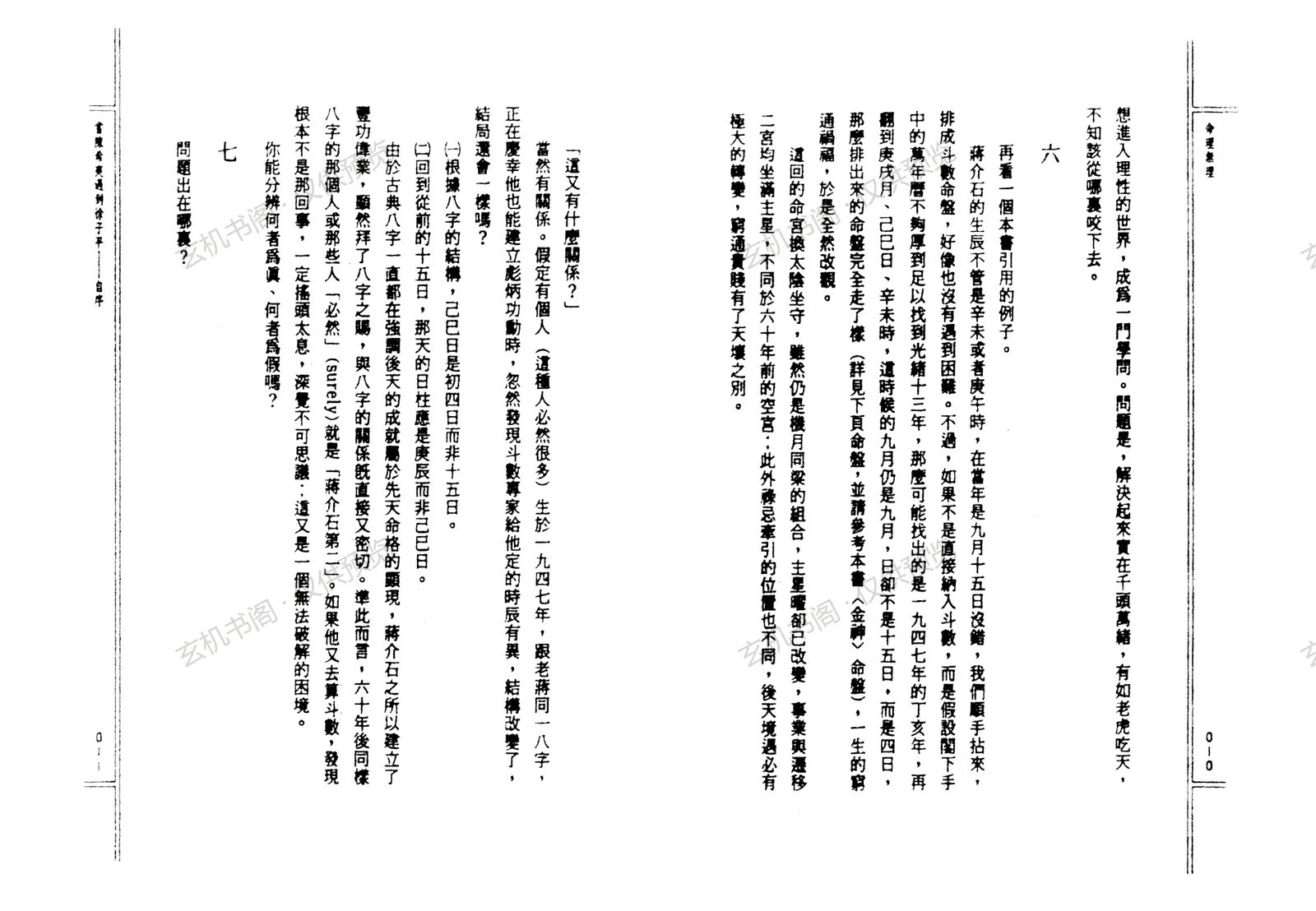
This book by Liaowu Jushi (The Layman of No Attachments) belongs to the 'Fate and Life' series. From the visible cover and preface, it offers a critical and skeptical look at traditional Zi Ping Bazi and Zi Wei Dou Shu, focusing on what happens when the two systems are used together. The preface, titled 'When Chen Xiyi Met Xu Ziping,' traces the origins and basic differences between Bazi and Dou Shu, and uses examples to argue that combined reference does not necessarily improve accuracy—it may even produce contradictory conclusions and leave the practitioner confused. The author rejects the idea that combining systems is a panacea, insisting that their theoretical foundations and practical results must be tested rather than replaced by jargon or personality cults. The book moves from defining 'combined reference' to examining technical issues such as sexagenary cycles, chart conversion and birth-hour correction, while reminding readers that different systems rest on different worldviews and methods. It also discusses numerical superstition, the self-image of fortune-tellers and errors in birth-hour data. Suitable for readers with some foundation in Bazi or Zi Wei who are willing to reflect on methodology; beginners may use it to understand the debate and limits of combined reference, but should not treat it as a manual.
Contents
Cover and title: The Unreasonableness of Fate Calculation
Preface: When Chen Xiyi Met Xu Ziping
The meaning of combined reference and origins of Bazi and Dou Shu
Reasons against combined reference and scholarly attitude
Sexagenary cycles and birth-hour collation in case studies
Doubts about accuracy when two systems are combined
Self-positioning of fortune-tellers and tricks of the trade
Case: Chiang Kai-shek's birth data and chart discrepancies
Discriminating true from false and dilemmas of fate calculation
Key Points
Combined reference is not omnipotent; the two systems may give opposite verdicts
The author tests theory and cases rather than trusting authority
Bazi and Dou Shu have different origins and methods
The same case may yield different charts due to hour or calendar differences
Readers are urged to distinguish real analysis from fortune-teller rhetoric