Reading guide
Content guideOverview
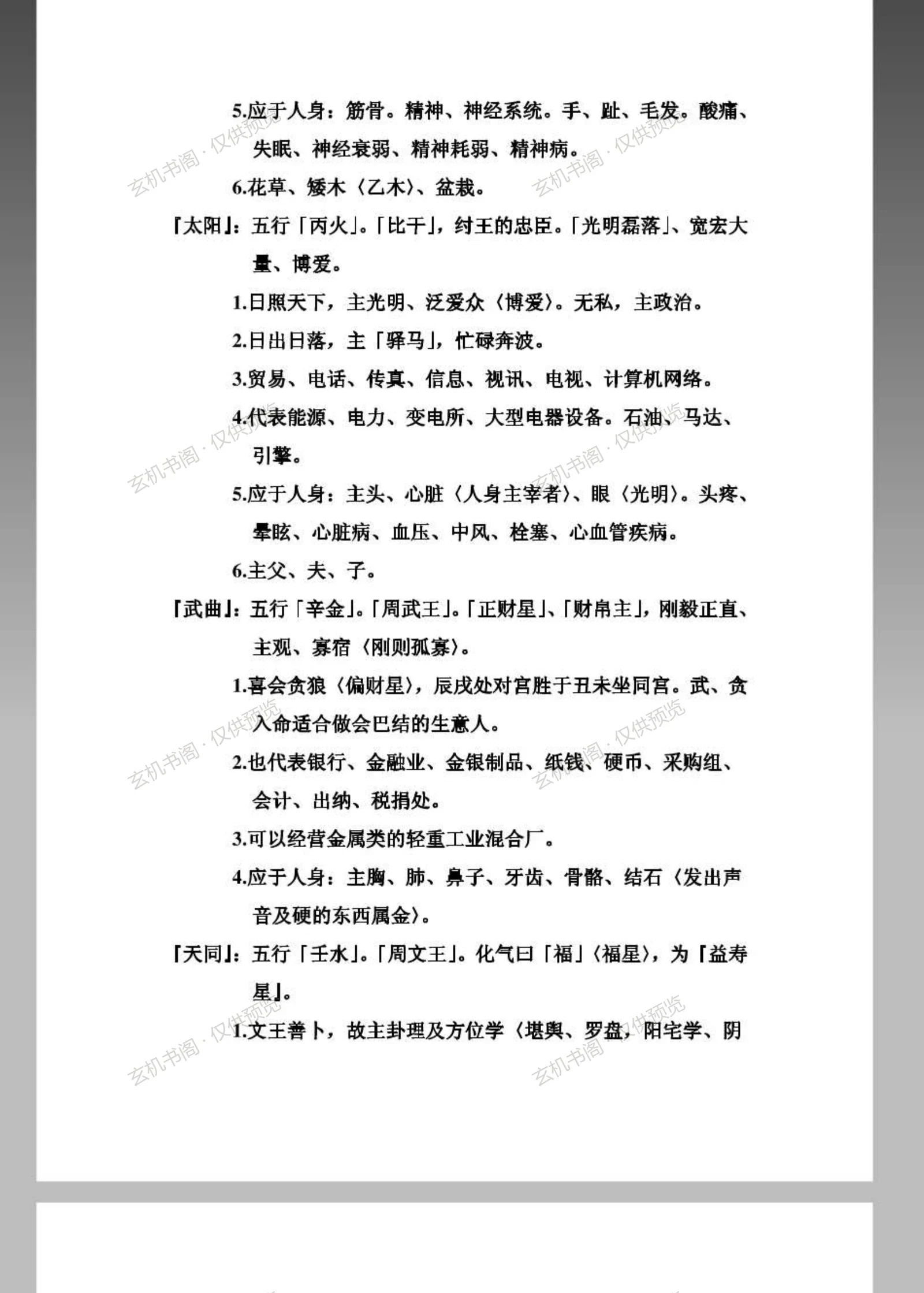
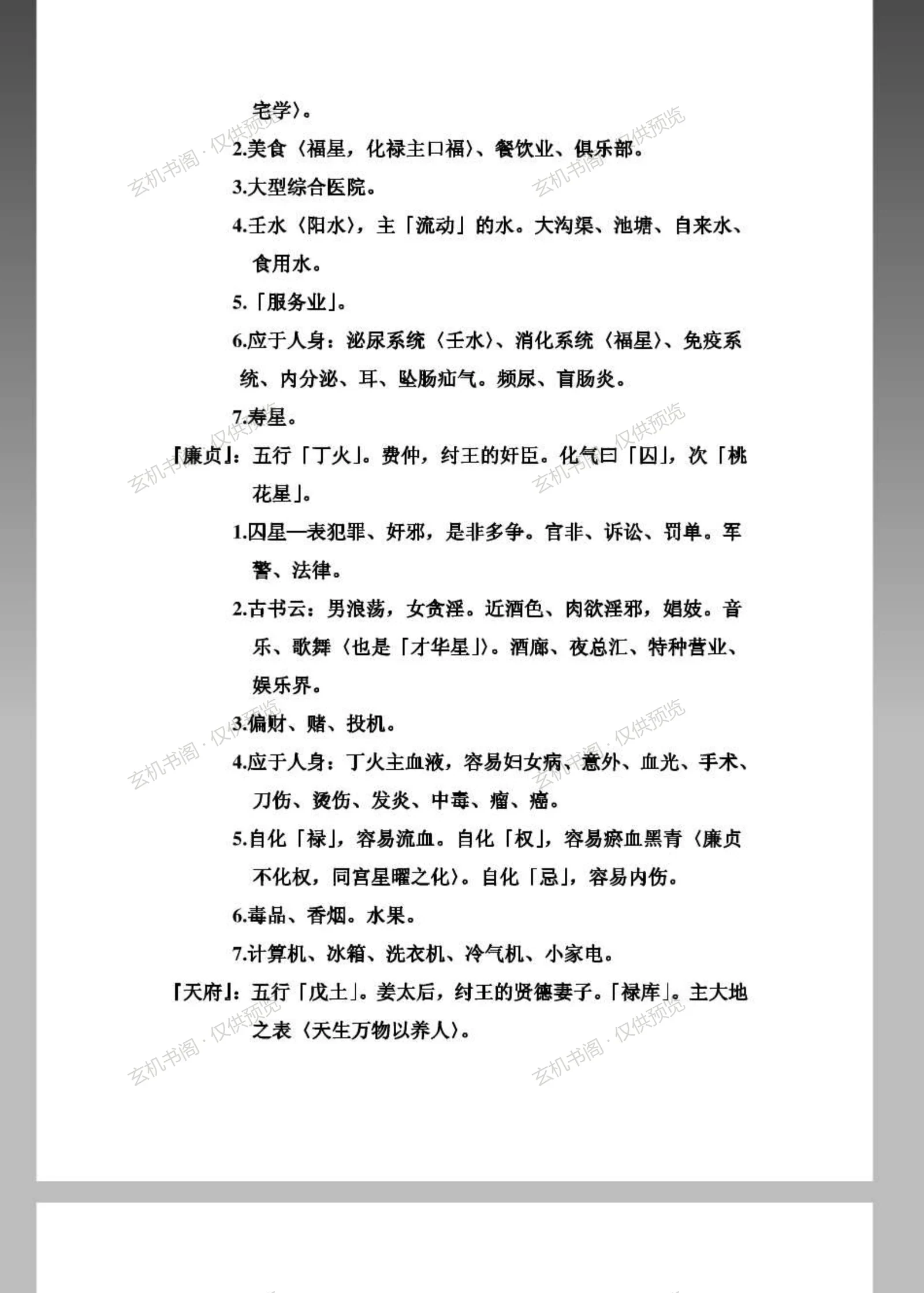
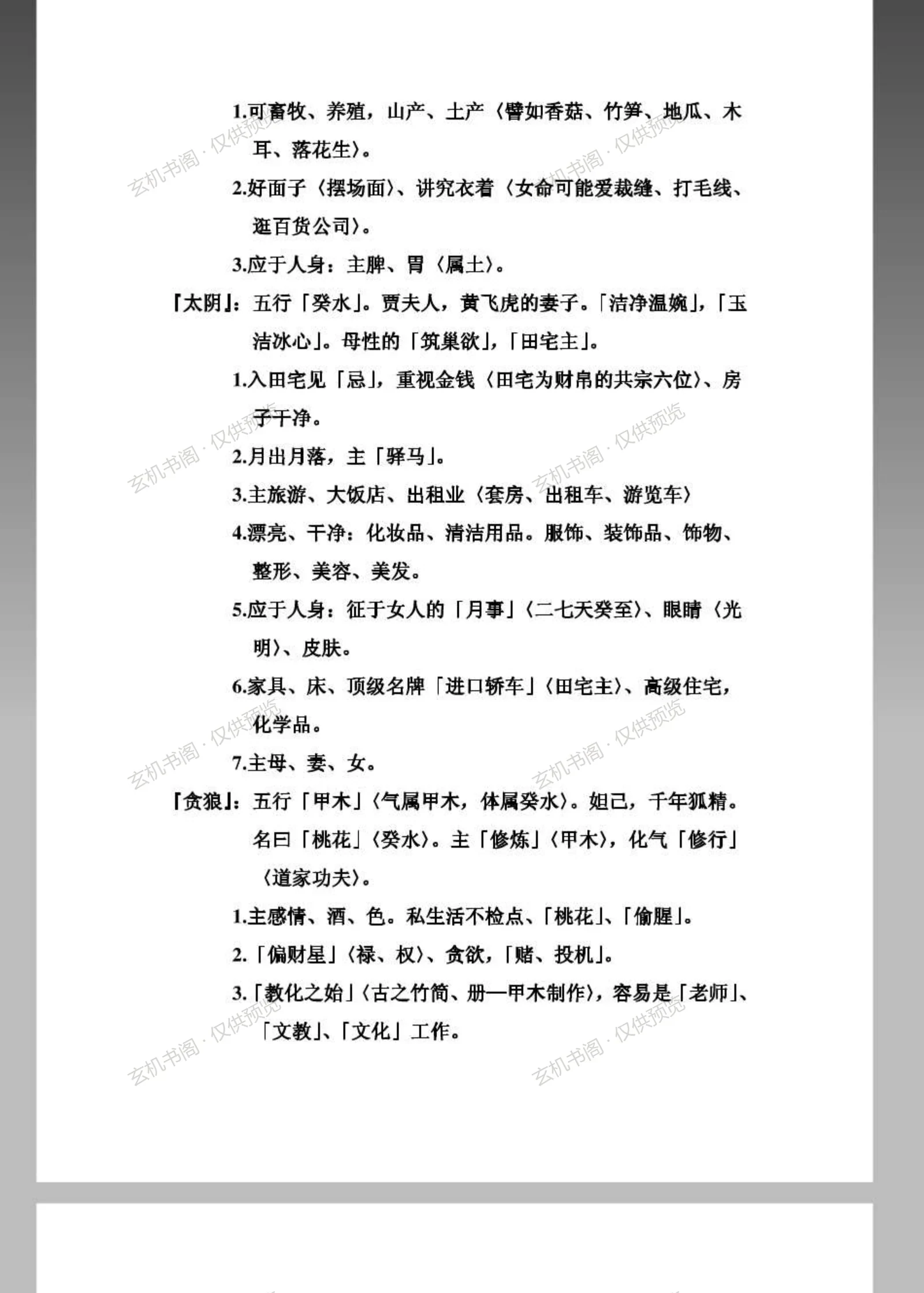
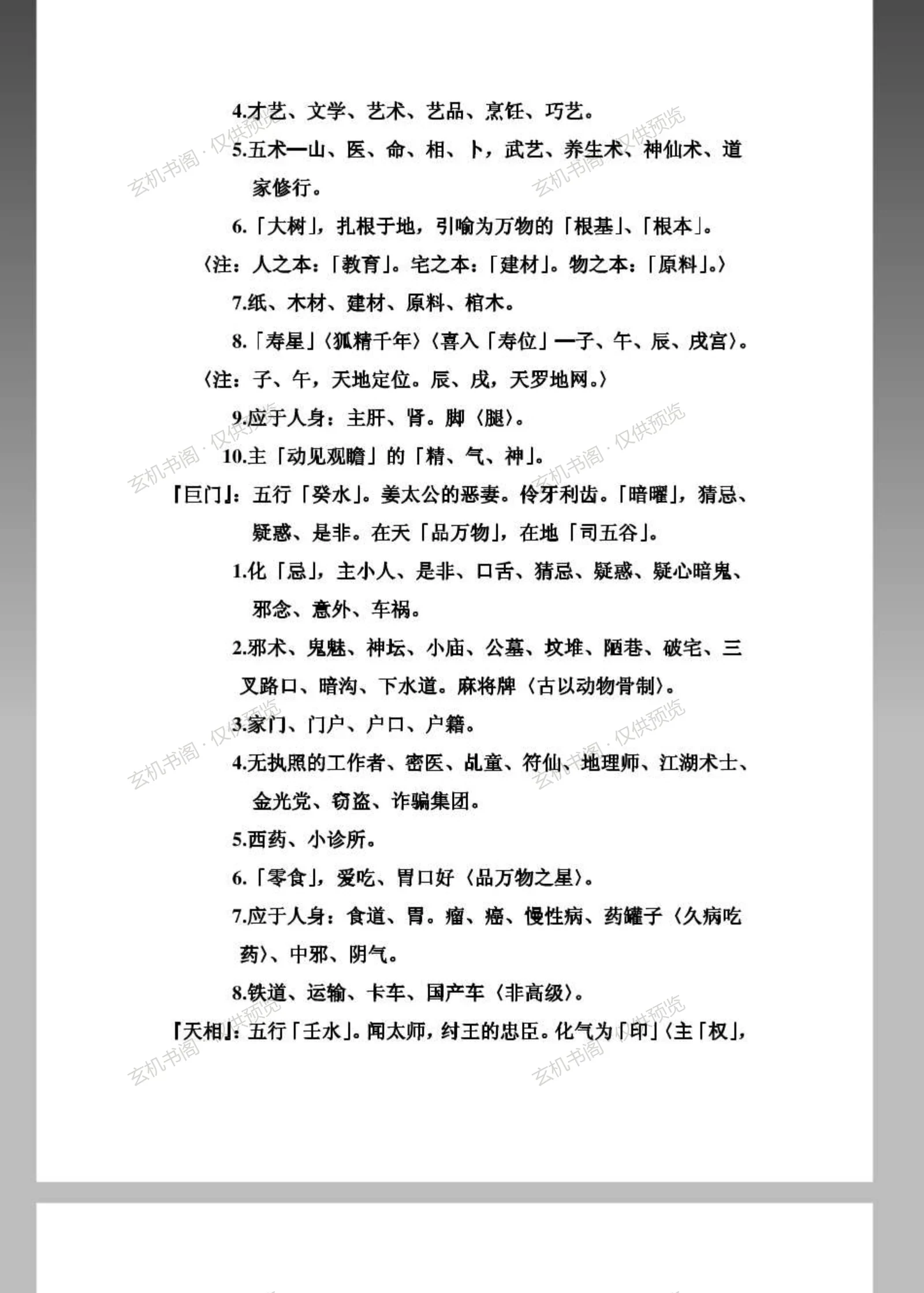
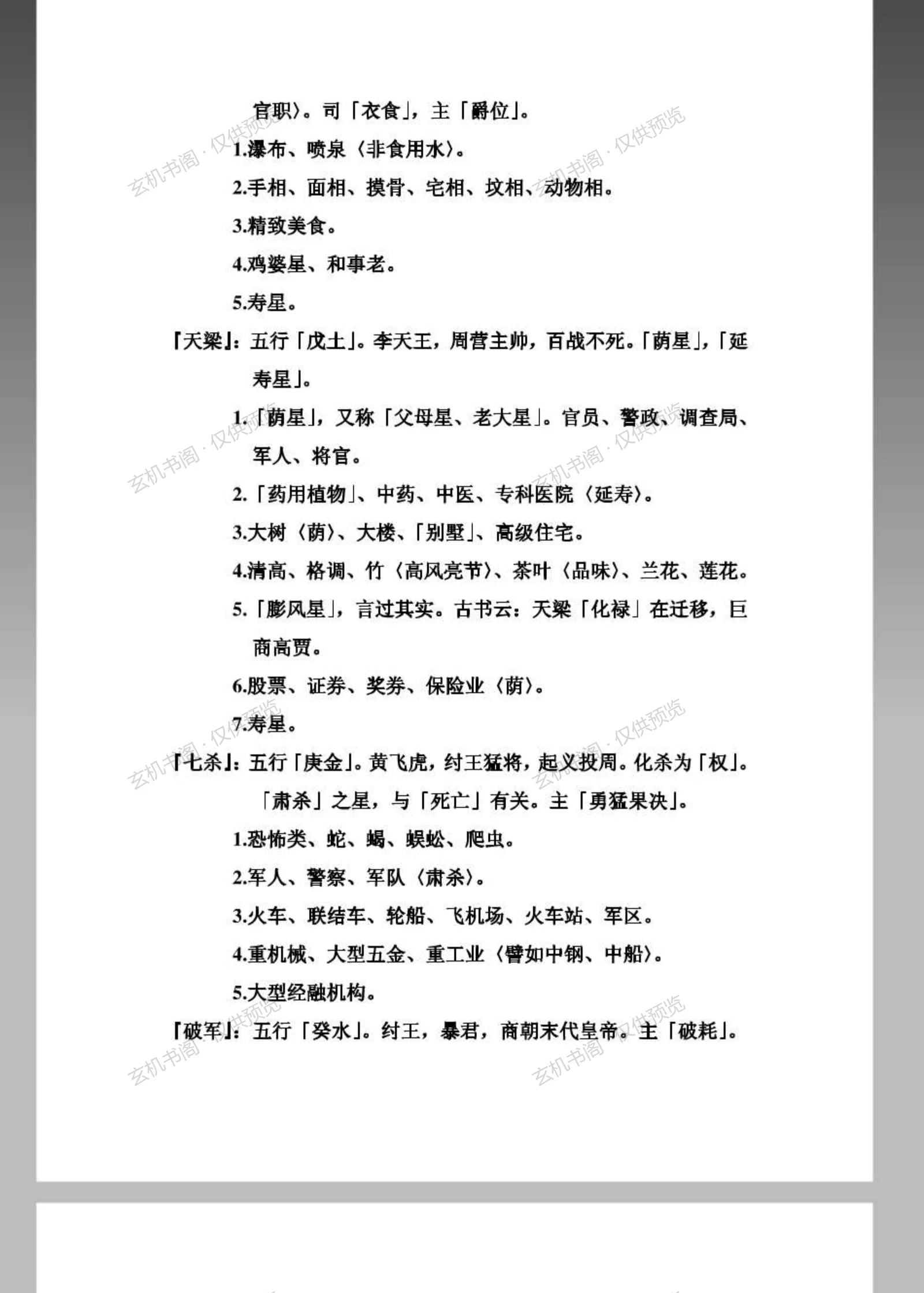
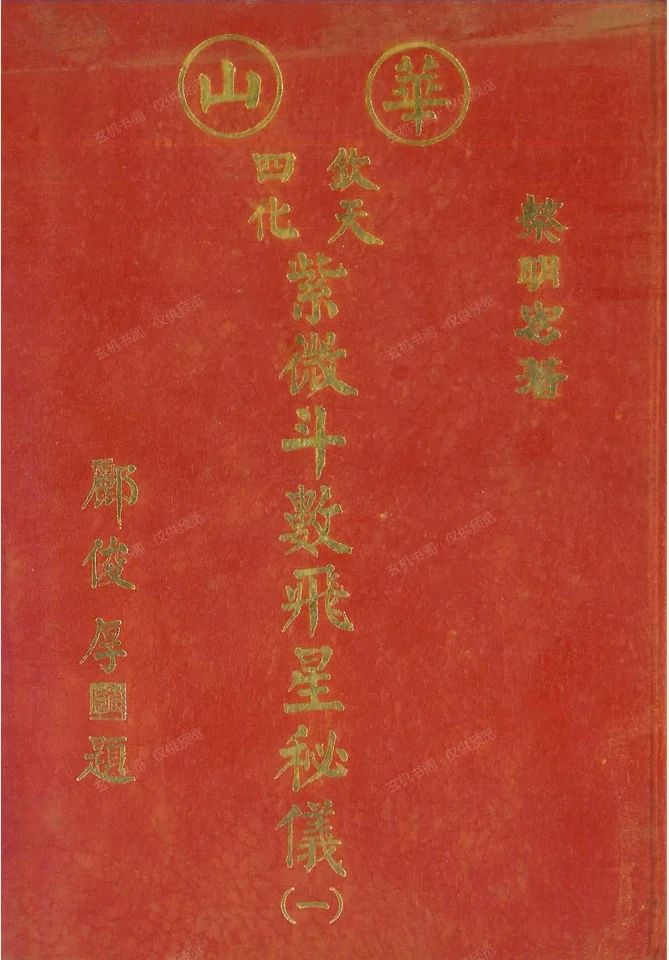
This is Liang Ruoyu's introductory reader on Flying Star Zi Wei Dou Shu. It opens by stating that the Flying Star school takes the twelve palaces as its axis and the four transformations as its operative principle, and that palaces, stars, and transformations must be read together to determine structure and fortune, in contrast to the San He school's dense array of stars and spirits. The main text first builds star concepts from Investiture of the Gods characters, then explains stars such as Zi Wei, Tian Ji, Tai Yang, Wu Qu, Tian Tong, Lian Zhen, Tian Fu, Tai Yin, Tan Lang, Ju Men, Tian Xiang, Tian Liang, Qi Sha, and Po Jun, listing for each its five elements, transformed qi, archetypal figure, and the objects, industries, body parts, and illnesses it represents. The approach is practical and image-based, suited to readers who already know the twelve palaces and four transformations and wish to enter the Flying Star method.
Contents
Flying Star method: palaces as axis, four transformations as function
Star meanings drawn from Investiture of the Gods figures
Zi Wei, Tian Ji, Tai Yang, Wu Qu, Tian Tong explained
Lian Zhen, Tian Fu, Tai Yin, Tan Lang explained
Ju Men, Tian Xiang, Tian Liang, Qi Sha, Po Jun explained
Key Points
Flying Star uses the twelve palaces as axis and four transformations as function, read together
Star imagery largely derives from Investiture of the Gods characters
Each star is given five elements, transformed qi, objects, industries, and body correspondences
Explicitly distinguished from the San He school's dense star-and-spirit approach