Reading guide
Content guideOverview
This is a lecture record from a Zi Wei Dou Shu system class, focusing on the "Ni Shui Ji" (Reverse Water Ji). It first defines the basic form: an outflow Ji blocked by the opposite palace. It emphasizes that the opposite palace must not have self-transformation (Zi Hua) or any Hua Lu/Quan/Ke, otherwise the water dam collapses and causes severe losses. Then, it discusses the "Xie Shui Ji" (Draining Water Ji) pattern, which occurs when self-transformation Ji appears in the Migration, Fortune, and Spouse palaces, creating a dangerous pattern of spending as much as one earns, illustrated by a case of bankruptcy during the financial crisis. Subsequently, it shifts to the representative palaces for investment, distinguishing the Fortune palace (luck money), Property palace (fixed assets, real estate), and Children palace (liquid assets, rental income, branches). It reminds readers to differentiate investment types to avoid using the wrong palace, and provides an example clarifying the difference between the Children palace and the Health palace in shop investment judgments.
Contents
Definition and conditions of Ni Shui Ji
Xie Shui Ji pattern and breaking (self-transformation Ji)
Investment failure case: Hong Kong financial crisis
Investment palace: Fortune palace (windfall)
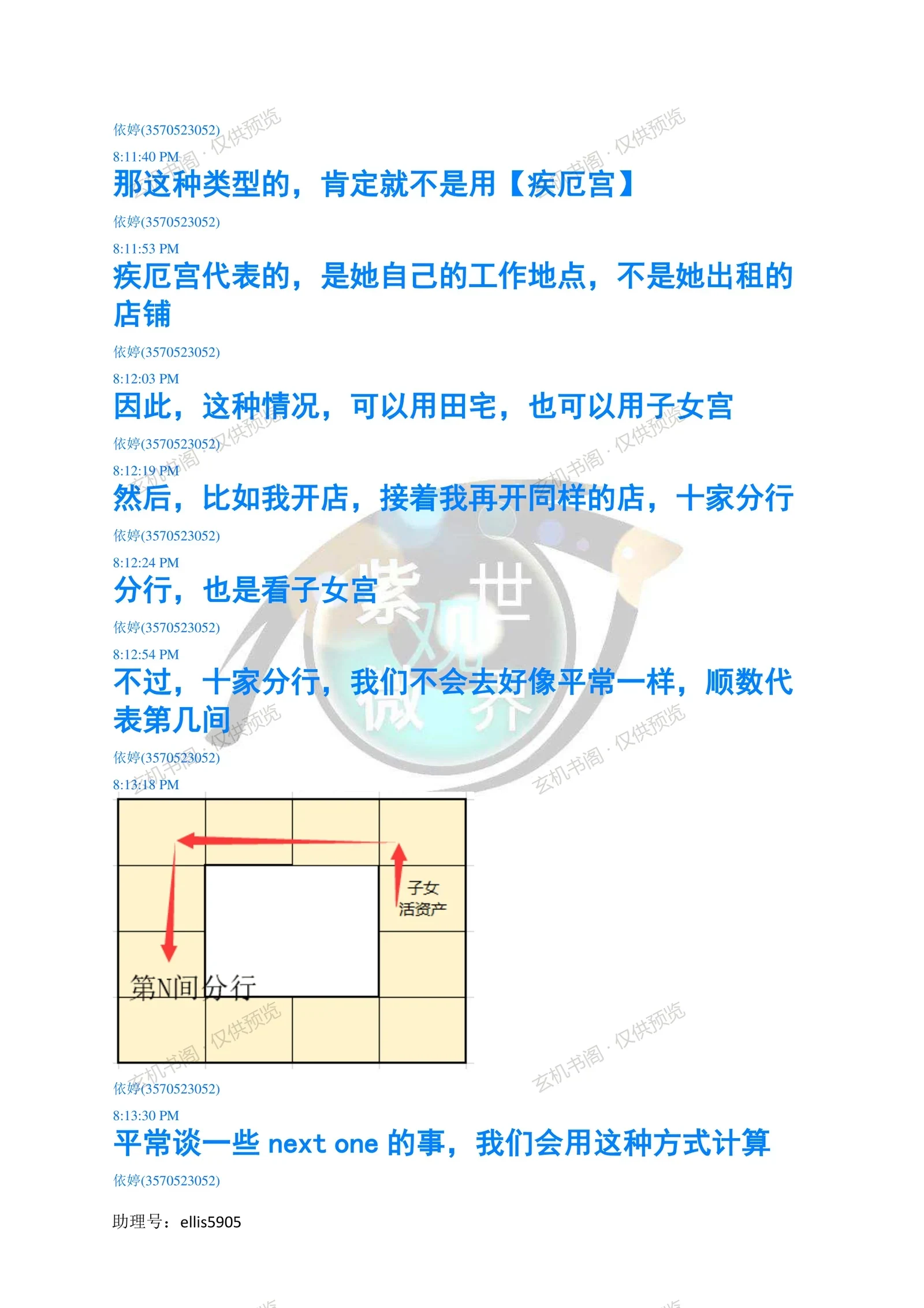
Investment palaces: Property and Children palaces
Distinguishing investment types and palace misuse
Key Points
Ni Shui Ji occurs when an outflow Ji is blocked by the opposite palace, with no self-transformation in that palace.
Self-transformation Ji in Migration, Fortune, or Spouse palaces forms Xie Shui Ji, a volatile pattern.
Xie Shui Ji often leads to investment failure and a vicious cycle; stop-loss is advised.
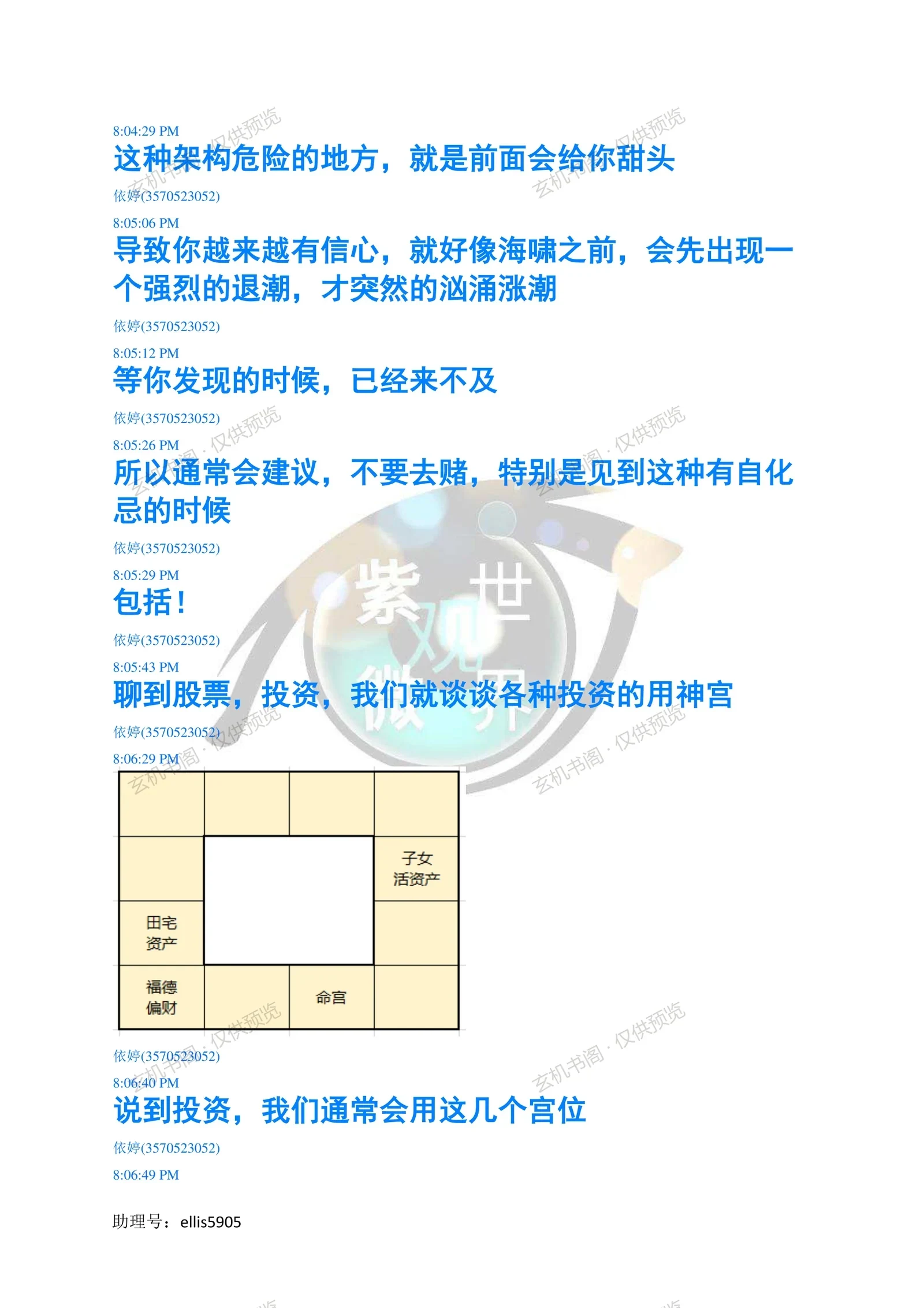
Fortune palace represents luck money, Property palace fixed assets, Children palace liquid assets.
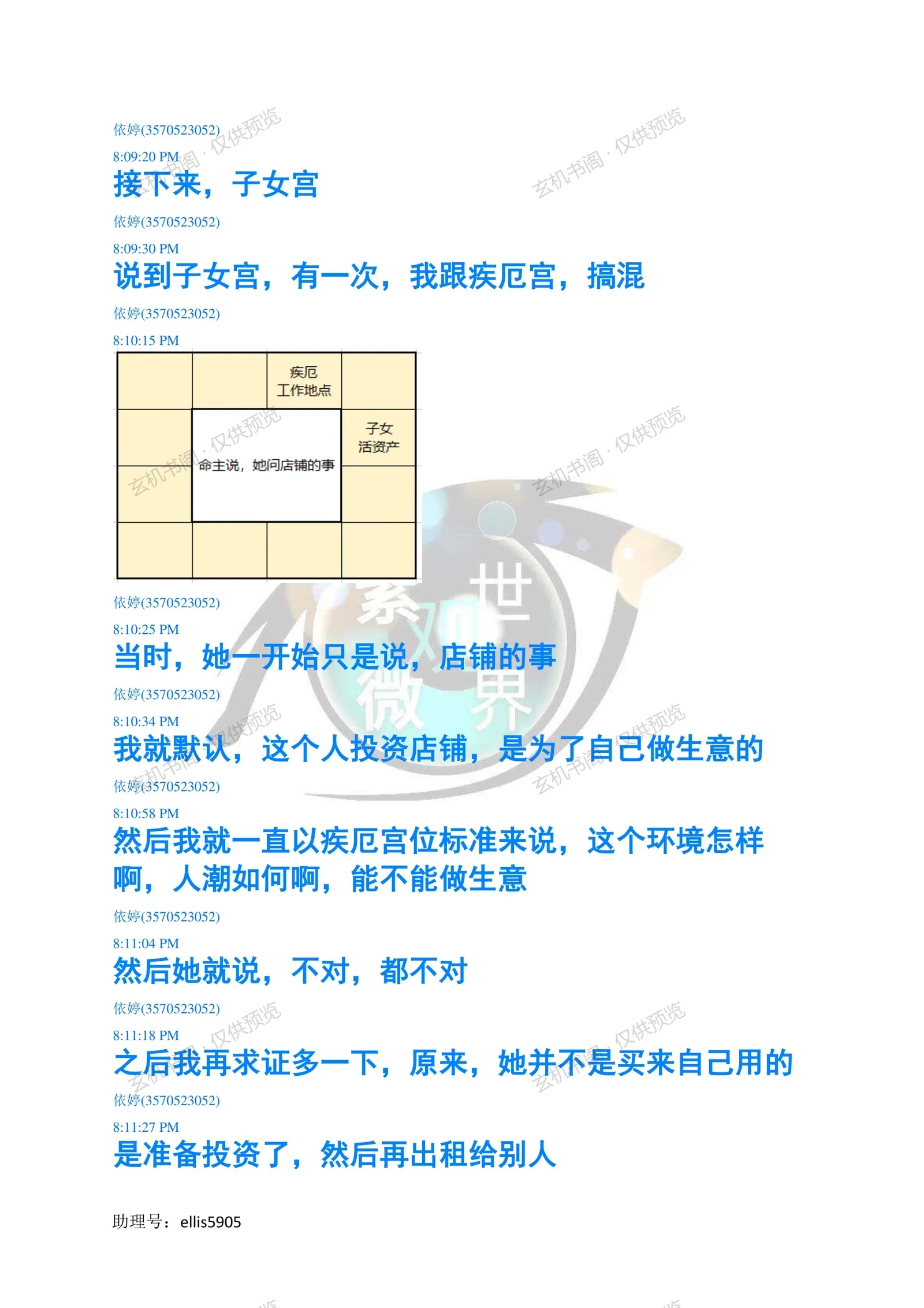
Shop rental should be read from Property or Children palaces; own shop from Health palace.