Reading guide
Content guideOverview
This is an excerpt from a Zi Wei Dou Shu class handout on the Five Elements. The instructor first presents the yin-yang and numerical correspondences of the ten heavenly stems, showing in a diagram how Jia-Yi, Bing-Ding, Wu-Ji, Geng-Xin, and Ren-Gui pair with yang-yin wood, fire, earth, metal, and water. The text stresses that the Five Elements are not merely five but ten when yin and yang are distinguished. It then contrasts yang wood and yin wood, explaining that Jia wood stands for large trees and yang wood while Yi wood stands for grass and yin wood, and links these images to stars such as Tan Lang and Tian Ji. Palaces and stars both carry Five Element qualities, used to describe forms and to discuss generating and overcoming relations. Reflection questions about friendship, romance, and marriage invite readers to think through the imagery. The material suits readers with basic Zi Wei Dou Shu knowledge who want to see how the Five Elements are applied in star and palace interpretation.
Contents
Yin-yang and number images of the ten heavenly stems
Five Elements divided into ten by yin and yang
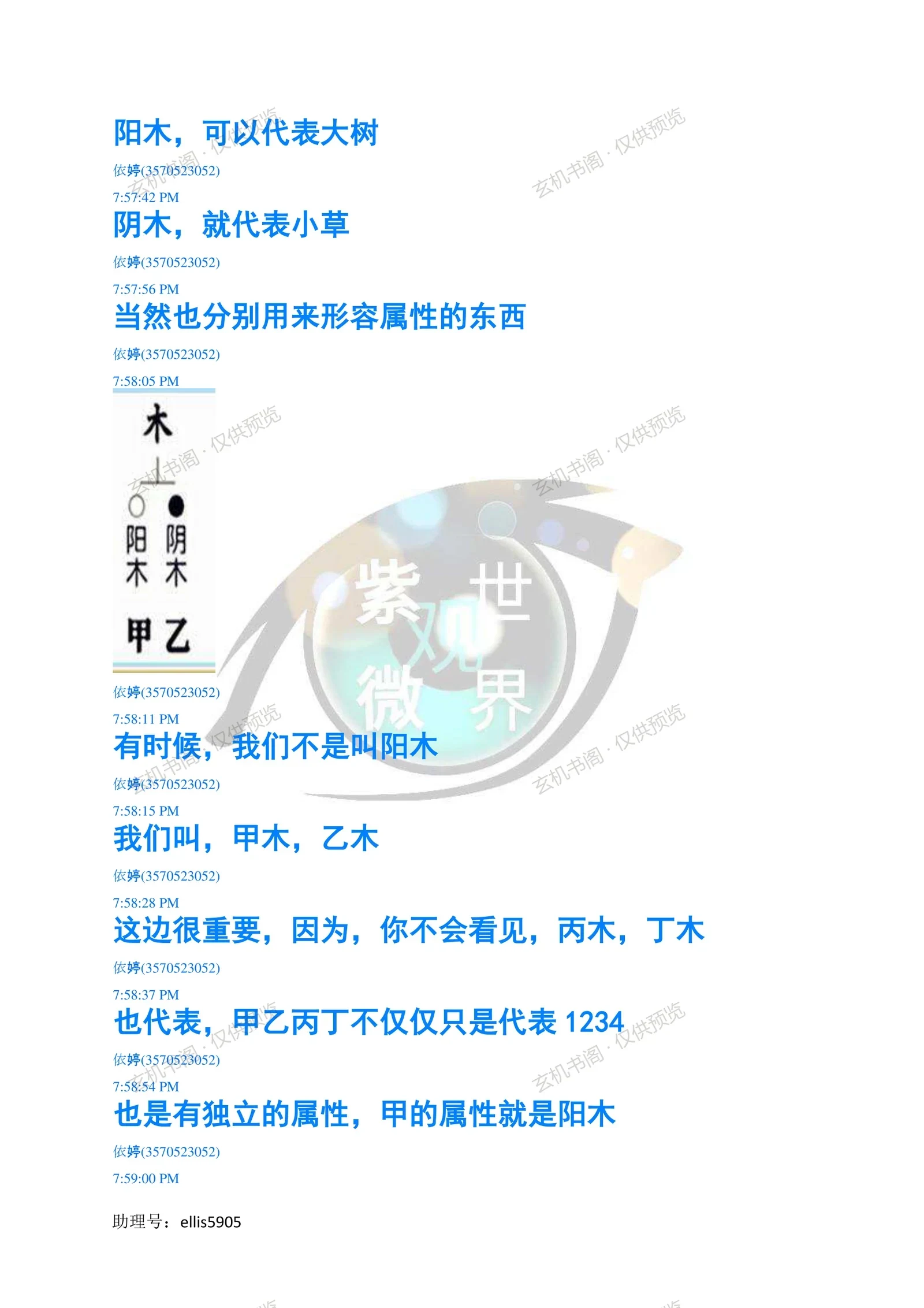
Yang wood and yin wood: Jia and Yi
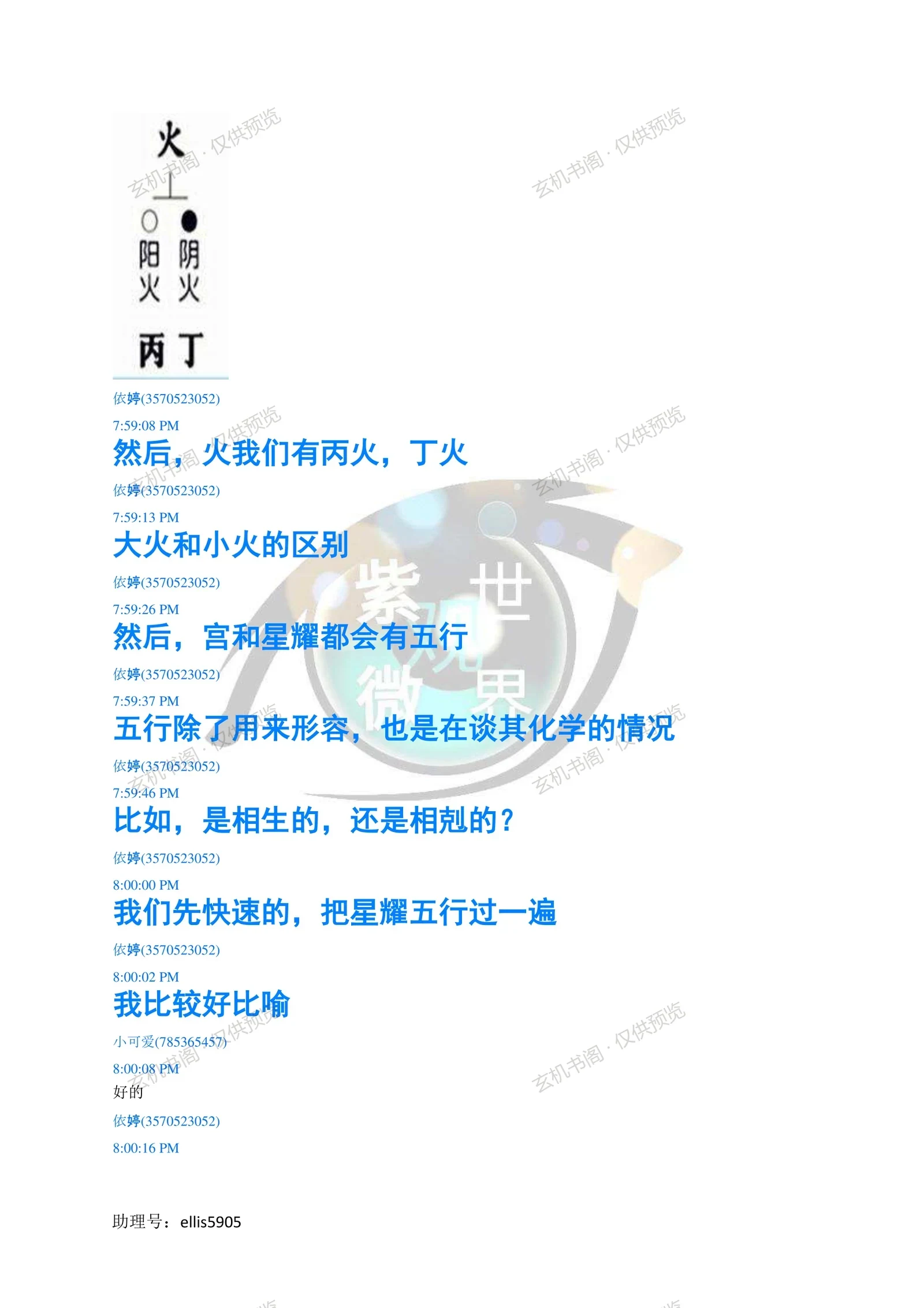
Bing and Ding fire: large fire versus small fire
Stars and palaces both carry Five Elements
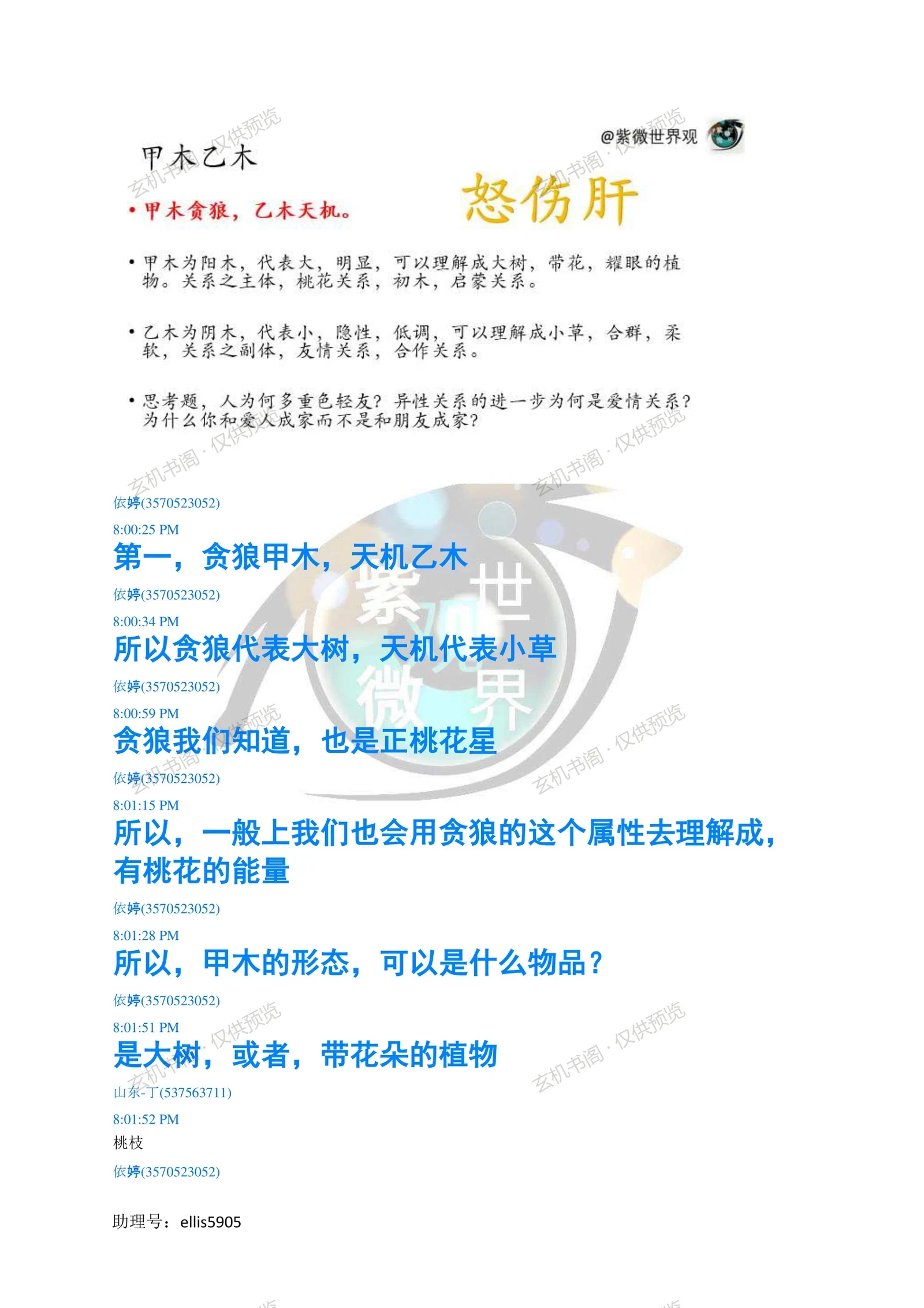
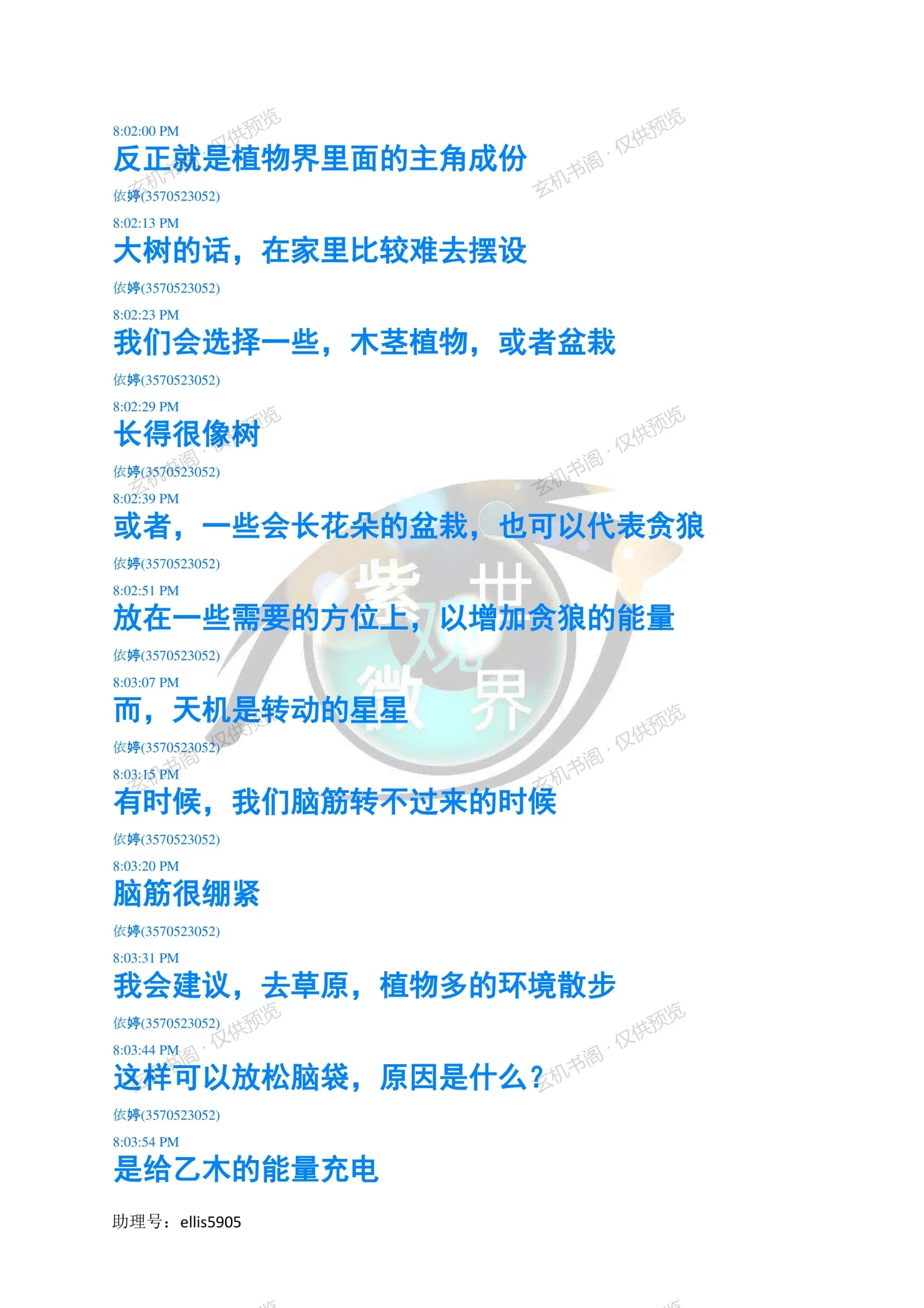
Tan Lang as Jia wood, Tian Ji as Yi wood
From Five Elements to generating and overcoming
Key Points
The Five Elements are ten when yin and yang are counted.
Ten heavenly stems pair with yin-yang Five Elements.
Jia wood is yang and prominent; Yi wood is yin and subtle.
Palaces and stars both carry Five Element qualities used in analysis.
Tan Lang corresponds to Jia wood, Tian Ji to Yi wood.