Reading guide
Content guideOverview
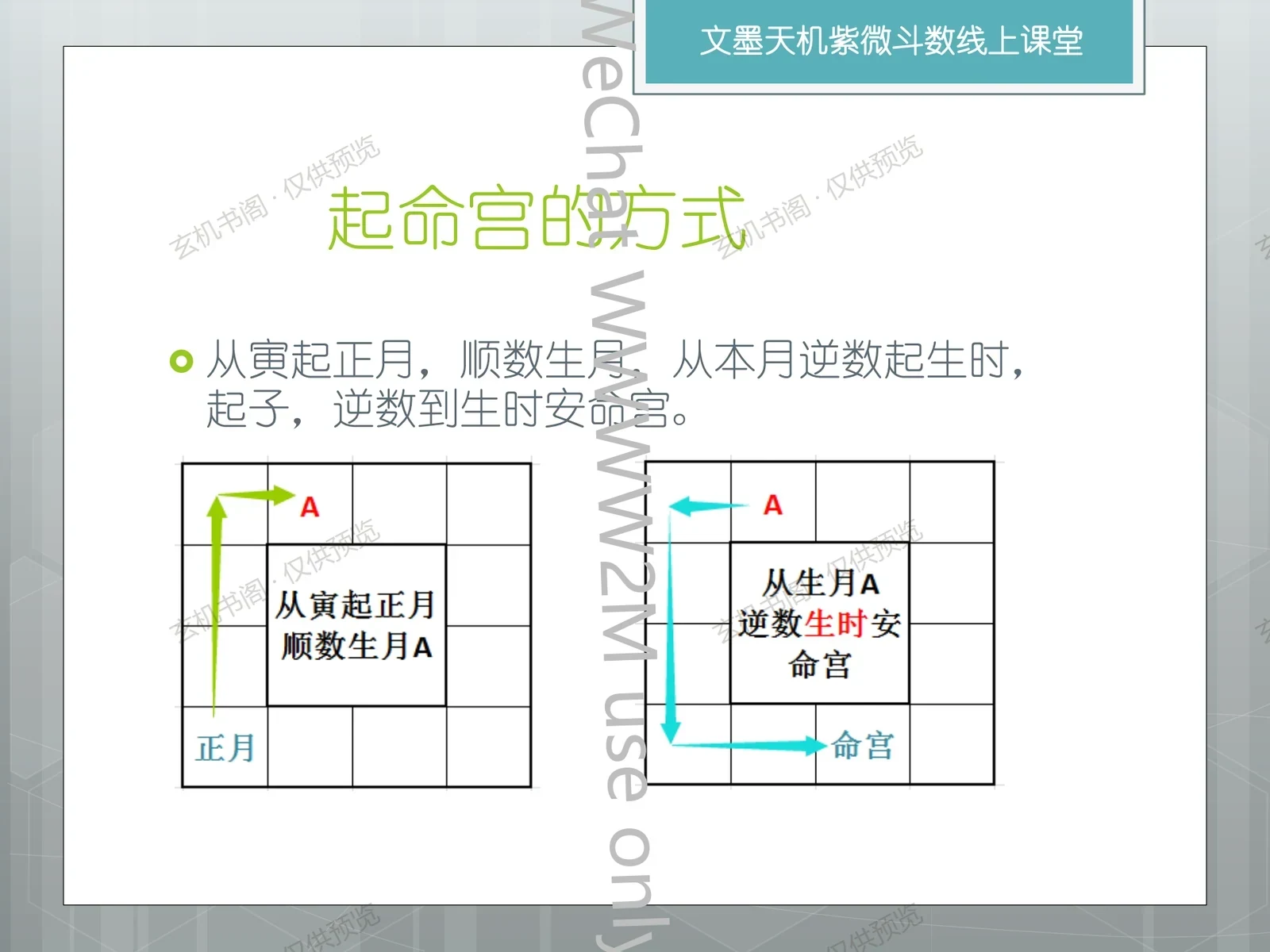
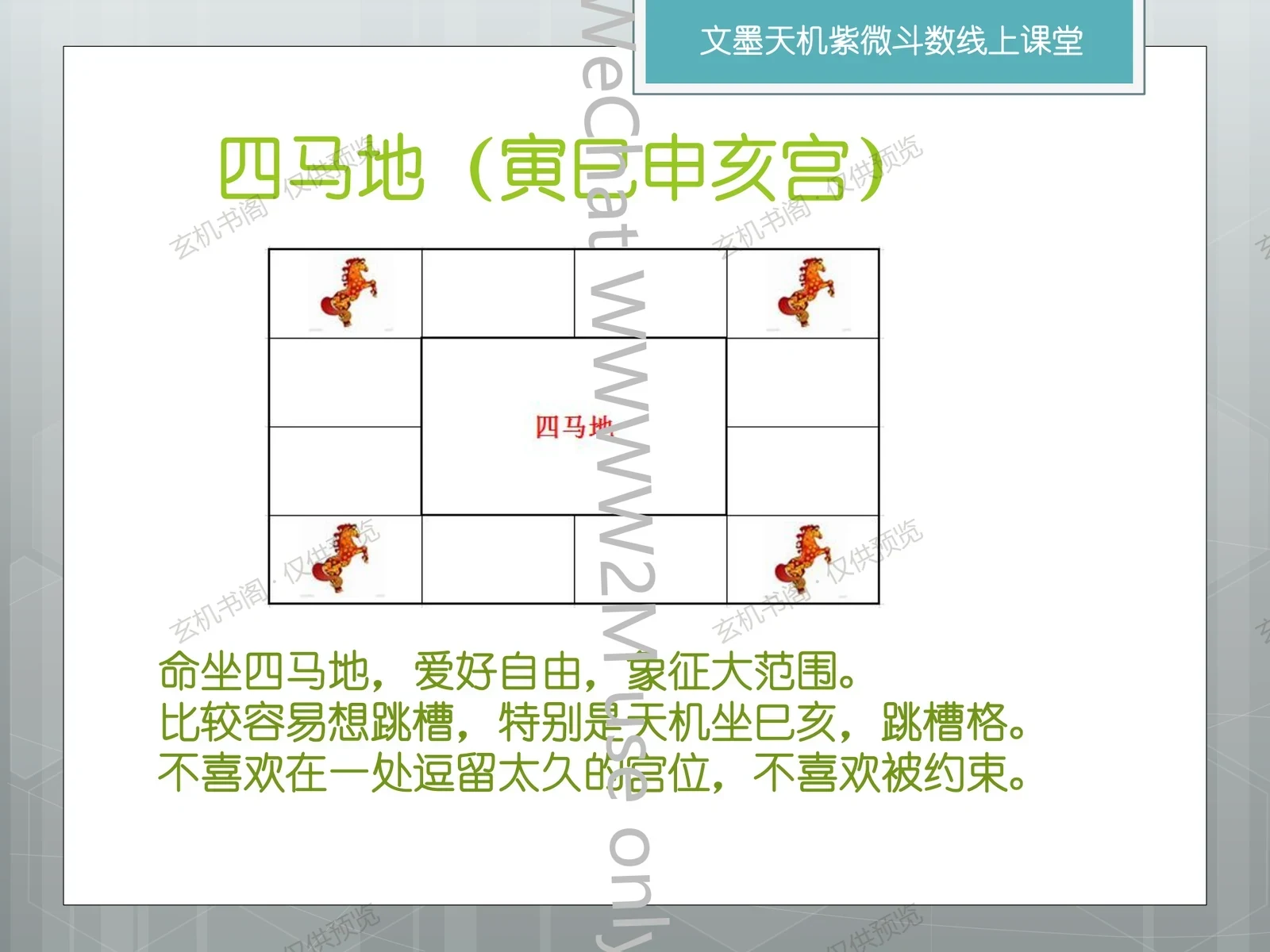
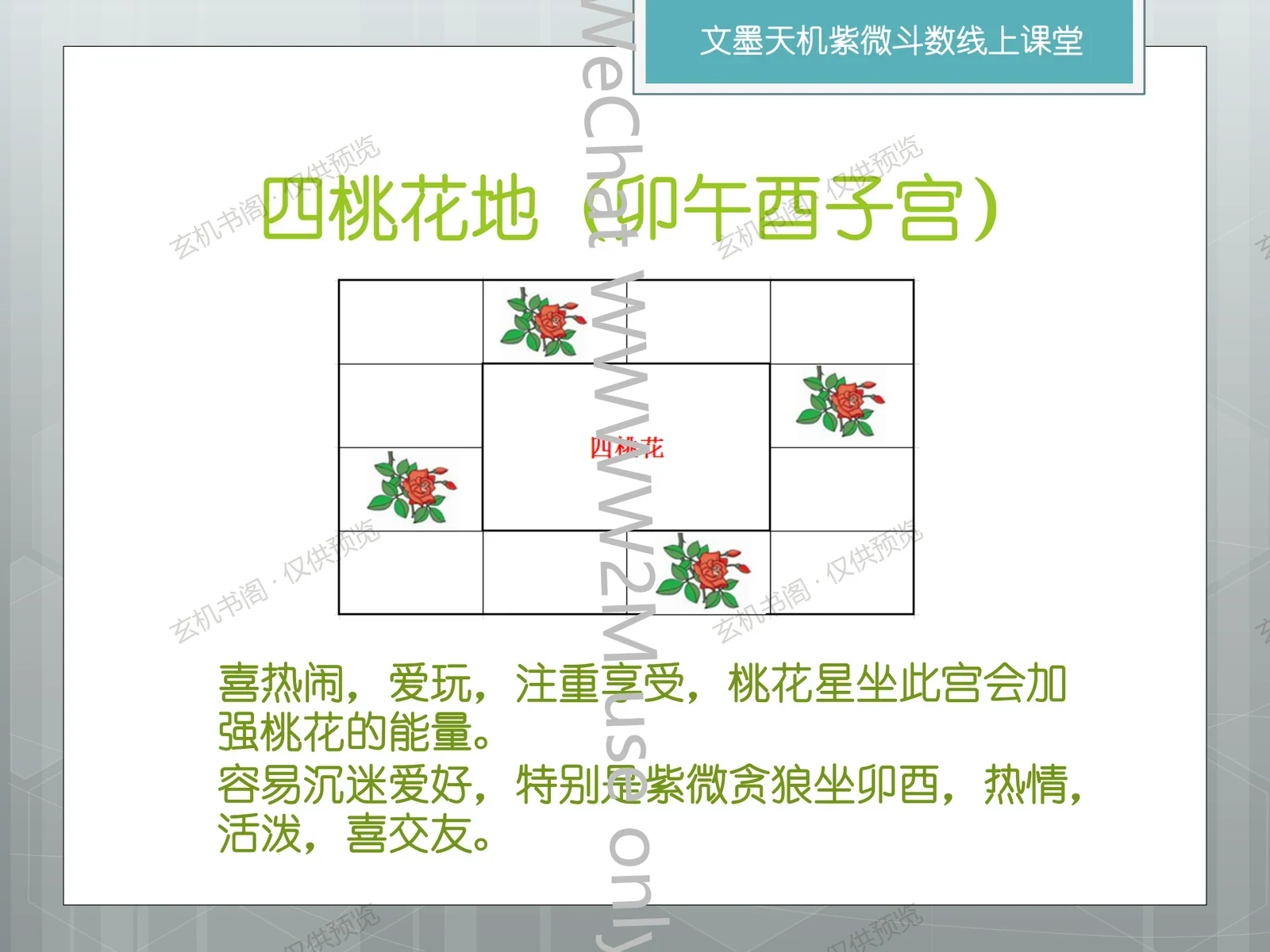
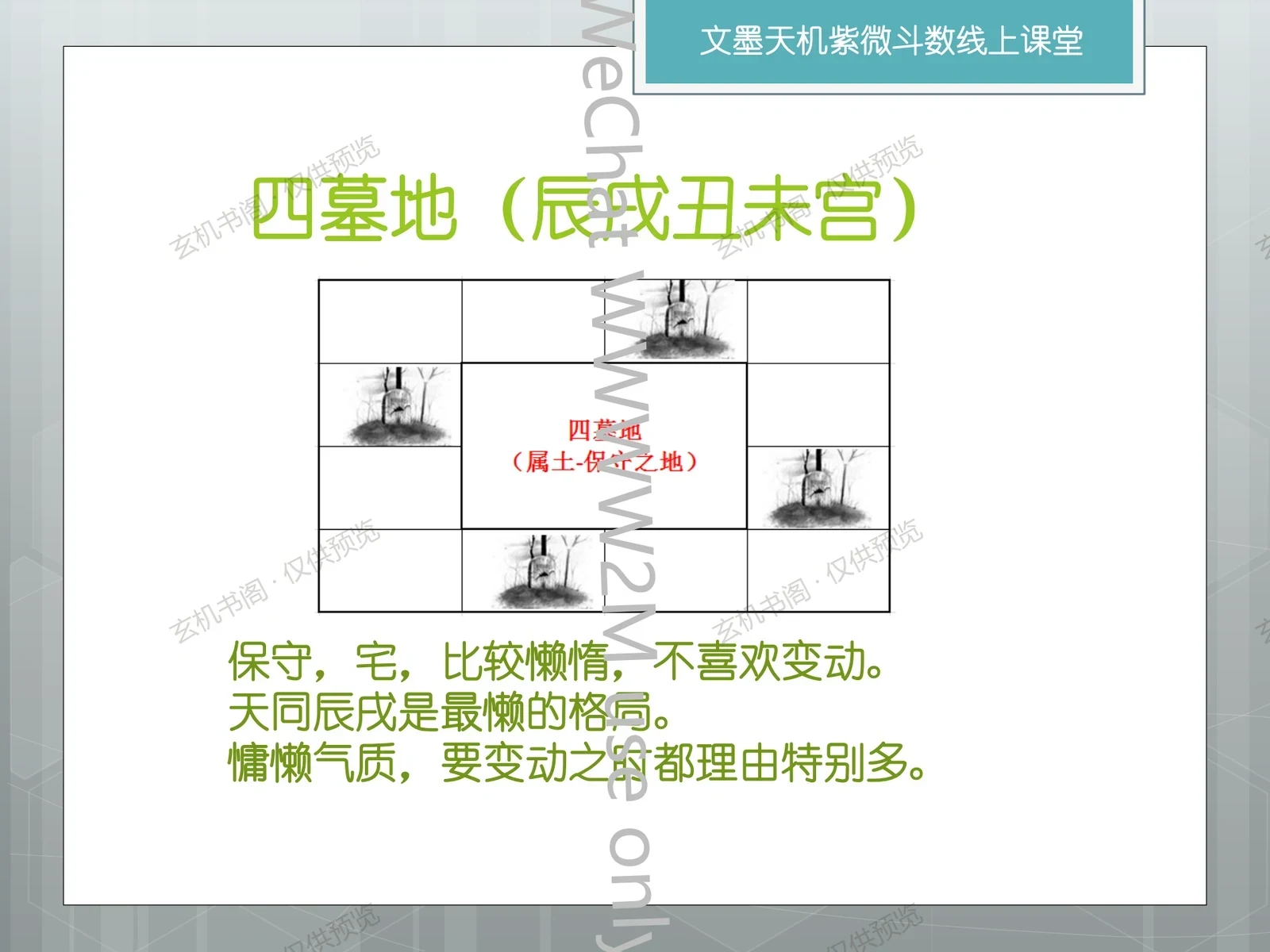
This is a Zi Wei Dou Shu teaching deck by Yi Ting, marked Part 1 and presented as online classroom material. The visible slides first explain how to locate the Life Palace: start from the Yin palace for the first lunar month, count forward to the birth month, then count backward to the birth hour. Next comes the Four Horse positions (Yin, Si, Shen, Hai), described as freedom-loving, wide-ranging, and prone to job changes, especially Tian Ji in Si or Hai. The Four Peach Blossom positions (Mao, Wu, You, Zi) indicate sociability, enjoyment, and stronger romantic energy, with Zi Wei and Tan Lang in Mao or You being especially lively. The Four Tomb positions (Chen, Xu, Chou, Wei) suggest conservatism, staying home, and reluctance to change, with Tian Tong in Chen or Xu called the laziest pattern. A final chart pairs the twelve palaces with the twelve zodiac signs, helping readers place personality and roles within the palace system. The style is practical and terminology-heavy, suited to readers who already know basic chart construction.
Contents
Locating the Life Palace: months forward, hours backward
Four Horse positions and mobility
Four Peach Blossom positions and sociability
Four Tomb positions and conservatism
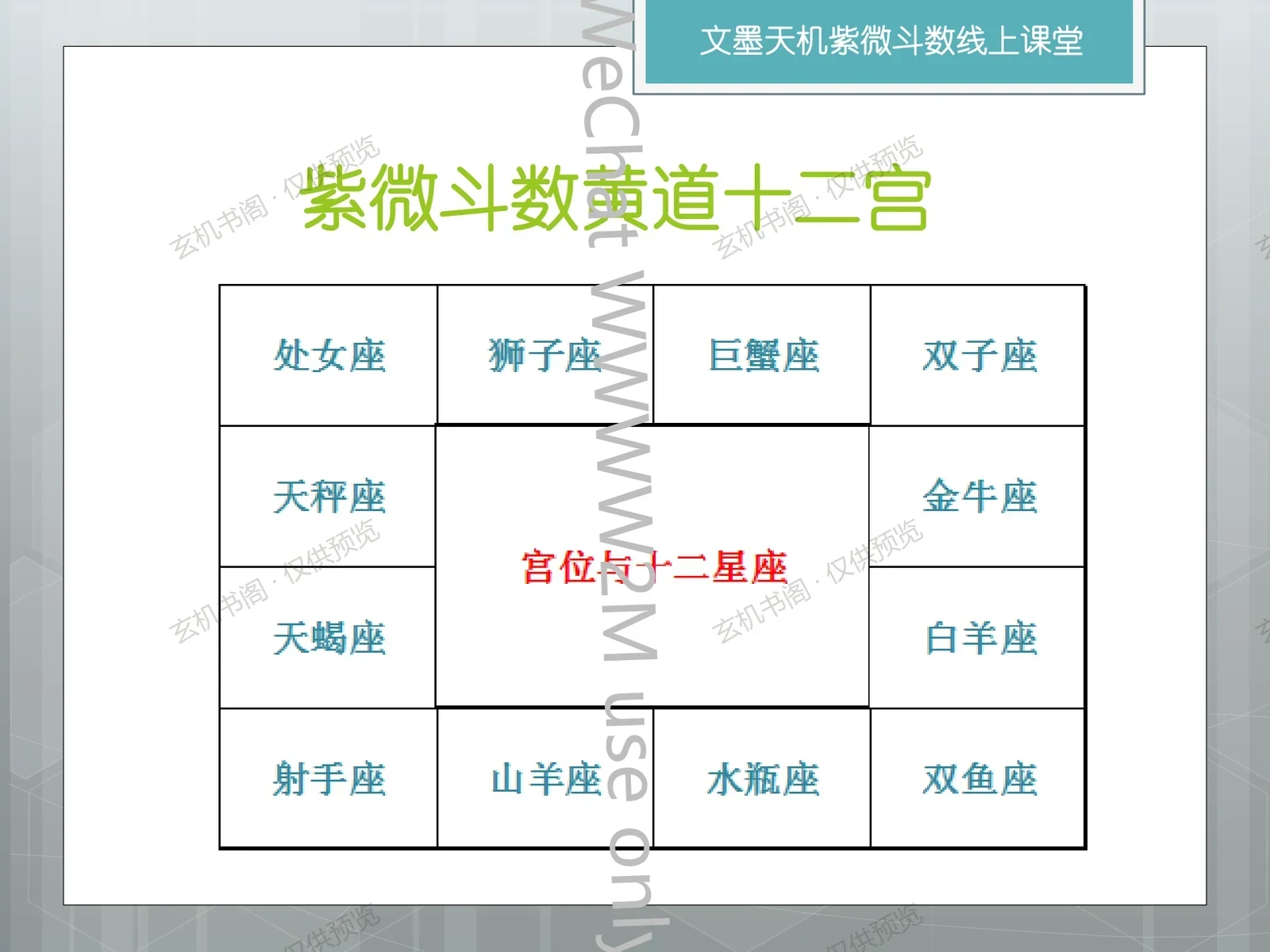
Twelve palaces mapped to zodiac signs
Key Points
Life Palace method: start at Yin, count months forward, hours backward
Four Horse positions favor freedom and frequent moves
Four Peach Blossom positions favor enjoyment and socializing
Four Tomb positions are conservative; Tian Tong in Chen/Xu is laziest
Palaces can be paired with zodiac signs as a memory aid