Reading guide
Content guideOverview
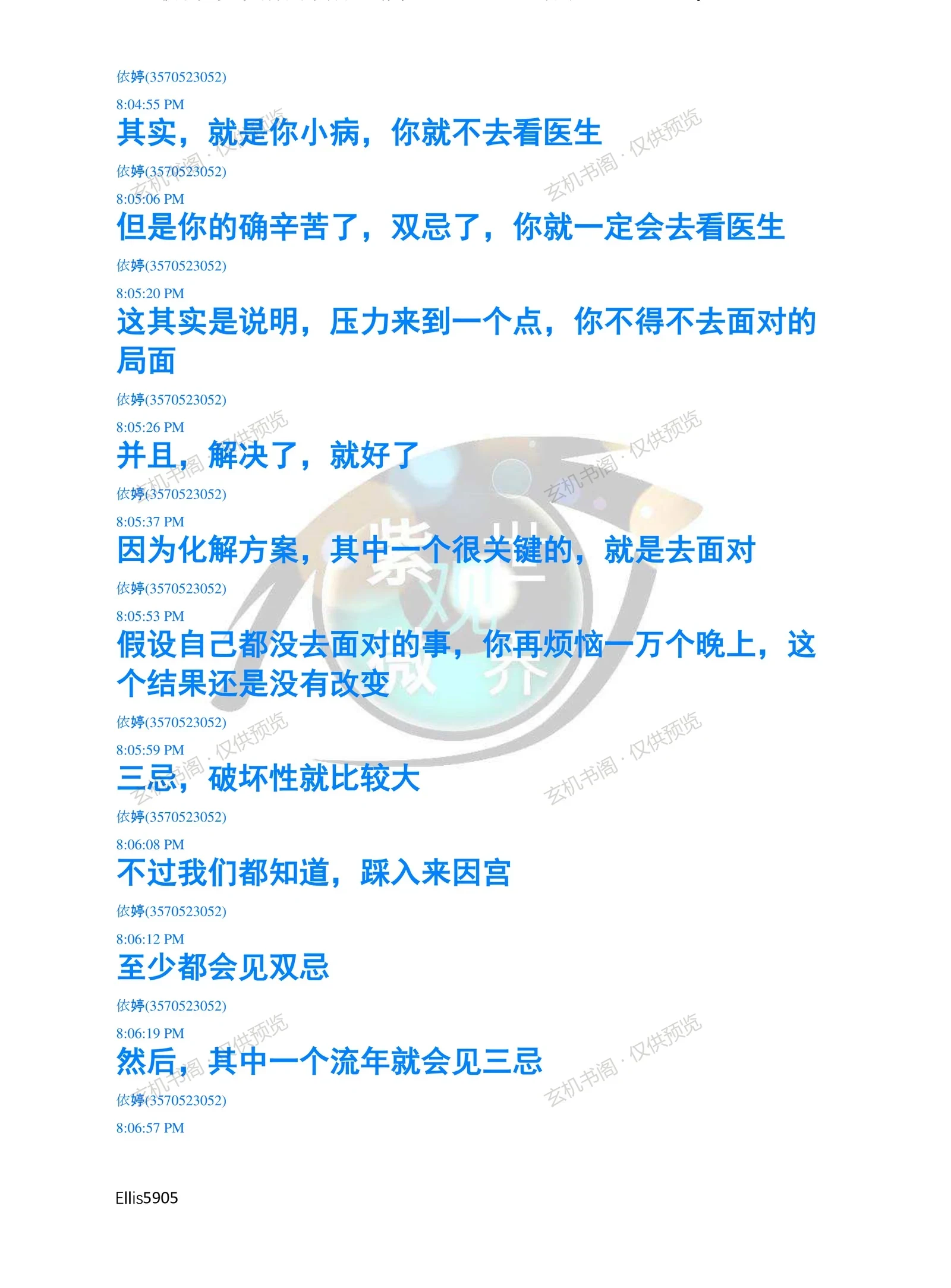
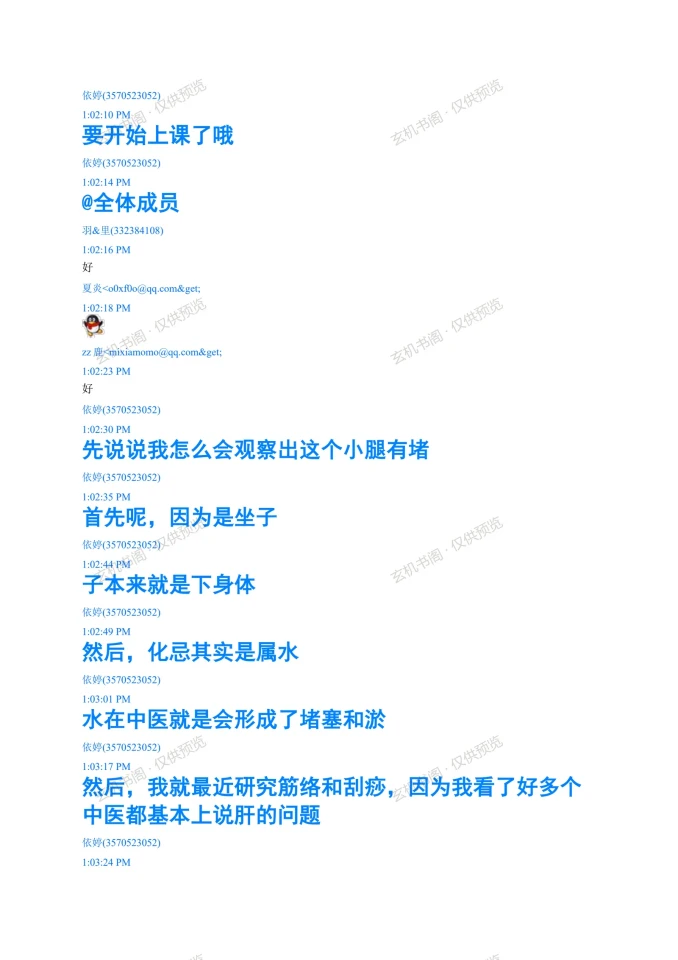
This volume compiles lecture notes from Yi Ting's systematic Zi Wei Dou Shu class, centering on the Ji transformation and self-transformation (zihua). It distinguishes the natures of self-transformed Ji, Lu, Quan, and Ke, explaining how self-transformed Ji often manifests as self-restraint, withdrawal, and rejection of others, while self-transformed Lu and Ke are gentler. Using palaces such as the Fu De Palace, it discusses how excessive self-transformation can lead to difficulty seeking help and a fear of refusal. The text then explains the palace-based judgment of 'Ji clash means no affinity,' including clashes between the Life Palace and the Spouse or Parents palaces, and the possible correspondence of a Spouse Palace Ji clashing the Parents Palace with marital, document, or legal troubles. Page five lists 'other essentials,' discussing the relative strength of single, double, and triple Ji, noting that double Ji often forces one to confront problems while triple Ji is highly destructive. It also addresses the complex imagery when Lu, Quan, Ke, and Ji intersect, as well as health, desire, and attachment. The style is conversational and practical, suited to readers with a foundation in Zi Wei Dou Shu who wish to deepen their understanding of the Four Transformations and self-transformation.
Contents
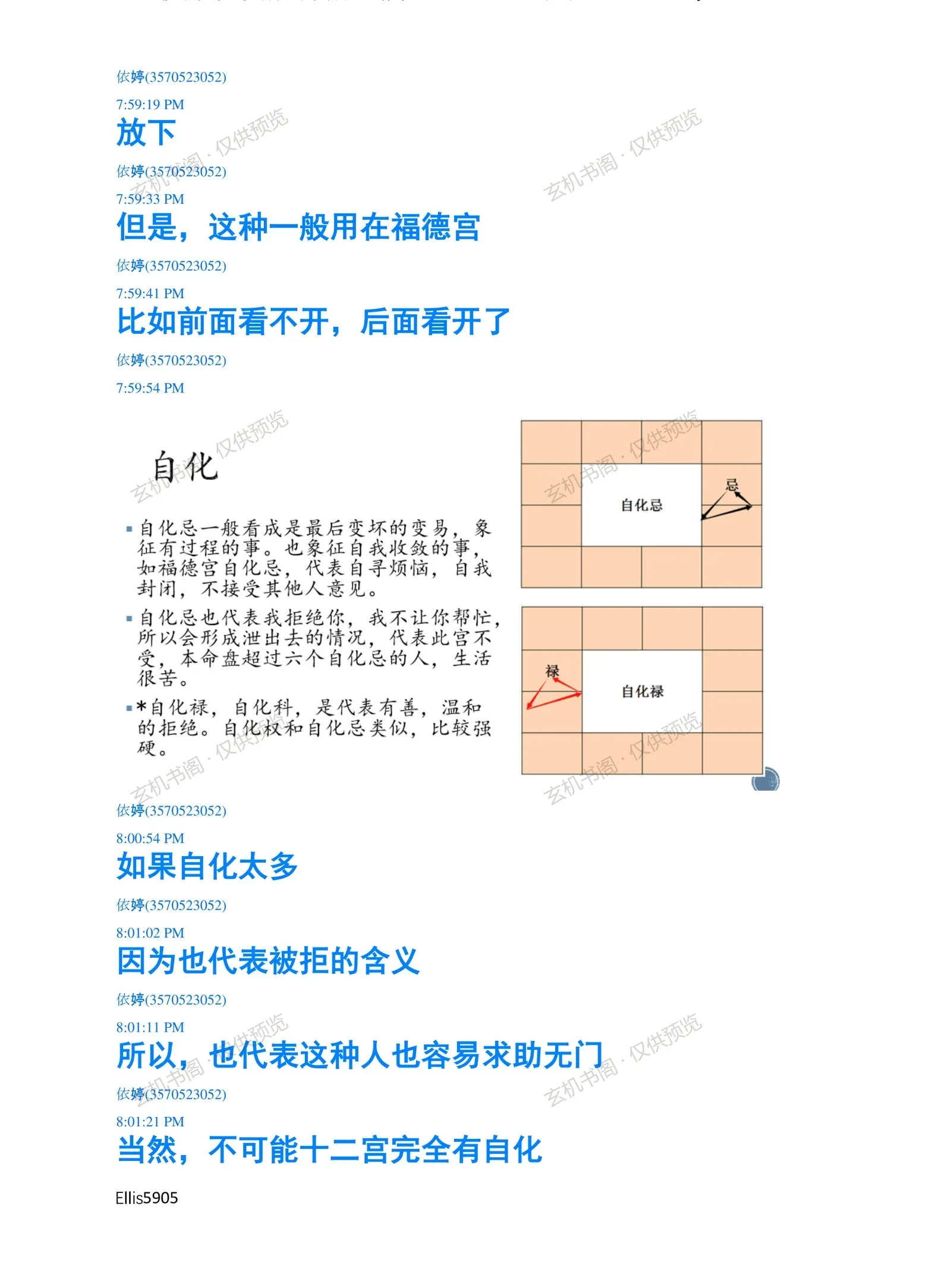
Differences among self-transformed Ji, Lu, Quan, and Ke
Imagery of excessive self-transformation in Fu De and other palaces
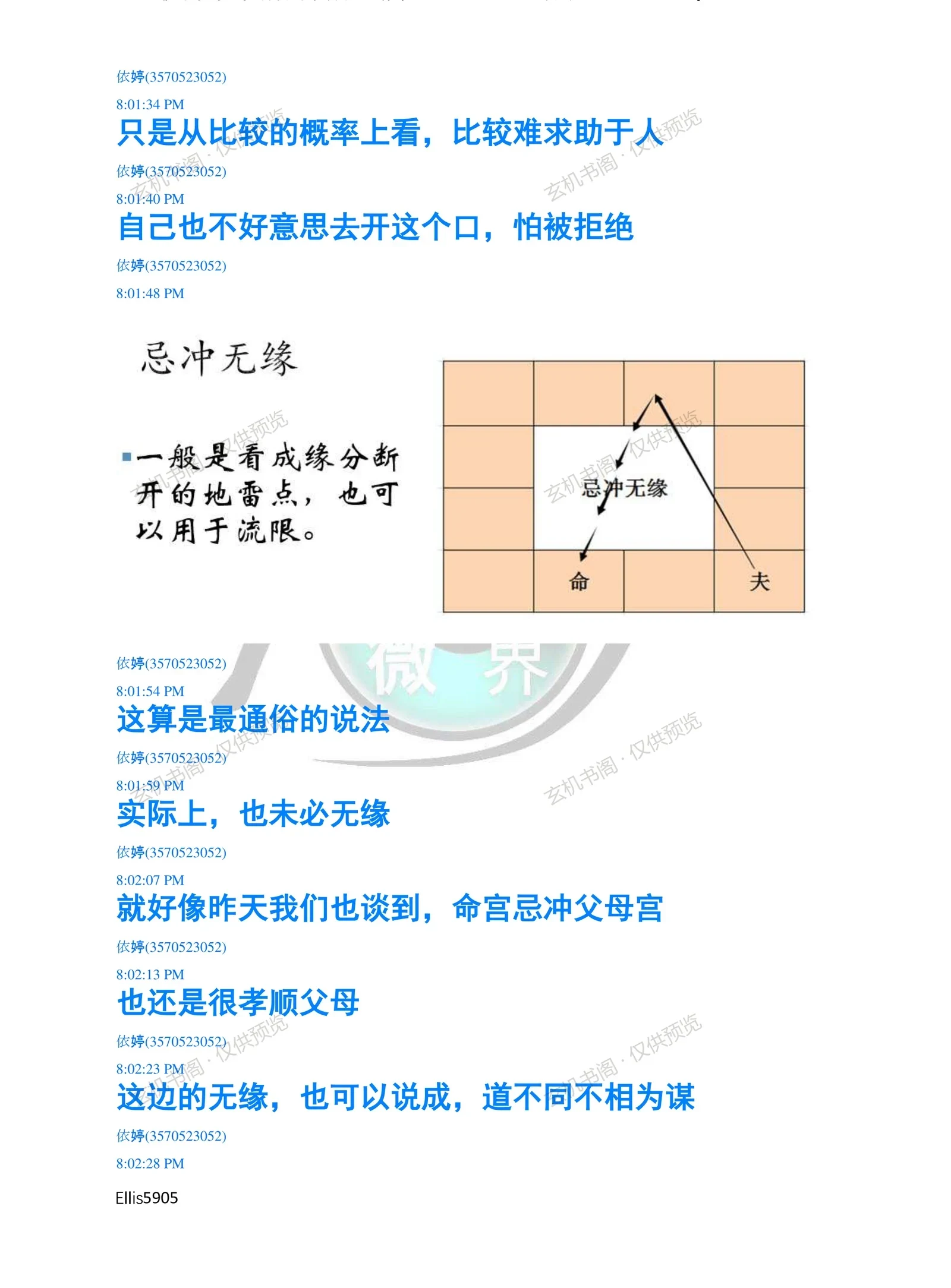
Ji clash and no affinity: Life, Spouse, and Parents palaces
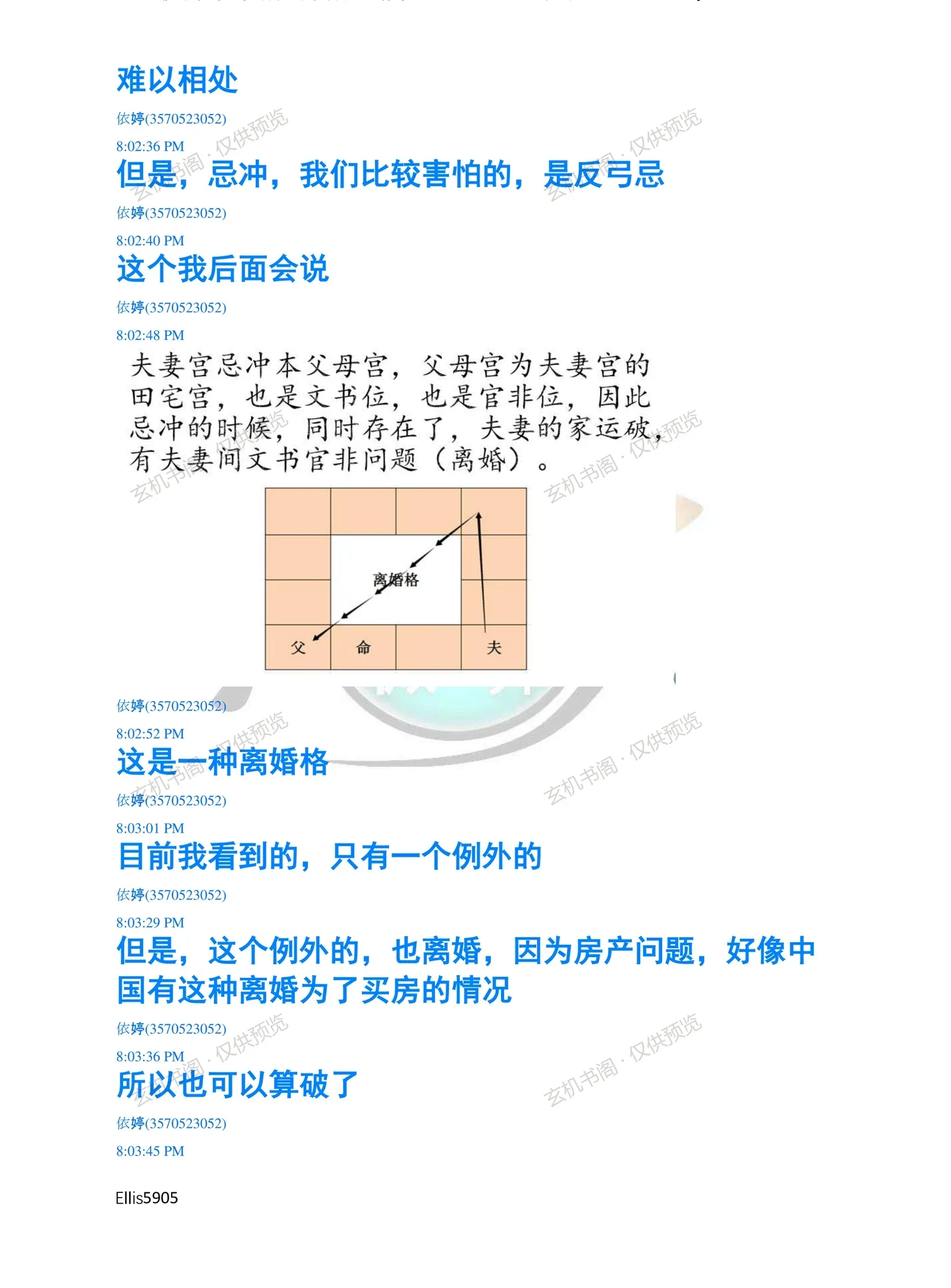
Spouse Palace Ji clashing Parents Palace and divorce patterns
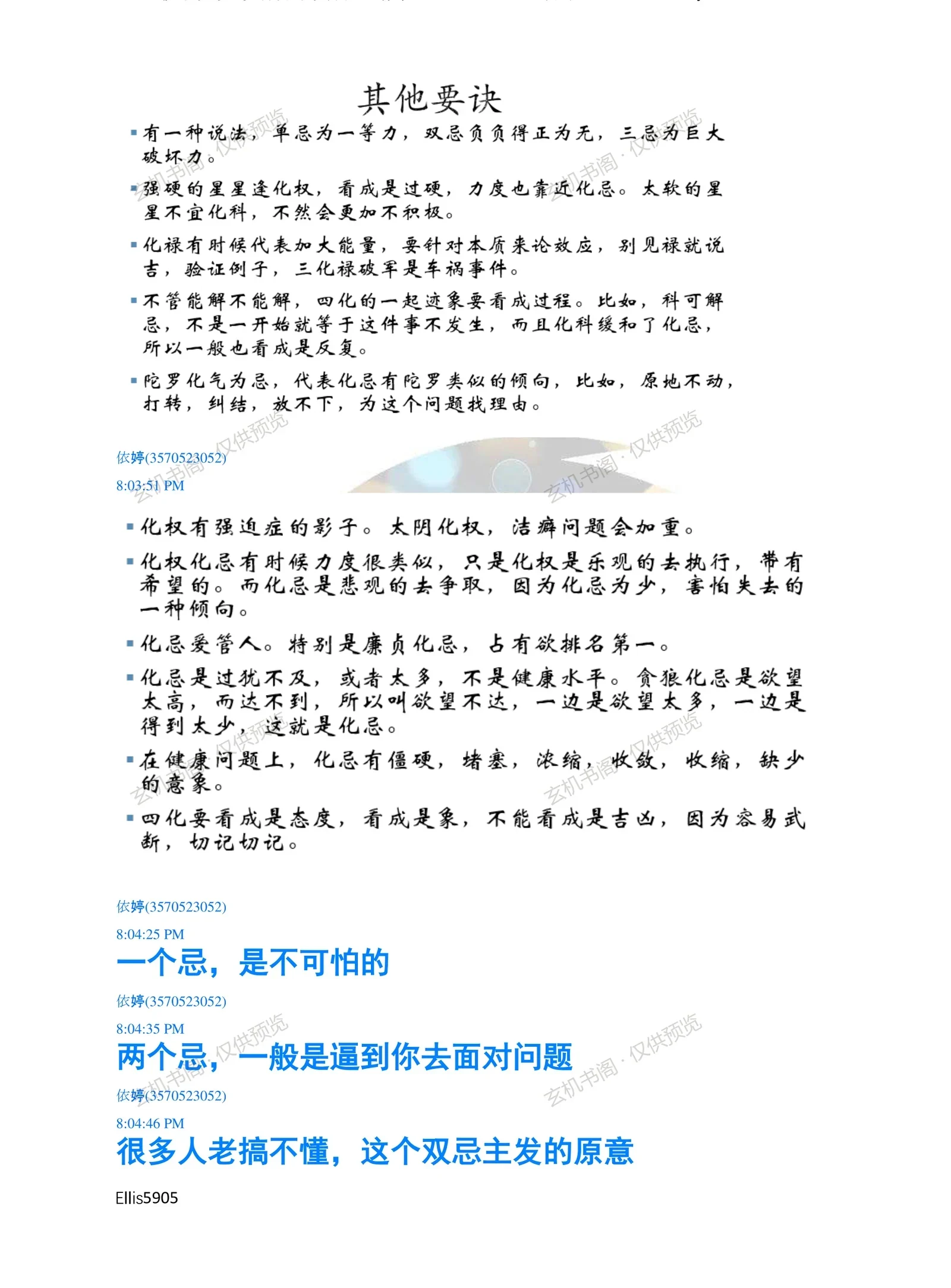
Other essentials: single, double, and triple Ji
Complex imagery when Lu, Quan, Ke, and Ji intersect
Key Points
Self-transformed Ji symbolizes withdrawal and rejection; Lu and Ke are gentler.
More than six self-transformed Ji in the natal chart suggests a hard life and difficulty seeking help.
Ji clashes are often read as breaking points of affinity, also used in annual transits.
Spouse Palace Ji clashing the Parents Palace may indicate family disruption, legal issues, or divorce.
A single Ji is first-order force; double Ji may cancel out; triple Ji is highly destructive.
The Four Transformations should be read as attitudes and images, not simply as good or bad.