Reading guide
Content guideOverview
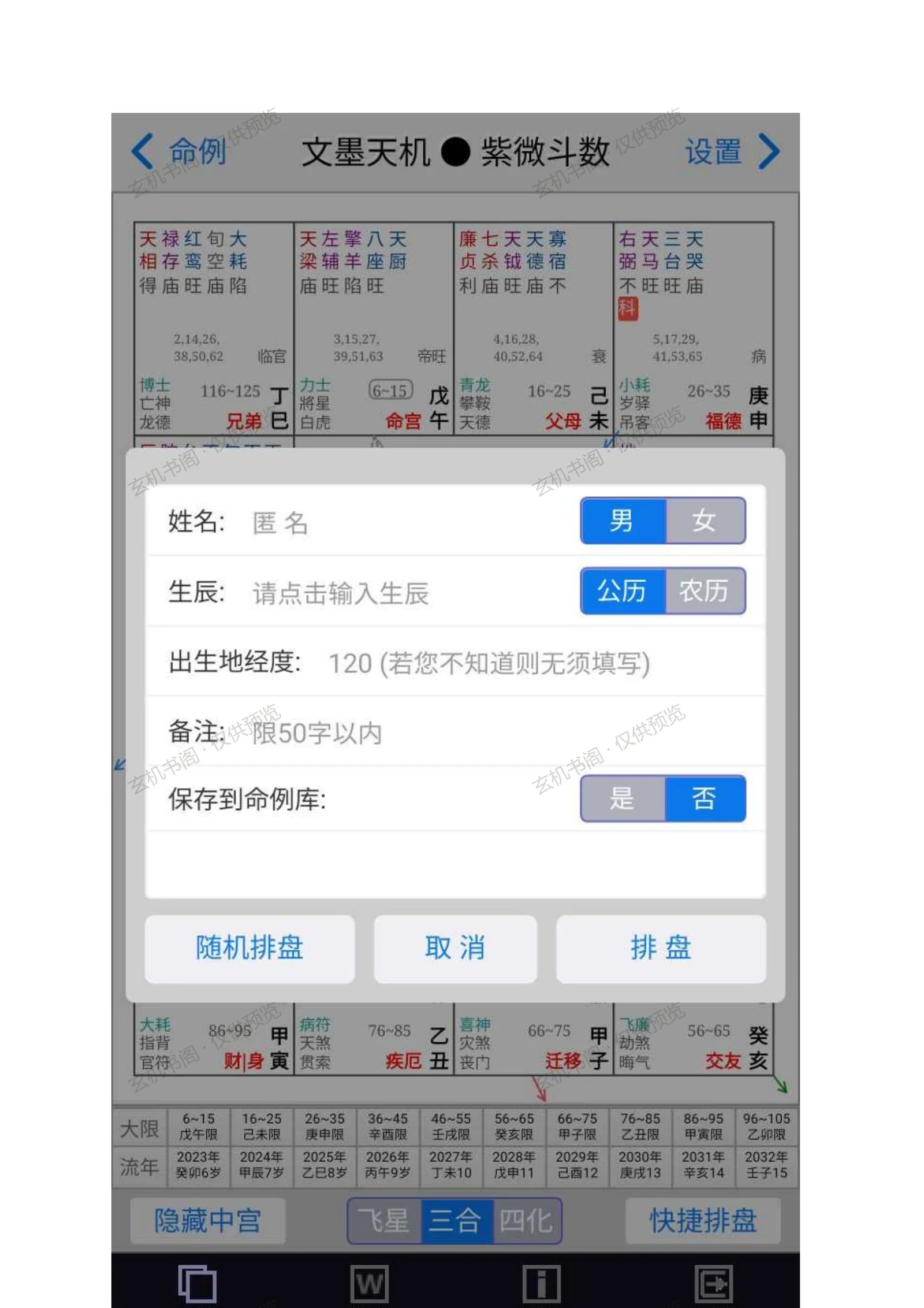
This volume records the first lesson of Yi Ting's 2018 Zi Wei Dou Shu systematic course. It opens with classroom chat in which students note that textbooks have not arrived and the teacher encourages them to ask questions freely. The lesson then moves to chart casting: students may practice the illustrated star-placement formulas on their own, while the class demonstrates software-based casting. Using the Wenmo Tianji app, the instructor shows the input screen for name, gender, lunar or solar birth date, birth longitude, and notes, followed by a sample chart. The main discussion concerns correcting birth time—true solar time matters mainly in large countries with unified time zones, and examples from Thailand, Yunnan, Xinjiang, and Sichuan illustrate the gap with Beijing time. The lesson stresses checking birth longitude, using Chengdu (104.06) and Guangzhou/Shenzhen as examples of time offset. It suits beginners who need to learn chart casting and time correction.
Contents
Opening remarks and classroom reminders
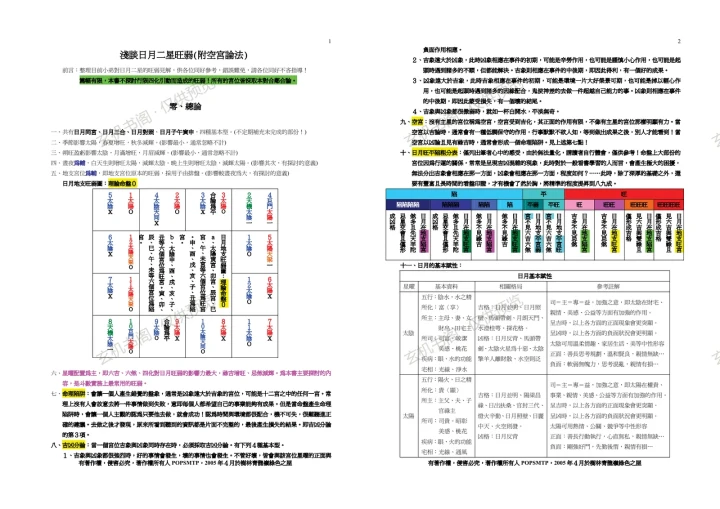
Starting from chart casting: star formulas and software
Wenmo Tianji app casting interface
True solar time and unified-time errors
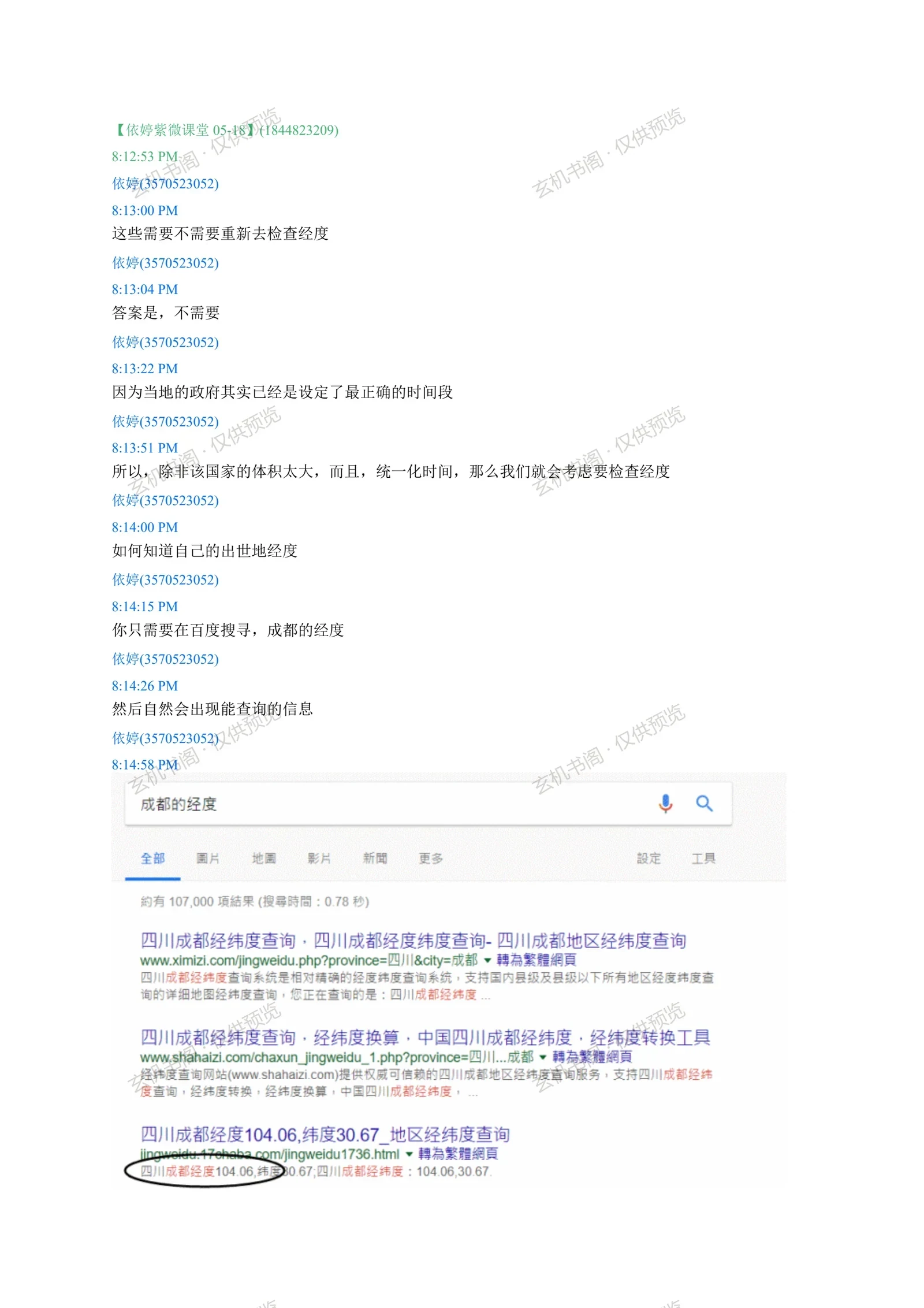
Looking up birth longitude and correcting time
Longitude examples: Chengdu, Guangzhou, Shenzhen
Key Points
The course starts with chart casting, covering both star-placement formulas and software.
The Wenmo Tianji app is used to demonstrate the full casting input flow.
True solar time correction matters mainly in large countries with unified time.
Birth longitude is key to accurate casting; Chengdu is about 104.06 E.
Guangzhou and Shenzhen run about half an hour off Beijing time.