Reading guide
Content guideOverview
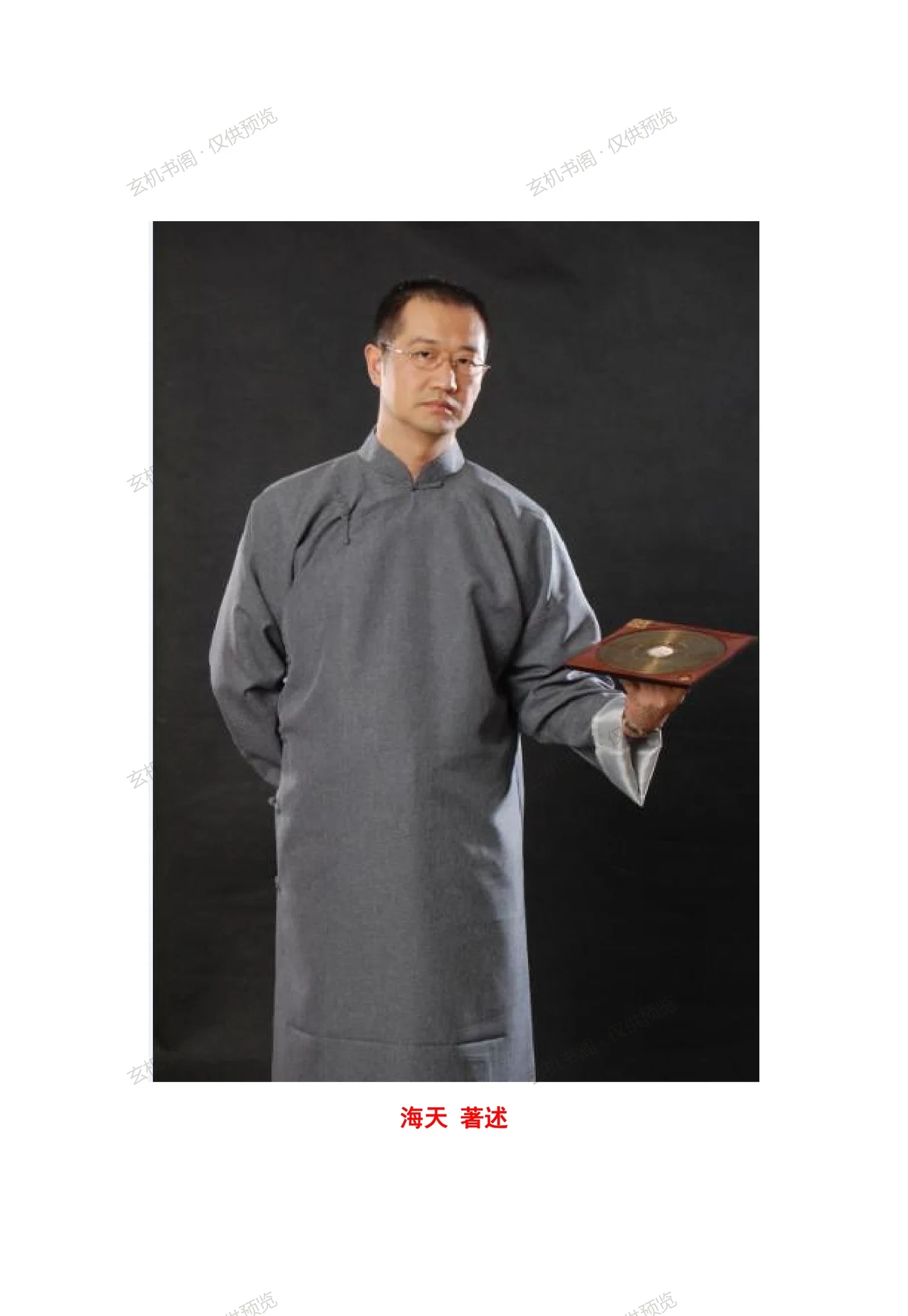
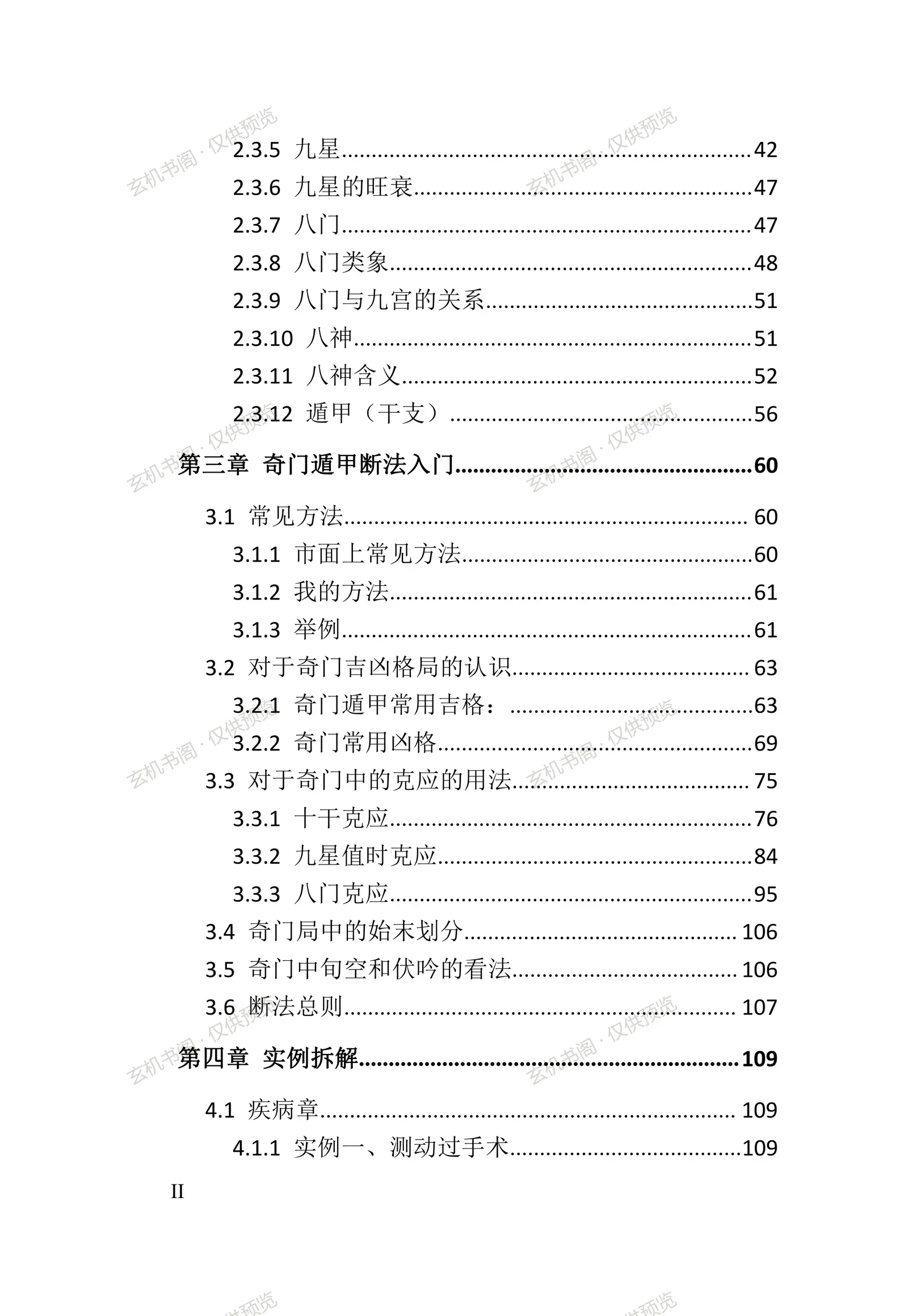
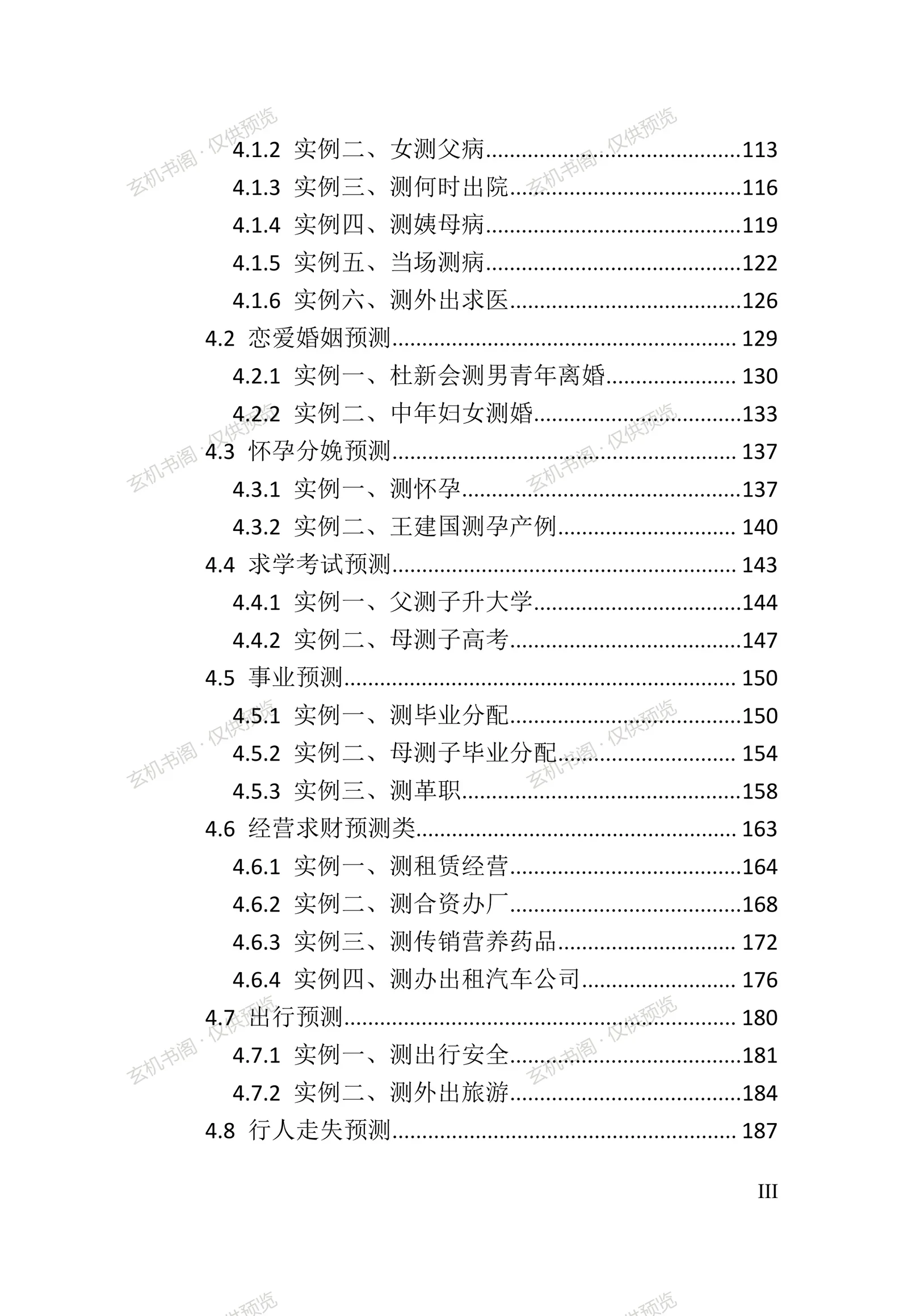
This book by Haitian (Wang Wenjie, also known as Tieguan Daoren) is a study of Qimen Dunjia arranged in four chapters. Chapter One covers the origins of Qimen Dunjia, its place among the Three Styles, its branches, structural principles, differences from other divination arts, study methods, and the use of intercalation and the Qimen chart table. Chapter Two explains the rotating-plate method of casting a chart: setting yin and yang dun, placing the nine palaces, three marvels and six instruments, and arranging the nine stars, eight gates and eight spirits, along with palm casting, the moving/flying plate styles, the symbolism of the nine palaces and trigrams, the prosperity and decline of the nine stars, the eight gates and the eight spirits. Chapter Three enters judgment, discussing common methods, auspicious and inauspicious patterns, the responses of the ten stems, the nine stars, and the eight gates, the division of beginning and end, void and repeated-palace conditions, and general rules. Chapter Four works through cases on illness, marriage, pregnancy, examinations, career, business and finance, travel and missing persons.
Contents
Ch.1 Preliminaries: origins, branches, structure and chart use
Ch.2 Foundations: rotating-plate casting, palm casting, stars, gates and spirits
Ch.3 Judgment: patterns, ten-stem responses, star and gate responses
Ch.4 Case studies: illness, marriage, pregnancy, exams, career, finance and more
Key Points
Uses the rotating-plate Qimen system, covering yin/yang dun and the nine palaces
Includes palm casting and quick chart methods for on-the-spot use
Summarizes common auspicious and inauspicious patterns and stem, star and gate responses
Demonstrates judgment through cases on illness, marriage, career, finance and travel