Reading guide
Content guideOverview
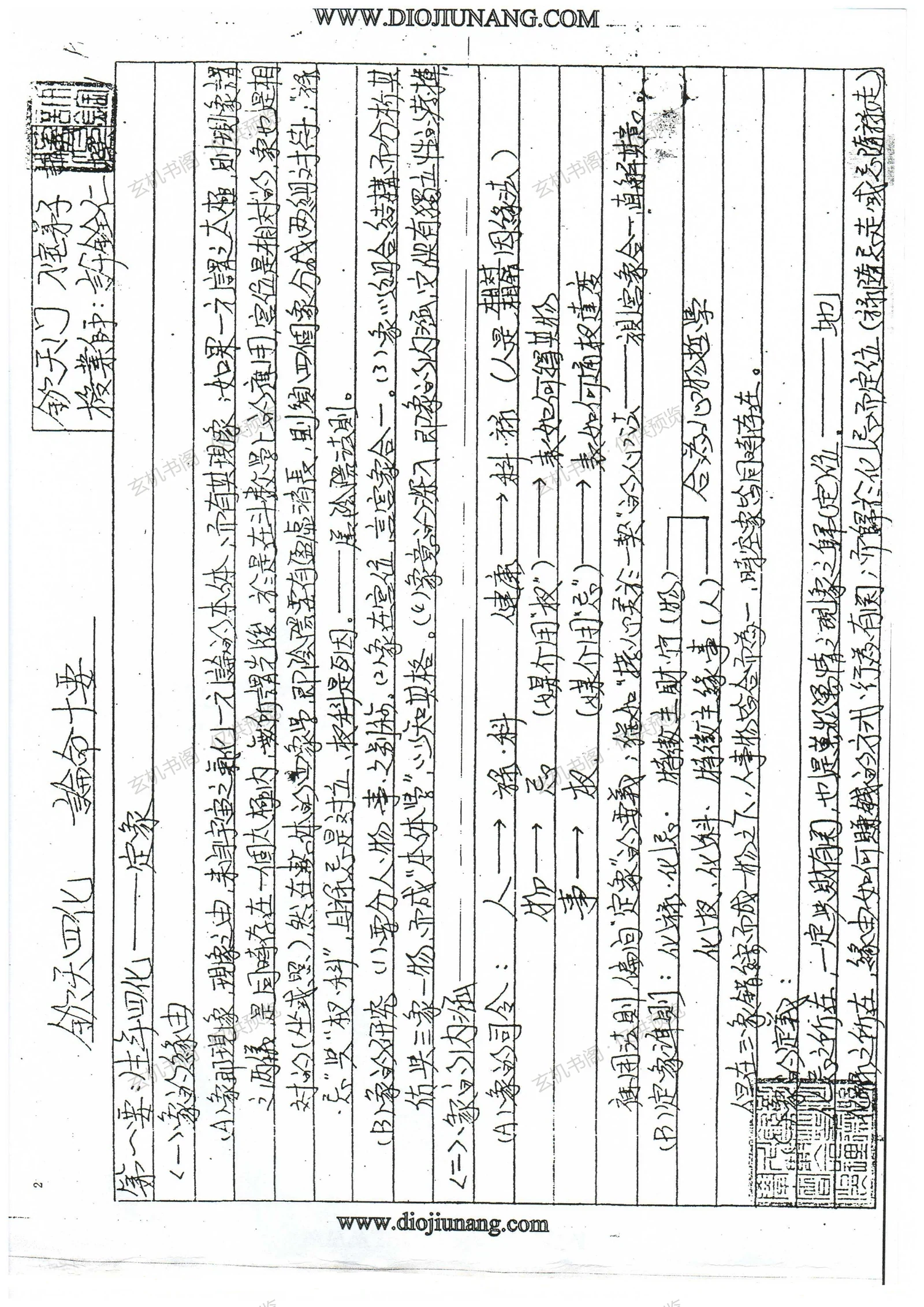
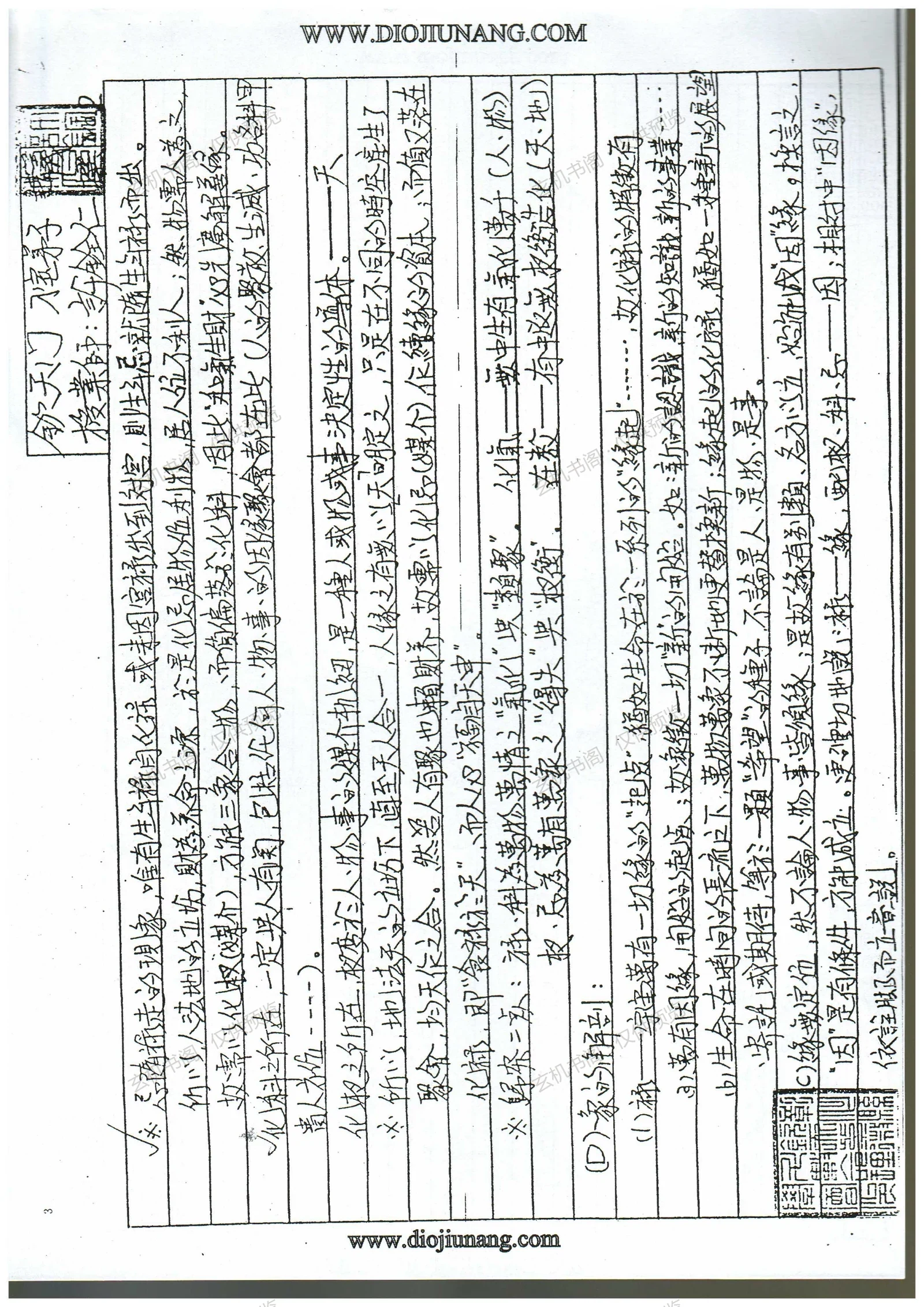
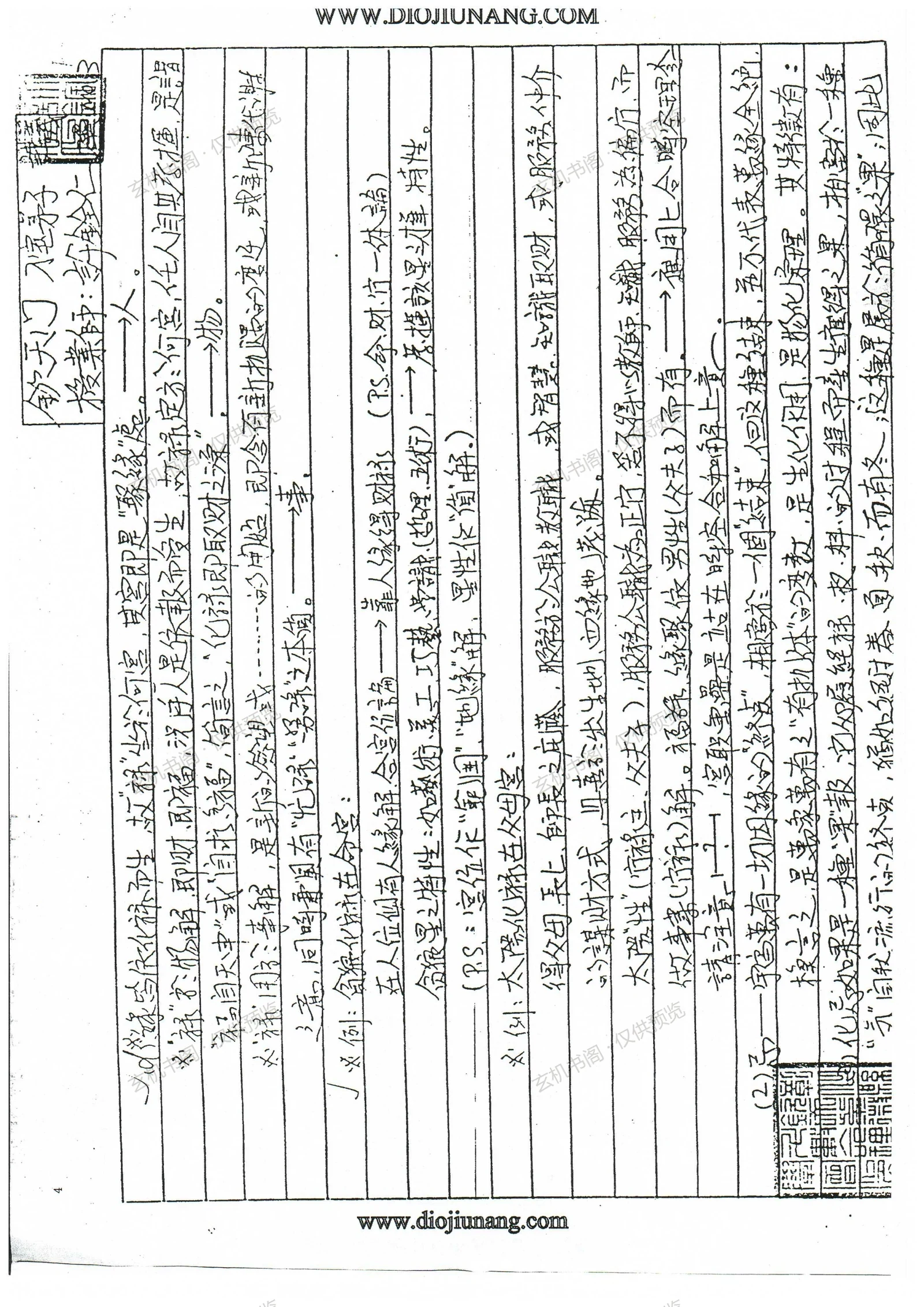
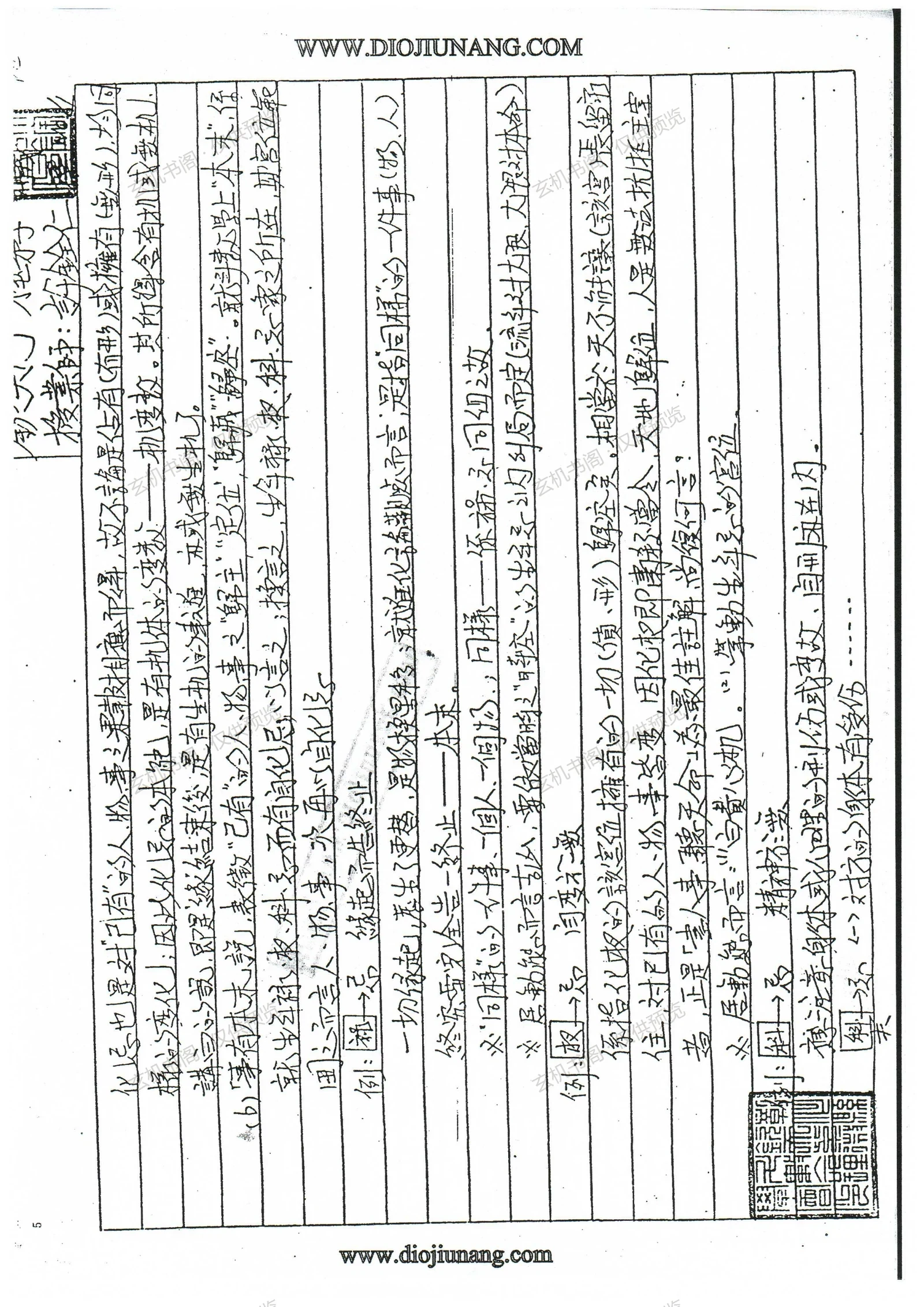
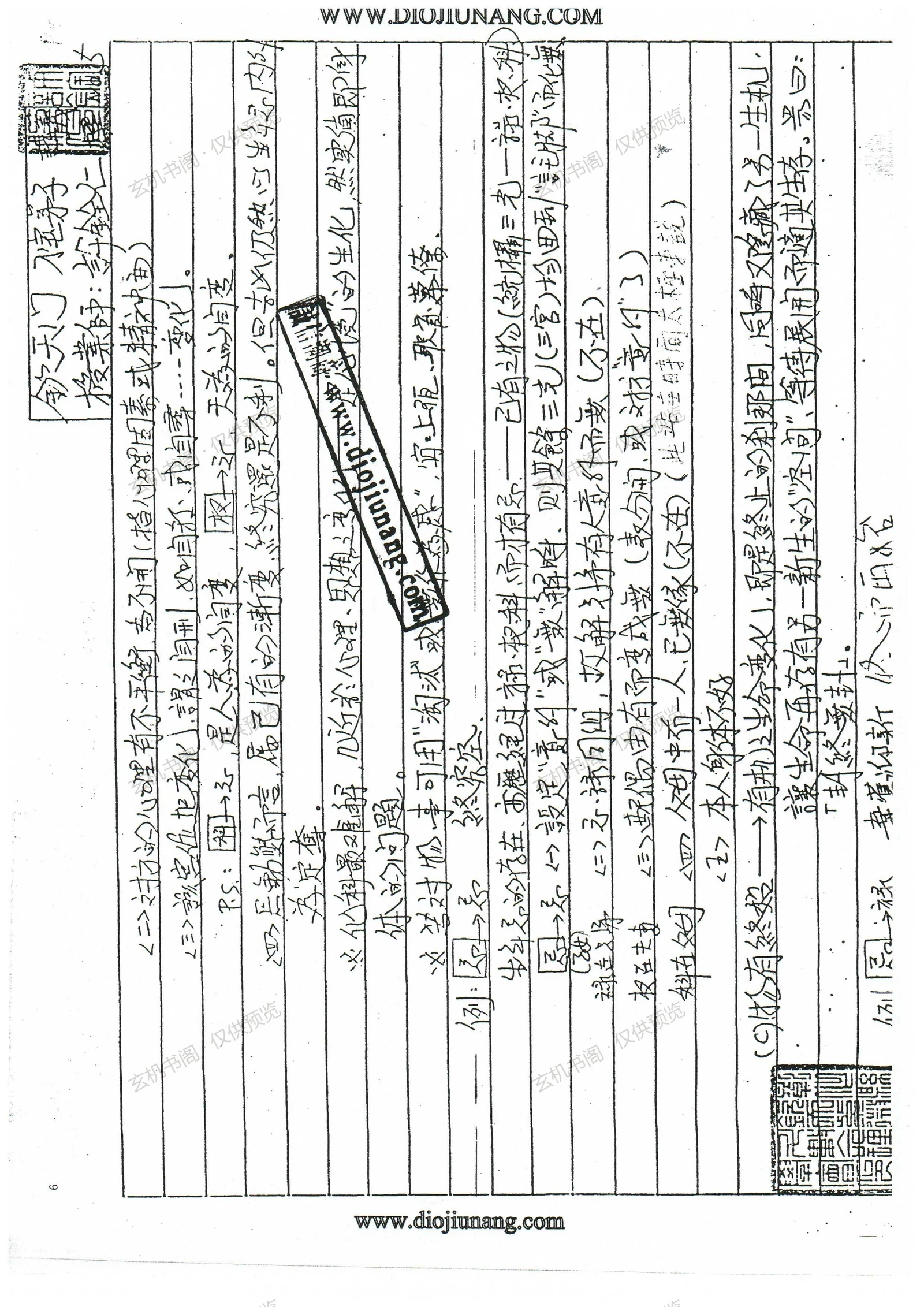
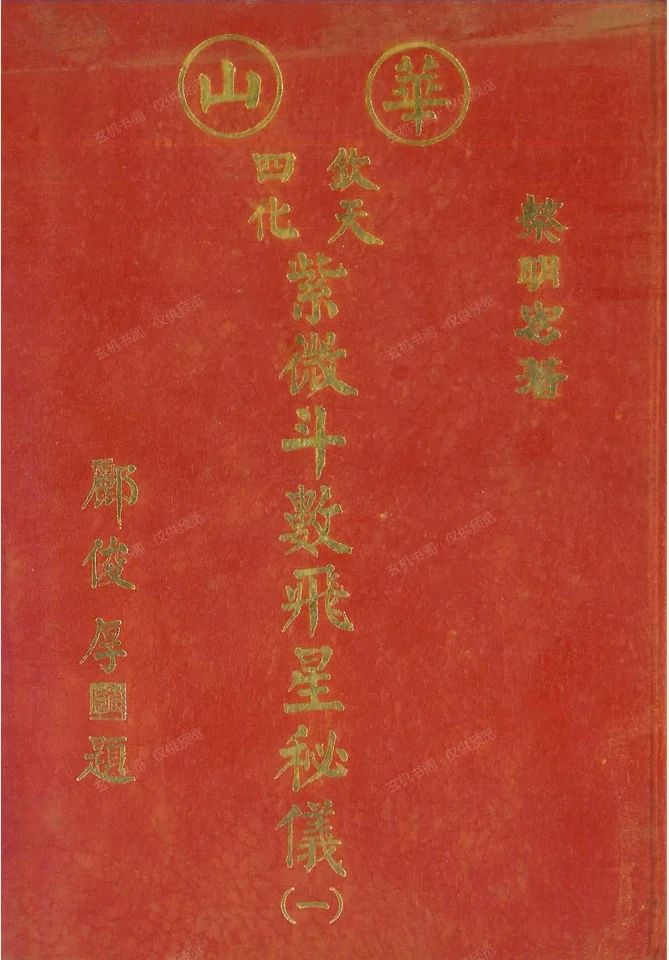
These are lecture notes from an advanced class on Xin Tian Four Transformations Flying Star Zi Wei Dou Shu, titled on the cover with the author Xu Quanren. The handwritten text is organized around the 'Ten Essentials of Fate Reading,' beginning with 'defining the image': in Zi Wei Dou Shu, events are read through images, which have substance and function and must be anchored to a definite point and track. The notes distinguish innate images, acquired images, and acquired moving images, corresponding to the natal chart, major decade, and annual cycle, and explain how a single palace's four transformations extend to the three directions and four positions to judge people, events, property, career, and fortunes. Traditional frameworks such as Taiji, Liangyi, Sancai, Sixiang, Five Phases, Six Relatives, Seven Stars, Eight Trigrams, Nine Palaces, and Ten Stems are woven in, along with demonstrations of how transformation lu, quan, ke, and ji arise and circulate. The style is classroom board work: concise, systematic, but dense, suited to readers who already know basic Zi Wei Dou Shu and wish to go deeper into the Xin Tian flying-star system.
Contents
Cover title and author
Defining the image: substance, function, and three layers
Taiji, Liangyi, Sancai, Sixiang, Five Phases framework
Natal, decade, annual, and monthly palace correspondences
Worked examples of flying stars and the three directions
Transformation lu, quan, ke, ji in principle and image
Key Points
Events are read through images that need substance, function, and a fixed point.
Three layers: innate image, acquired image, acquired moving image, matching natal, decade, and year.
Substance and function link one palace's four transformations to the whole chart.
Transformation lu, quan, ke, and ji are the core tools of flying-star analysis.
Handwritten lecture style is concise and requires basic concepts to follow.