Reading guide
Content guideOverview
This book is the fifth volume of Liu Jinfu's "Mind-Study Dou Shu" series, devoted to the flying-palace method within the four-transformations system of Zi Wei Dou Shu. In the preface the author explains that his earlier lecture notes on the "eighteen flying-palace methods" left some principles unclear, and that familiar market terminology had distorted his intended meaning, so he rewrote the material and integrated two earlier chapters. Using the "dragon vein" image from classical geomancy texts, he treats the transformations issued from a cause palace as a dragon winding through the chart, and builds a framework of four dragons (primary, companion, side, branch) and four pulses (ring, return, hidden, submerged) for analyzing the twelve causes of flying palaces. The book stresses a sequence: learn the four transformations, then self-transformation, then flying palaces, and includes a worked chart example.
Contents
Preface: why the flying-palace method was rewritten
Self-transformation speaks of presence; flying palaces speak of causes
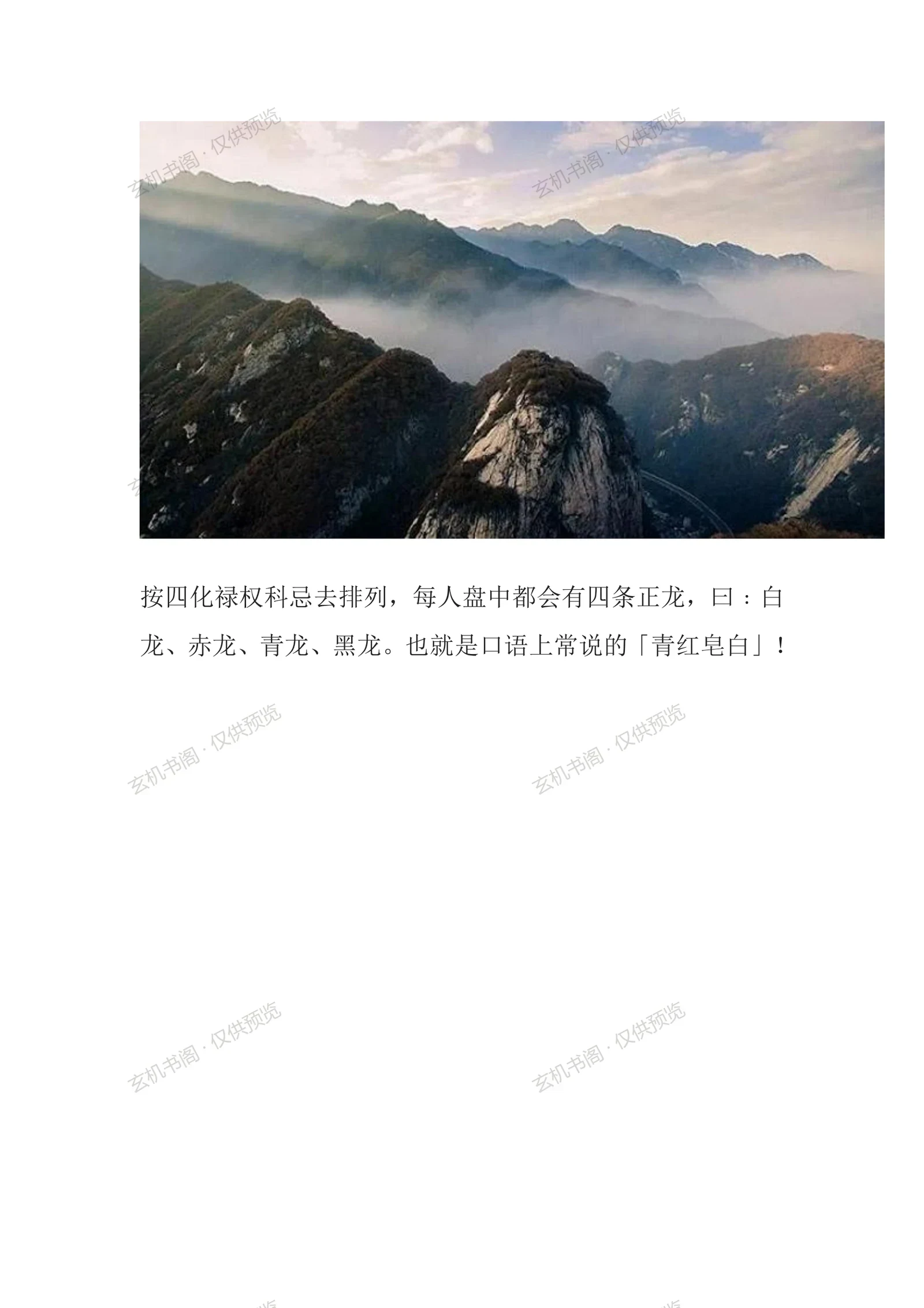
The dragon-vein metaphor from the Snow-Heart Rhapsody
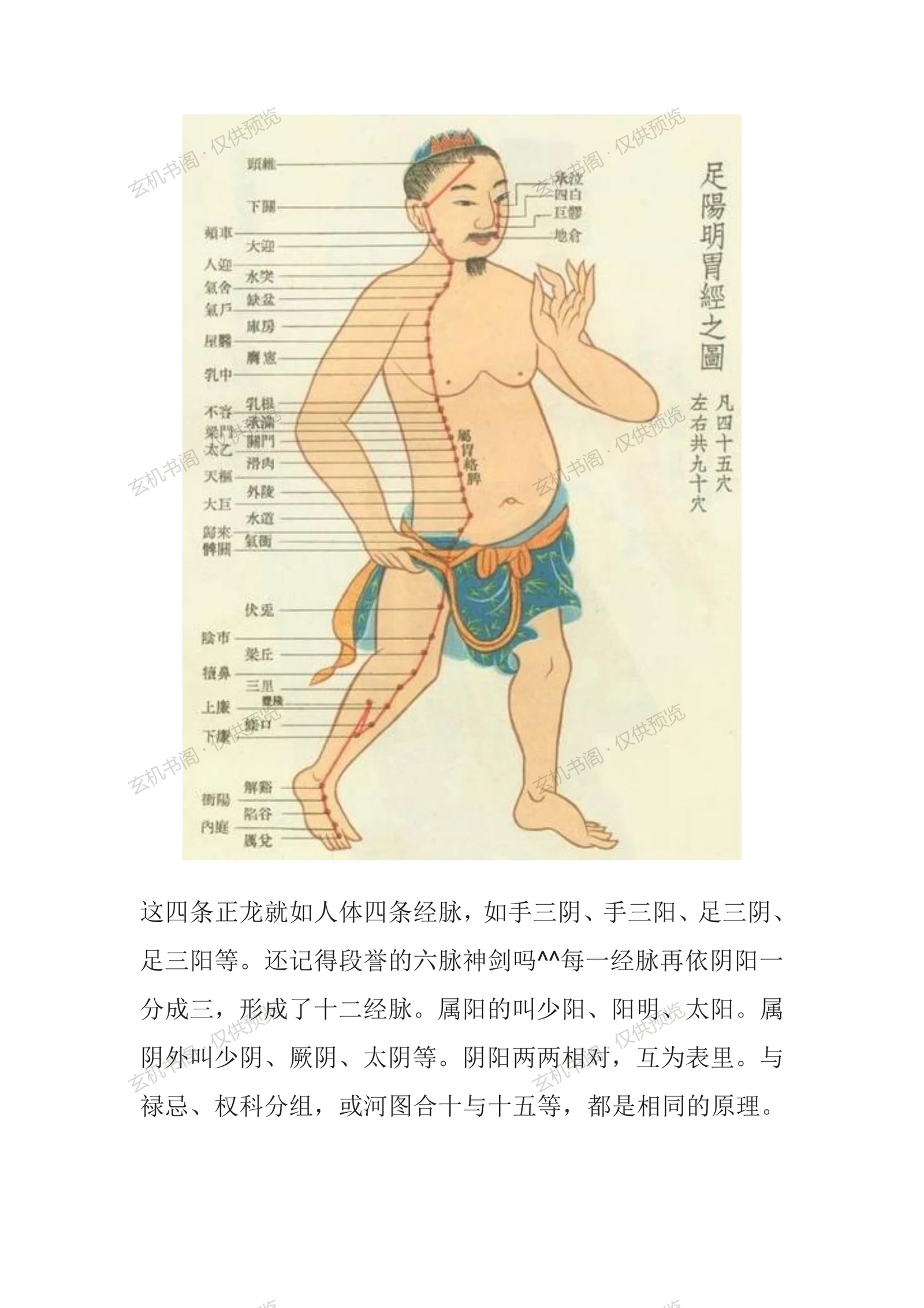
Four primary dragons: white, red, green, black
Four dragons: primary, companion, side, branch
Four pulses: ring, return, hidden, submerged
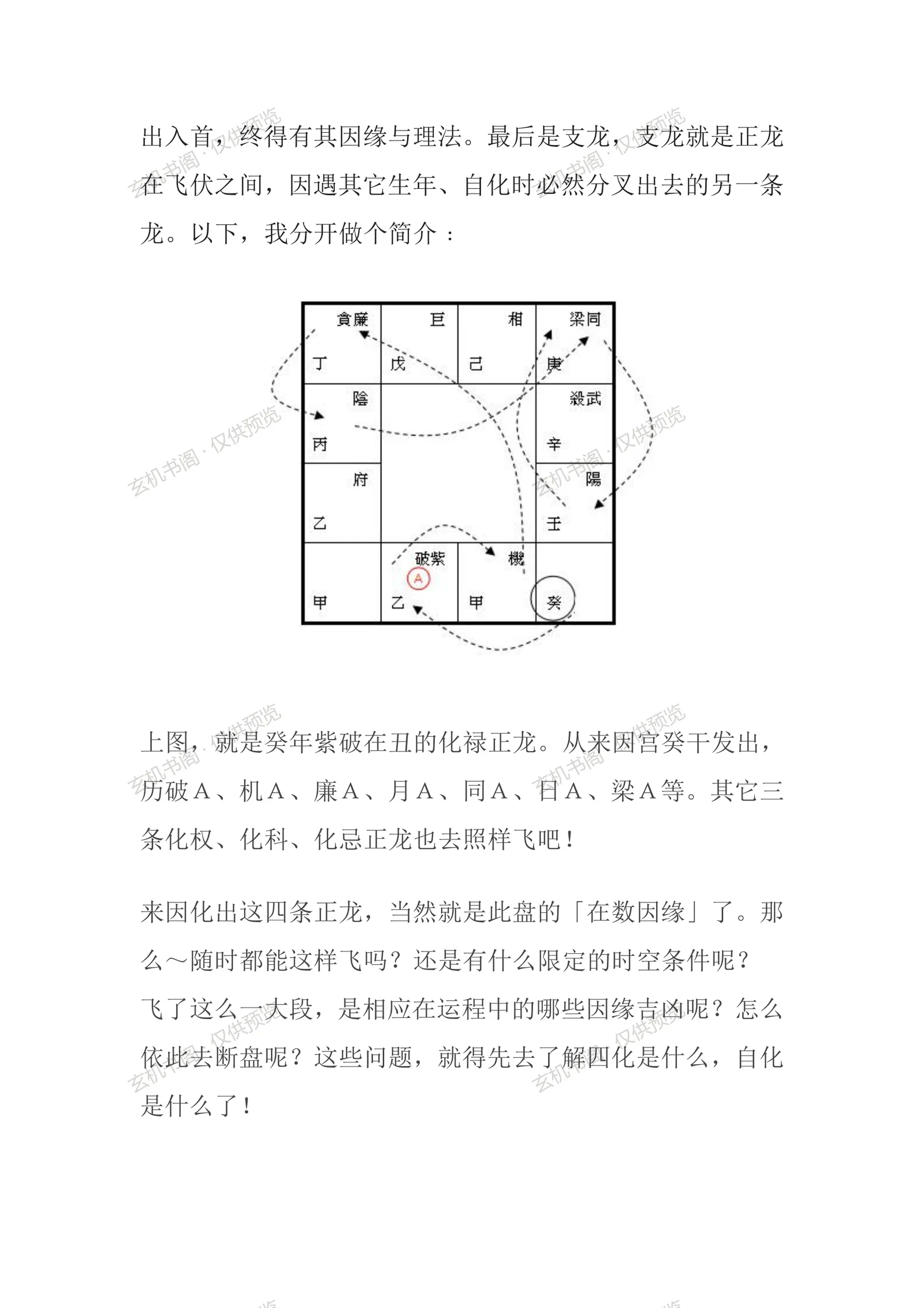
Worked example: gui-year chart with lu transformation dragon
Key Points
Self-transformation asks whether something exists; flying palaces trace causes and consequences.
The dragon-vein metaphor maps transformation paths onto palace sequences.
Four dragons distinguish primary, companion, side and branch lines of flight.
Four pulses describe how the flying path behaves across the chart.
The author insists on order: transformations, then self-transformation, then flying palaces.