Reading guide
Content guideOverview
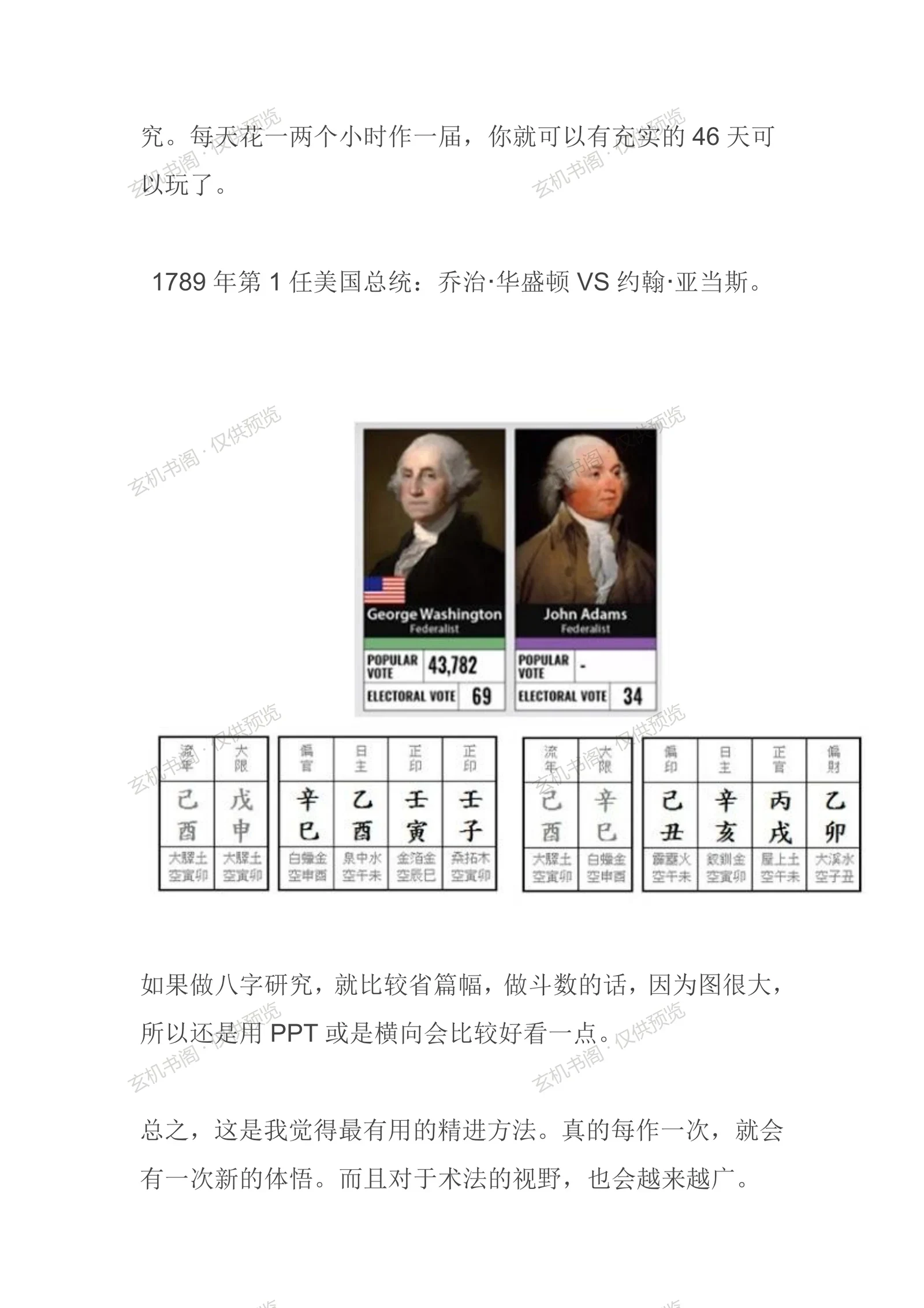
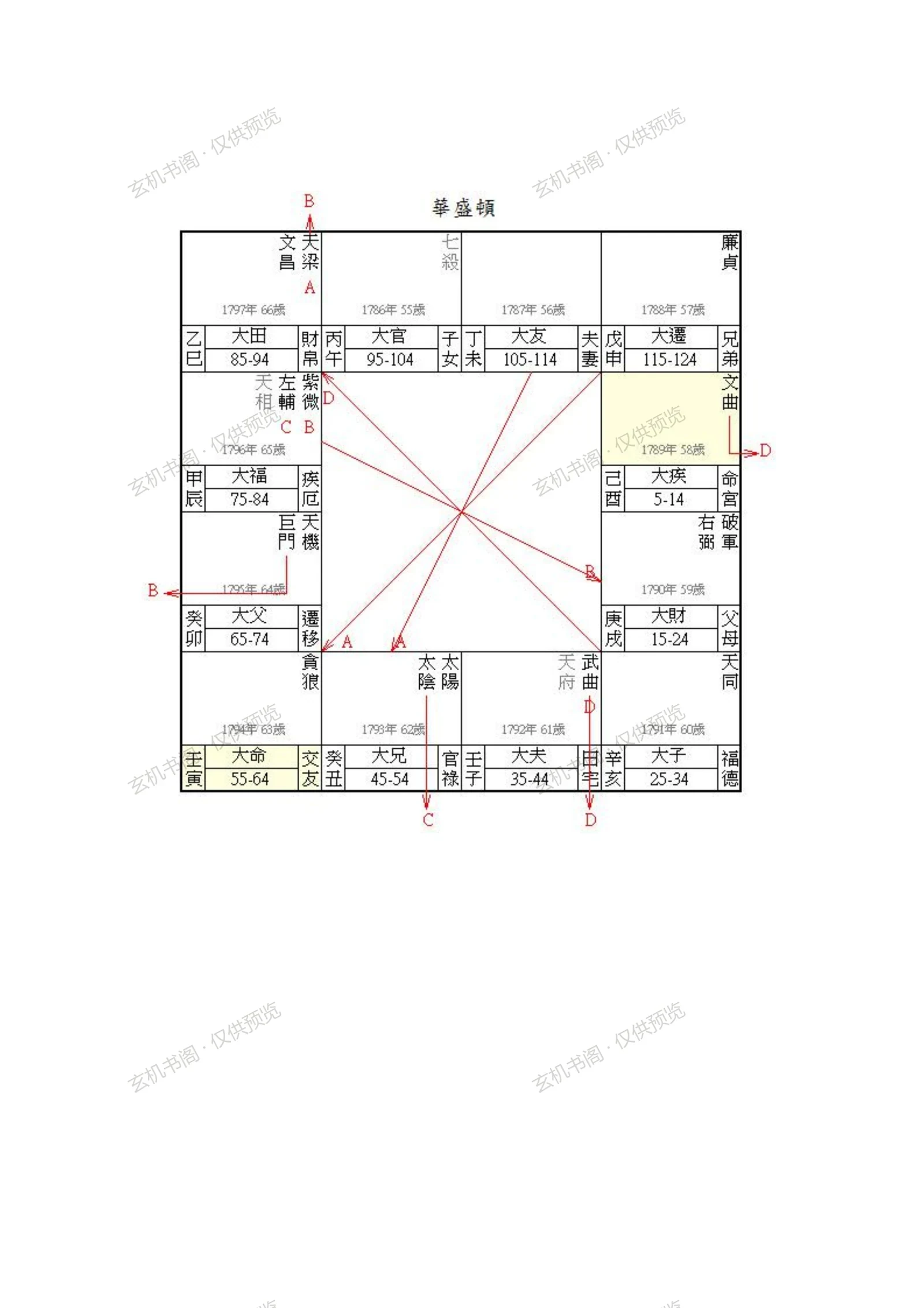
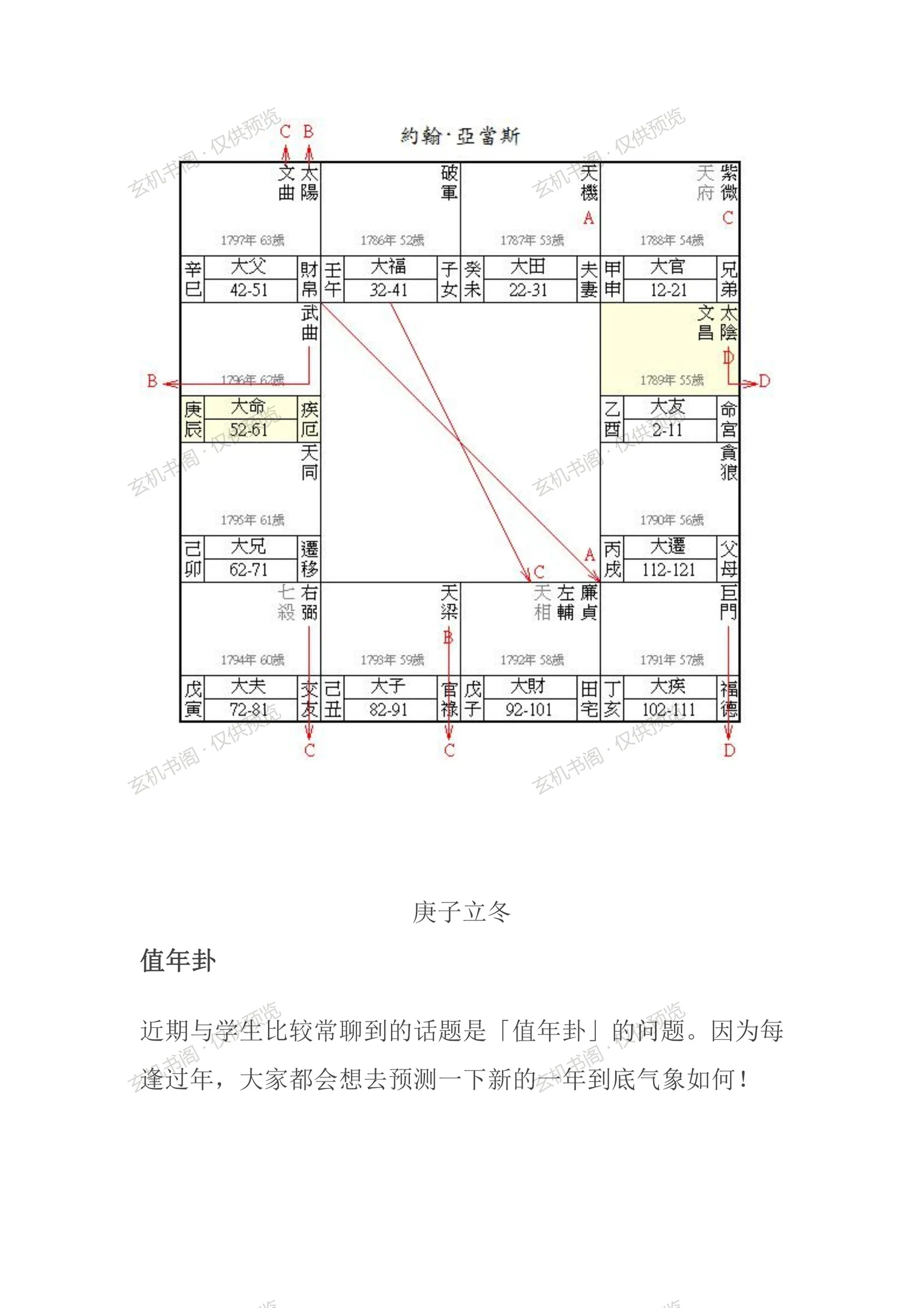
This short volume collects Liu Jinfu's recent notes on advancing divination skills through project-based study. He suggests gathering well-documented case charts from databases such as astro.com, using famous people and twin studies for verification. A worked example compares George Washington and John Adams in the 1789 U.S. presidential election, showing both Four Pillars BaZi charts and Zi Wei Dou Shu natal charts side by side, with practical remarks on layout when presenting large astrological charts. The later sections turn to the yearly hexagram (zhi nian gua) topic, explaining Shao Yong's Huangji Jingshi cycle of yuan, hui, yun and shi, the twelve-and-thirty layered hexagram assignment, and how the sixty hexagrams (excluding Qian, Kun, Kan and Li) are allocated to value-hui, value-yun, middle-yun and yearly hexagrams, illustrated with the Gengzi year calculation.
Contents
Project research: charting famous cases
U.S. election example: Washington vs. Adams
BaZi pillars compared with Zi Wei charts
Gengzi winter and the yearly hexagram
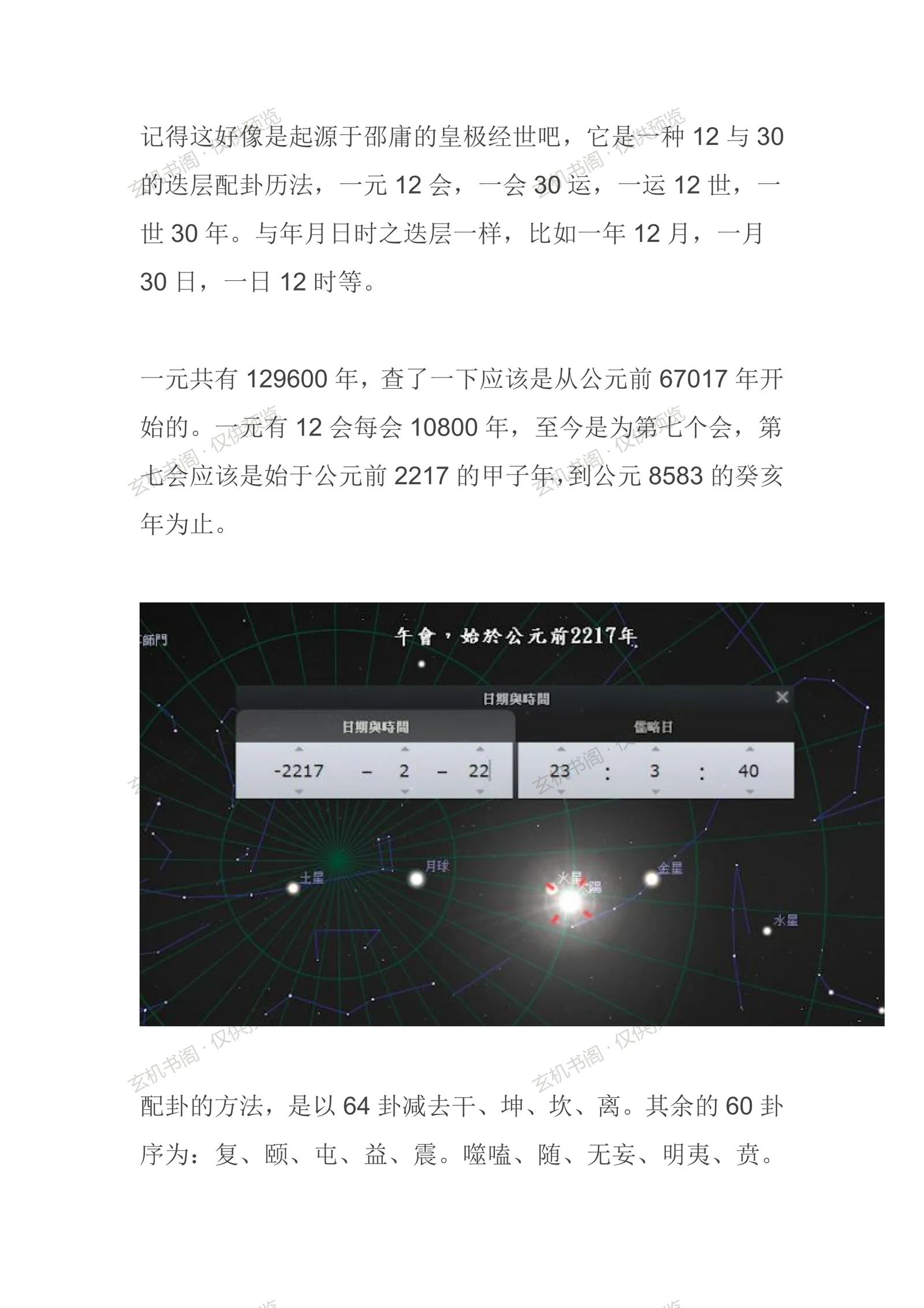
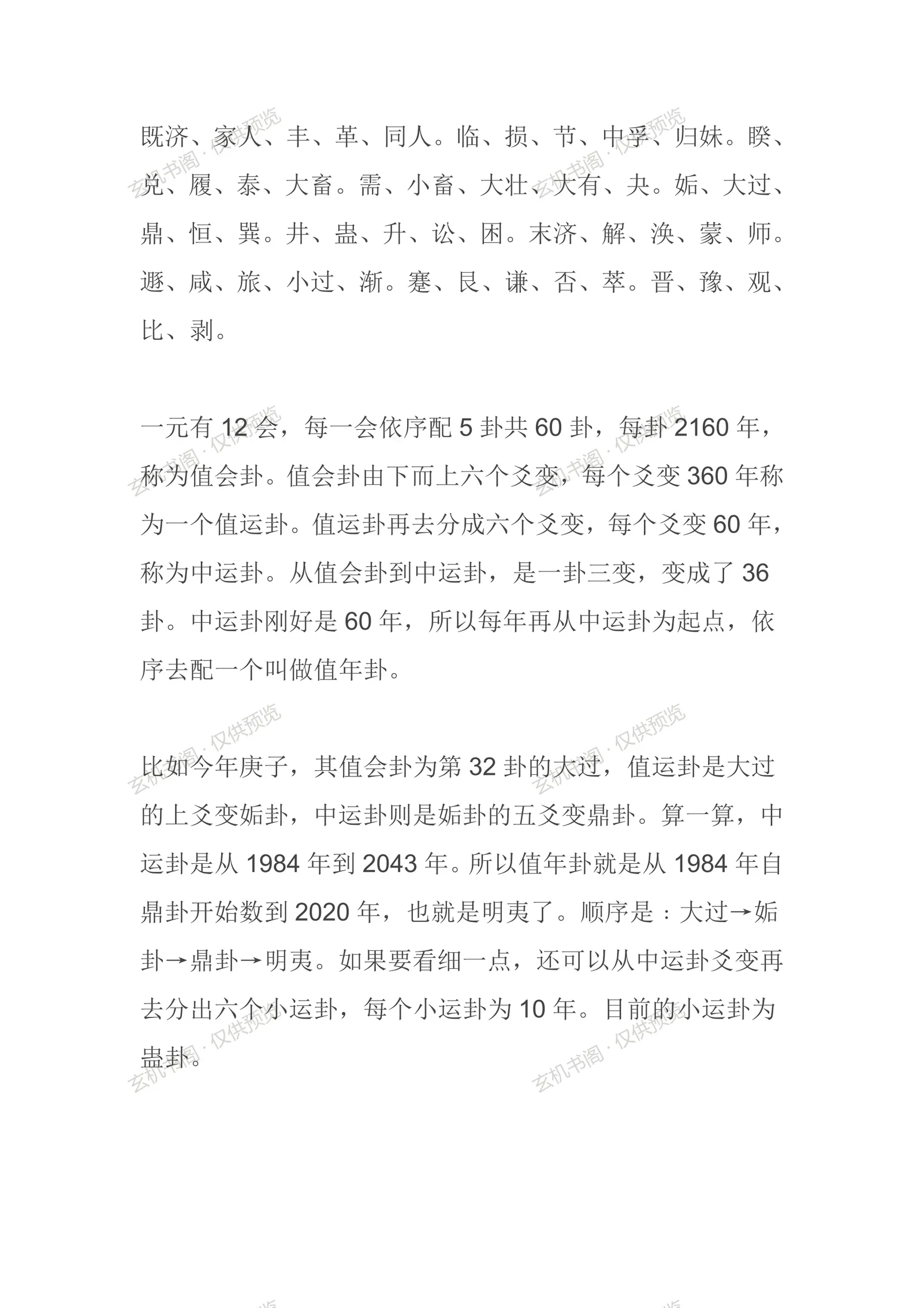
Huangji Jingshi yuan-hui-yun-shi system
Deriving value-hui, value-yun, middle-yun and yearly hexagrams
Key Points
Advocates project-based study with hundreds of verified charts
Demonstrates BaZi and Zi Wei analysis via a U.S. election case
Notes that large Zi Wei charts are best shown in landscape or slides
Yearly hexagrams derive from Shao Yong's Huangji Jingshi cycles
Sixty hexagrams are layered into hui, yun, middle-yun and yearly values