Reading guide
Content guideOverview
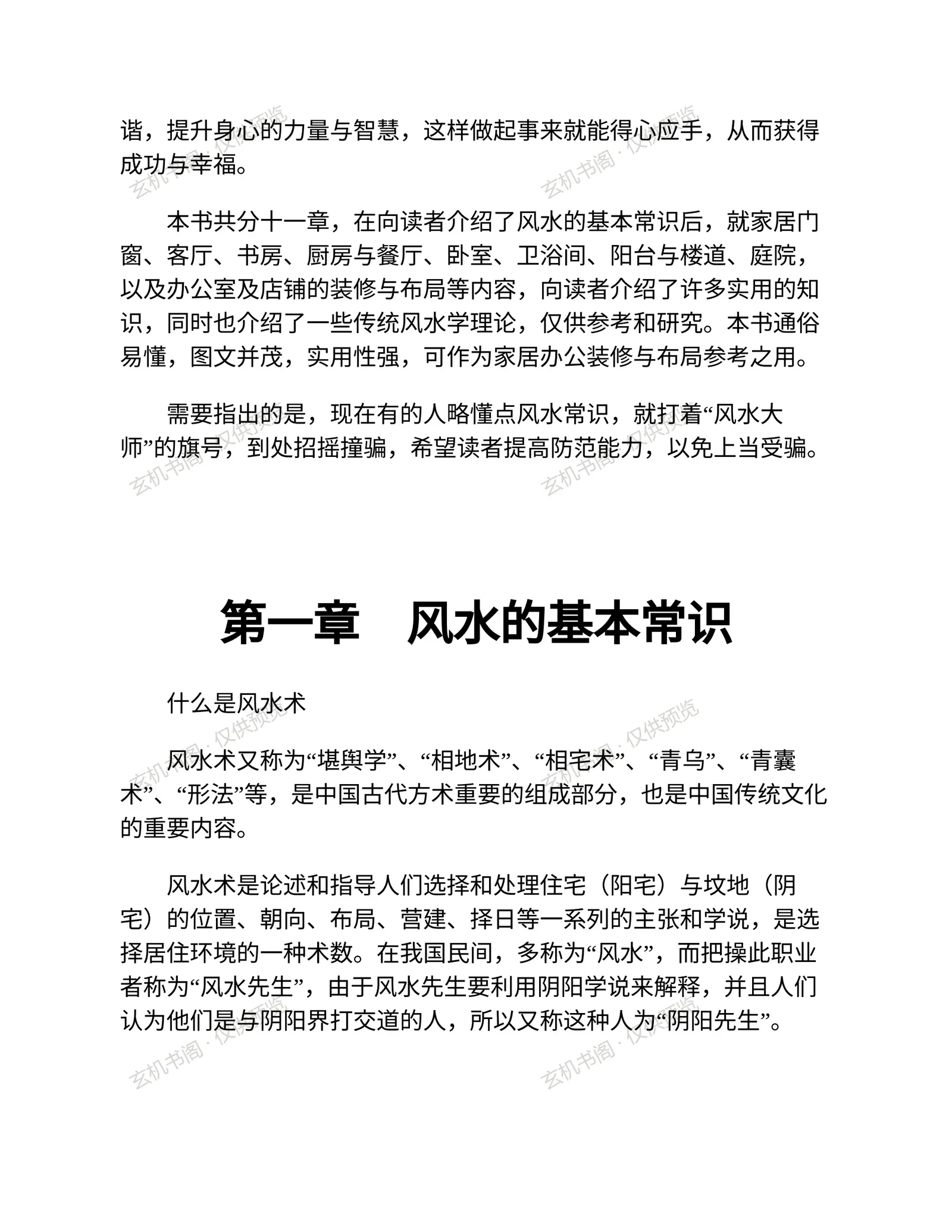
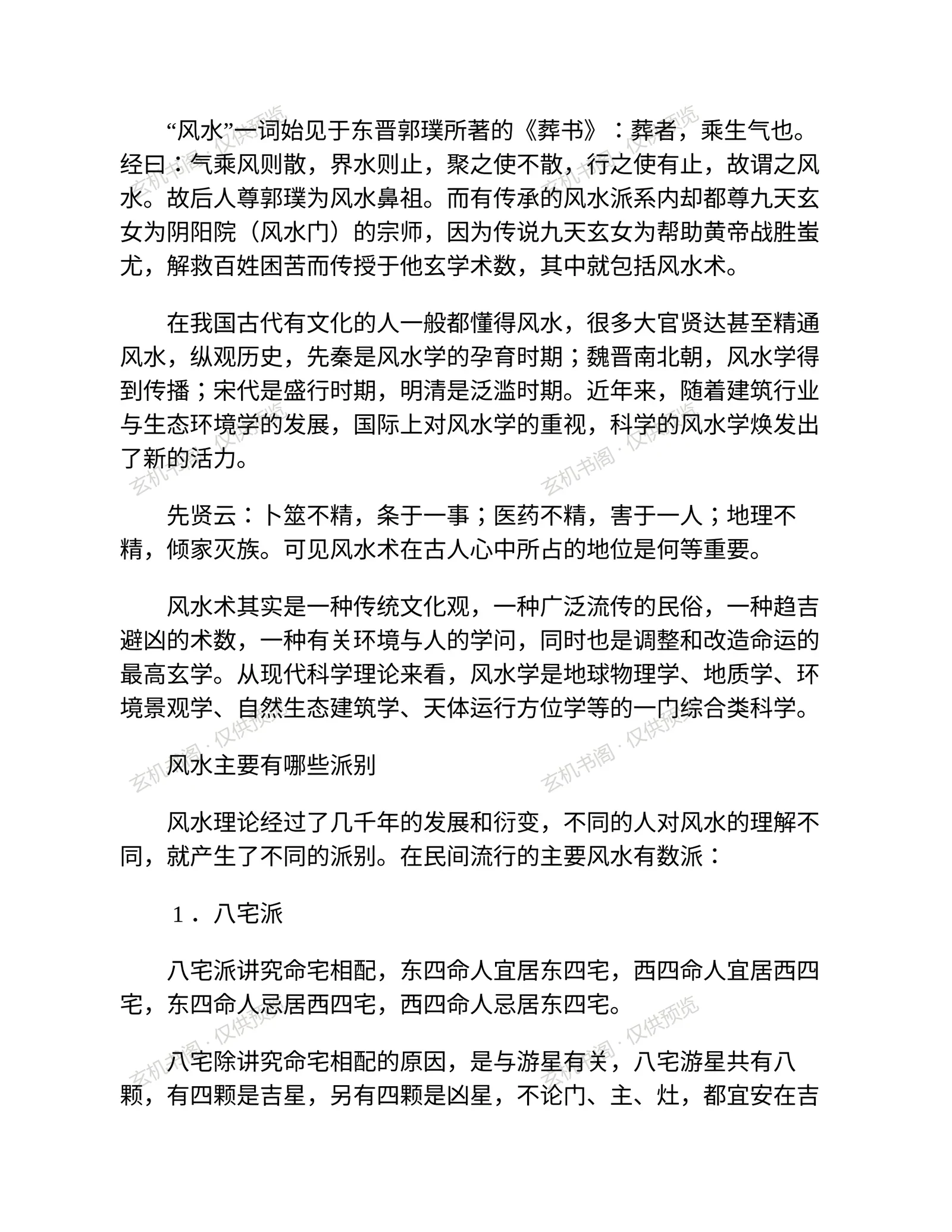
Edited by Xie Haidong, this eleven-chapter book applies traditional feng shui ideas to modern home and office design. The preface cites the Classic of the Yellow Emperor's Homestead to argue that a settled dwelling shapes fortune, and frames feng shui as an interdisciplinary study of people and their environment. Chapter one surveys the basic vocabulary and history of feng shui, from Guo Pu's Book of Burial and the origin of the term to the Eight Mansions school and its east/west four-mansion groupings. Later chapters move through doors and windows, living rooms, studies, bedrooms, kitchens and dining rooms, bathrooms, balconies and corridors, courtyards, and finally offices and shops, closing with a chapter on feng shui ornaments and placement. It is positioned as an accessible, illustrated reference for planning a renovation.
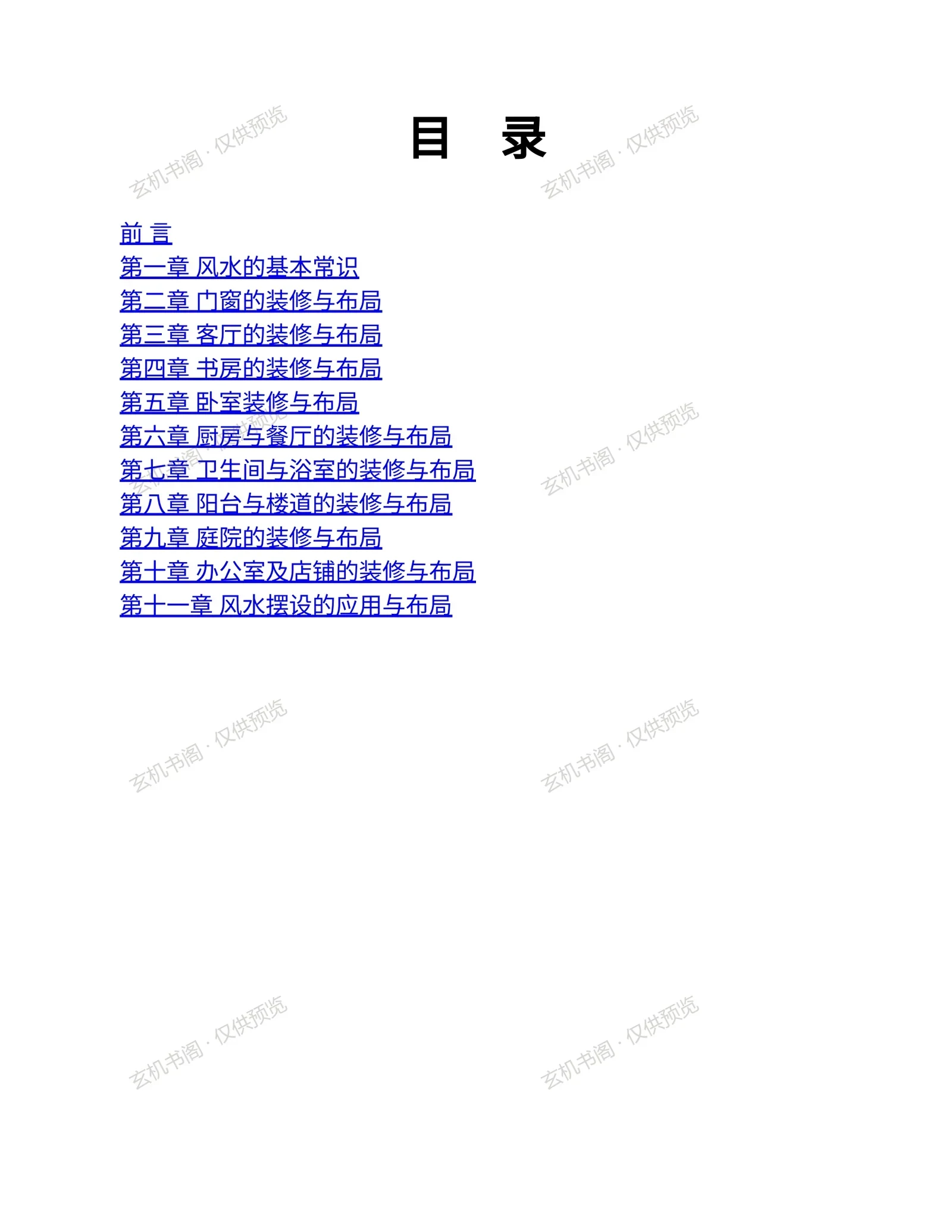
Contents
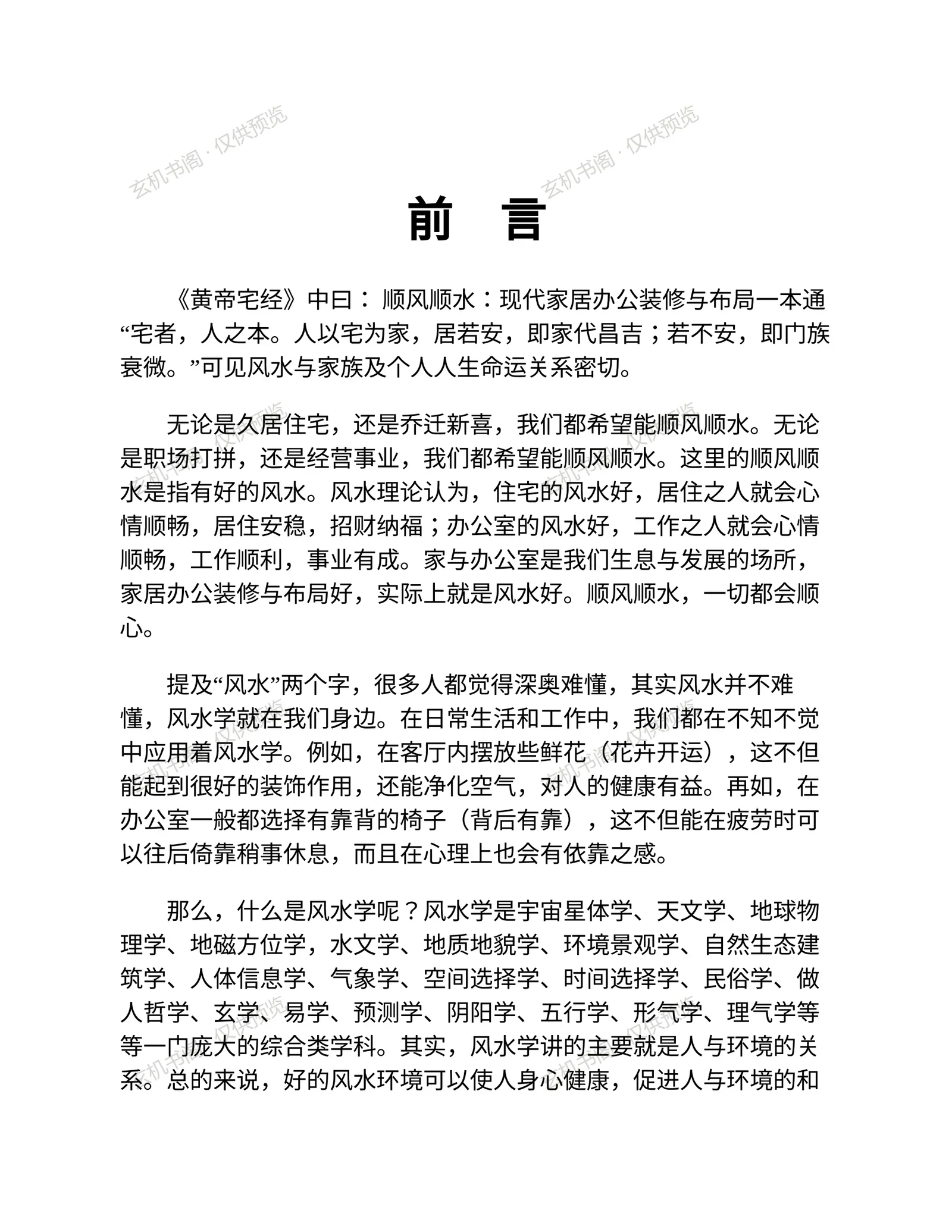
Preface: the dwelling as the root of life
Ch.1 Basic knowledge and schools of feng shui
Ch.2 Doors and windows
Ch.3 Living rooms
Ch.4 Studies
Ch.5 Bedrooms
Ch.6-9 Kitchen, bath, balcony, courtyard
Ch.10-11 Offices, shops and ornaments
Key Points
Grounds the argument in the Classic of the Yellow Emperor's Homestead
Treats feng shui as the study of people and environment
Explains the term's origin and the Eight Mansions school
Gives layout advice for each functional room
Ends with a chapter on feng shui ornaments