Reading guide
Content guideOverview
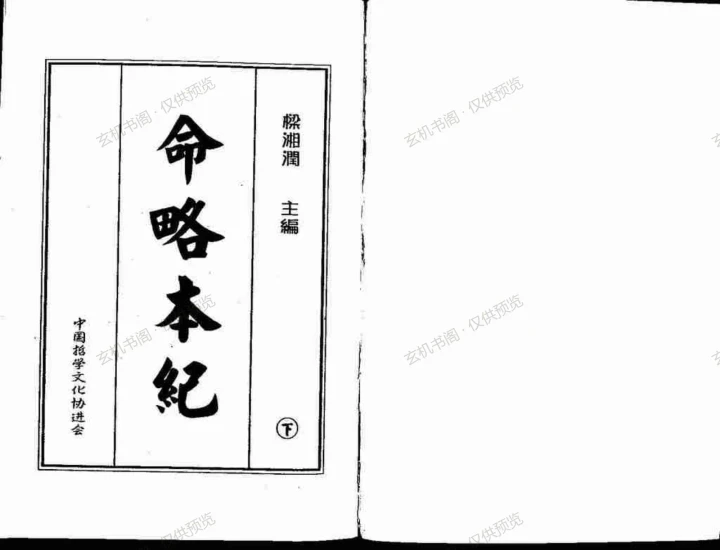
This simplified horizontal-typeset volume by Liang Xiangrun examines the core Ziping framework of penalty (xing), clash (chong), combination (he) and meeting (hui). The preface frames these relations as the balancing of 'force' across time and space, the shared reasoning structure beneath all yin-yang arts. The book begins with the ten methods of clash-combination and the four-corner penalty array, then covers the five-phase basics: ten-god generation and control, stem and branch interactions, heavenly stem five-combinations and clashes, earthly branch six-combinations, six-clashes, three-combinations, three-meetings, and the seven-penalty array list. It continues with shensha selection, stem-combination theory including double six-combinations, advancing and retreating angle combinations, Five-Dragon Virtue combinations, annual-branch virtue, robbery-void and horse combinations, each with full-flow tables; then a condensed stem-combination jiazi table, the six-jia displacement clash-combination square array charts grouped by male-female yin-yang polarity, branch-by-branch six-combination analysis, three-penalty discussions drawing on Hetu and nayin, a two-yuan full-flow clash-penalty table, and a closing summary of Ming-dynasty general treatises on nayin void, tomb-ghost clashes, well-rail mutual destruction, and the four nobles and four taboos. It is a reference and advanced study text for readers already grounded in bazi.
Contents
Preface: penalty-clash-combination as the basic system
Five-phase basics and stem-branch interaction tables
Shensha: selection by day and hour stems
Stem combinations: double six-combinations, angle combinations, Five-Dragon Virtue
Six-jia displacement square array charts by polarity
Branch six-combinations, three penalties and nayin penalties
Two-yuan full-flow clash table and Ming-dynasty summary
Key Points
The four-corner array organizes directional force relations of penalty, clash, combination and meeting
Single versus compound patterns are distinguished for annual luck judgment
Double combinations, angle combinations and Five-Dragon Virtue all come with full-flow tables
Six-jia displacement charts are grouped by male-female yin-yang polarity
Three-penalty theory draws on Hetu, nayin and shensha perspectives
The final chapter collects Ming-dynasty treatises on nayin void, tomb-ghost clashes and related topics