Reading guide
Content guideOverview
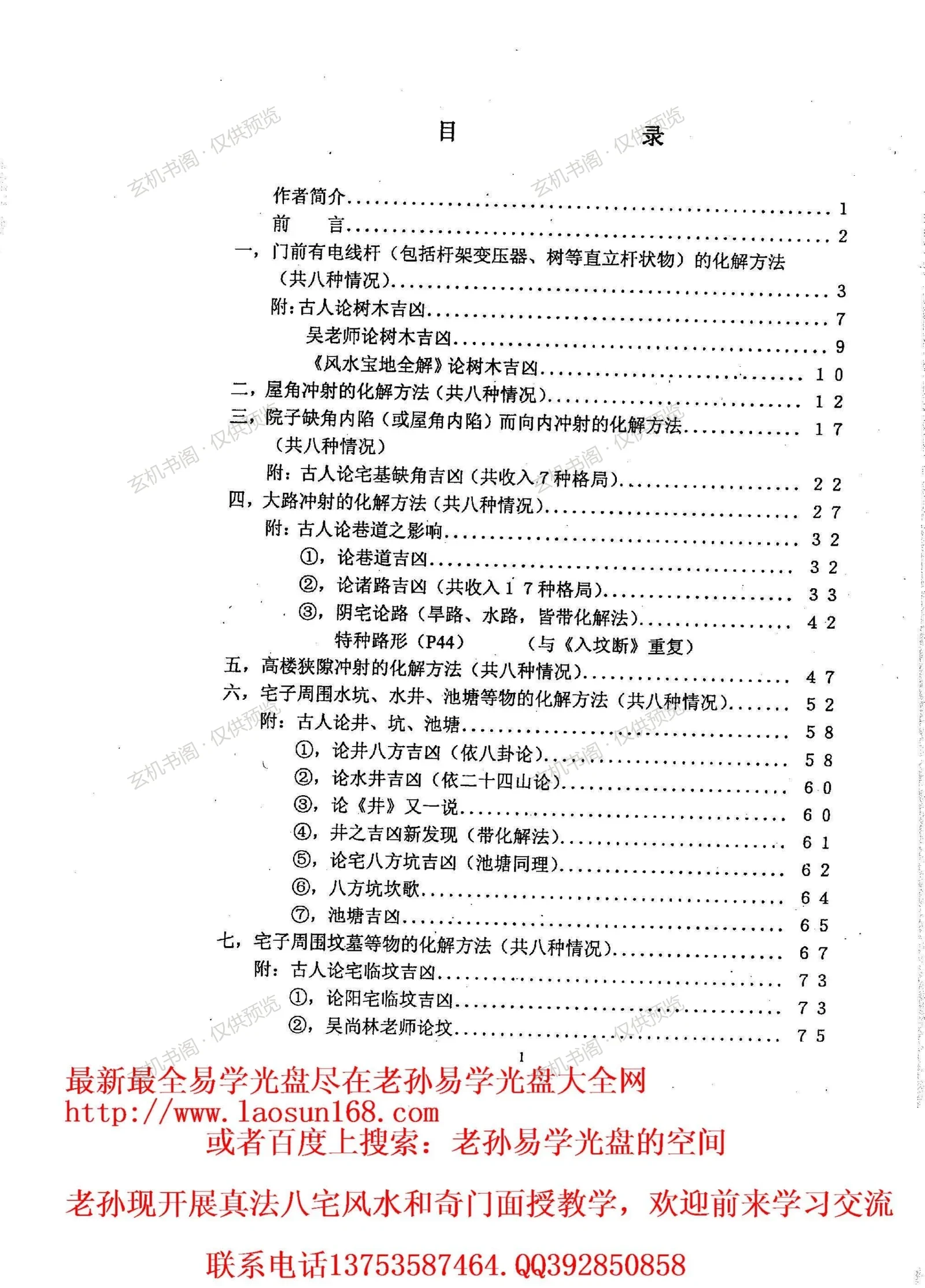
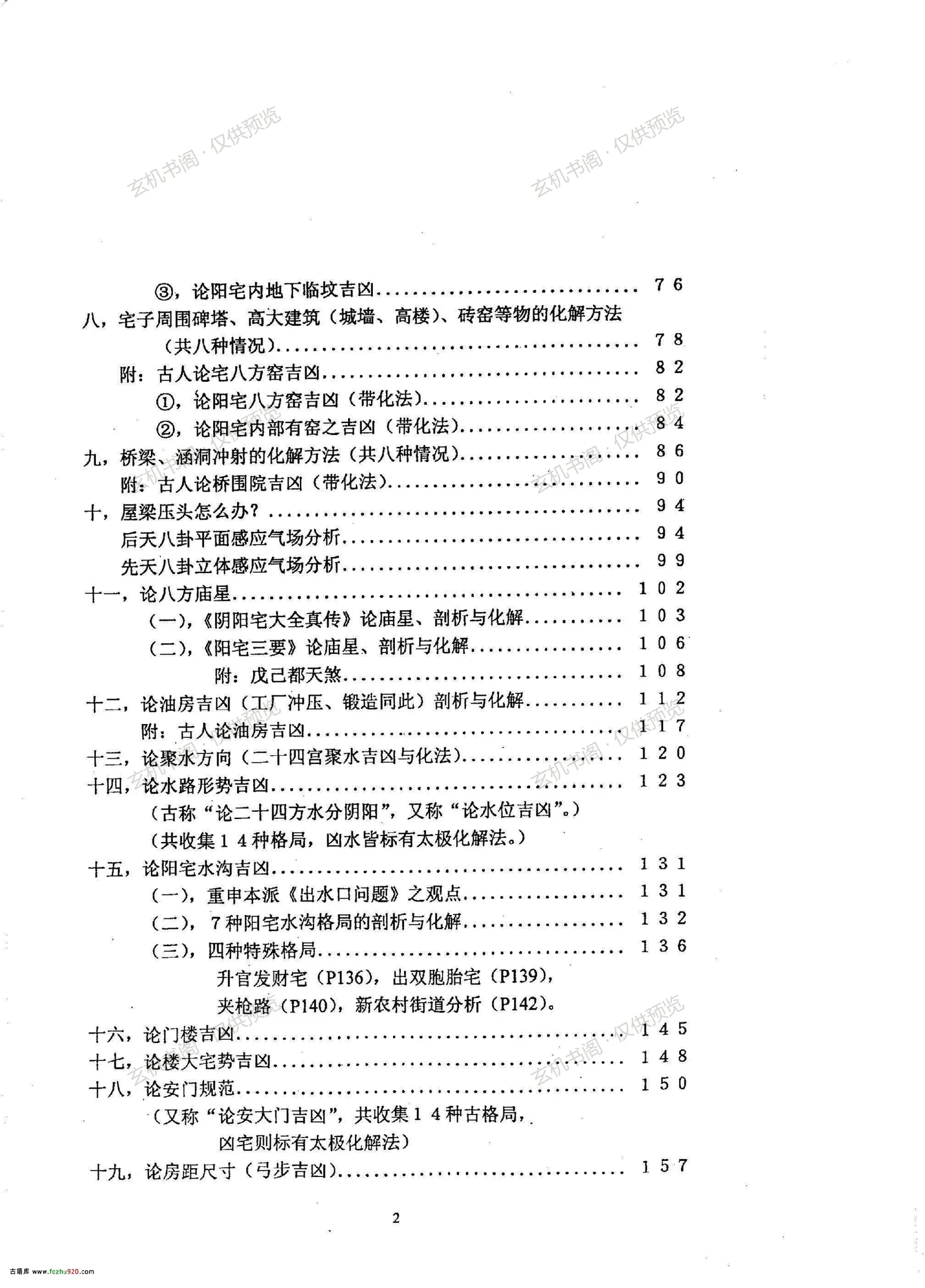
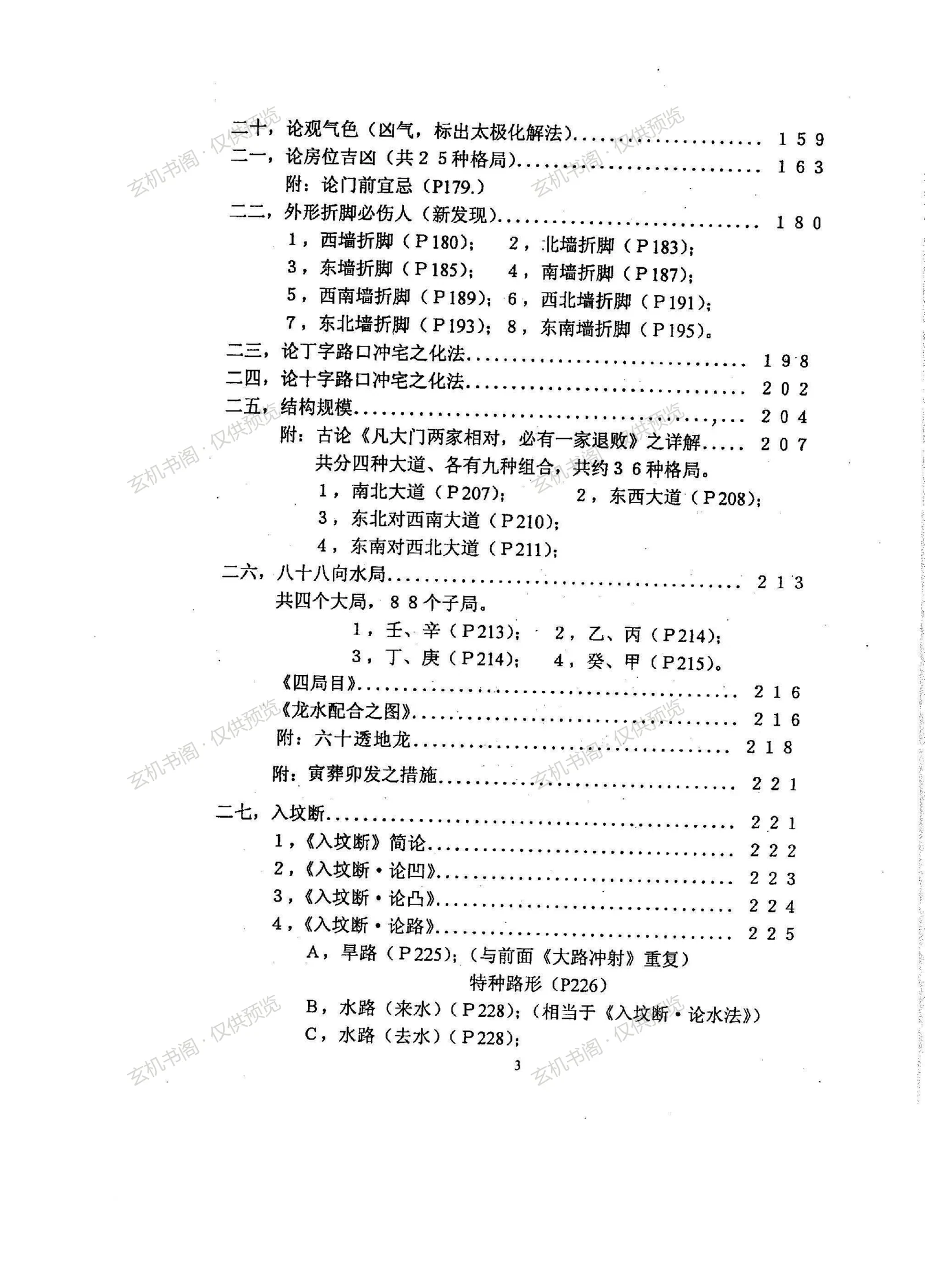
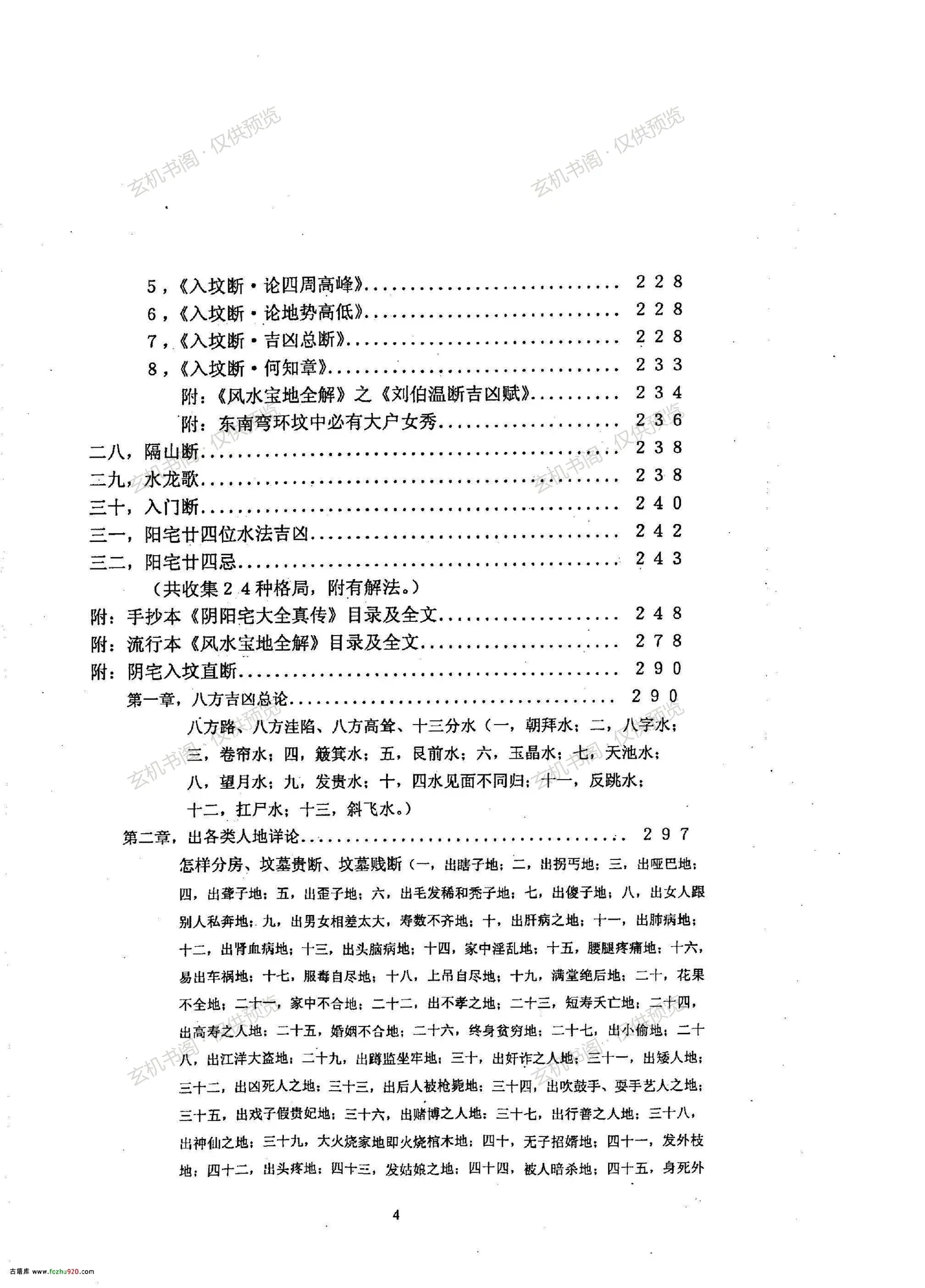
This volume belongs to Pan Changjun's Taiji Resolution Methods series and to the "Pan Family Domestic Wisdom Technology: Home Qi Field Adjustment Series, No. 30." The cover notes an initial draft written in Bianliang in 2000 and a revision in 2009. The book centers on the external forms (waishi) around a residence. It is organized by type of form-sha, each usually listing eight situations together with a "Taiji resolution method." Topics include utility poles before the gate, corner projections, missing or sunken courtyard corners, road thrusts, narrow gaps between tall buildings, surrounding ponds and wells, nearby graves, pagodas and tall structures, bridge and culvert thrusts, and beams pressing overhead. Later chapters discuss temples in the eight directions, oil-press buildings, water-gathering directions, waterway forms, drainage ditches, gate towers, building momentum, gate placement norms, house spacing, qi observation, room-position fortune, wall corner fractures, T-junction and crossroads thrusts, structural scale, the eighty-eight water-facing configurations, and classical texts such as Ru Fen Duan, Ge Shan Duan, Shui Long Ge, Ru Men Duan, the twenty-four water methods, and the twenty-four taboos for dwellings. Appendices include the full contents of Yinyang Zhai Daquan Zhenzhuan and Fengshui Baodi Quanjie. The value lies in its clear classification of external form-sha for reference, its preservation of many classical configurations and judgments, and its practical resolution ideas. Readers should note overlaps with Ru Fen Duan and the advertisements included in the text.
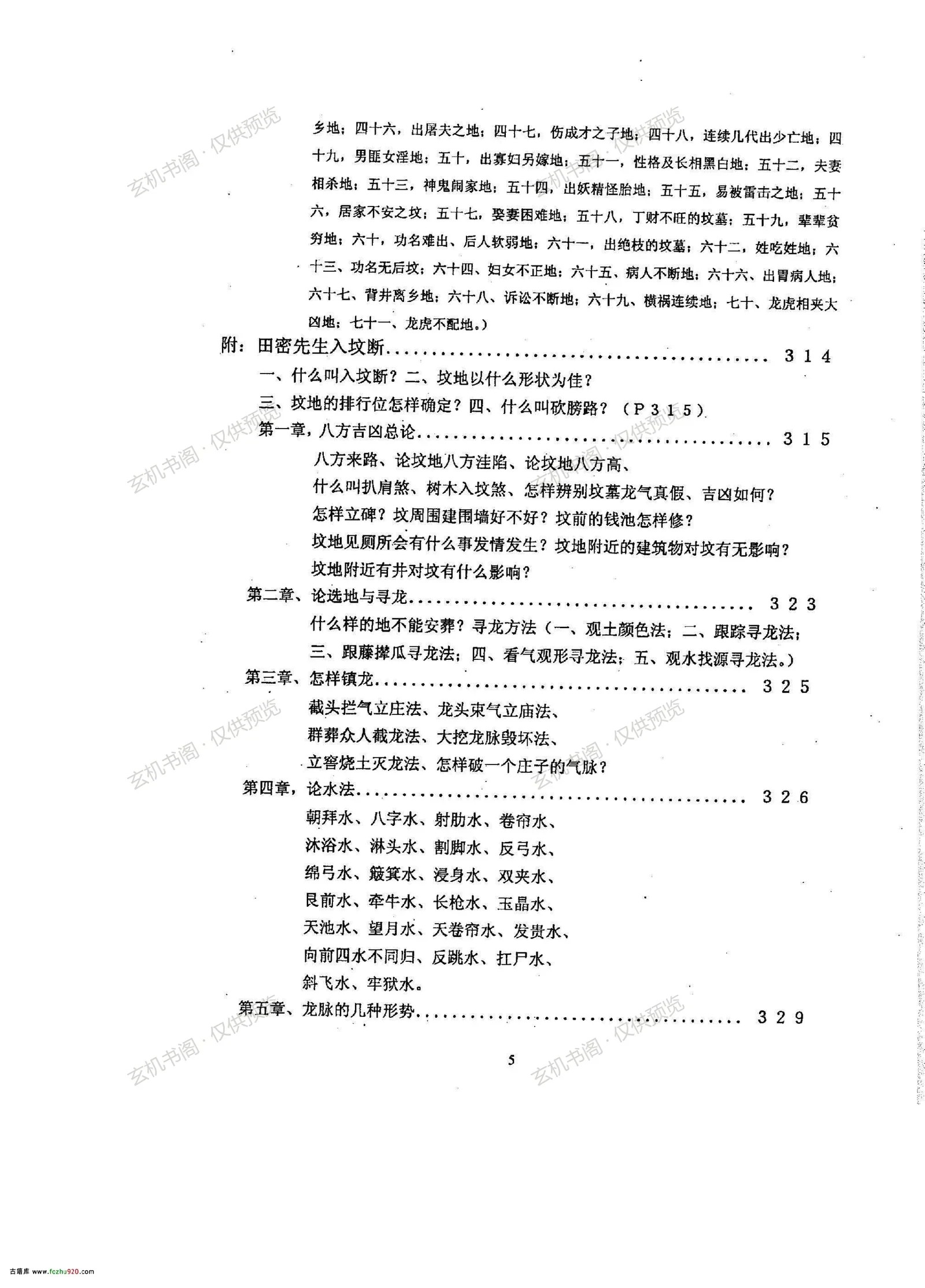
Contents
Resolving poles, corner projections, and sunken corners
Road thrusts, narrow gaps, bridges and culverts
Ponds, wells, graves, pagodas and tall structures
Temples, oil presses, water directions and waterway forms
Gate towers, building momentum, gate norms, spacing
Wall fractures, T-junctions and crossroads, structural scale
Eighty-eight water configurations and classical texts
Appendices: Yinyang Zhai Daquan Zhenzhuan and Fengshui Baodi Quanjie
Key Points
Organized by external form-sha, with Taiji resolution methods for each
Usually eight situations per category for easy reference
Collects classical discussions on trees, wells, temples, bridges and roads
Later sections also cover yin-house texts such as Ru Fen Duan
Appendices reproduce contents of two classical compendia