Reading guide
Content guideOverview
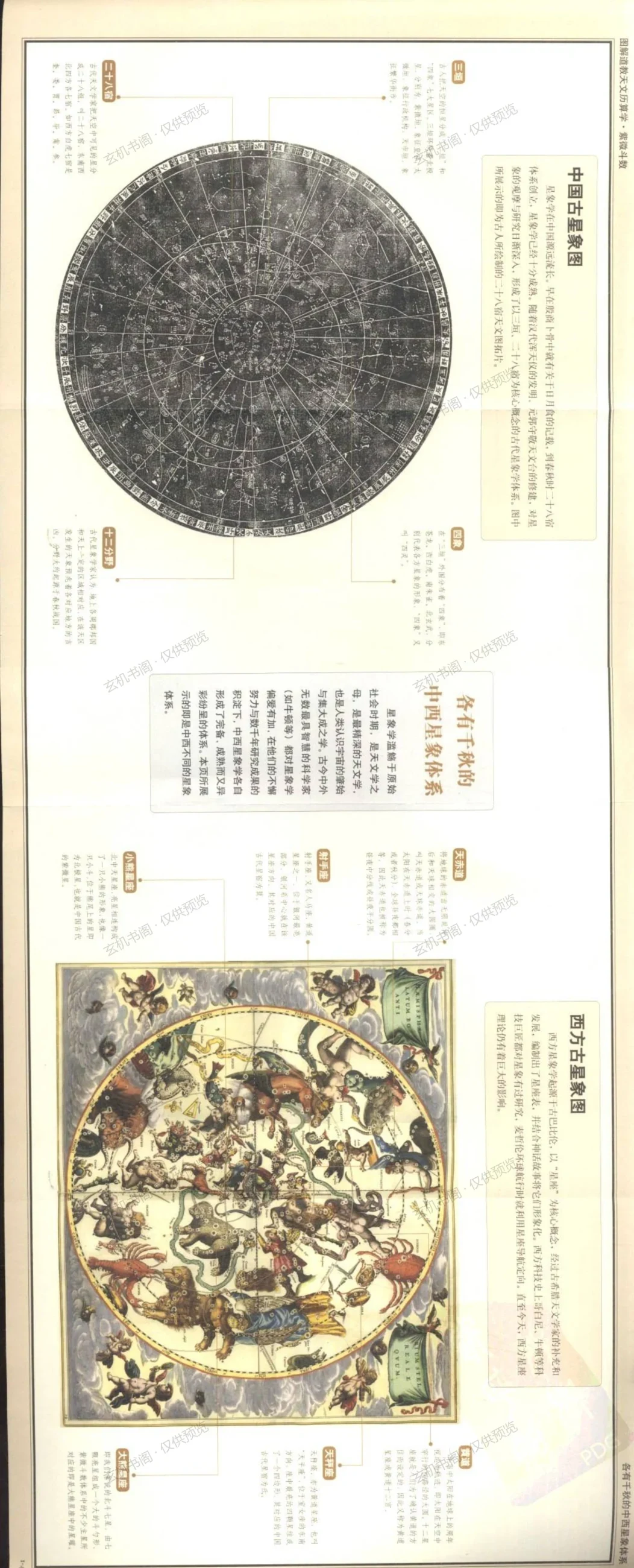
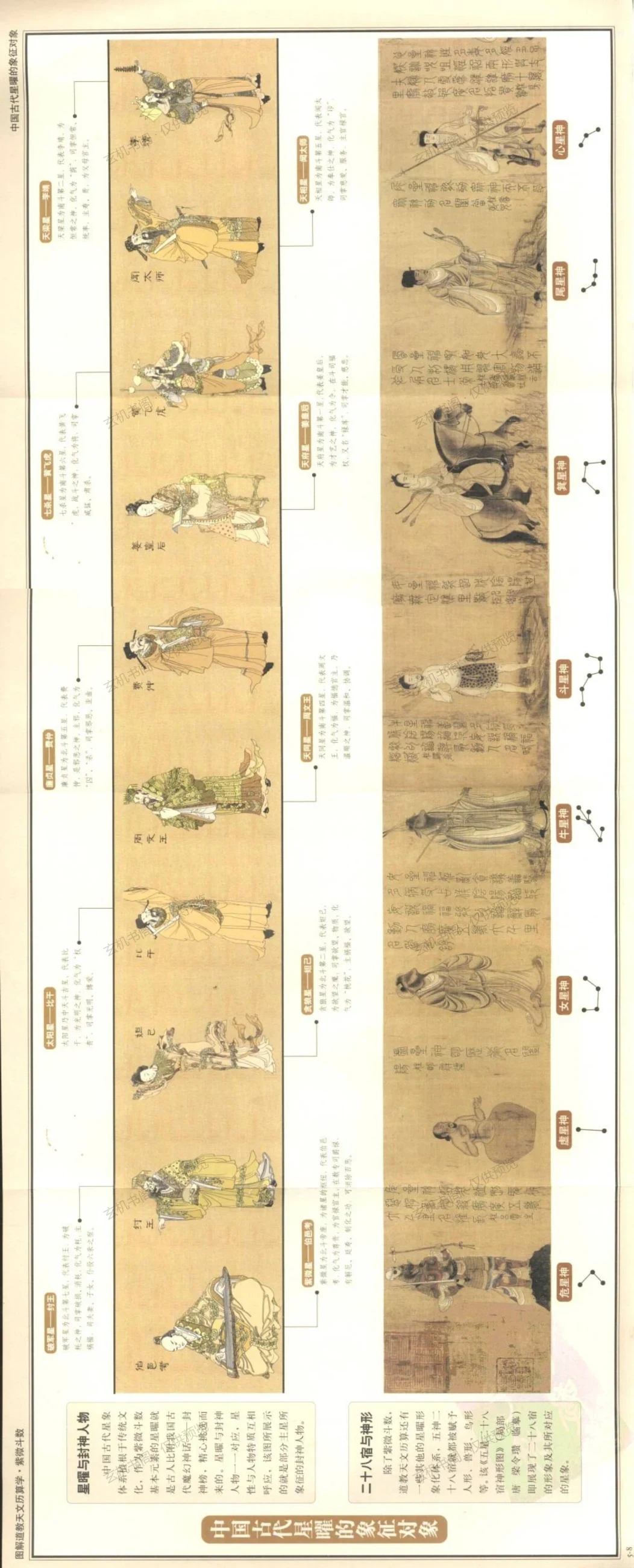
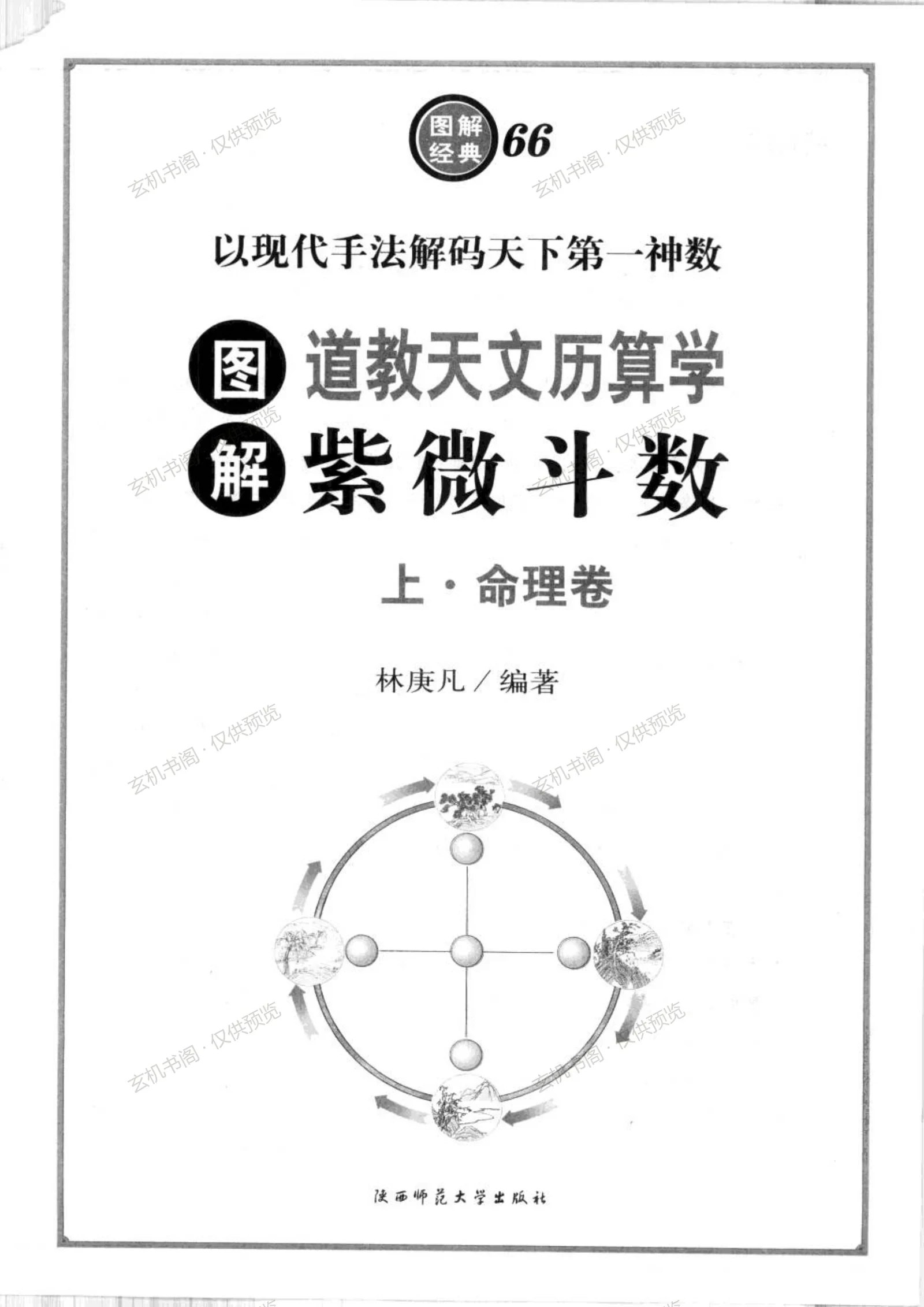
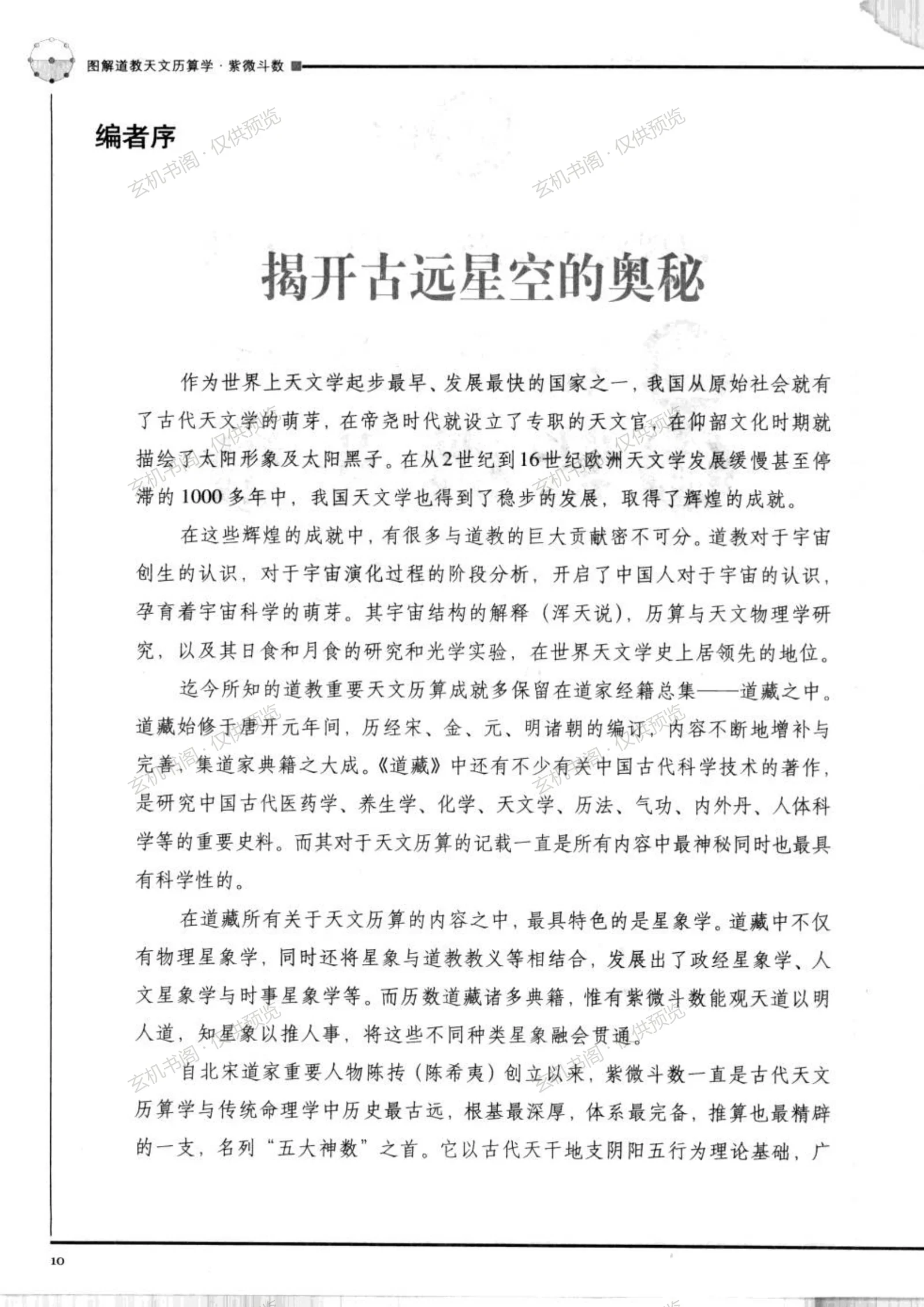
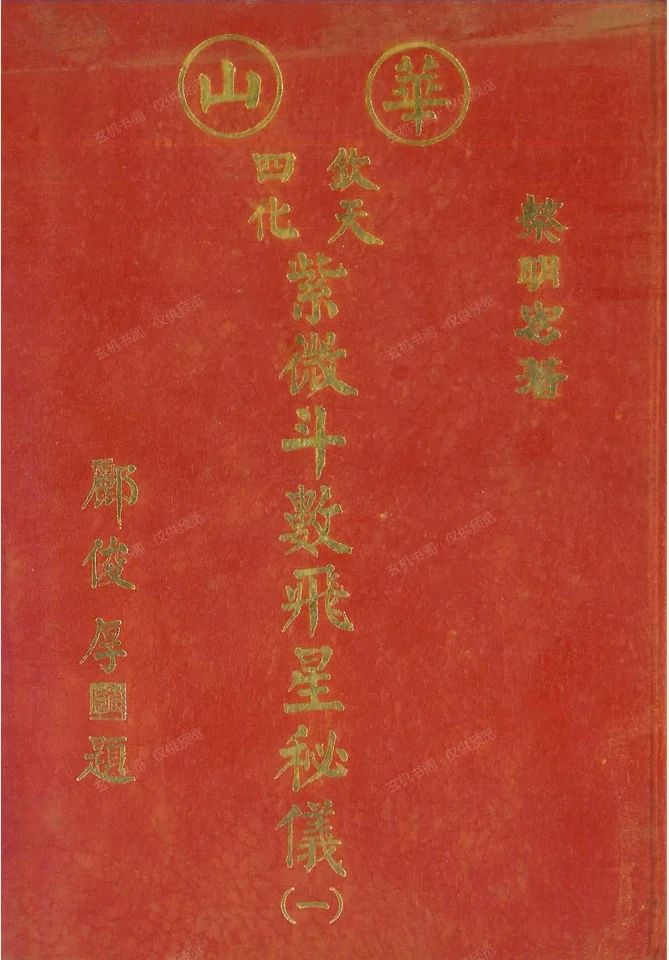
This is the first volume, “Fate Calculation,” of an illustrated work on Daoist astronomy and calendrical science as applied to Zi Wei Dou Shu, compiled by Lin Gengfan. Rather than focusing only on charting rules, the book places Zi Wei Dou Shu within the context of traditional Chinese astronomy and astral lore. The visible pages discuss the formation of Chinese star maps, the Three Enclosures, the Twenty-Eight Mansions, and the twelve field allocations, then compare Chinese and Western star systems. A large section presents ancient images of stellar deities and their correspondence with legendary figures. The compiler’s preface stresses that Zi Wei Dou Shu draws on astronomy, calendrical calculation, yin-yang and the Five Phases, and statistics to interpret human affairs through the stellar configuration at birth. With diagrams, hand-colored portraits, and illustrations, it is suited to readers who want cultural and visual background before studying Zi Wei Dou Shu in depth.
Contents
Cover and compiler’s preface: unveiling the mysteries of the ancient starry sky
Chinese star maps: Three Enclosures, Twenty-Eight Mansions, and twelve fields
Chinese and Western star systems compared
Symbolic counterparts of Chinese stellar deities
Illustrations of the Twenty-Eight Mansions and stellar gods
Zi Wei Dou Shu and Daoist astronomy
Key Points
Places Zi Wei Dou Shu within Daoist astronomy and traditional star lore.
Introduces the Three Enclosures, Twenty-Eight Mansions, and twelve field allocations.
Uses ancient portraits to show stellar deities and their legendary counterparts.
Stresses yin-yang, the Five Phases, and birth-time stellar configurations.
Combines explanatory diagrams, colored portraits, and star illustrations.