Reading guide
Content guideOverview
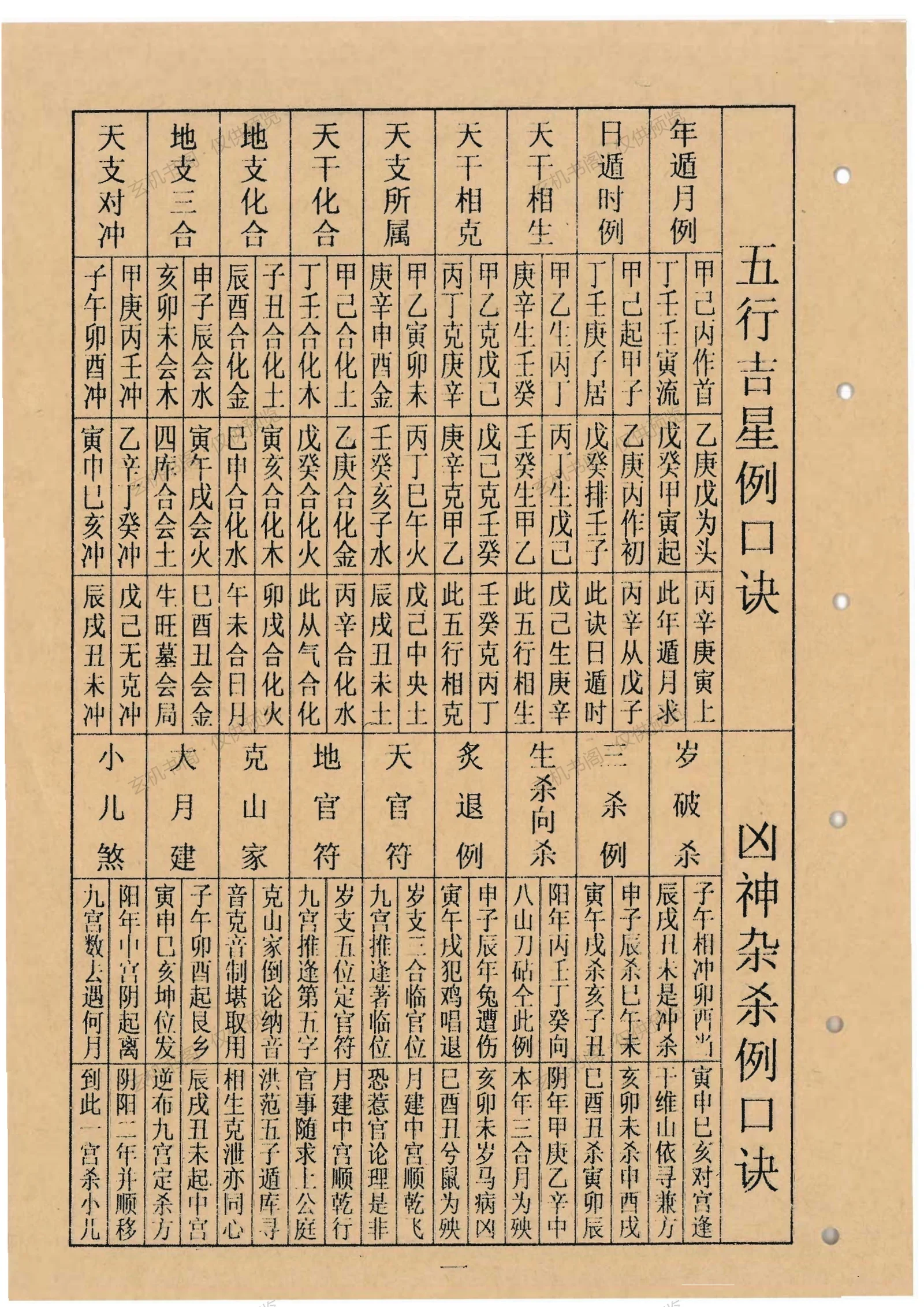
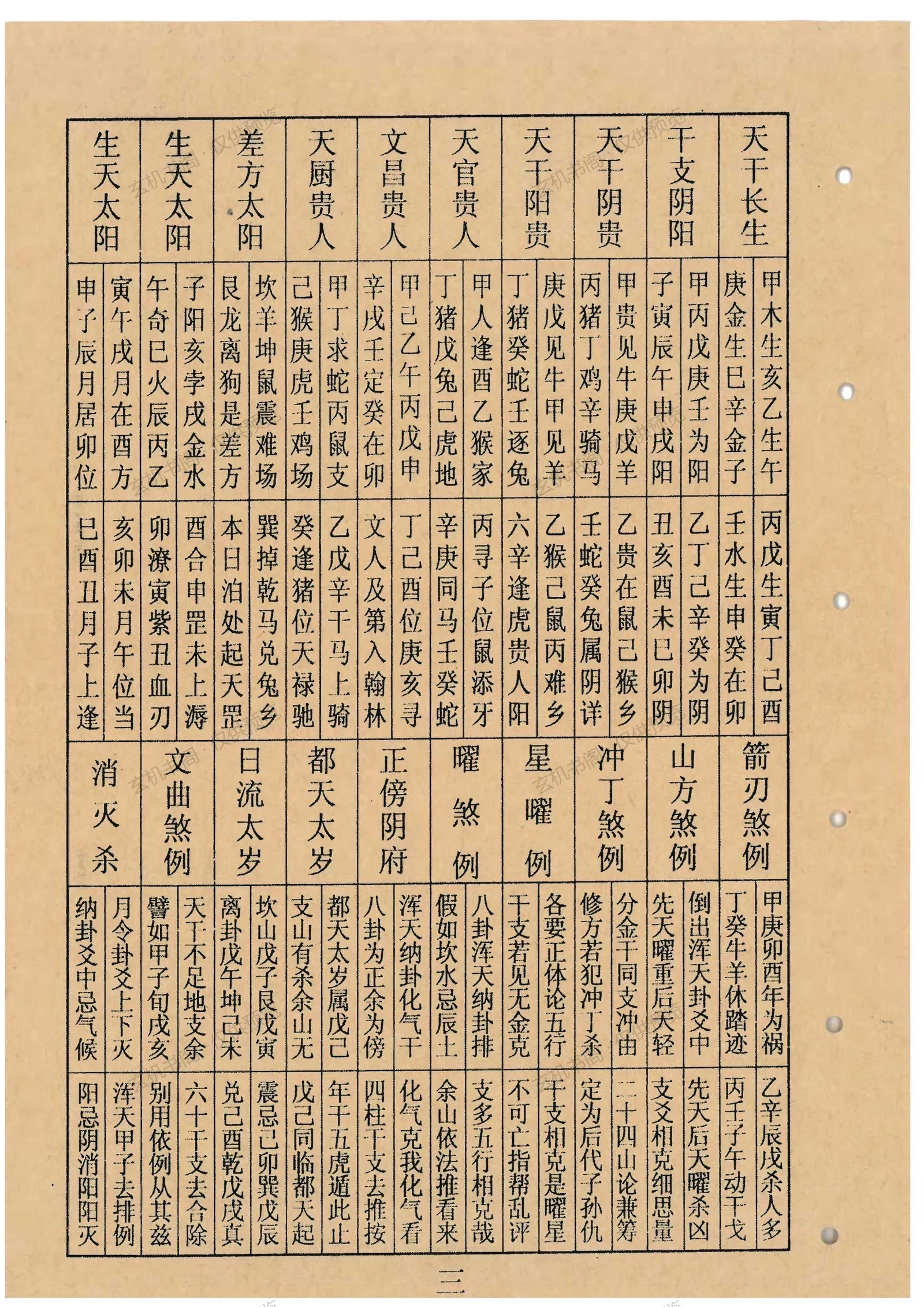
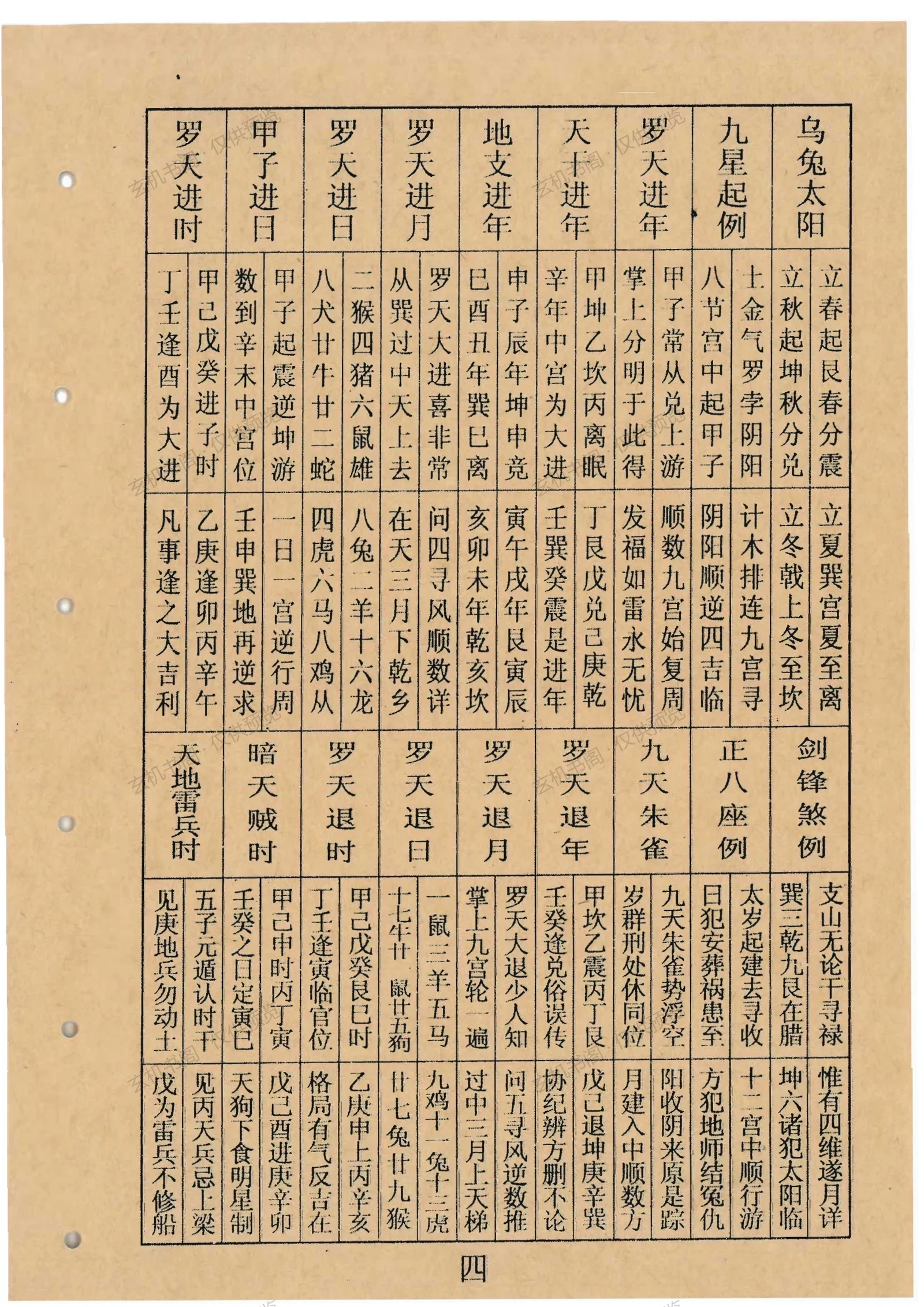
The cover titles the book The Wanshi Yingyan Twenty-Four Mountains Method for Inviting Wealth and Honor, with Auspicious and Inauspicious Applications, and notes it as a rare Tang-era folk geography manuscript. A poem page credits the Tang originals to Yuan Shoucheng and Yuan Tiangang. The body is organized as mnemonic tables: the first two pages cover auspicious five-phase star patterns and inauspicious spirit-killer patterns, including year-month and day-hour cycles, stem generation and overcoming, branch triple and six harmonies, three punishments and six harms, the twelve stages, seasonal prosperities, and noble, salary, and horse indicators. Later pages continue with yin-yang nobles, literary and kitchen nobles, sun and moon, Great Year, Luo Tian advance cycles, the nine-star starting method, and the Black Rabbit Sun. Overall it is a practical folk fengshui manual blending triple-harmony and hexagram methods, using the twenty-four mountains with stems, branches, and star spirits to assess construction and burial fortune and to invite wealth and honor.
Contents
Cover title and rare Tang folk manuscript note
Poem page and attribution to Tang originals
Auspicious five-phase star mnemonics: year-month and day-hour cycles, stem-branch interactions
Inauspicious spirit-killer mnemonics: year breaker, three killings, retreat, official talismans
Stem-branch nobles and prosperities: Tianyi, salary and horse, punishments, twelve stages
Star spirits and nine-star starting methods: Great Year, Luo Tian advance, Black Rabbit Sun
Key Points
Uses the twenty-four mountains as its frame with stem-branch lookup tables
Combines mnemonics and tables for practical reference rather than theory
Incorporates triple and six harmonies, three punishments, and twelve stages
Lists inauspicious items such as year breaker, three killings, and official talismans
Includes nine-star starting methods and Black Rabbit Sun timing material