Reading guide
Content guideOverview
This is the second volume of The Gate of Wu and Ji, a Zi Wei Dou Shu (Purple Star Astrology) text. Based on the visible pages, it focuses on the Four Transformations triggered by the Heavenly Stems Wu and Ji. Drawing on Buddhist ideas of karmic retribution and the Awakening of Faith, the author reads the transformations as manifestations of personal karma. Detailed examples show how Lian Zhen and Wen Qu transforming into Ji interact across the Life, Career, Wealth, Spouse, and Property palaces, with a strong emphasis on the 'cause palace' (lai yin gong), star linkage, and balance principles. It also explores the emptiness of Tan Lang and the philosophical meaning of Zuo Fu as 'the thing itself,' dignity, and beauty. The material is advanced, theoretical, and intertwined with Buddhist concepts, suited to readers already familiar with flying-star Four Transformations who wish to deepen their understanding of the Wu-Ji stem system.
Contents
Karmic retribution as a framework for Four Transformations
Wu, Ji, and Ren stem formulas and Hetu-Luoshu numbers
Examples of Lian Zhen and Wen Qu Ji in the Career palace
Comparing Ji-year Wen Qu Ji with Bing-year Lian Zhen Ji
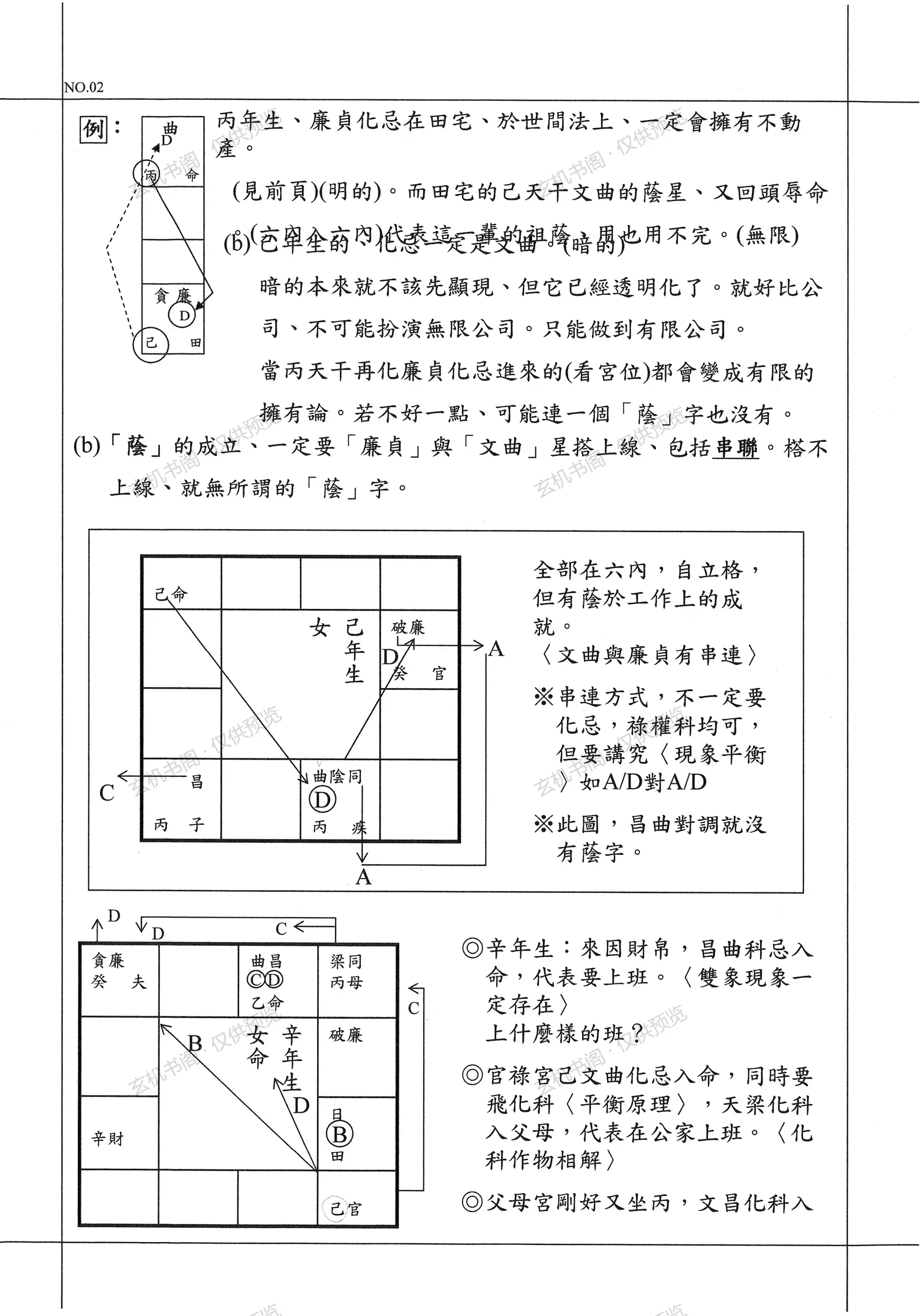
Linkage and balance principles between Lian Zhen and Wen Qu
Tan Lang's emptiness and the reluctant horse
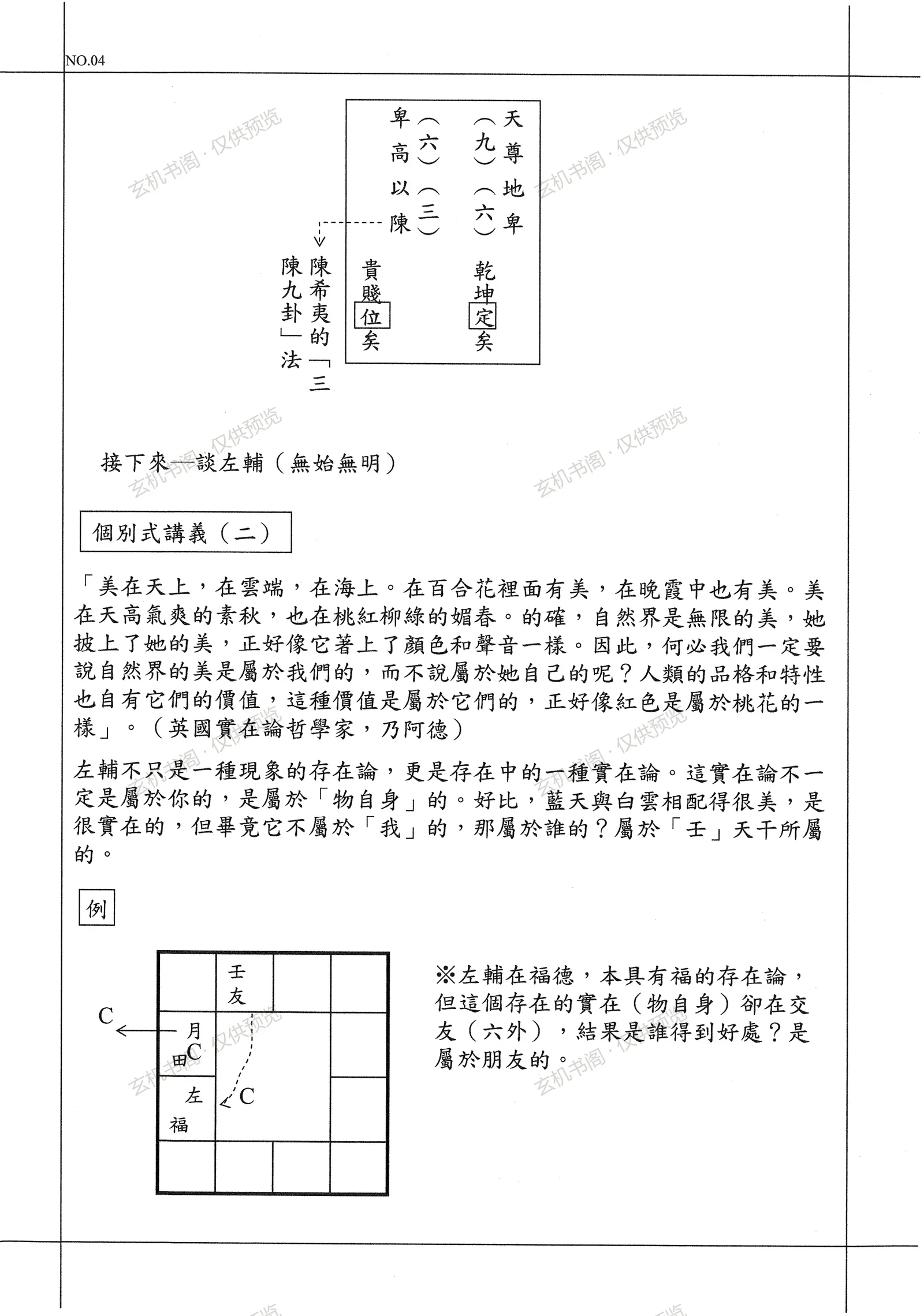
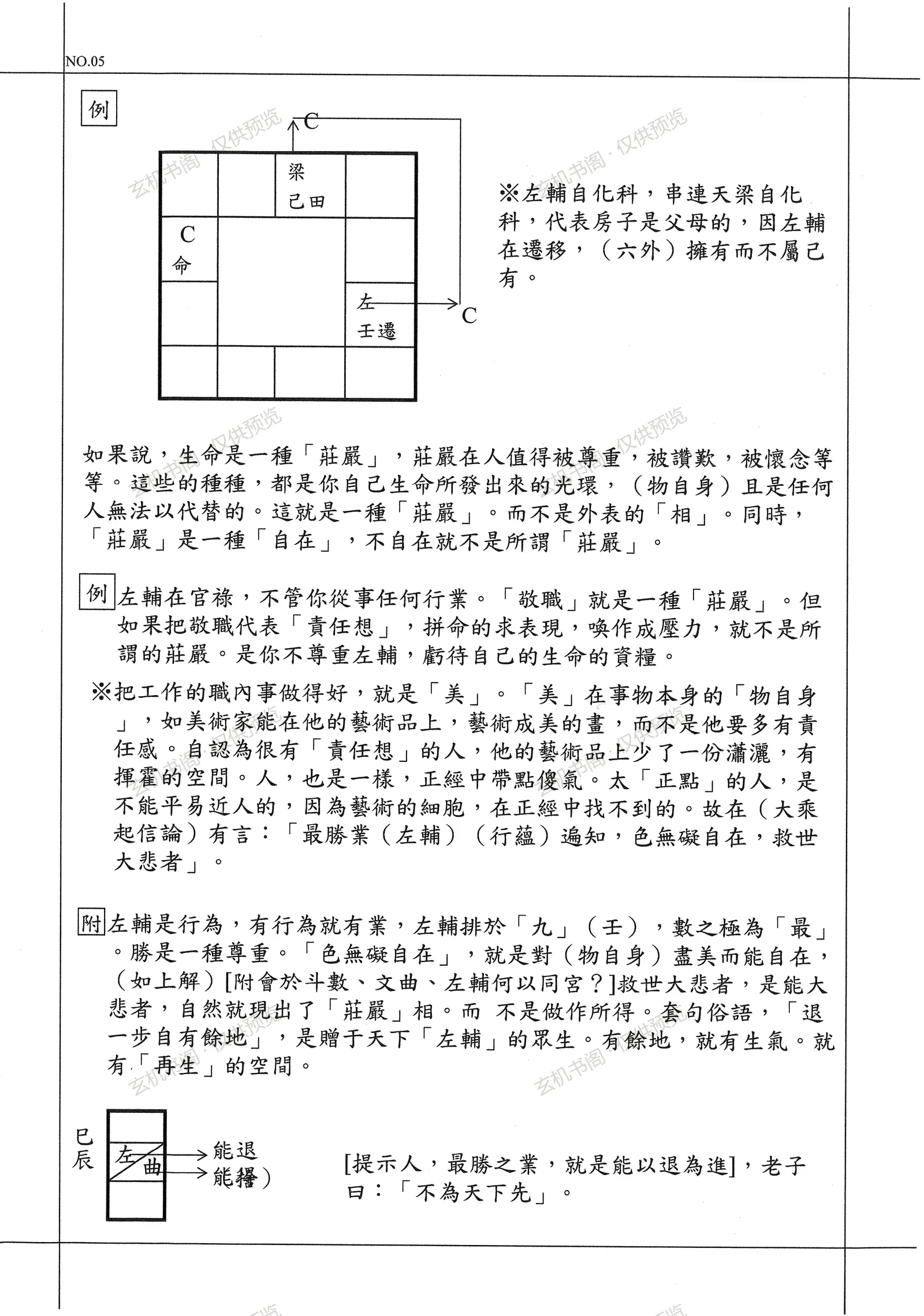
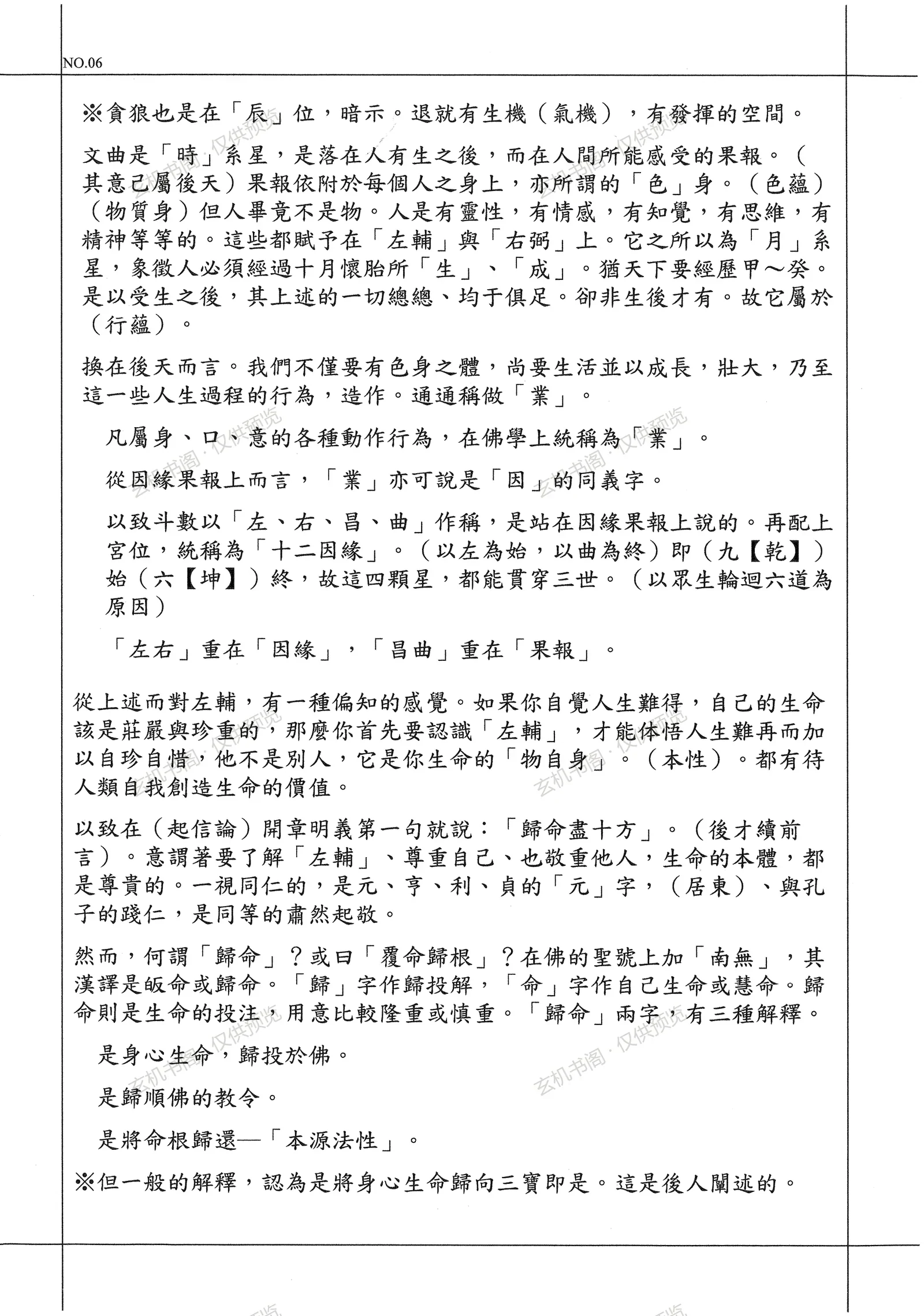
Zuo Fu as thing-in-itself, dignity, and beauty
Zuo You Chang Qu, twelve links, and taking refuge
Key Points
Four Transformations are treated as personal karmic outcomes; the cause palace is crucial.
Lian Zhen and Wen Qu Ji interactions in Career and Fortune palaces shape work and benefactor prospects.
The text distinguishes Ji-year from Bing-year births and the hidden nature of Wen Qu.
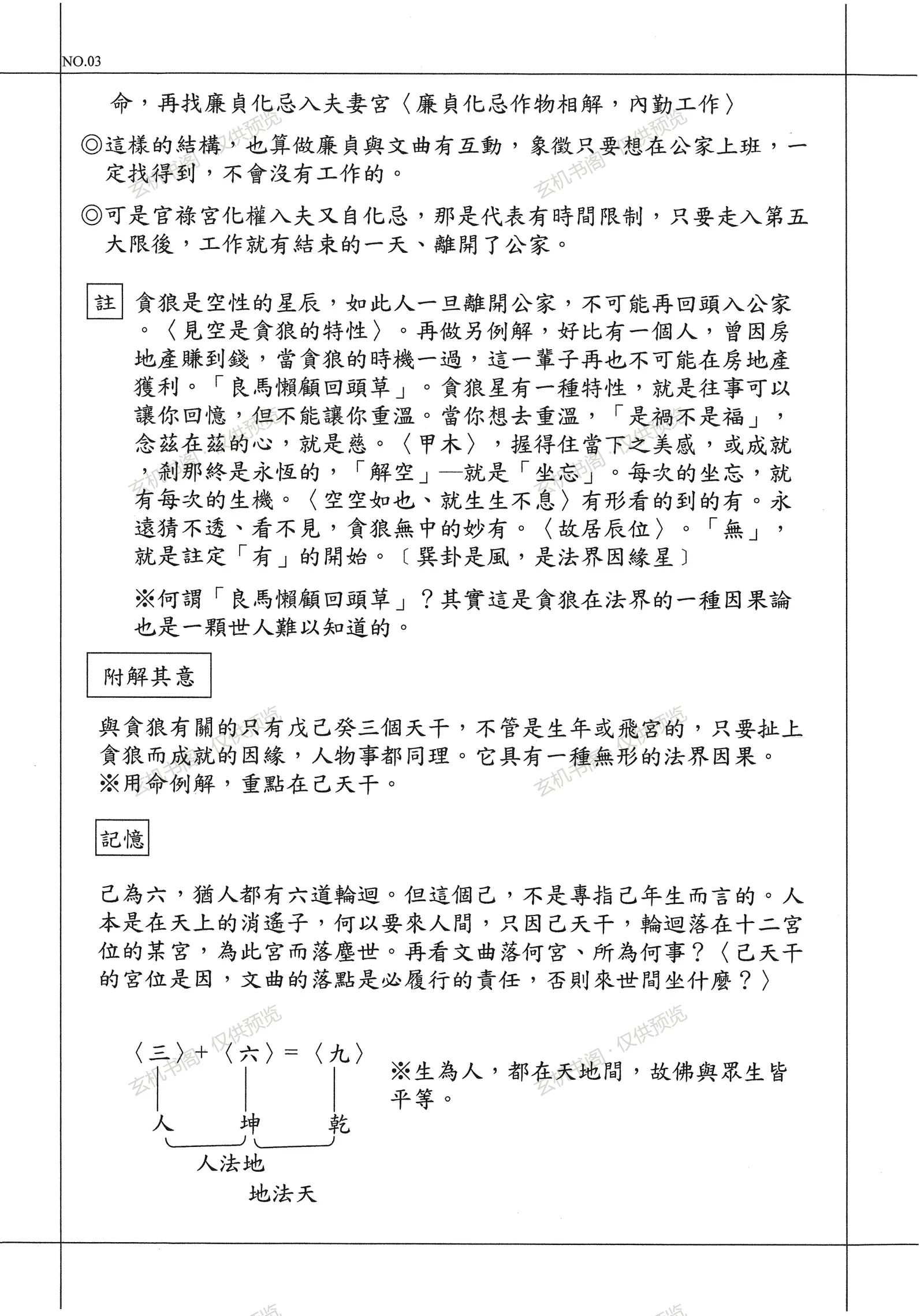
Tan Lang symbolizes emptiness and the impossibility of returning to a past opportunity.
Zuo Fu embodies karmic action and carries philosophical ideas of dignity and beauty.
Zuo You Chang Qu span past, present, and future; Zuo You relate to causes, Chang Qu to results.