Reading guide
Content guideOverview
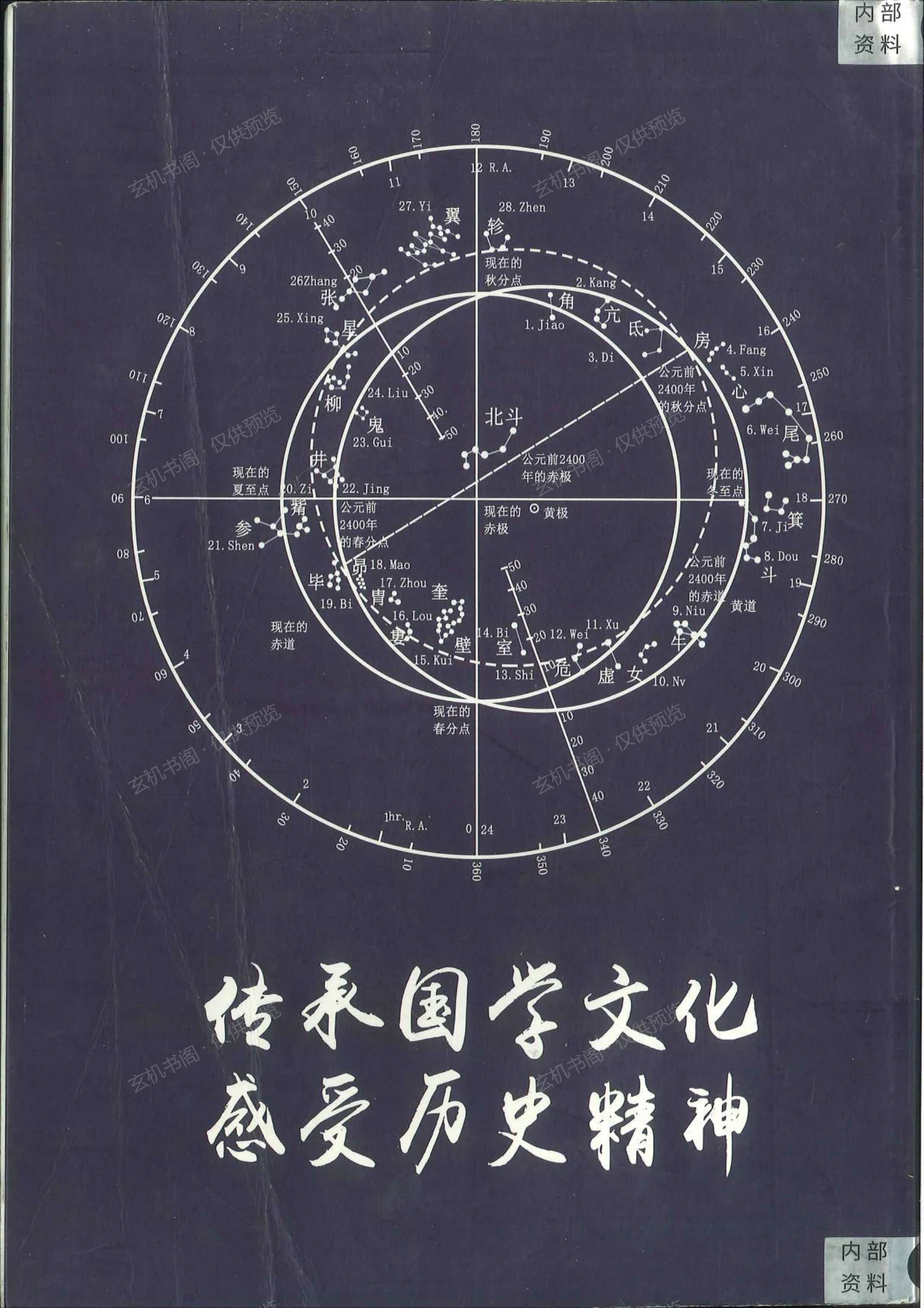
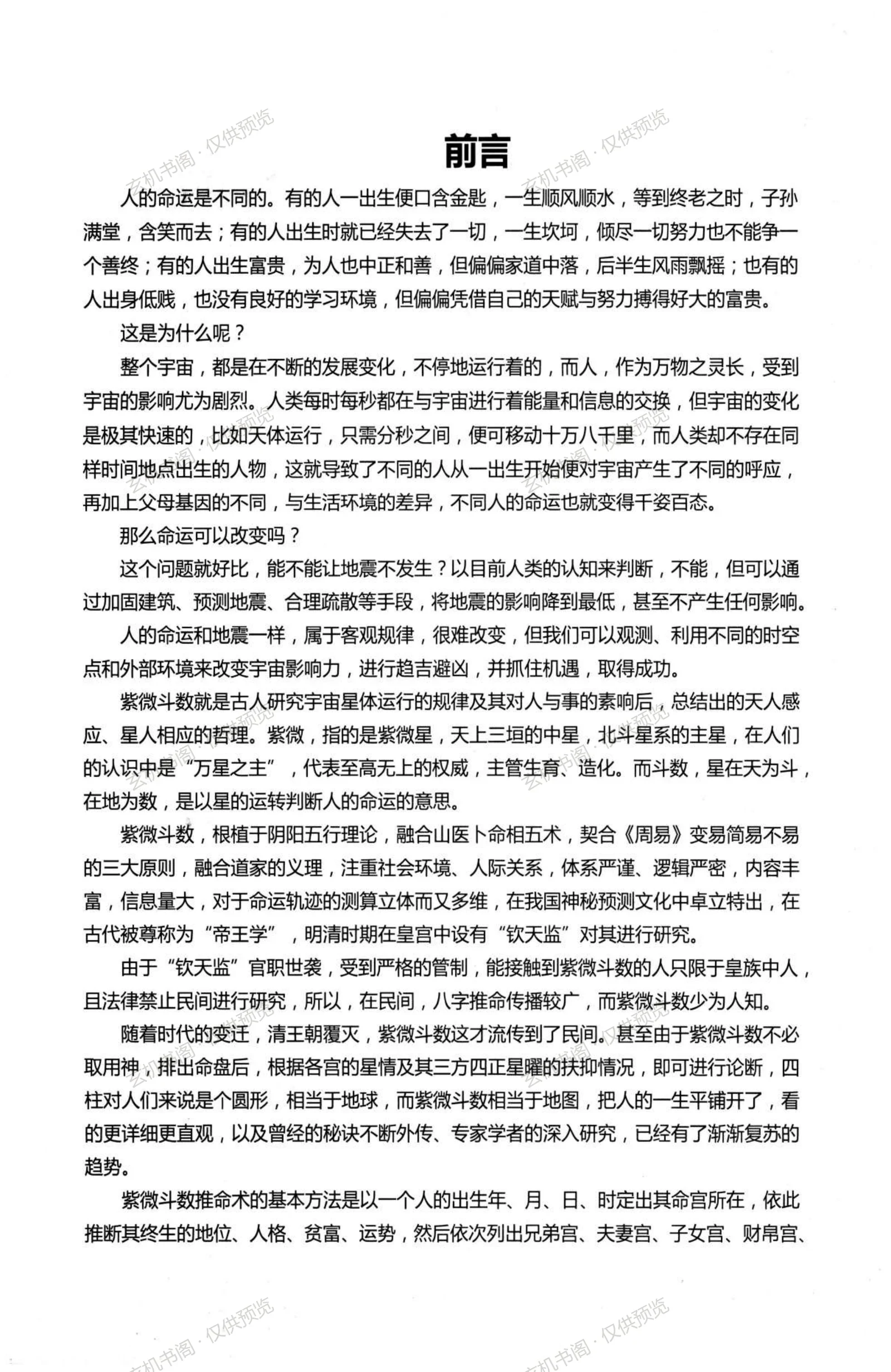
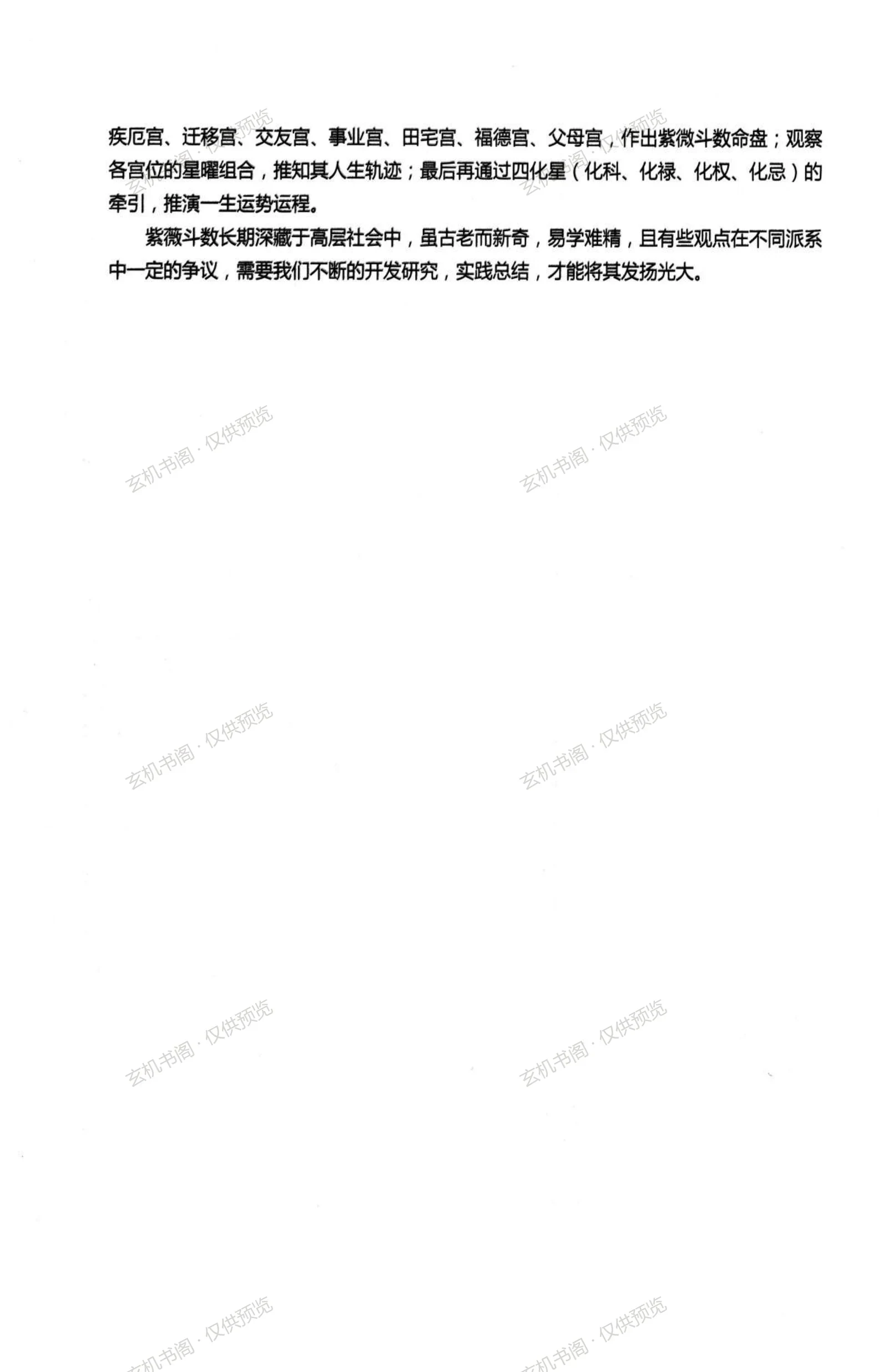
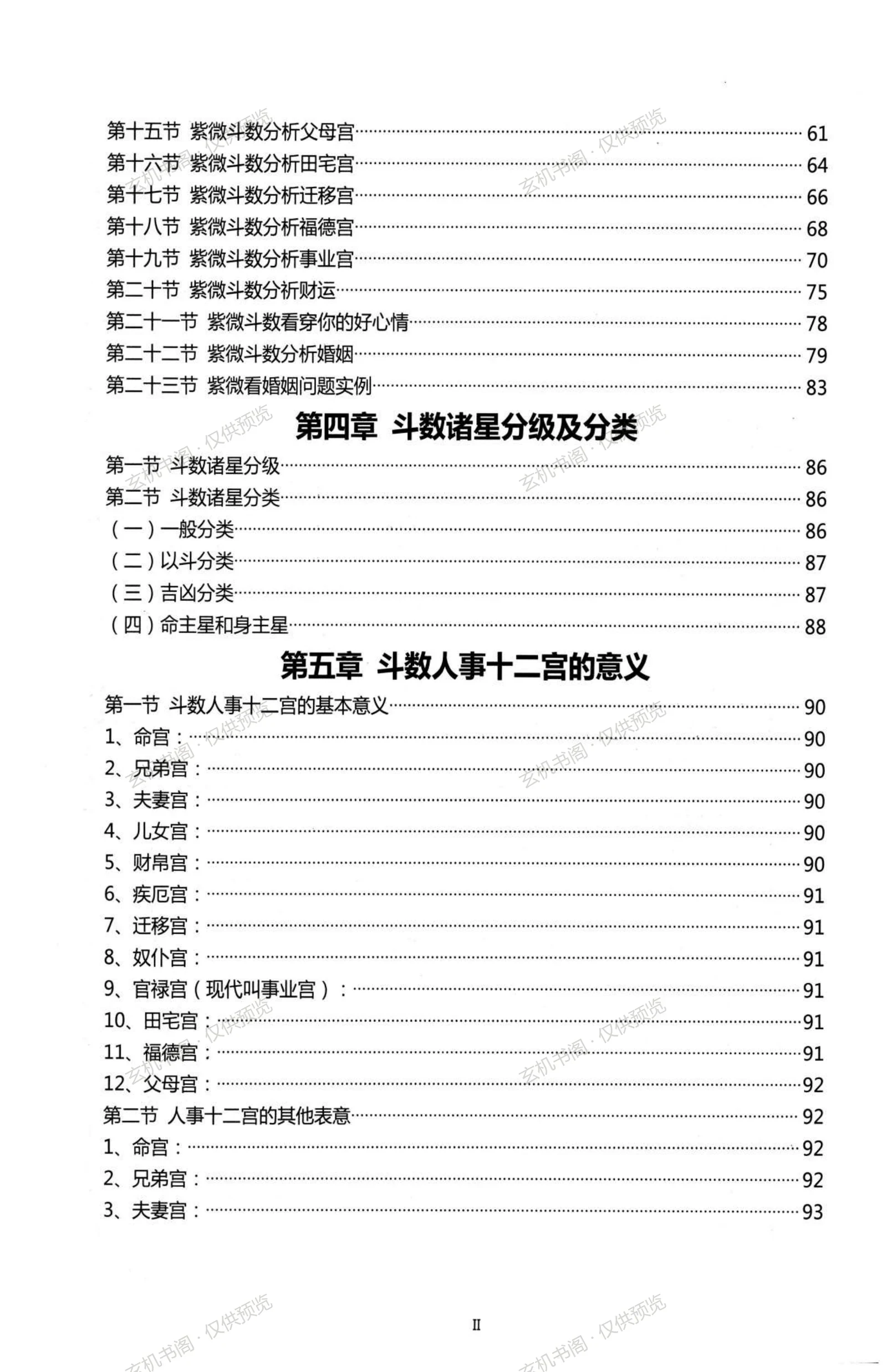
This is an internal teaching text on Zi Wei Dou Shu, labeled as a collector's edition and stated on the cover to be adapted from old works attributed to Chen Tuan and Shao Yong. The preface explains that Zi Wei Dou Shu is built on yin-yang, the five phases and the sexagenary cycle, and that a natal chart is cast from the birth date and hour, then read through the twelve palaces and the four transformations. The table of contents shows five chapters: fundamentals (yin-yang, five phases, stems and branches, nayin, four pillars); chart casting (rules for birth time, table-based and mnemonic methods, flow month/day/hour, and twelve basic chart diagrams); terminology (three directions and four corners, temple/fallen star states, common patterns, and analyses of the spouse, wealth, health, friends, siblings, parents, property, travel, fortune, career, finances and marriage palaces); star grading and classification; and the meaning of the twelve human-affairs palaces. It progresses from basics to practical interpretation, serving as an entry-level and reference text.
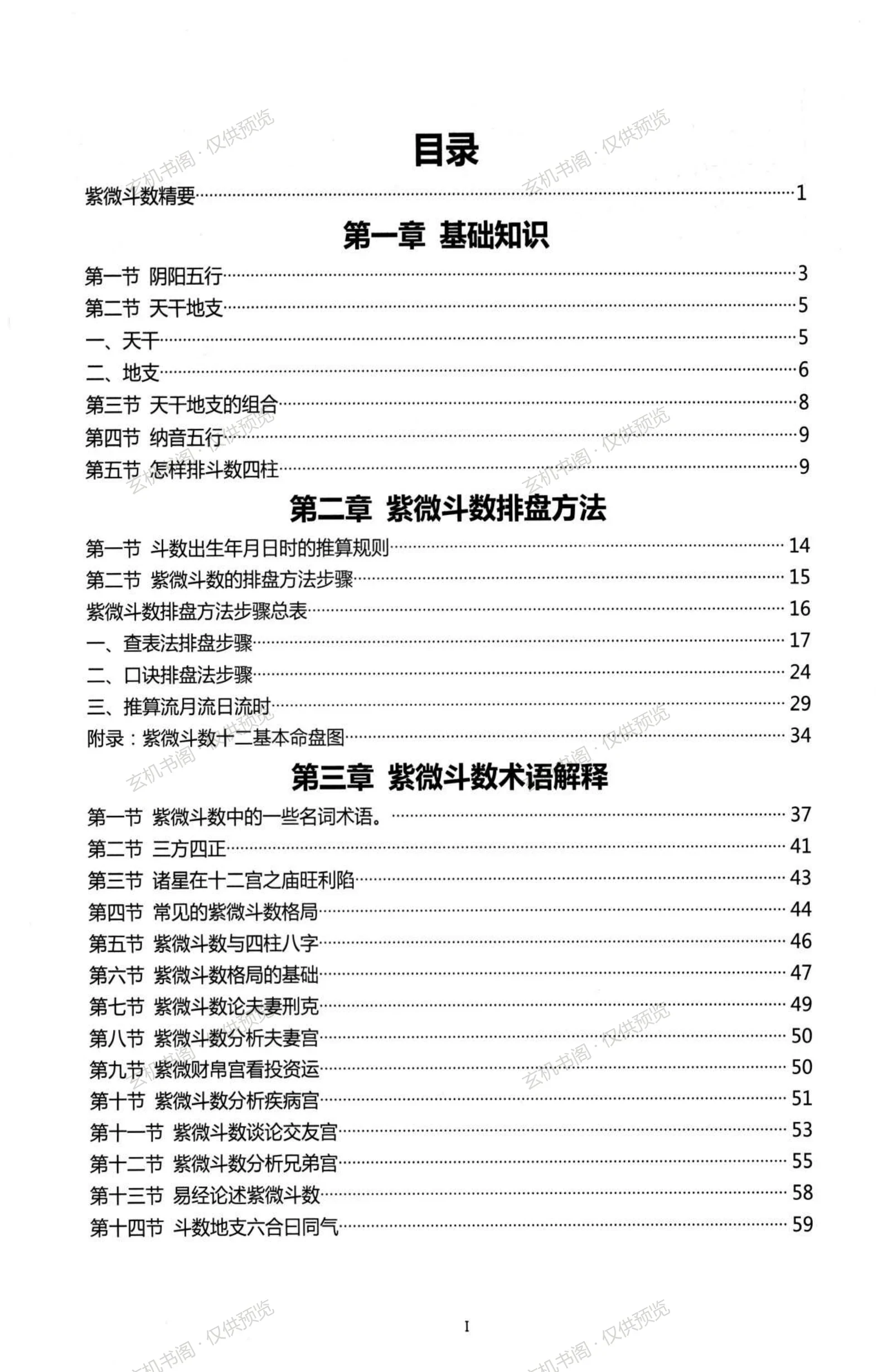
Contents
Chapter 1 Fundamentals: yin-yang, five phases, stems and branches, nayin, four pillars
Chapter 2 Chart casting: calculation rules, table and mnemonic methods
Chapter 3 Terminology: three directions and four corners, star states, palace analyses
Chapter 4 Star grading and classification
Chapter 5 Meaning of the twelve human-affairs palaces
Key Points
Starts from yin-yang, five phases and the sexagenary cycle before chart casting.
Provides both table-based and mnemonic casting steps, with twelve basic chart diagrams.
Covers three directions and four corners, temple/fallen states and common patterns.
Analyzes practical topics such as spouse, wealth, career and property palaces.
Classifies stars by grade and category to build a framework for reading star qualities.