Reading guide
Content guideOverview
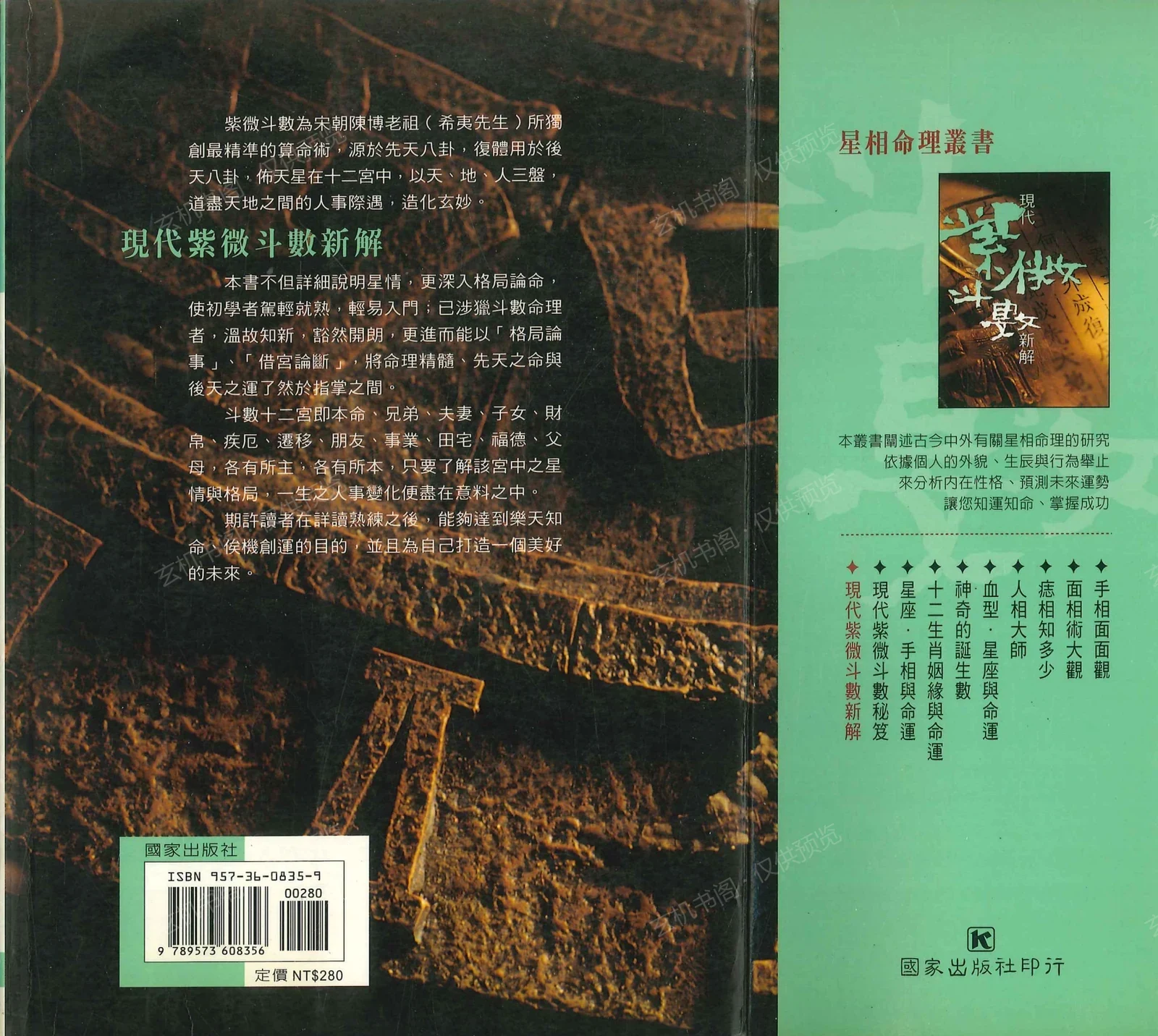
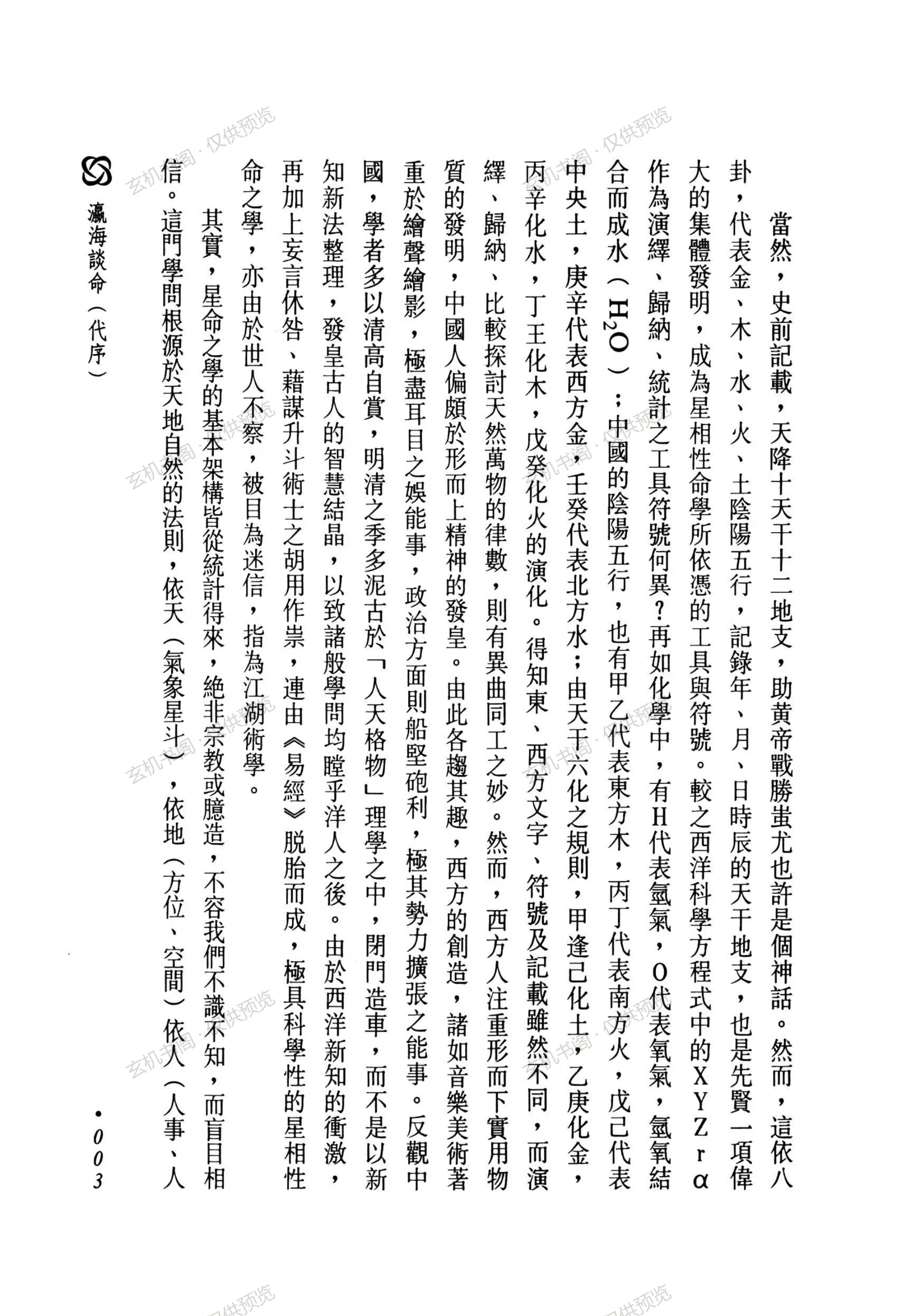
This volume belongs to a Chinese astrology series by Liao Wu Zhai Zhu (Yan Yingfa), a longtime Taiwan-based researcher of fate calculation. It opens with an essay on why people turn to fate reading, arguing from the Yijing and scientific examples that astrology rests on natural law rather than superstition. The main text introduces the origins of Zi Wei Dou Shu, the placement of stars through the twelve palaces, and then moves to practical interpretation. The author stresses both star qualities (xingqing) and chart patterns (geju): each star's nature and strength are described in detail before pattern-based judgment is explained. A distinctive method of 'borrowing palaces' links the twelve palaces—life, siblings, spouse, children, wealth, health, travel, friends, career, property, fortune, and parents—so that major life themes can be read together. The book is structured for beginners while offering deeper pattern analysis for those already familiar with the system.
Contents
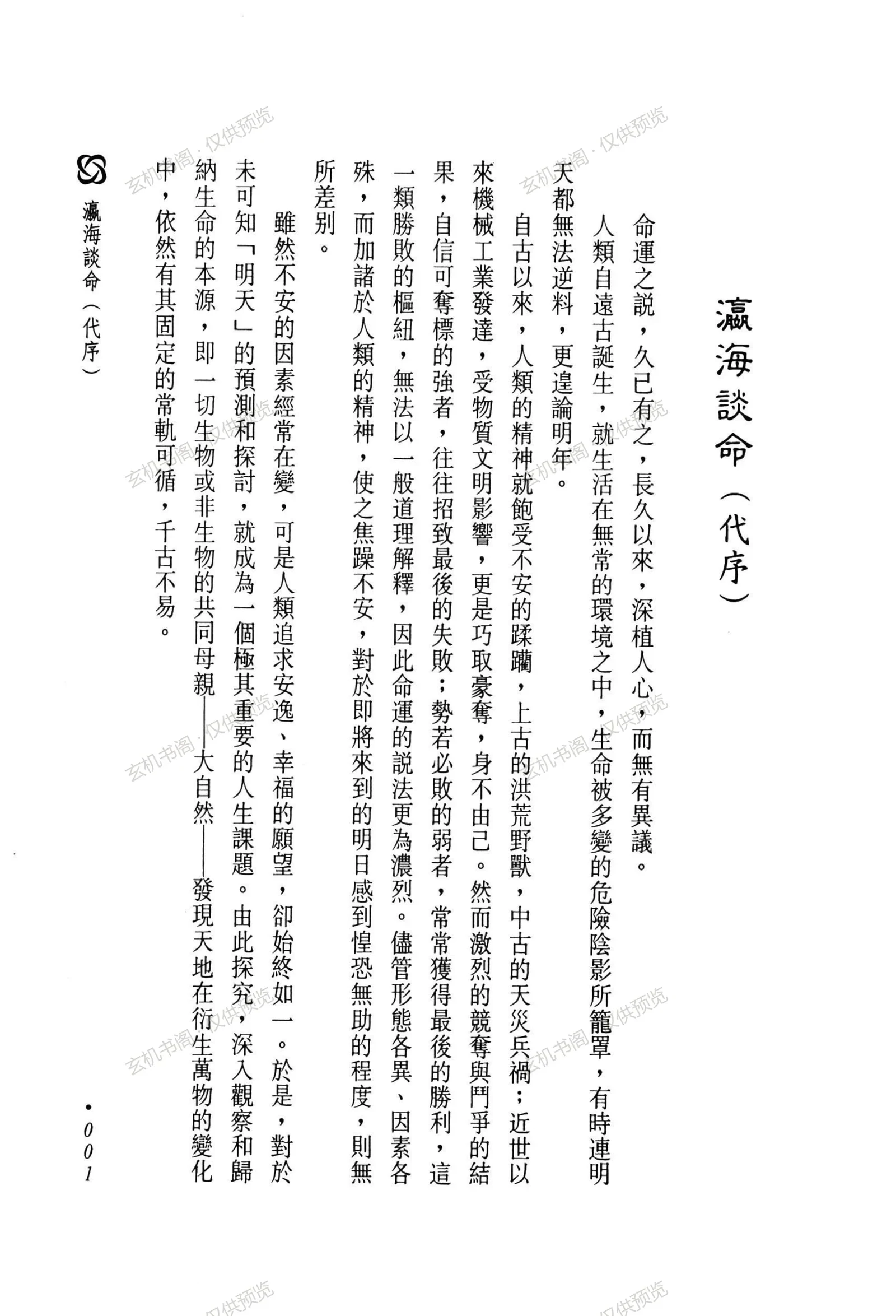
Preface: fate, anxiety, and the basis of astrology
Origins of Zi Wei Dou Shu and star placement
Star qualities: nature and strength of each star
Pattern judgment and the borrowing-palace method
The twelve palaces: life, siblings, spouse, children, wealth, health, and more
Shaping later destiny and avoiding misfortune
Key Points
Star qualities and chart patterns form the core method
The borrowing-palace technique links all twelve palaces
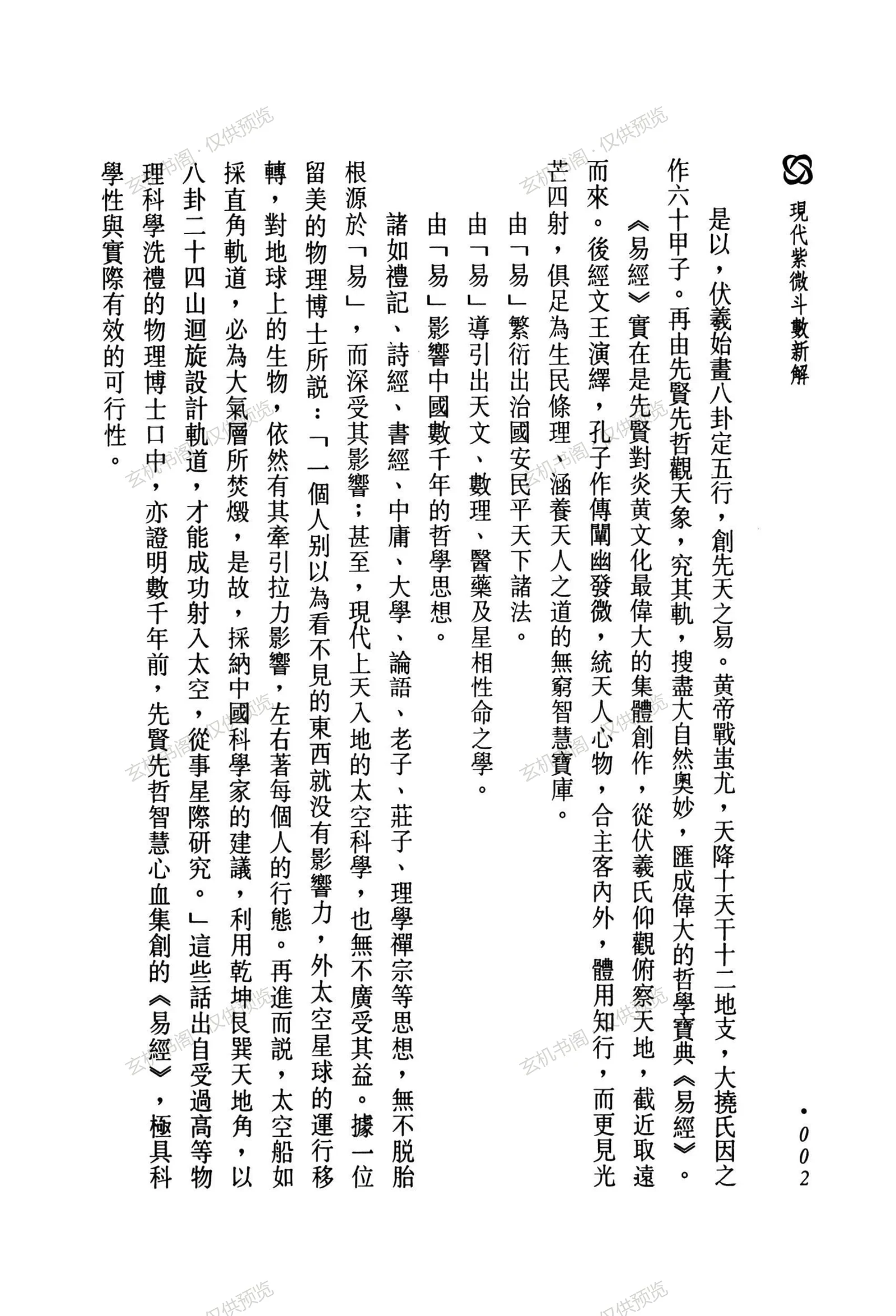
Zi Wei Dou Shu is grounded in the Yijing and natural law
The preface defends astrology with scientific and classical arguments
Each palace must be read with its stars and patterns together