Reading guide
Content guideOverview
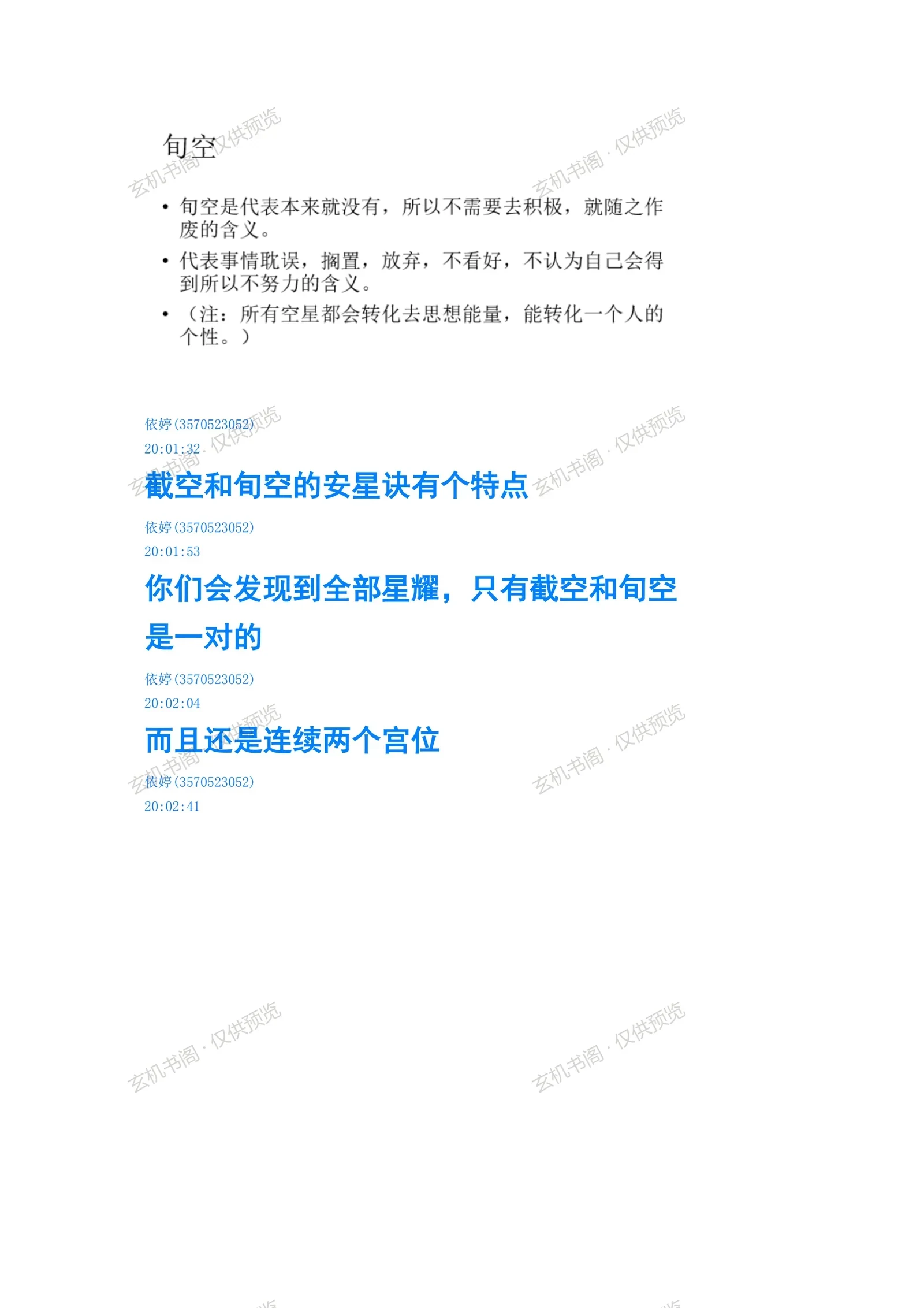
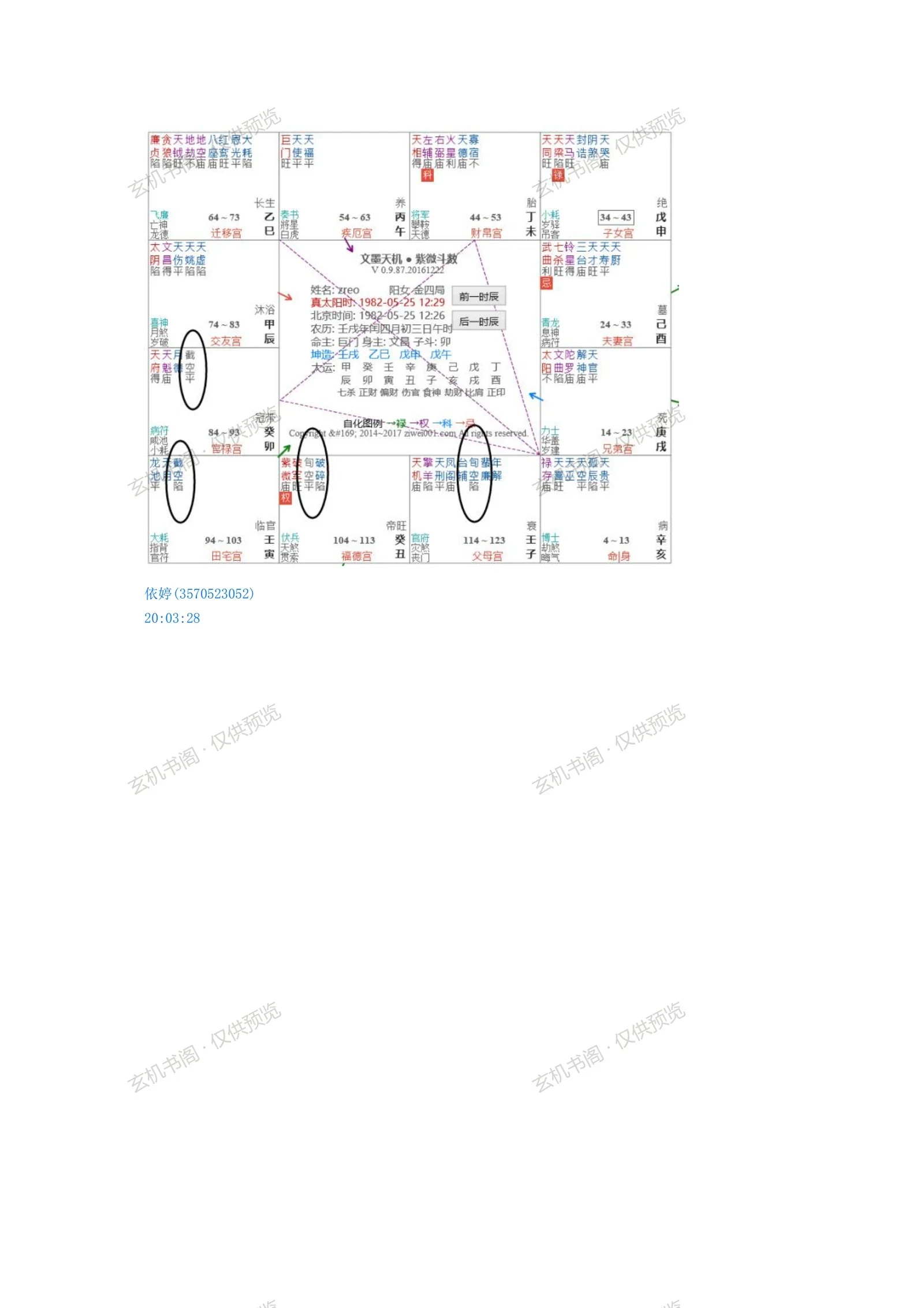
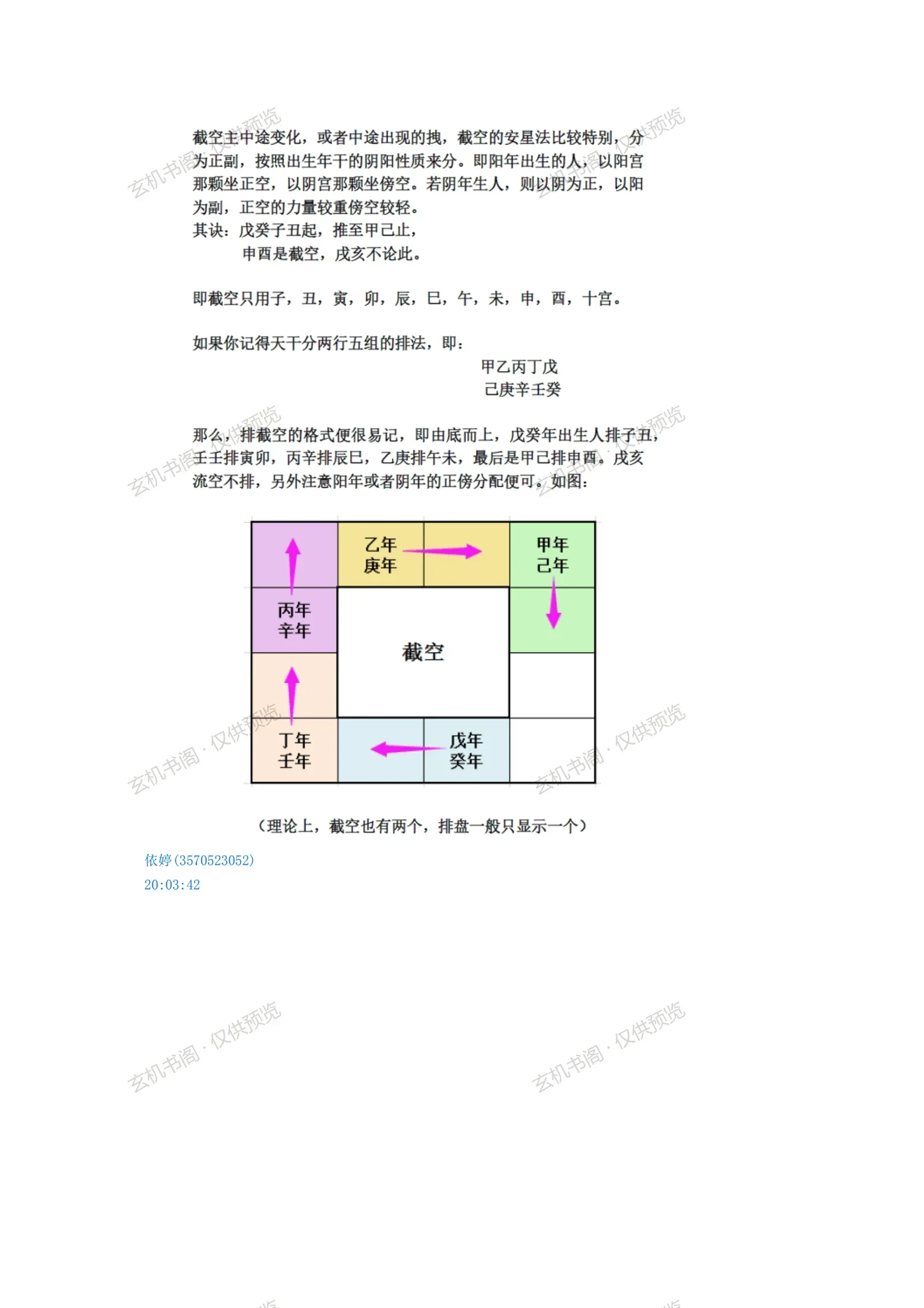
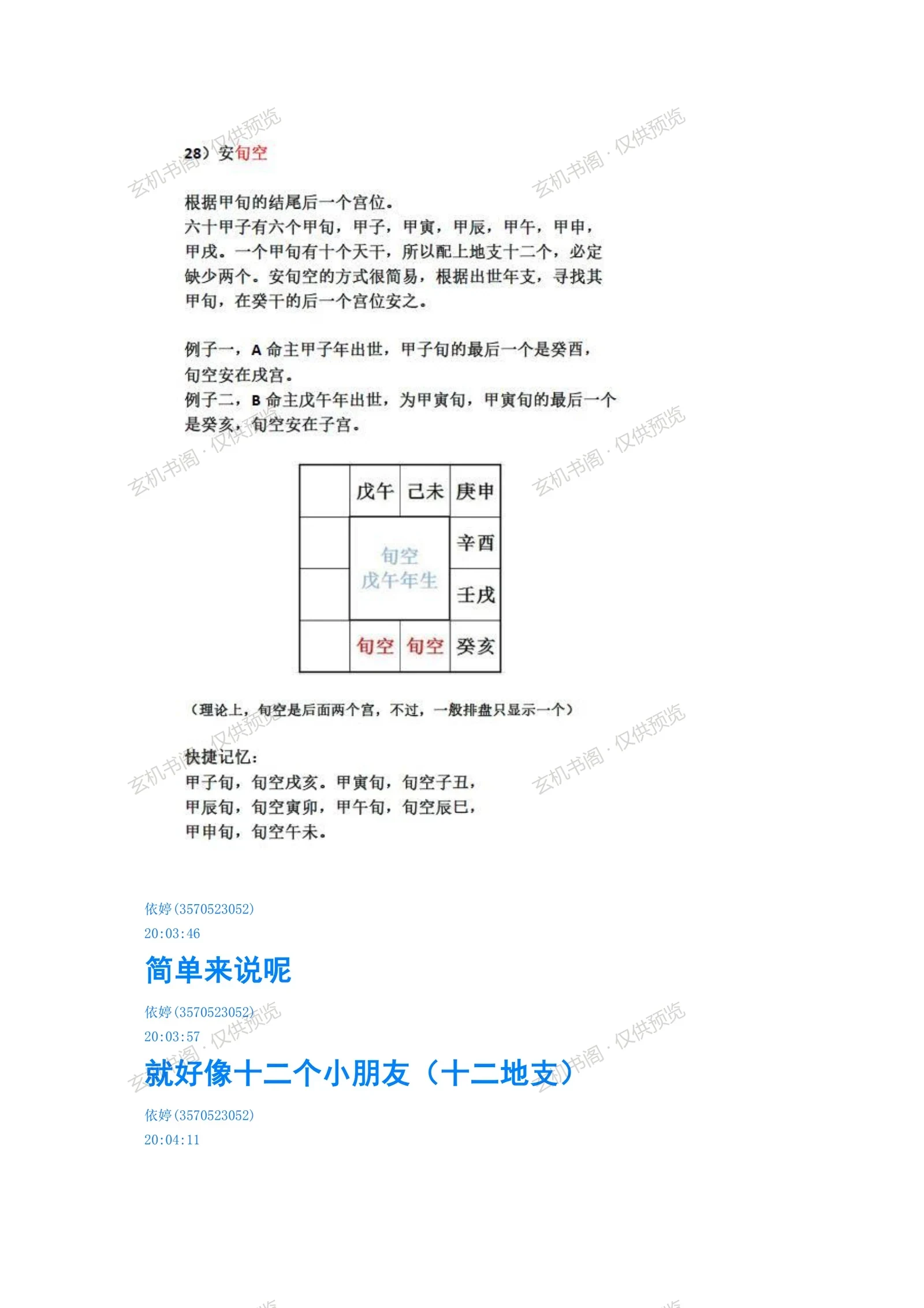
This booklet is a classroom handout on the minor stars of Zi Wei Dou Shu, compiled from chat-style teaching notes. It focuses on Jiekong (Intercepting Void) and Xunkong (Decade Void). Jiekong is explained as obstruction, interception, a filled quota, or something cut off midway; when it meets Lu and Ma it can spoil an otherwise fine configuration, and it can signal a sudden interruption just as one is about to act. Xunkong means something that was never there, so there is no need to push for it; it also stands for delay, shelving and giving up. The notes stress that Jiekong and Xunkong are the only pair among the star-placement rules and always occupy two consecutive palaces, and they explain this via the mismatch between the ten heavenly stems and twelve earthly branches, giving them a 'leftover' or 'spare tire' flavour, especially when they sit in the Spouse or Career palace. The booklet records the mnemonic for placing Jiekong, distinguishes its primary and secondary positions by yin-yang year stems, provides grid diagrams for each year stem, and then sets out the six-decade method for placing Xunkong with worked examples. A sample Zi Wei chart screenshot is included, and the closing pages list the many other minor stars covered in later lessons.
Contents
Meaning of Jiekong: blockage and interruption
Meaning of Xunkong: absence, delay and giving up
Why the two form a pair in consecutive palaces
Yin-yang method and mnemonic for placing Jiekong
Six-decade method and shortcut for placing Xunkong
Sample chart and overview of minor-star topics
Key Points
Jiekong signals mid-course change and failure from insufficient conditions
Xunkong means nothing was there to begin with, so effort is wasted
Jiekong and Xunkong are the only paired stars in consecutive palaces
Ten stems against twelve branches explains their 'leftover' quality
Includes placement mnemonics and a six-decade Xunkong shortcut