Reading guide
Content guideOverview
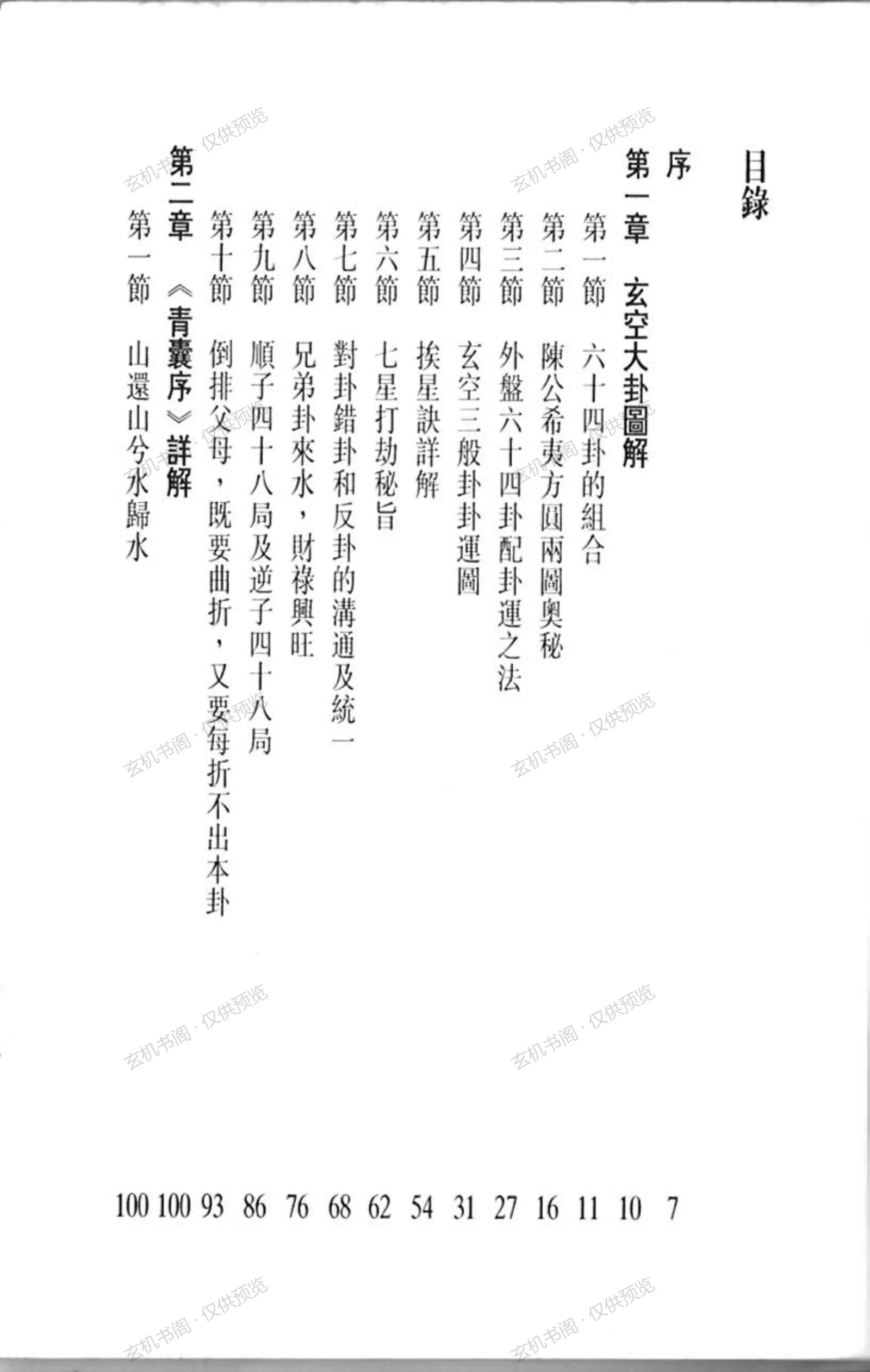
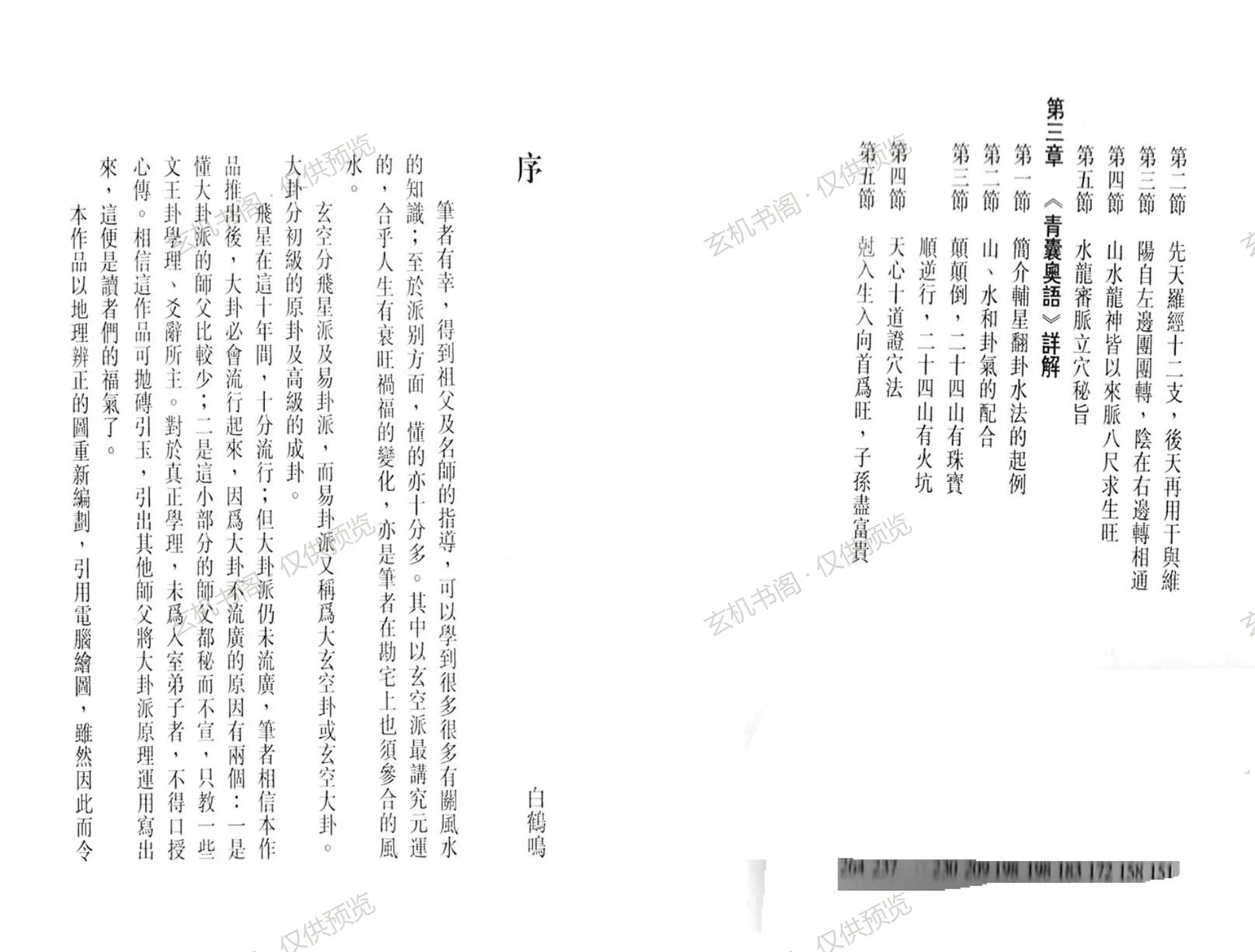
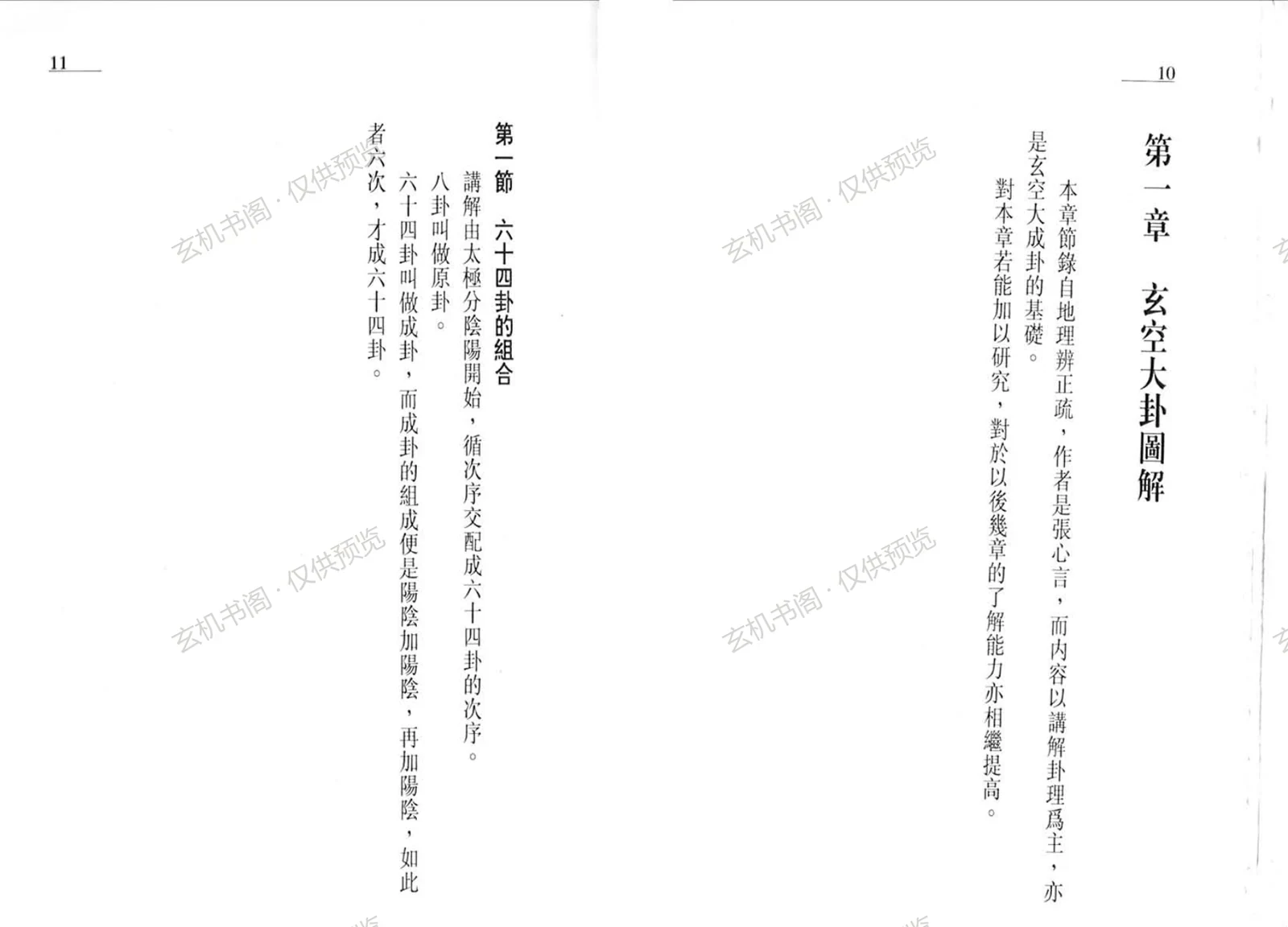
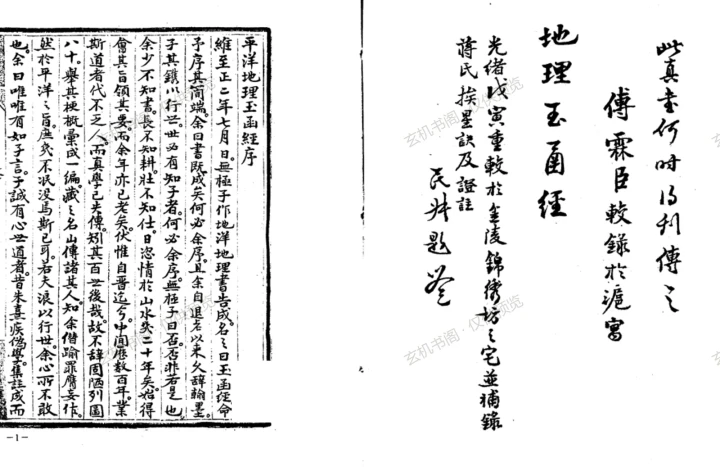
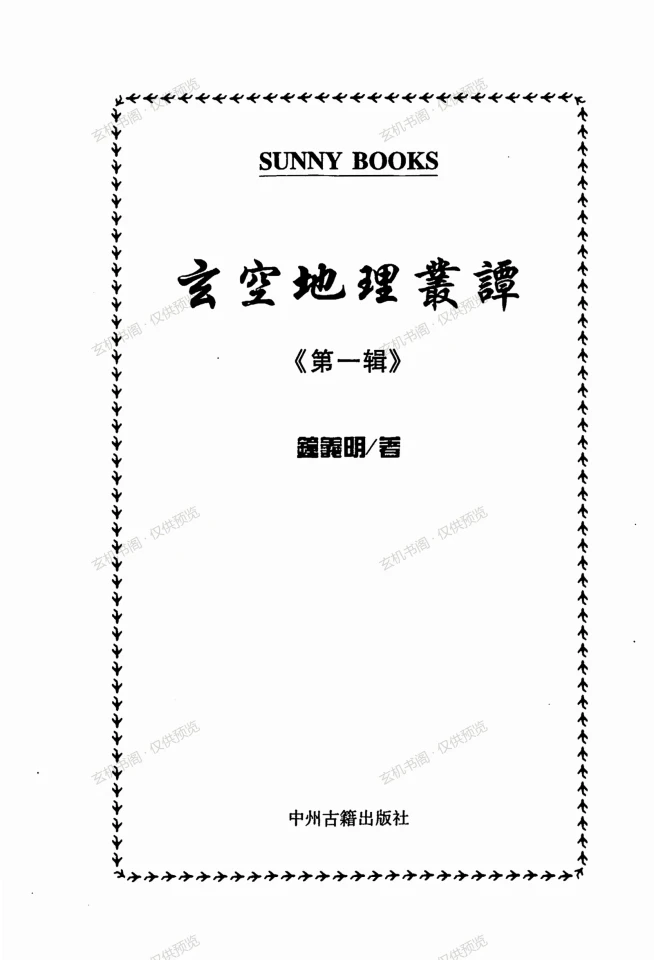
This book by Bai Heming belongs to a series on Chinese esoteric arts and is titled Detailed Explanation of Xuankong Dagu and Flying Stars. Judging from the table of contents and opening pages, it centers on Xuankong Dagu: the composition of the sixty-four hexagrams, the square and round diagrams attributed to Chen Xiyi, the method of assigning hexagrams to the outer plate, the three general hexagram 운 diagrams, and the aixing (star-arranging) formula. It then discusses the secret of the Seven Stars Robbery, the relationships among paired, opposite, and reversed hexagrams, the water positions of brother hexagrams and their effect on wealth, the forty-eight forward and forty-eight reverse configurations, and the inverted arrangement of parents. Chapter Two explains the Qingnang Xu, while Chapter Three explains the Qingnang Aoyu, covering the twelve earthly branches of the prenatal compass, the postnatal stems and diagonals, the left and right rotations of yin and yang, and the dragon-and-water method of siting. The preface notes that the author learned from his grandfather and famous teachers and considers yuanyun (period cycles) essential to the Xuankong school. The book is heavily illustrated and suited to readers with some prior grounding in feng shui.
Contents
Ch. 1: Xuankong Dagu diagrams and sixty-four hexagrams
Outer plate hexagram 운, three general hexagrams, aixing formula
Seven Stars Robbery, paired/opposite/reversed hexagrams, 48 configurations
Ch. 2: Detailed explanation of the Qingnang Xu
Ch. 3: Detailed explanation of the Qingnang Aoyu
Prenatal twelve branches, postnatal stems, dragon and water siting
Key Points
Explains Xuankong Dagu through hexagram combinations and 운 diagrams
Details the aixing formula and the Seven Stars Robbery method
Provides chapter-length annotations of the Qingnang Xu and Qingnang Aoyu
Emphasizes period cycles and compass theory in feng shui analysis
Uses diagrams to clarify hexagram theory and landscape patterns