Reading guide
Content guideOverview
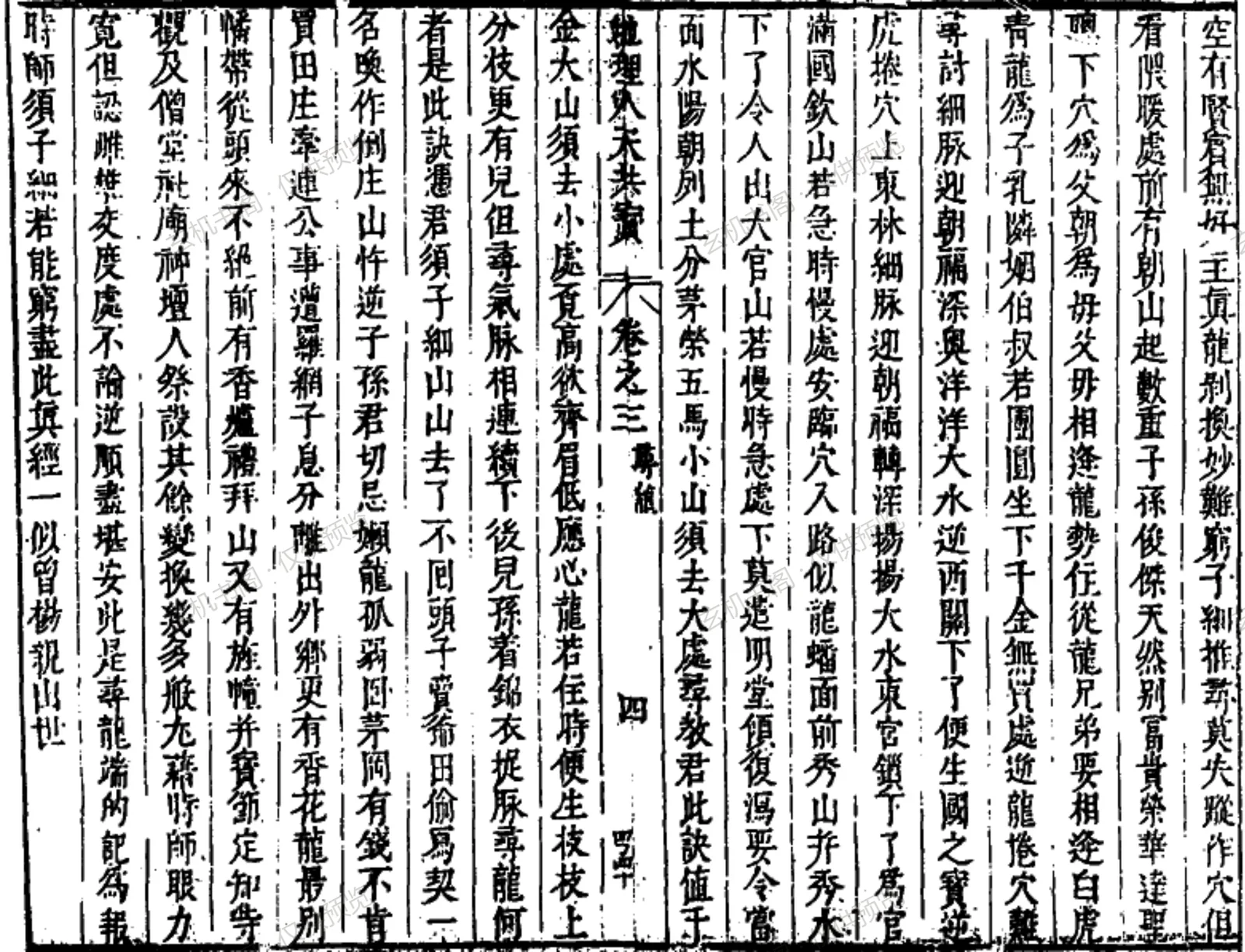
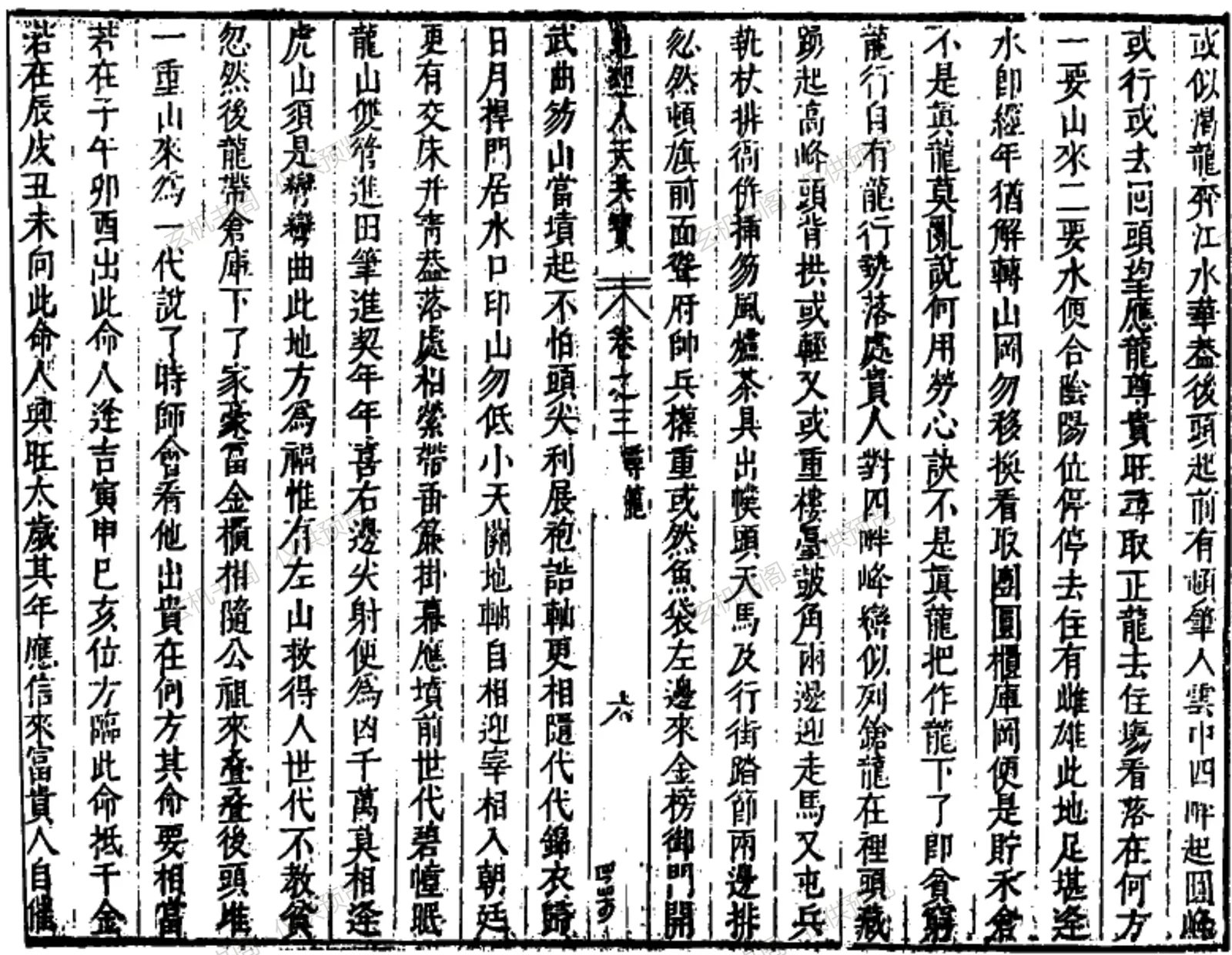
This old text, titled Record of Seeking the Dragon and attributed on its opening page to Zeng Wenchan of the Tang, is a verse-style manual of the form school of feng shui. It begins by teaching how to identify the ancestral and clan mountains from which a dragon vein descends, then distinguishes trunk from branch dragons and explains the supporting and welcoming hills along the way. Much of the book contrasts true and false dragons: a true dragon descends with rises and pauses, gathers its energy, and is flanked by even escorts, with a level bright hall and a locked water mouth, while a false one stands alone without protection. The author then discusses site selection, including the four basic穴 forms and the covering, adhering, leaning and striking methods. Later sections give examples of great and small sites and the human fortunes their forms foretell. Written in terse four- and seven-character phrases and focused on landforms rather than compass theory, it is a representative work of the Zeng Wenchan lineage and suits readers with some grounding in form-school feng shui.
Contents
Seek the clan and ancestral mountains first
Trunk and branch dragons and their escorts
True versus false dragons: descent, bright hall, water mouth
Site methods: the four forms and four approaches
Sand and water responses: brush peaks, flags, granaries
Dragon types and fortune-telling examples
Key Points
Identifying ancestral and clan mountains is the starting point of dragon seeking.
A true dragon rises and pauses, has even escorts, a level bright hall and a locked water mouth.
Site selection stresses the four basic forms and the four approaches, not just star shapes.
Sand and water features such as brush peaks, flags and granaries indicate different fortunes.
The book is mnemonic and form-focused, with little compass or qi-theory content.