Reading guide
Content guideOverview
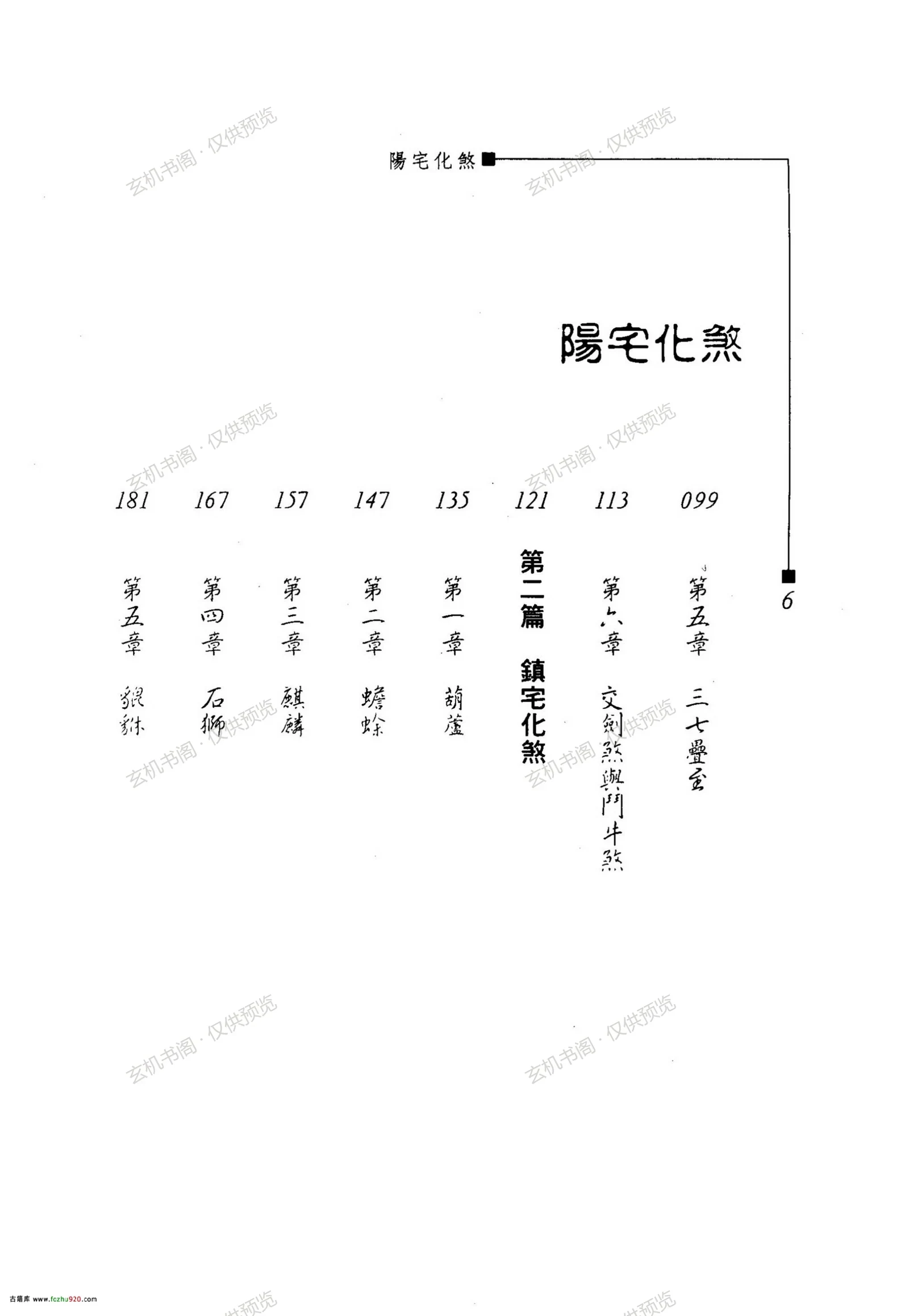
This volume belongs to the Yangzhai Tiandi Congshu series, with the cover title Yangzhai Huasha, attributed to Zhang Jueming and collated by Pan Zuyi. The general preface presents kanyu as a practical Chinese art of observing nature and siting dwellings, dividing it into yin and yang houses and the three branches of xingshi, liqi, and zeri, with emphasis on the interplay of qi and form. The author's preface criticizes practitioners who hoard techniques under the guise of heavenly secrets and argues for making traditional zhenzhai huasha methods public so students can enter the field without secret transmission. The table of contents shows two parts: the first on feng shui sha qi, with chapters on dacheng, sansha, erwu jiaojia, and jiuqi hezhe; the second on zhenzhai huasha, organized by object, including hulu, chanshu, qilin, shishi, and pixiu, plus items such as the thirty-seven beasts, swords and mirrors, and menniu and jiaocha sha. The book discusses house form, qi field, and apotropaic objects in traditional technical language.
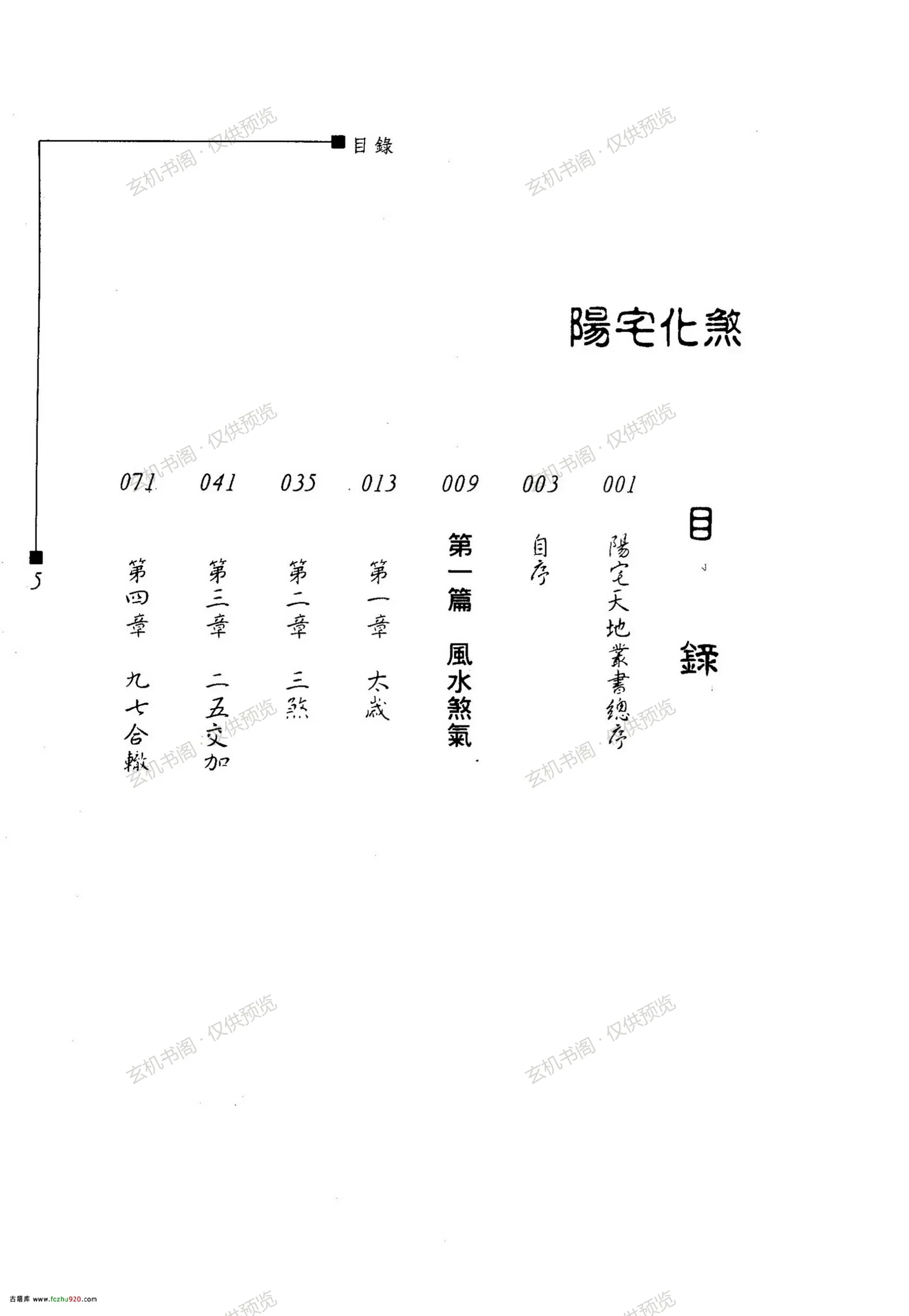
Contents
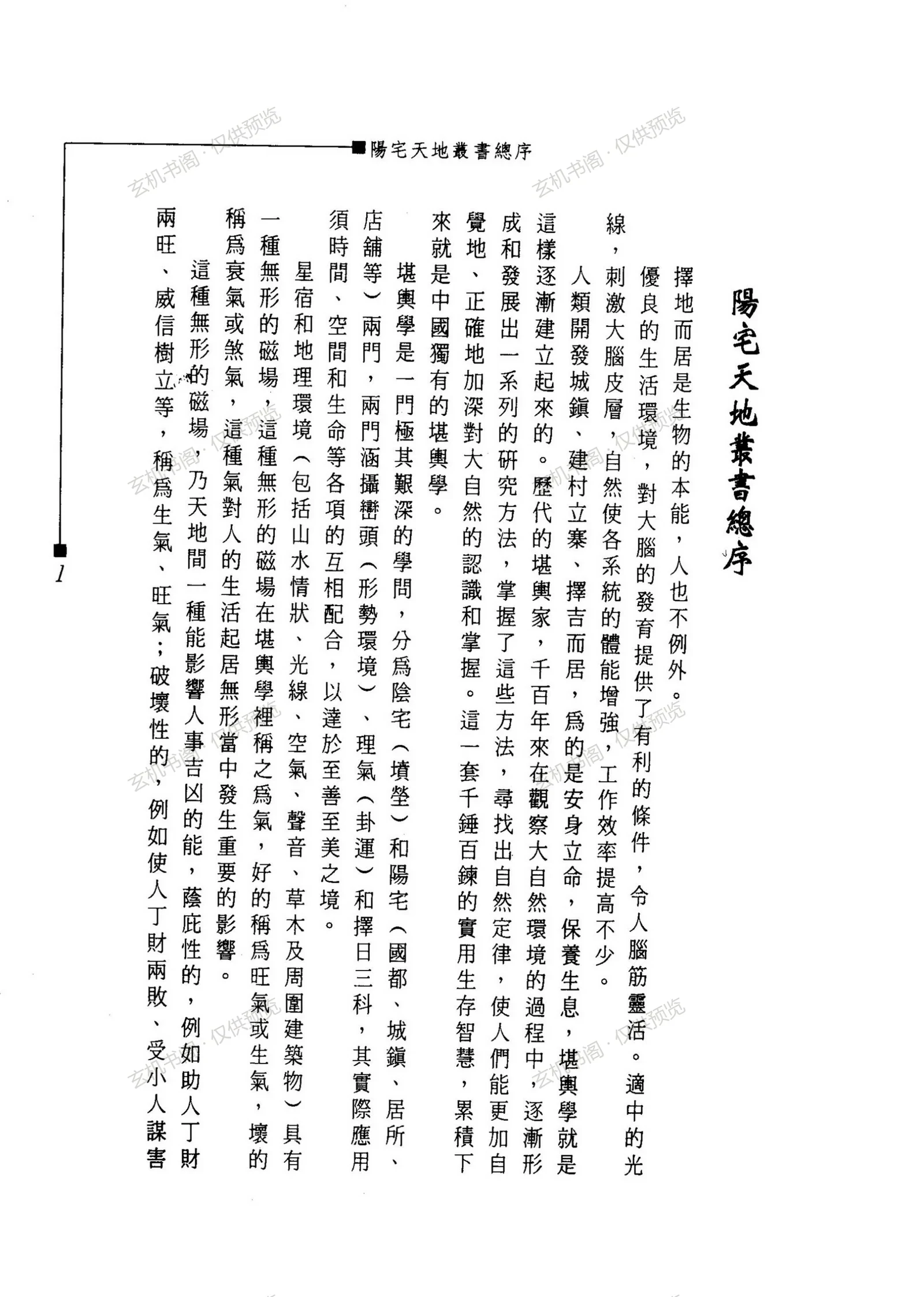
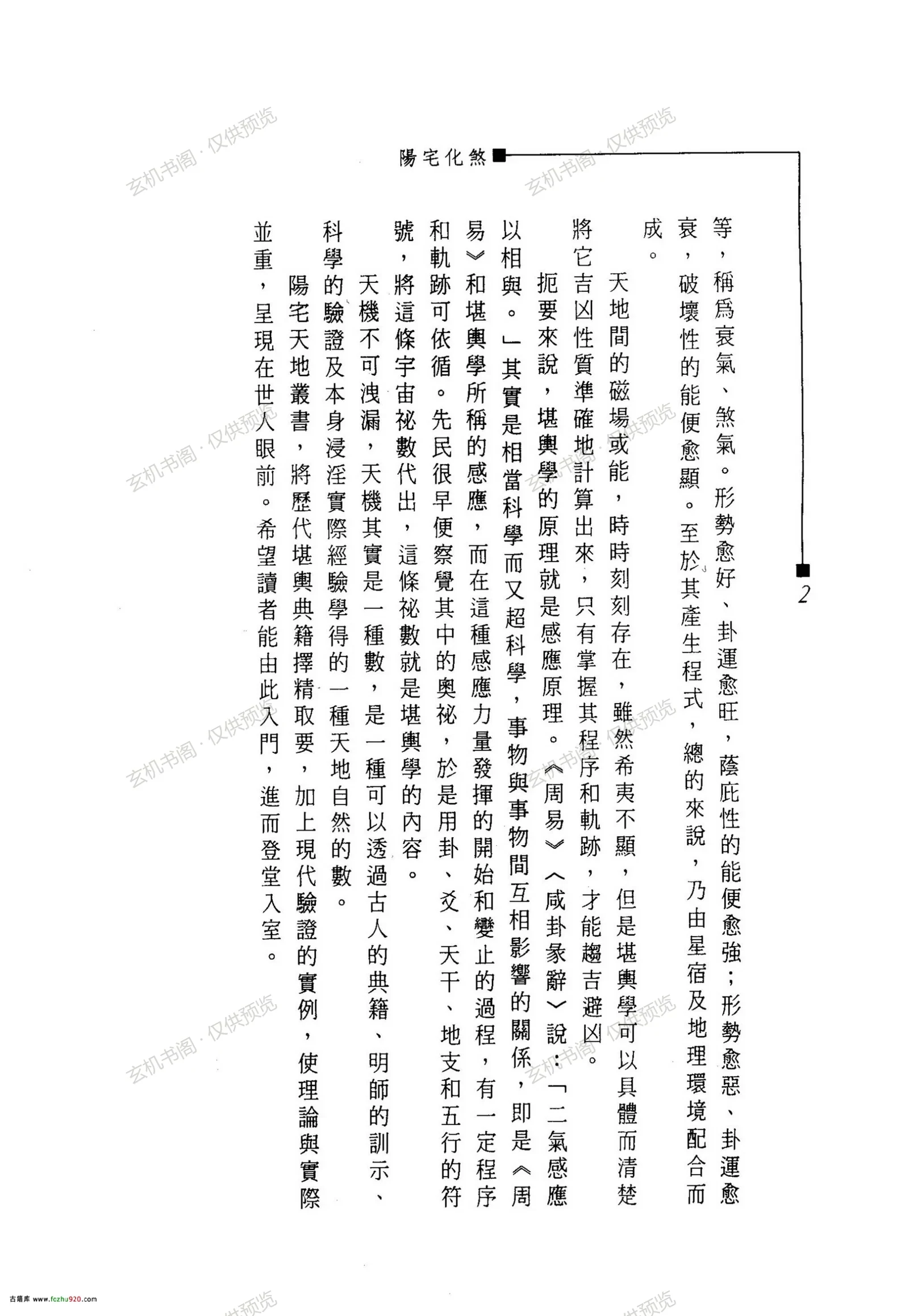
General preface: kanyu and the series
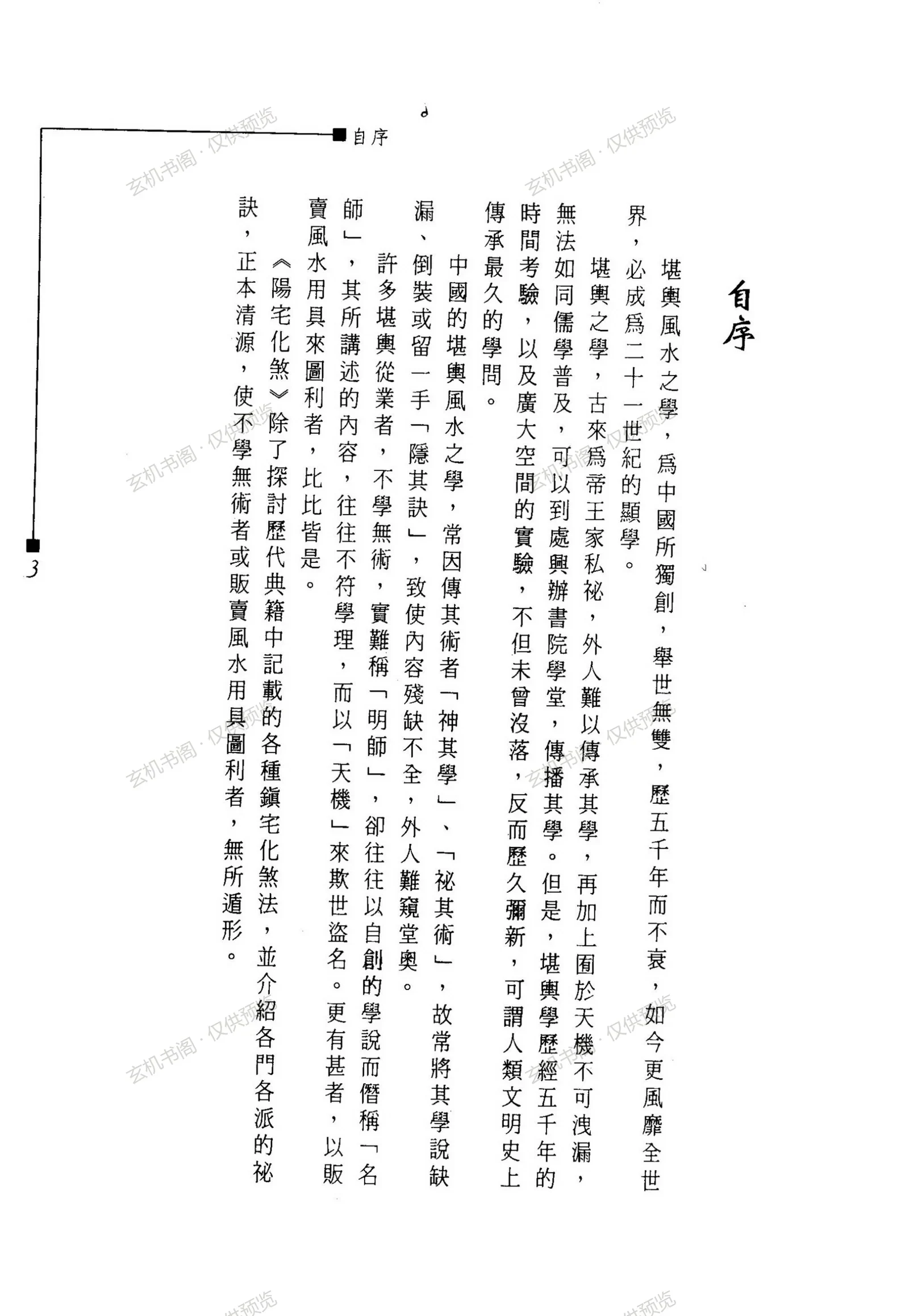
Author's preface: opening huasha methods
Part 1: feng shui sha qi, dacheng and sansha
Erwu jiaojia and jiuqi hezhe
Part 2: zhenzhai objects, hulu and chanshu
Qilin, shishi, pixiu and related objects
Thirty-seven beasts, swords, mirrors and miscellany
Key Points
Treats yang houses through xingshi, liqi, and zeri
Sha is calculated from gua yun, stars, and five phases
Huasha relies mainly on physical apotropaic objects
Argues for publishing traditional zhenzhai methods
Stresses resonance between qi and form