Reading guide
Content guideOverview
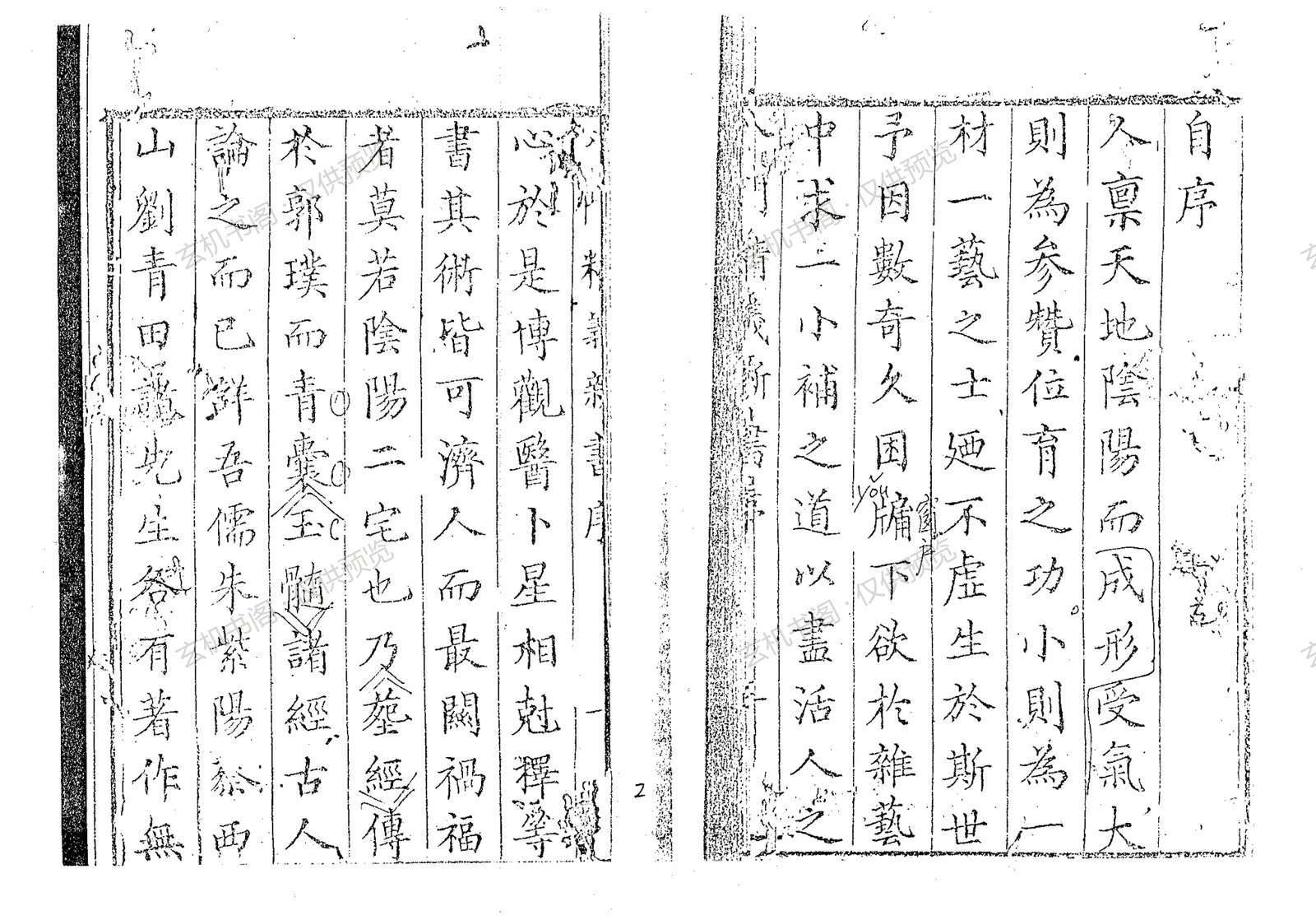
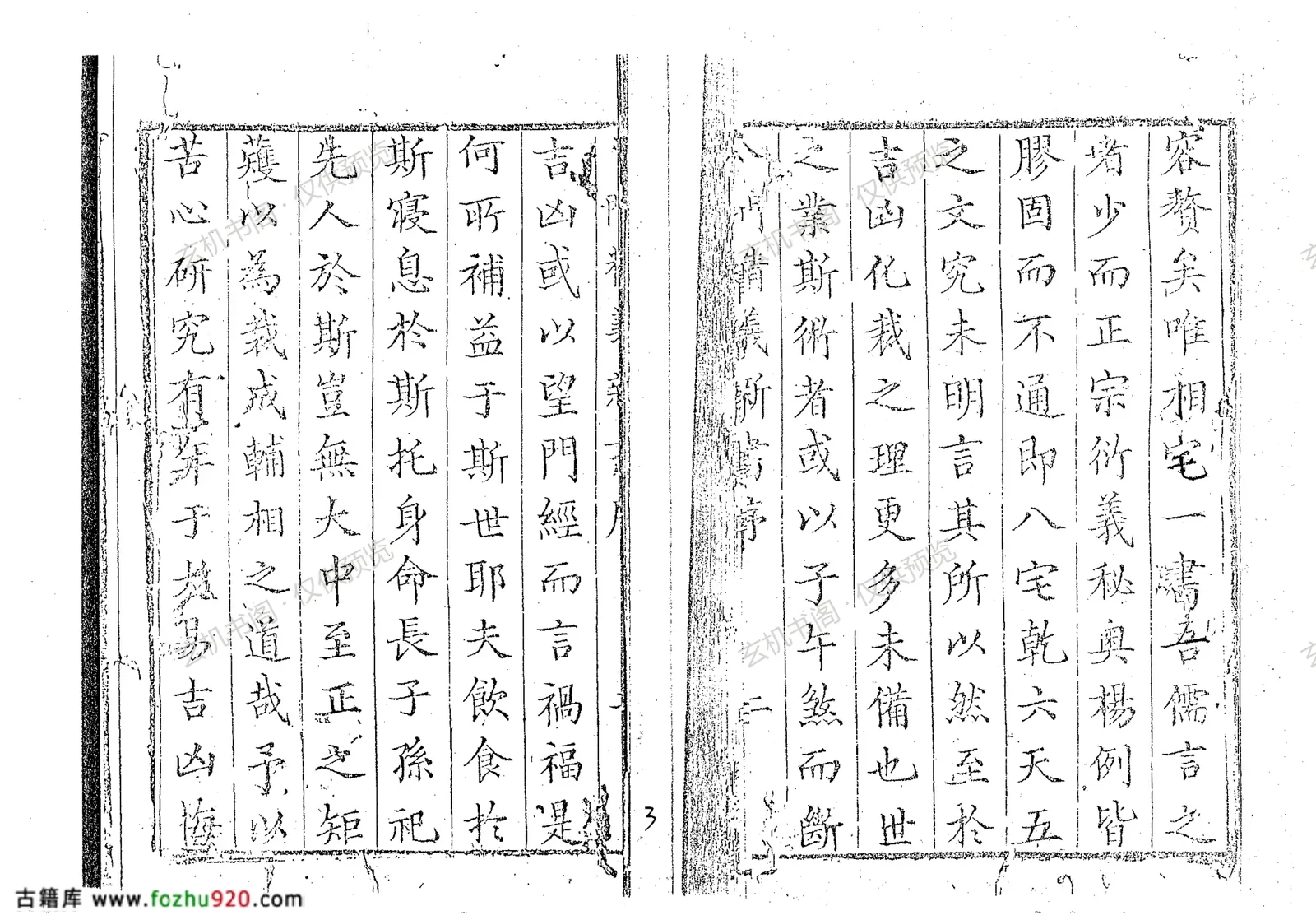
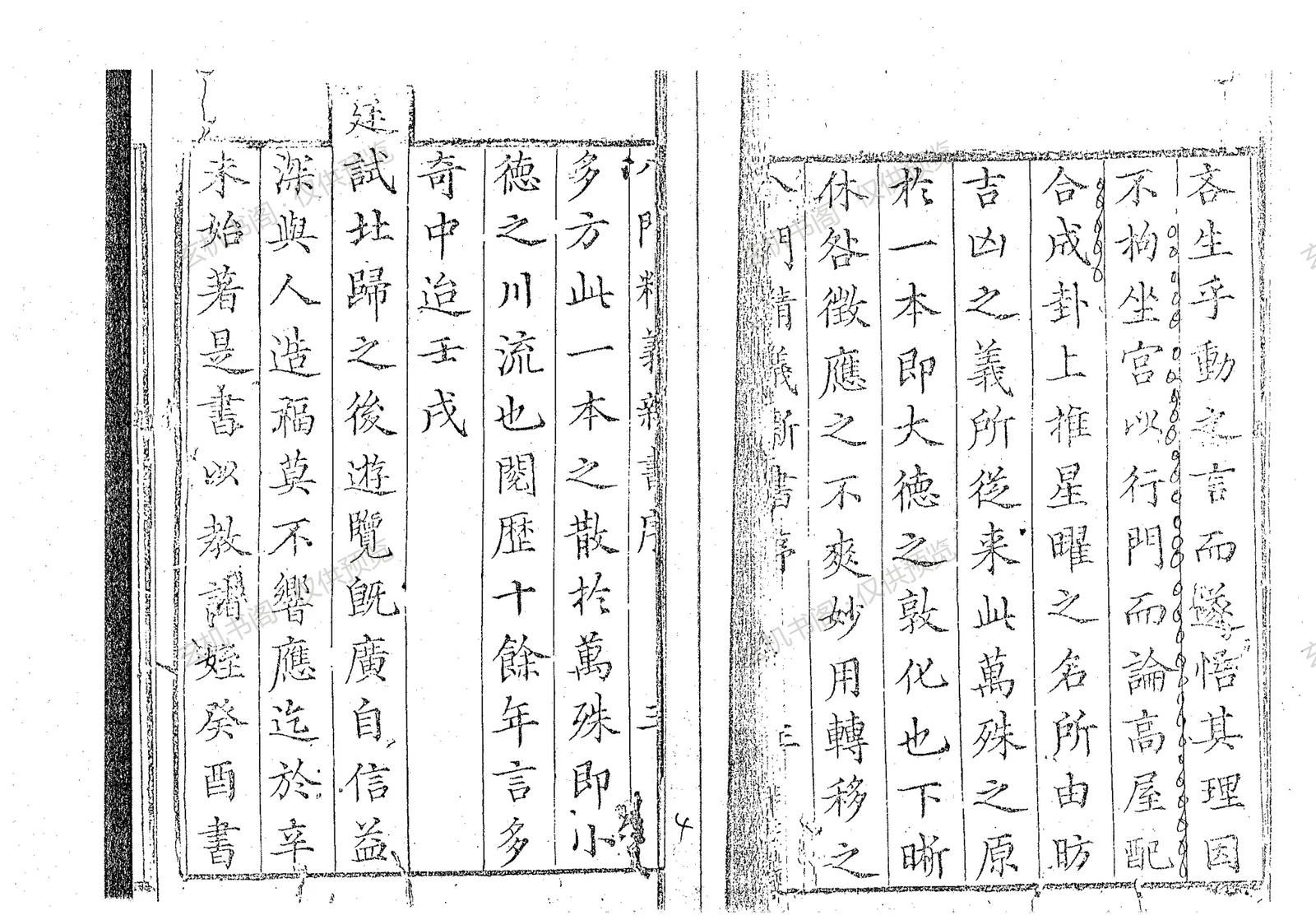
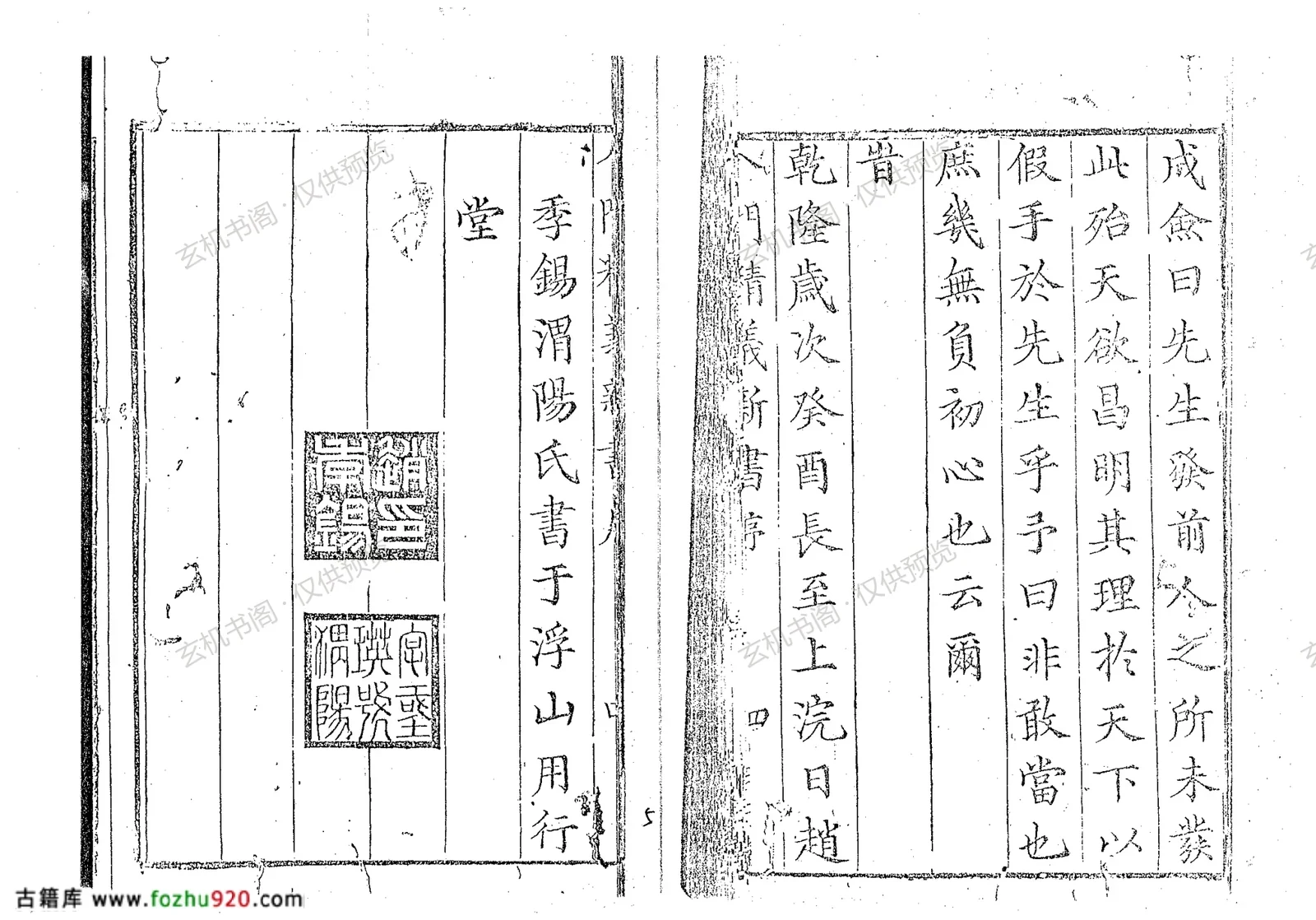
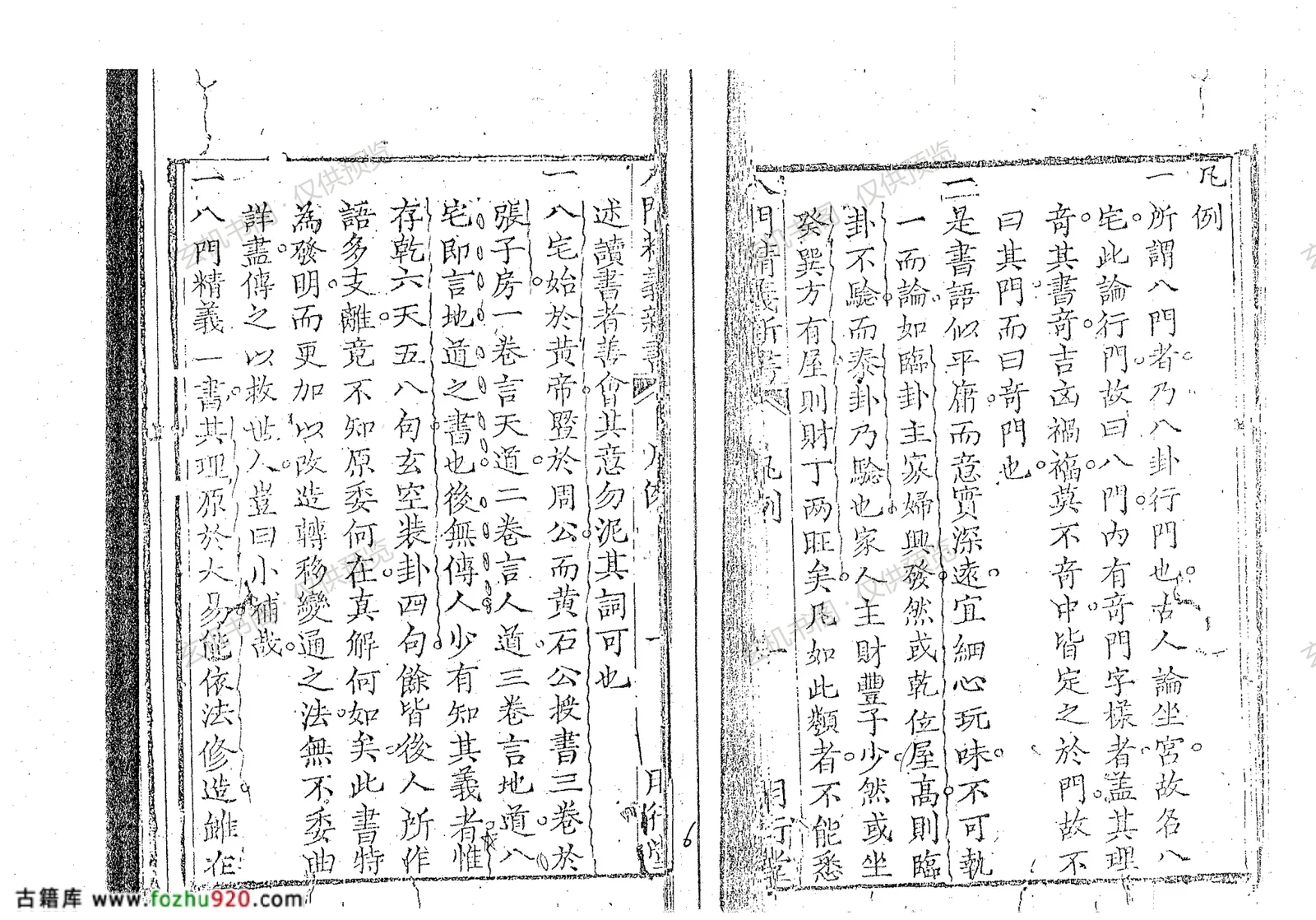
The New Book of Yangzhai was compiled by Zhao Weiyang in the Qing dynasty. In his preface Zhao explains that after surveying medical, divinatory, astrological and geomantic literature he found earlier residential manuals such as the Yangzhai Shishu scattered and unsystematic, and so organised this work around the 'Eight Gates'—the eight trigram gate positions—to assess the auspiciousness of a dwelling. The fanli (editorial notes) define the Eight Gates, discuss their relation to Qimen Dunjia, and cite traditions attributing the method to Zhang Liang and Huang Shigong. The book covers sitting orientation, gate positions, star placements and the nine-palace distribution. The end of the text dates the work to the guiyou year of the Qianlong reign (1753), printed from the Wenhui Tang blocks.
Contents
Preface: origins of the work and family learning
Editorial notes: Eight Gates, Qimen and trigram gates
Eight-house layouts and nine-palace distribution
Gate auspiciousness and star correspondences
Critique of earlier yangzhai texts
Key Points
Core method judges houses via the Eight Gates and trigrams
Combines Qimen Dunjia with eight-house feng shui
Traces the tradition to Zhang Liang and Huang Shigong
Dated to 1753, Wenhui Tang edition