Reading guide
Content guideOverview
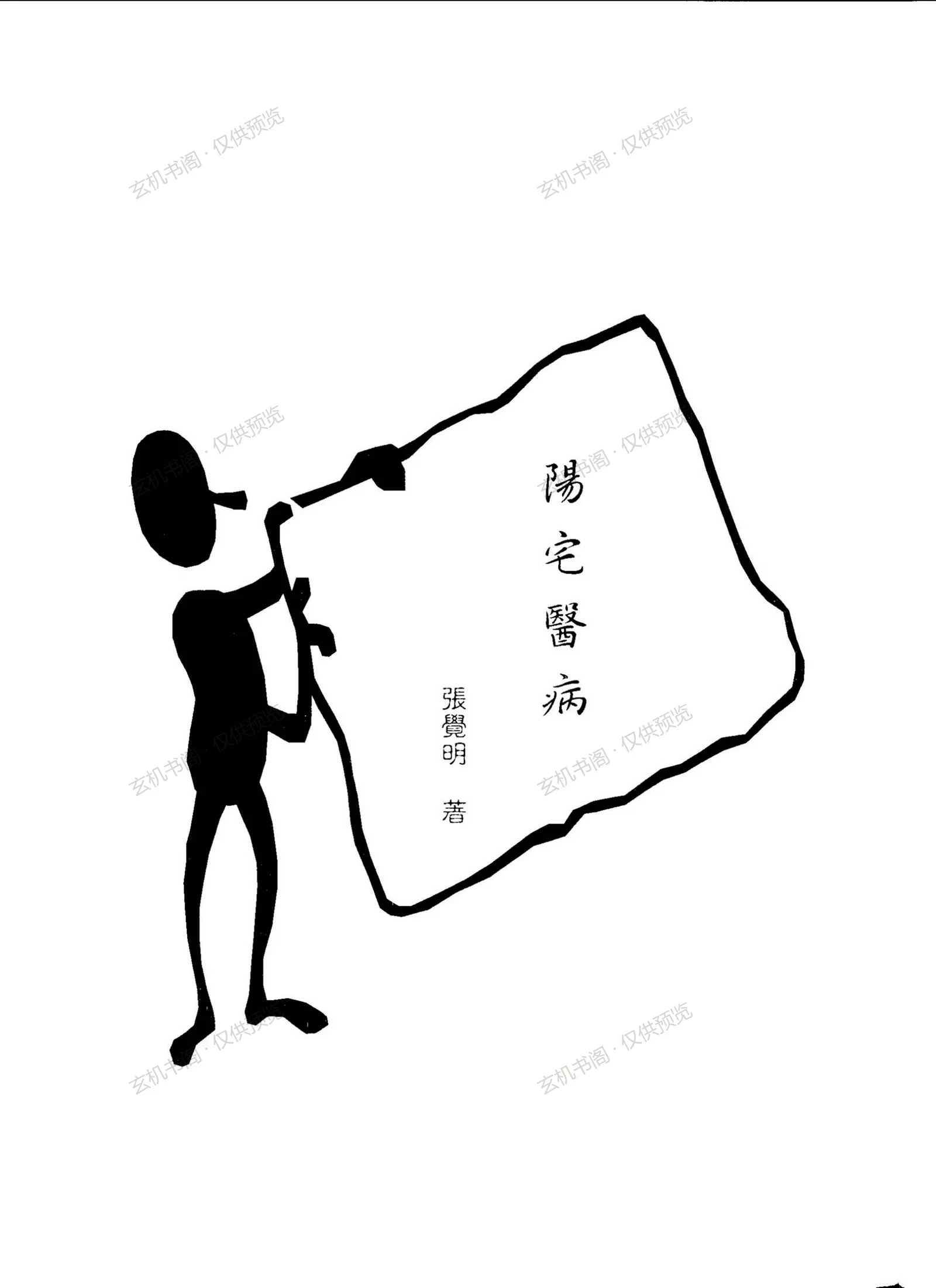
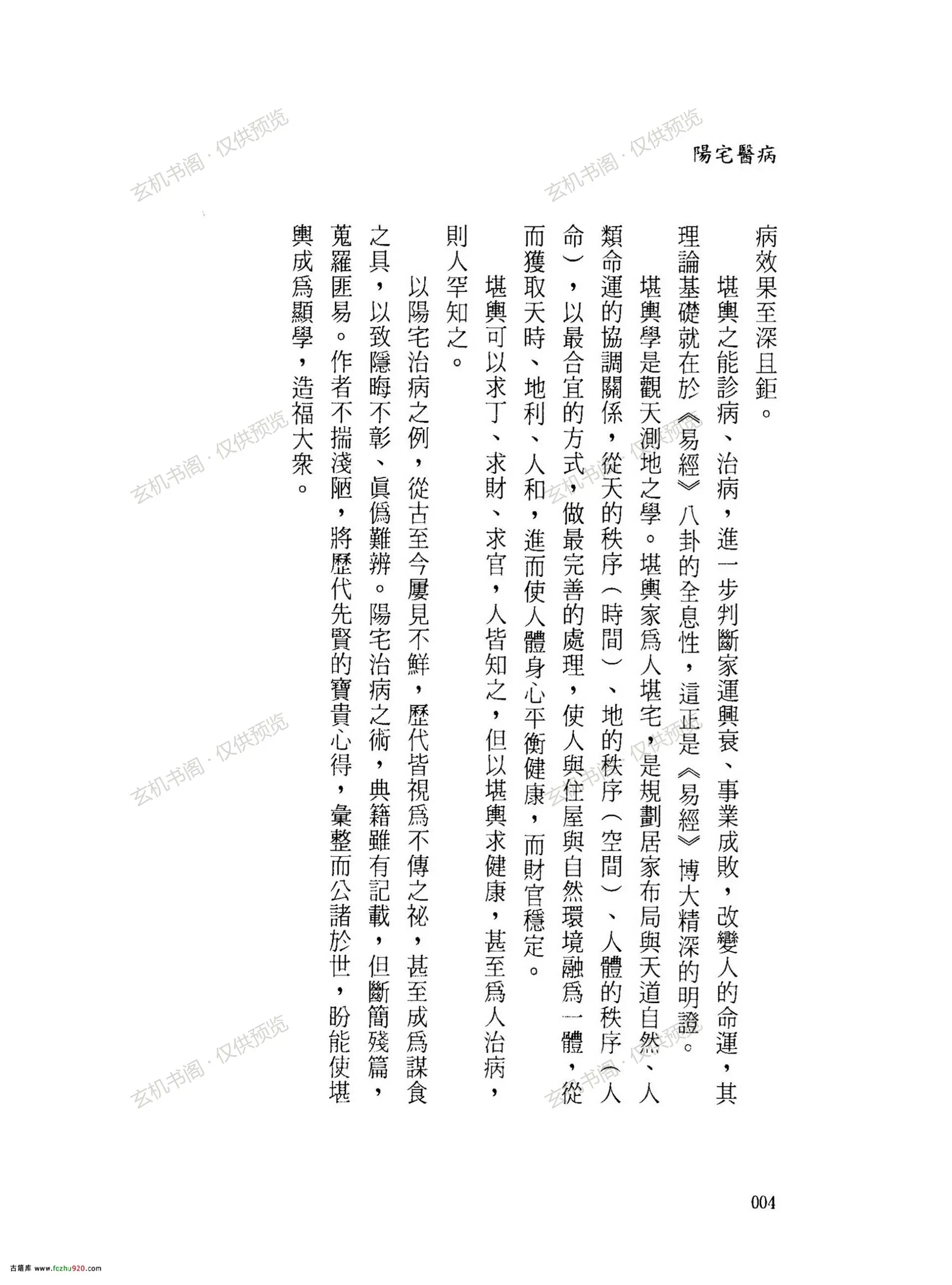
This book by Zhang Jueming treats yangzhai (dwelling) feng shui through the lens of Chinese medicine: just as a physician treats illness, the dwelling can be 'healed' by adjusting its environmental patterns. Zhang argues that kanyu and Chinese medicine share a common root in the Yijing. The text first discusses qi and magnetic fields—auspicious shengqi and wangqi versus weakening shuiqi and shaqi—then divides kanyu into xingshi (landform) and liqi (pattern) schools. Xingshi considers mountains, water, light, air, sound, vegetation, and surrounding buildings; liqi considers gua luck, constellations, time-space, and the rhythms of life. The author holds that 'heavenly secrets' are really a kind of number, traceable through gua lines, heavenly stems, earthly branches, and the five phases, and insists that ideal feng shui balances form and pattern with practical verification. Written for general readers, the book distills classical sources and pairs theory with modern examples.
Contents
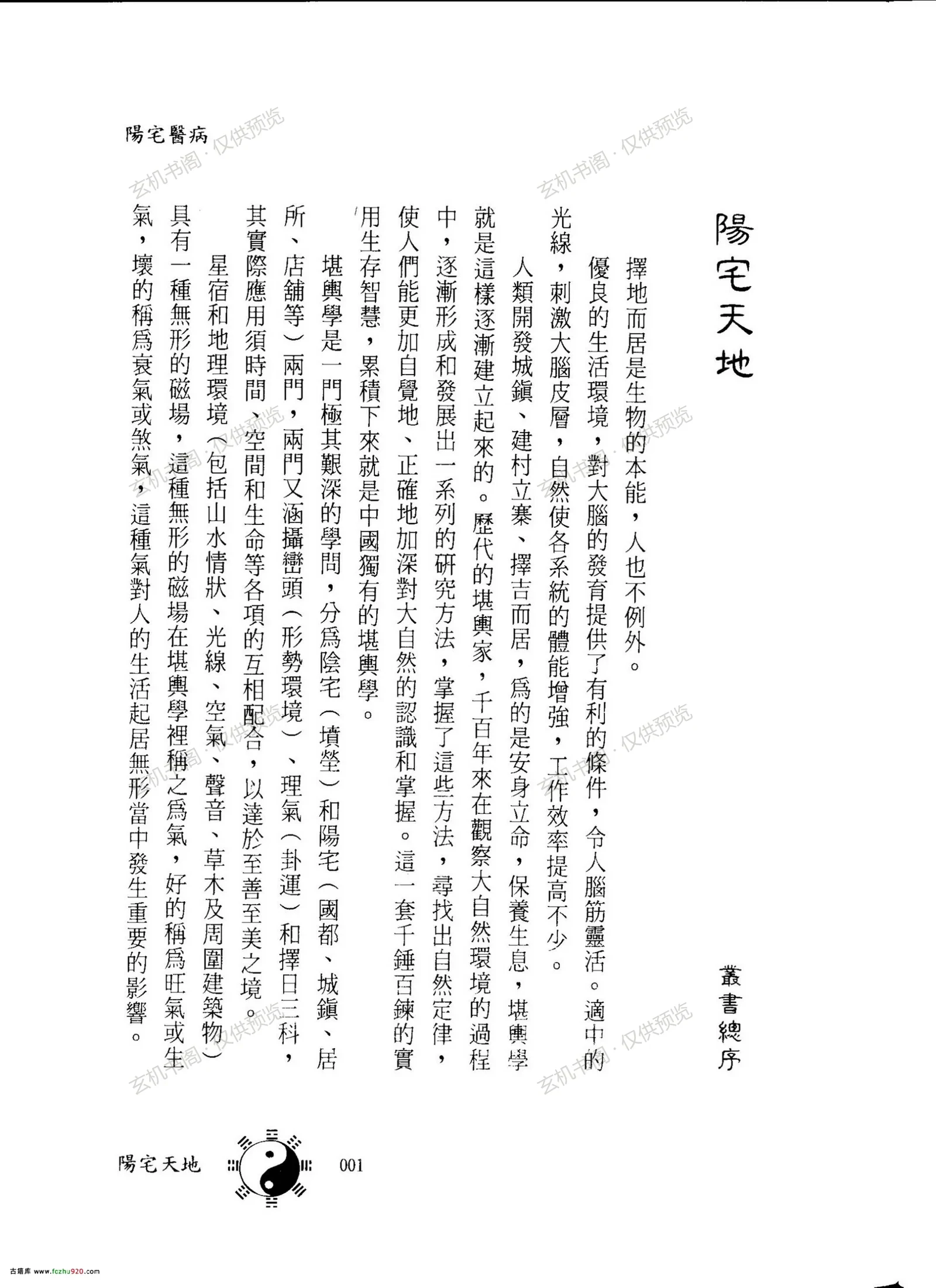
Series preface: kanyu and the yangzhai world
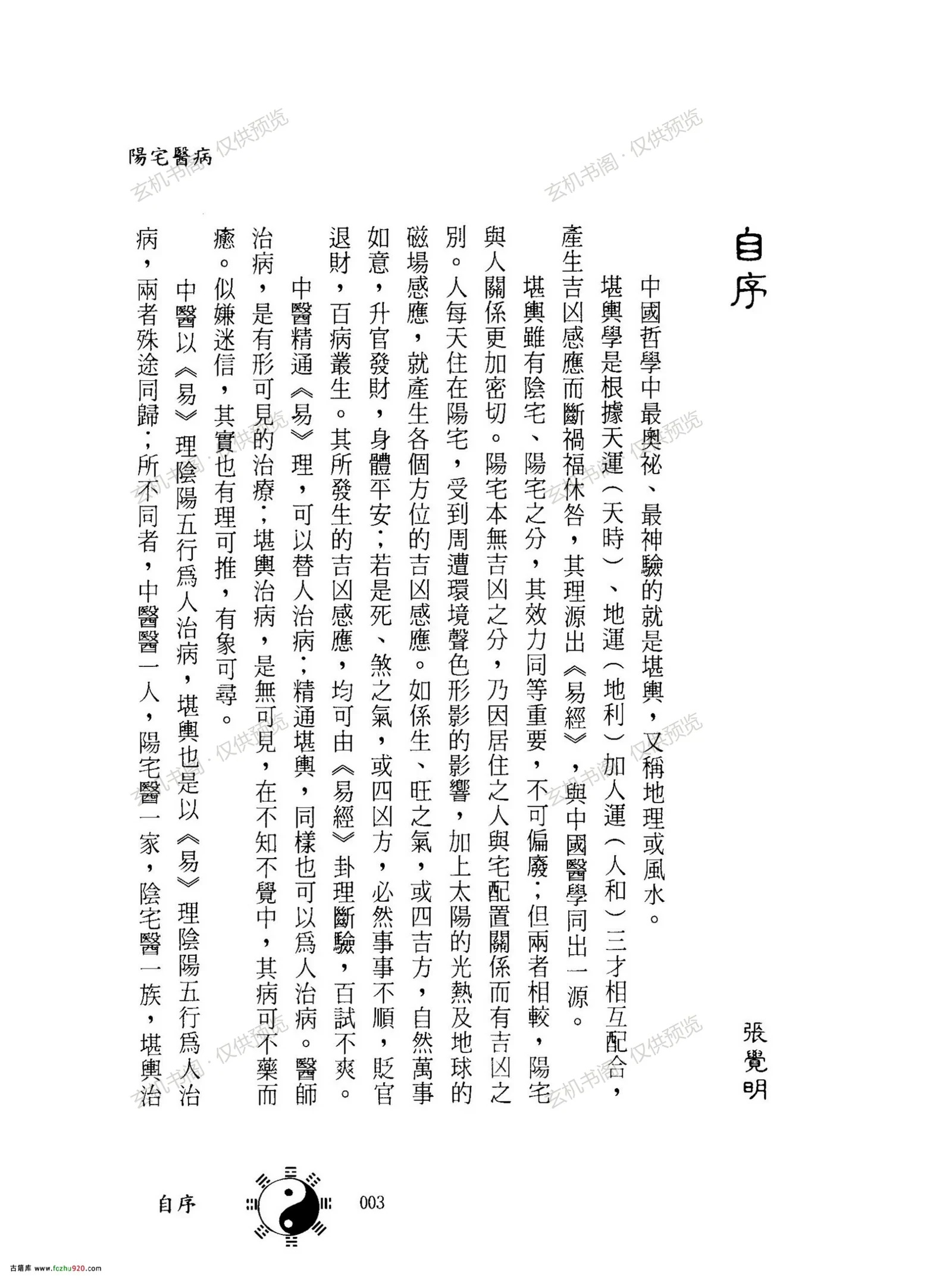
Author's preface: the house as patient
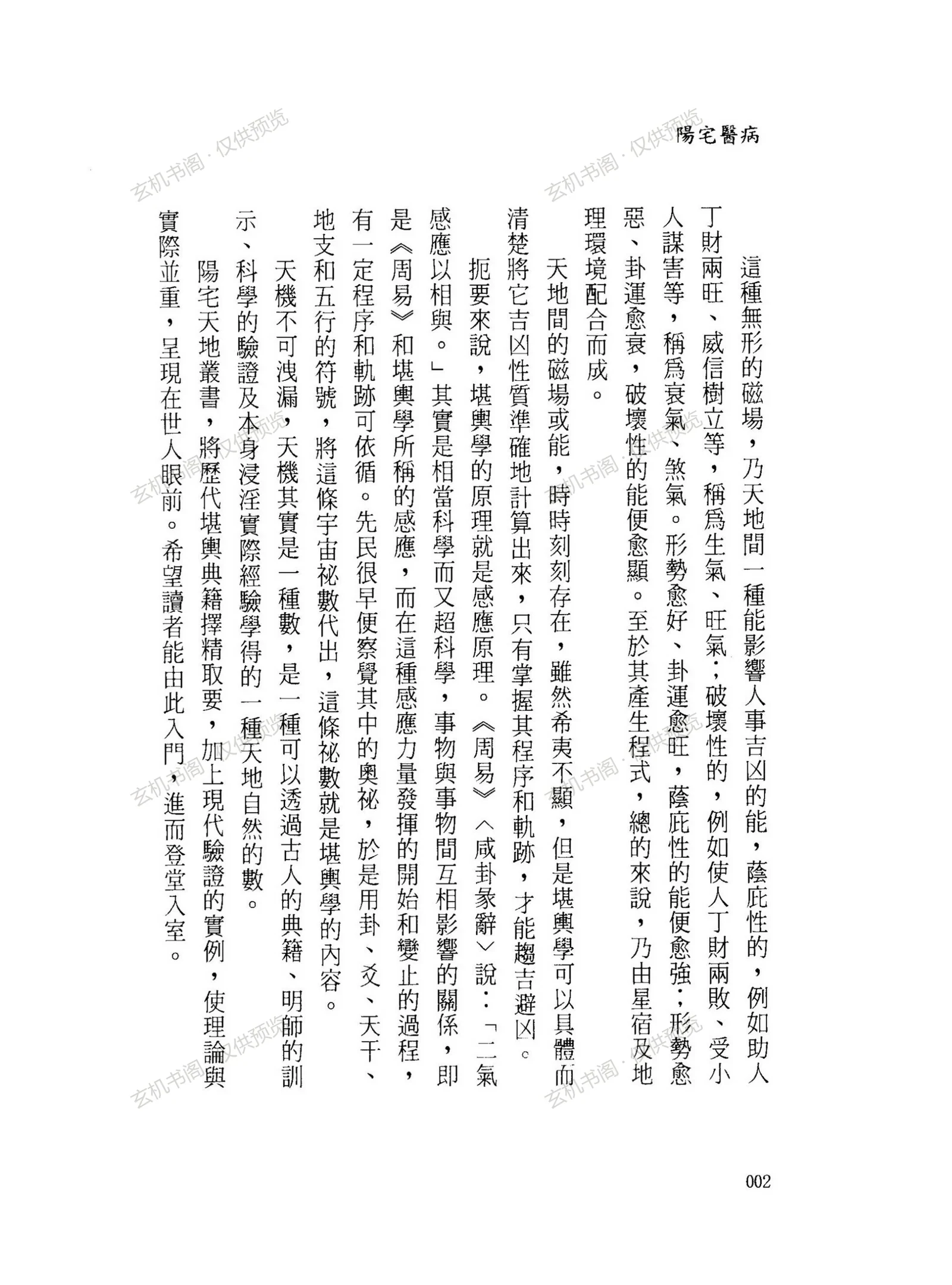
Qi and magnetic fields: wangqi, shuiqi, shaqi
The two gates of xingshi and liqi
Divination with gua, stems, branches, and phases
Balancing form and pattern with case verification
Key Points
Reads yangzhai fortune through Yijing resonance
Treats the dwelling as something that can be 'cured'
Distinguishes auspicious shengqi from harmful shaqi
Divides kanyu into xingshi and liqi schools
Insists on balancing form and pattern
Uses gua, stems, branches, and phases to model time-space