Reading guide
Content guideOverview
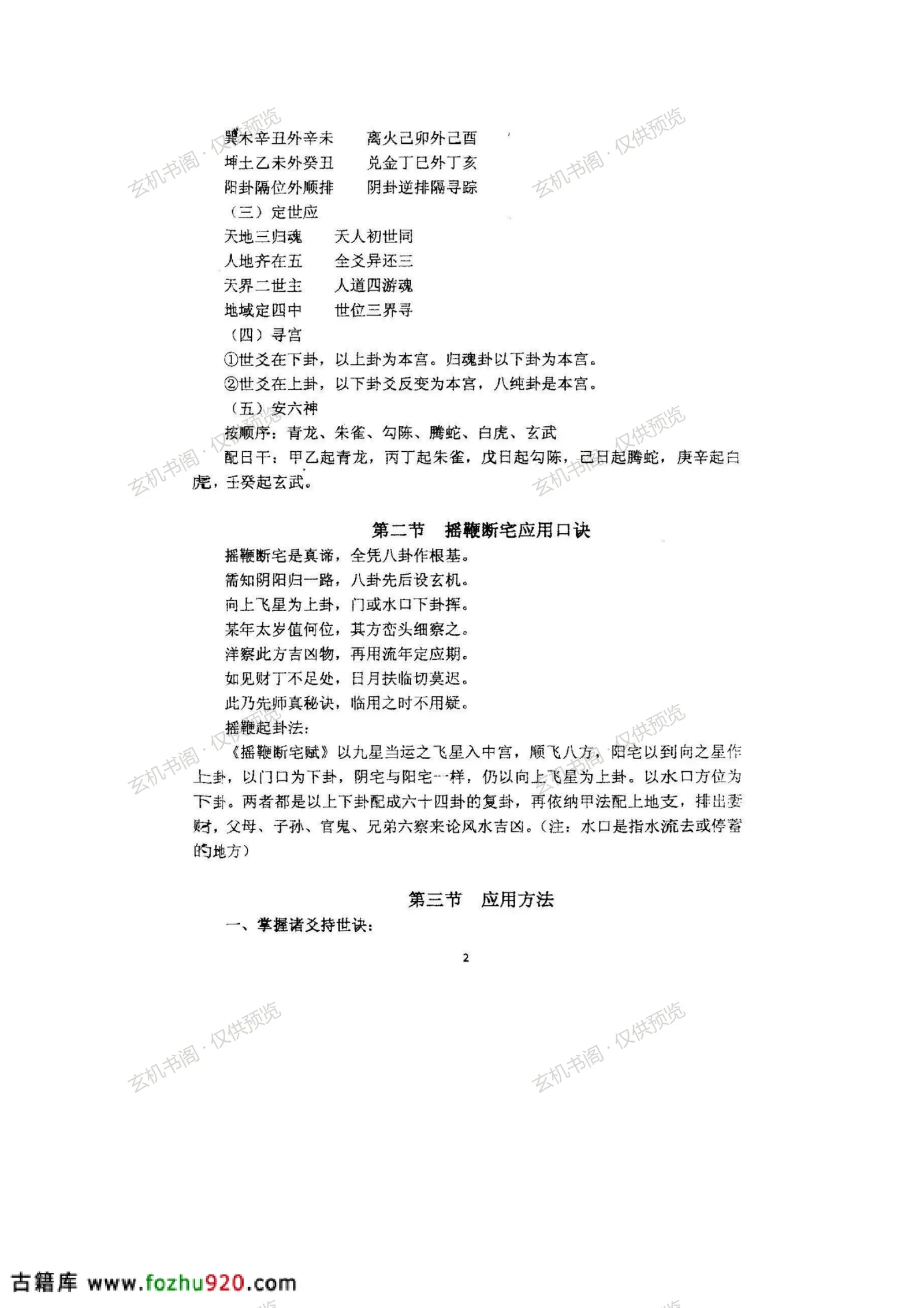
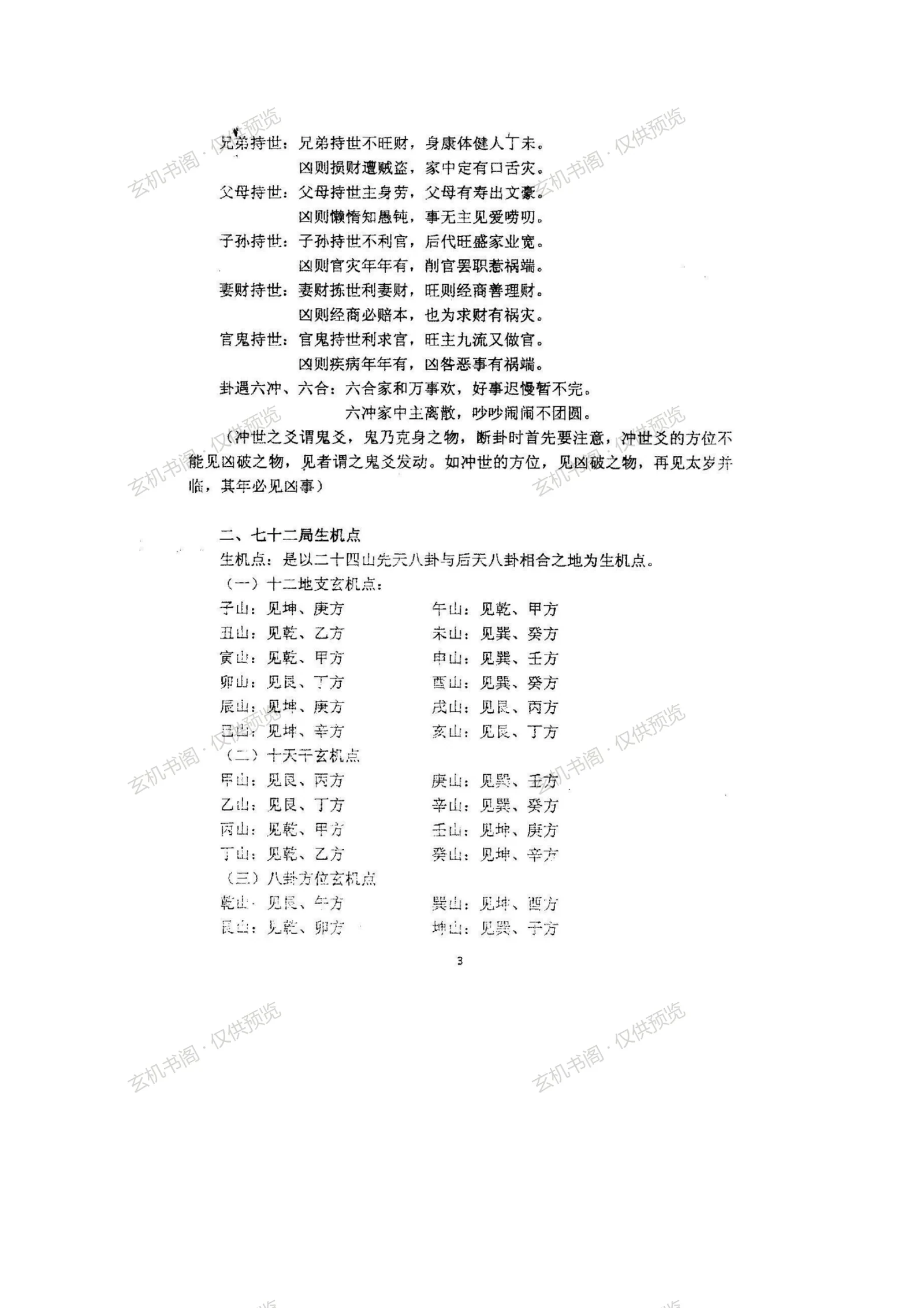
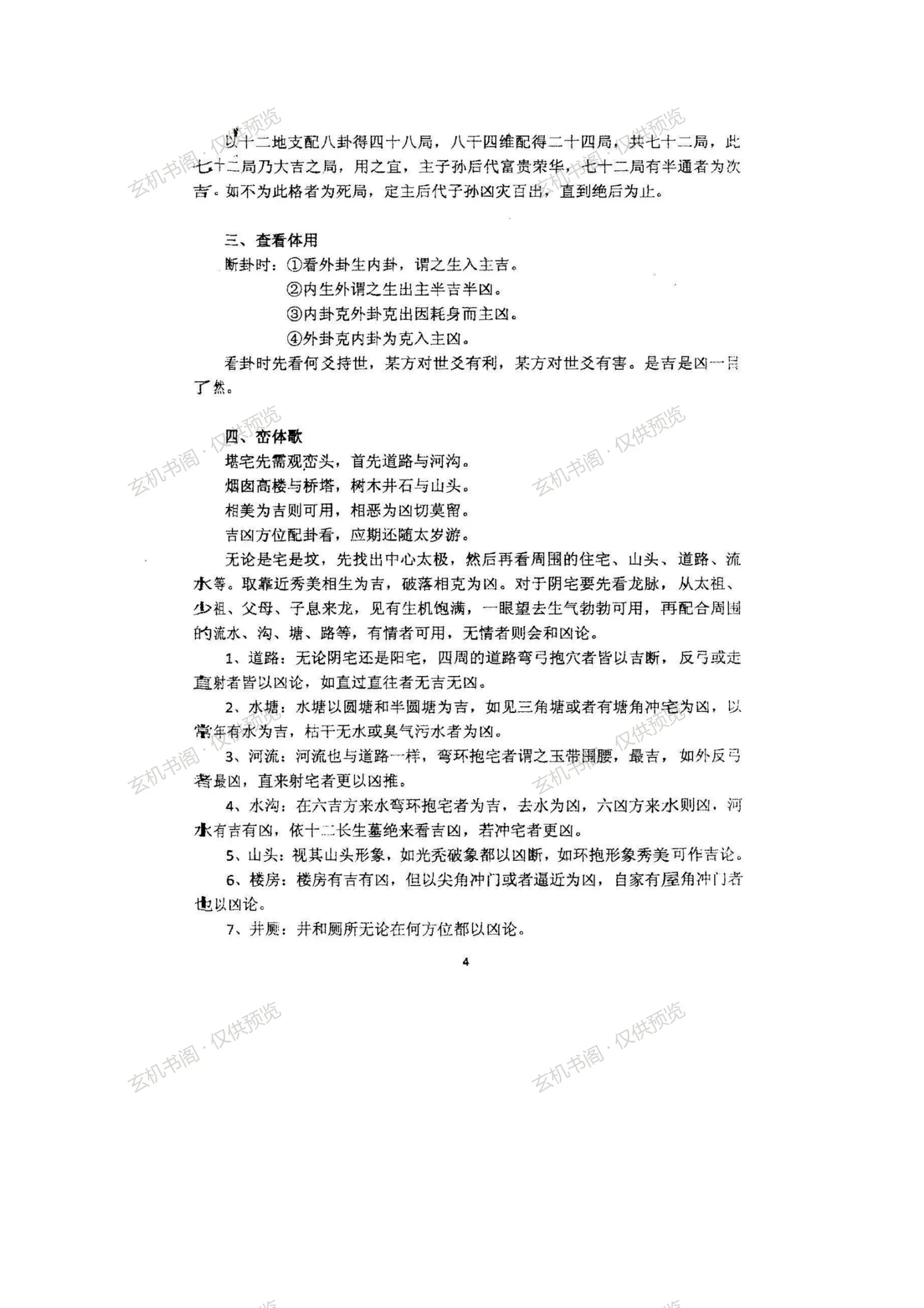
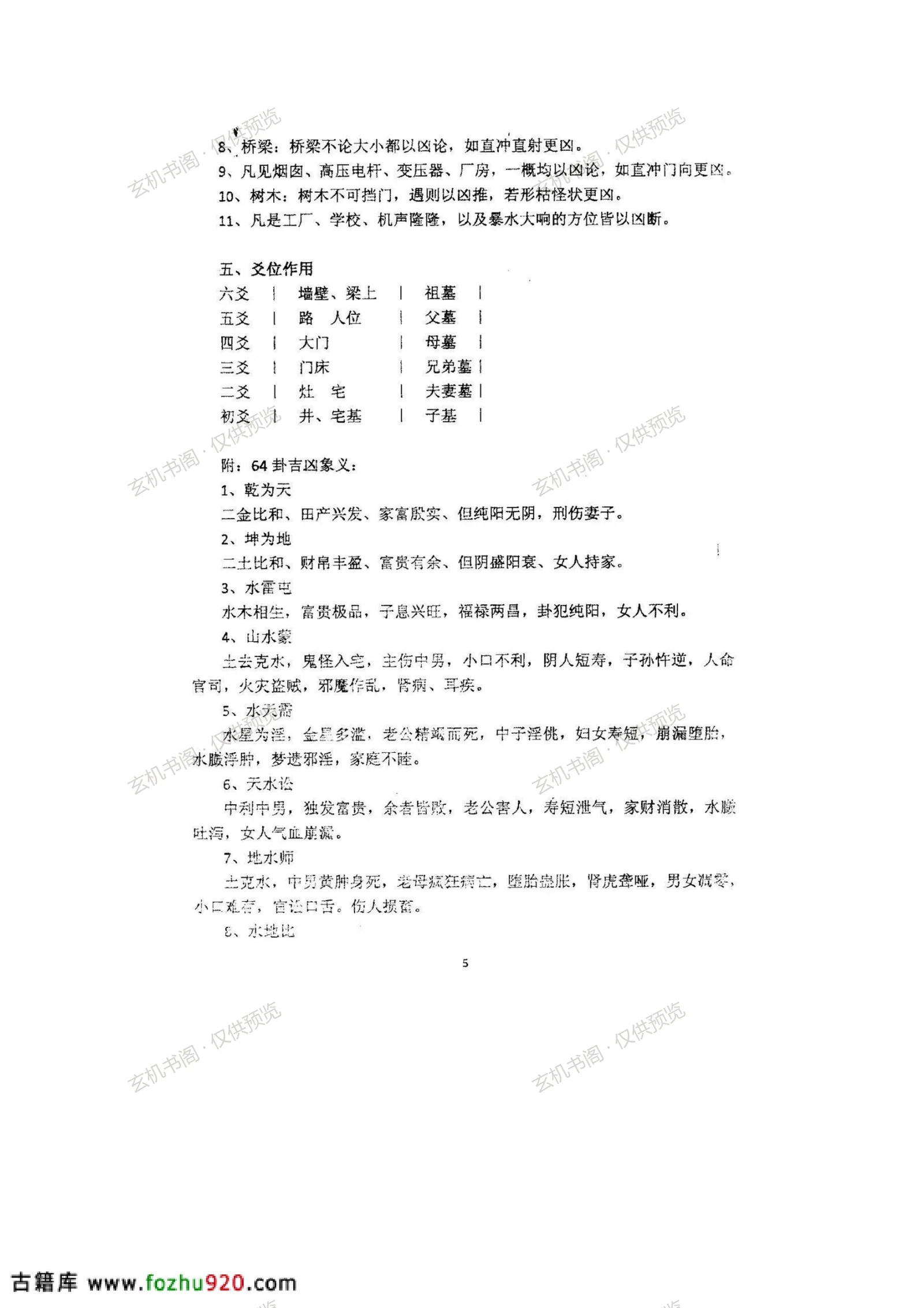
Titled Yaobian Shenduan, this text opens by tracing the Yao-bian dwelling-divination method to Ling Zhensong, a feng shui master from Wujiang, Jiangsu, in the Jiaqing era of the Qing dynasty. The book uses six-line najia divination as its framework, joining luopan directions, earlier and later heaven trigrams, the nine flying stars and the six relatives and six spirits to assess the orientation, incoming and outgoing water and surrounding landforms of houses and graves, and to infer timing. It first sets out four study steps: master the basics of the six lines and eight trigrams; understand the sitting and facing of yin and yang dwellings; become familiar with the positions of the earlier and later heaven trigrams and the stem-branch directions; then arrange the six relatives and six spirits by the najia method. The main sections cover six-line fundamentals (trigrams and the Luoshu nine stars, casting hexagrams, determining subject and object lines, locating the palace, placing the six spirits), the Yao-bian application verses and casting method, the verses on which line holds the subject, the seventy-two generative configurations, body-and-use analysis, landform methods, line positions, and appended judgments on the sixty-four hexagrams.
Contents
Origin of Yao-bian divination and four study steps
Section 1: six-line basics, casting, subject lines, six spirits
Section 2: application verses and casting method
Section 3: subject-line verses and judging fortune
Seventy-two generative configurations by direction
Body-and-use analysis and landform methods
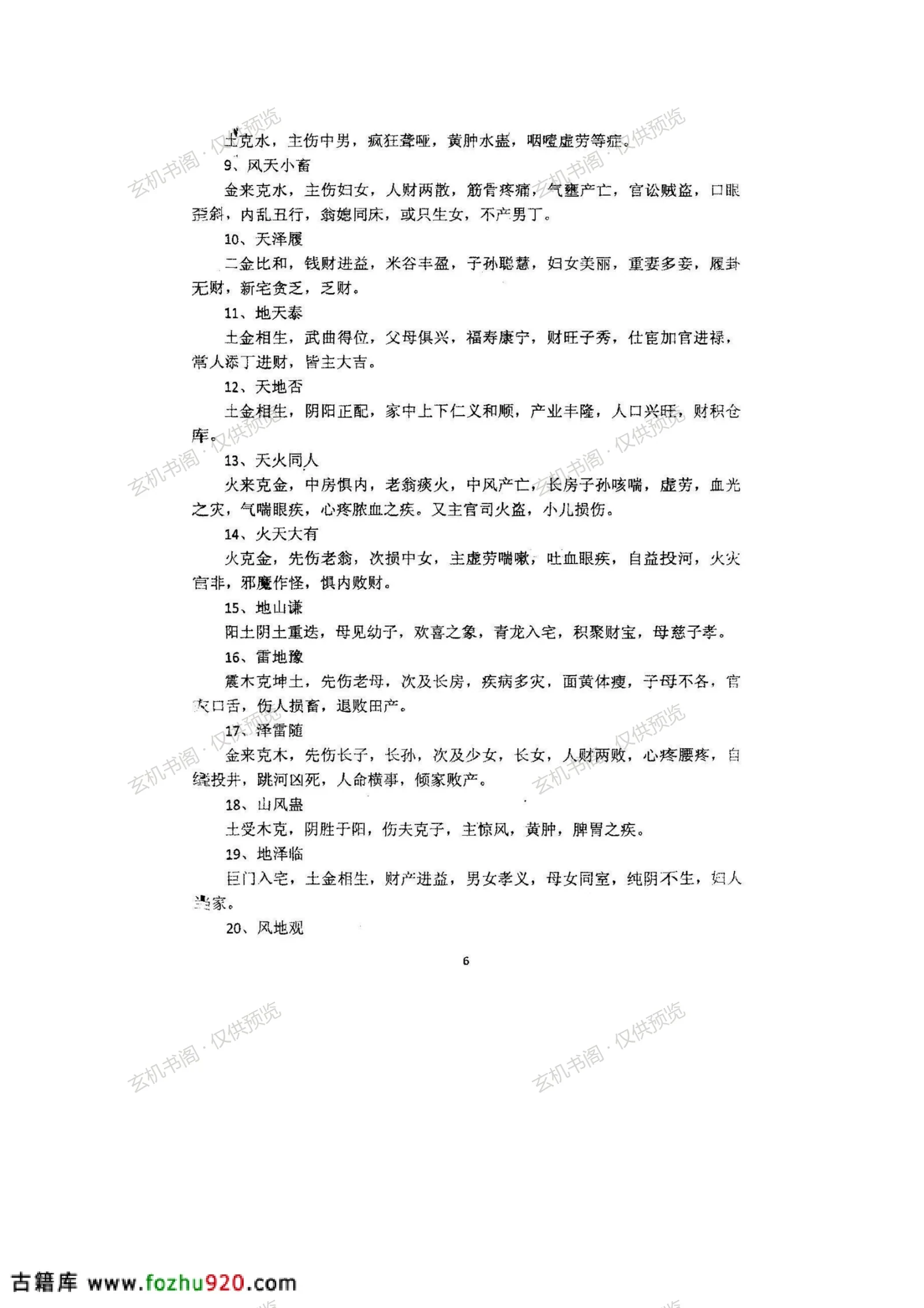
Line positions and judgments on the sixty-four hexagrams
Key Points
Six-line najia is the core, paired with trigrams and flying stars
The upper trigram comes from flying stars, the lower from the water mouth
Verses explain fortune when each of the six relatives holds the subject line
Seventy-two generative configurations list auspicious directions
Appended sixty-four hexagram judgments cover household fortune and illness