Reading guide
Content guideOverview
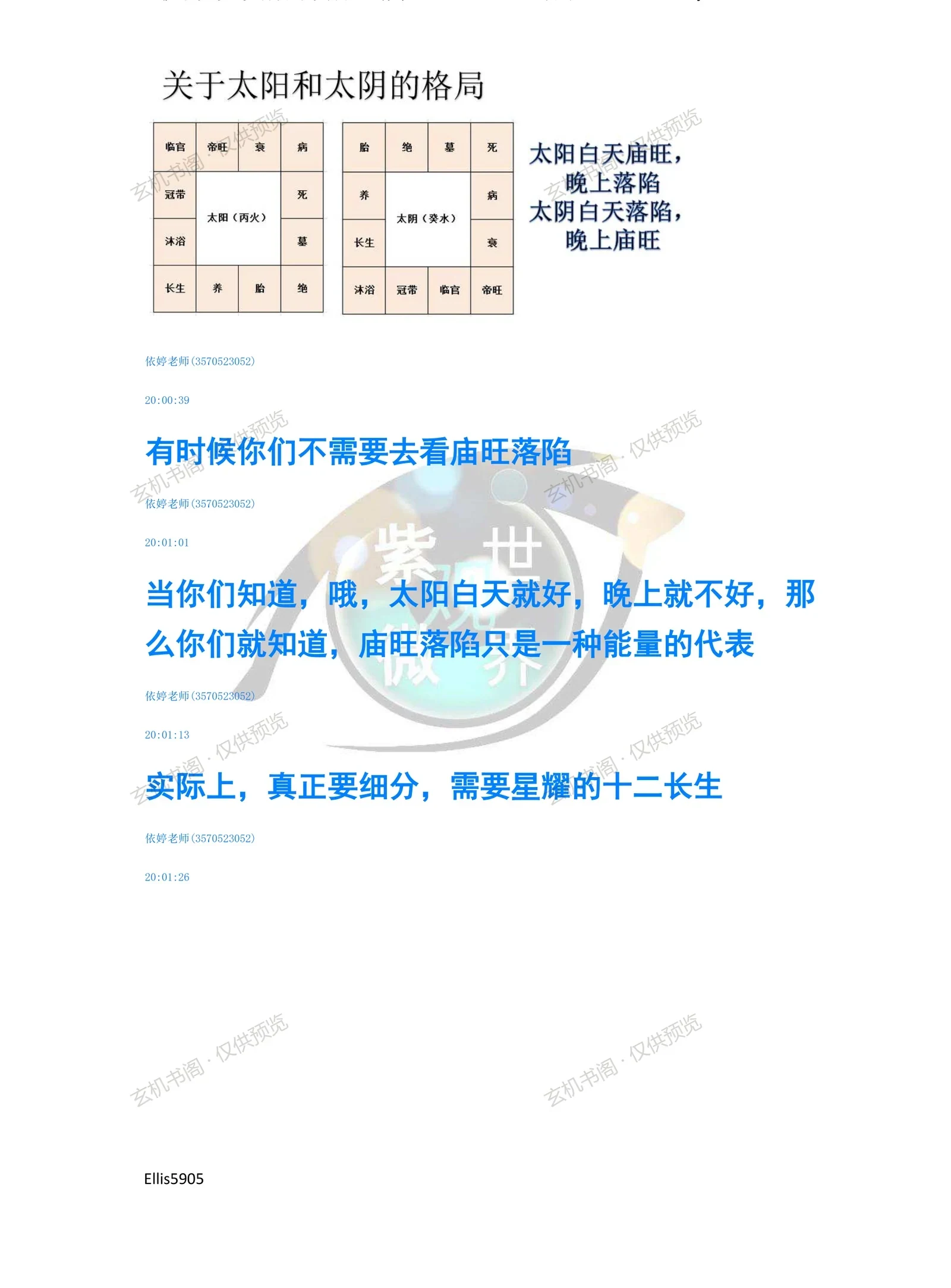
This is a transcript from Yiting's Zi Wei Dou Shu systematic class dated 09-19. After classroom greetings, it moves to the core topic: what constitutes a chart pattern (geju). The text states that patterns are the most important structural study in the San He school, formed by three elements: the five-element positions of the twelve palaces, the mutual support or clash among star natures, and timing differences. The lesson first examines individual stars and how auspicious or malefic stars affect the main star, then uses a five-element diagram to show that patterns begin with generating and overcoming relations, or with the twelve stages of growth. A clock-diagram section explains day and night effects on the Sun and Moon: the Sun is strong by day and weak at night, the Moon the reverse. The teacher stresses that temple and fall states only represent energy level, and finer judgment requires the twelve stages of each star. The style is conversational and loosely organized, suited to readers with basic Zi Wei knowledge who want to understand how San He patterns are built.
Contents
Class opening and interaction
What is a pattern: San He structural study
Three components: palaces, star nature, timing
Single stars and their effect on main stars
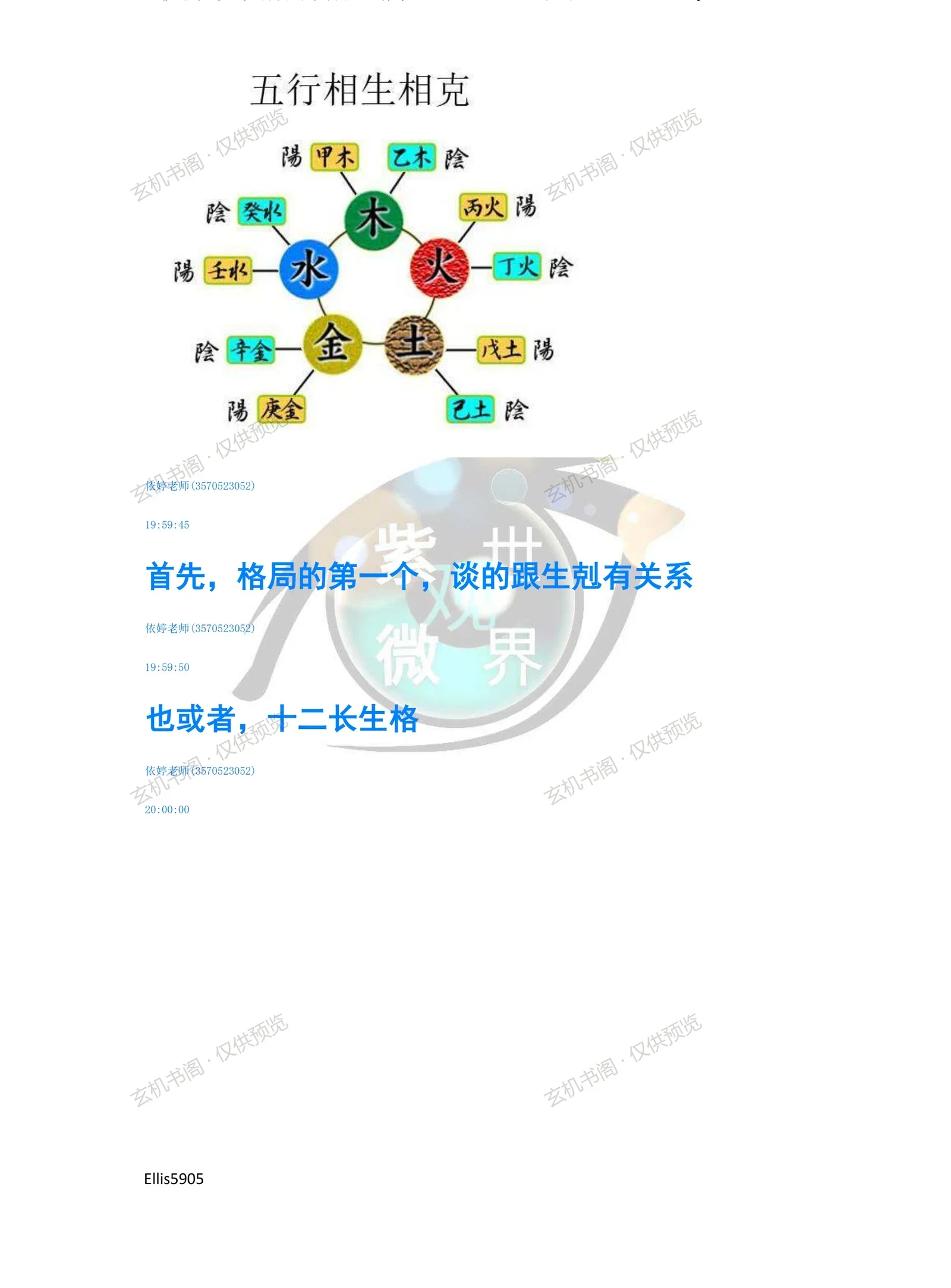
Five-element generation and overcoming
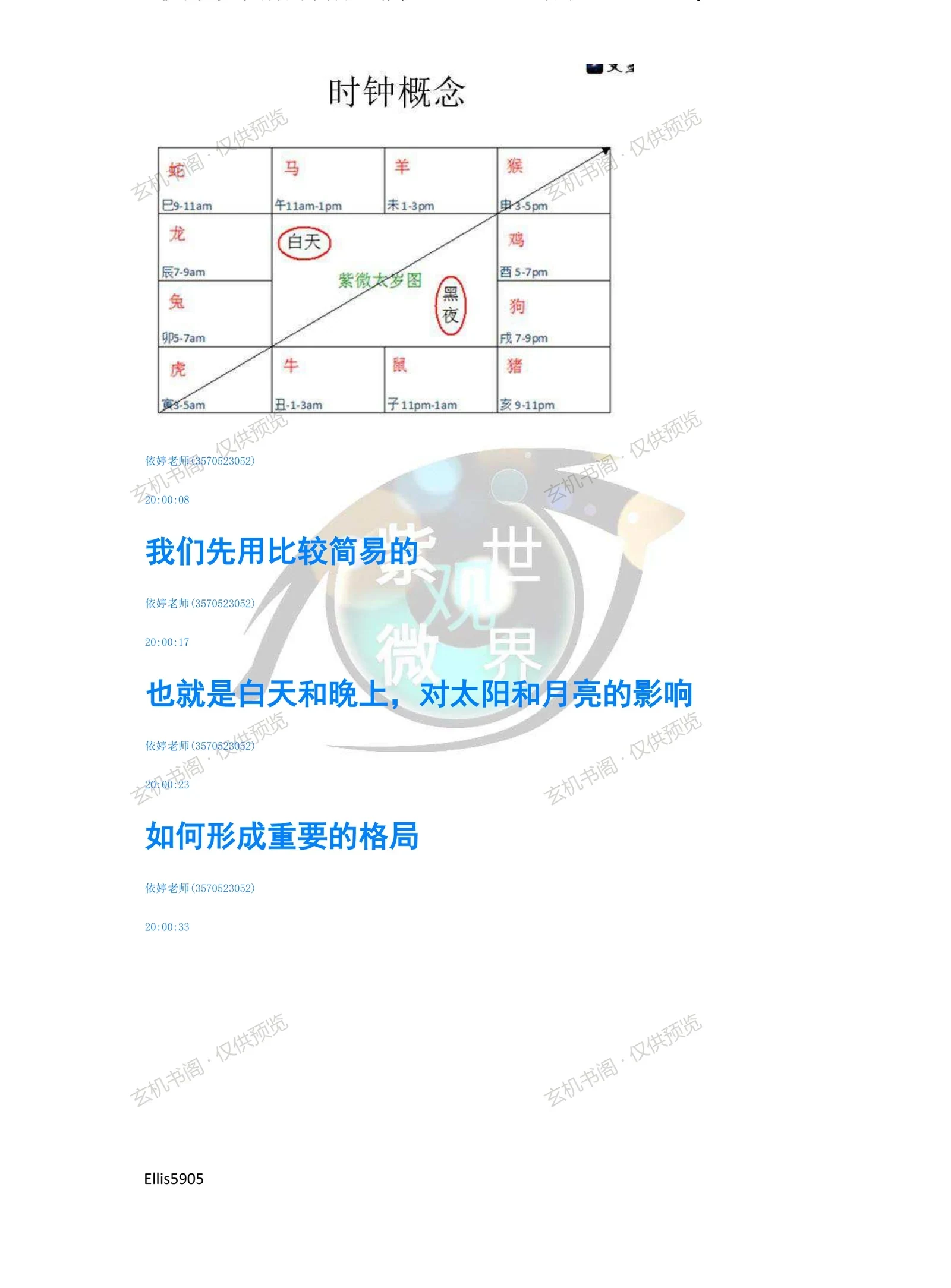
Clock concept and day-night strength
Sun-Moon patterns and twelve stages
Key Points
Patterns are the core structural method of the San He school
Patterns combine palace positions, star interactions, and timing
Start from single stars, then assess auspicious and malefic influences
Generating and overcoming relations are the first layer of judgment
The Sun is strong by day, the Moon by night
Temple and fall states are only energy indicators; use twelve stages for detail