Reading guide
Content guideOverview
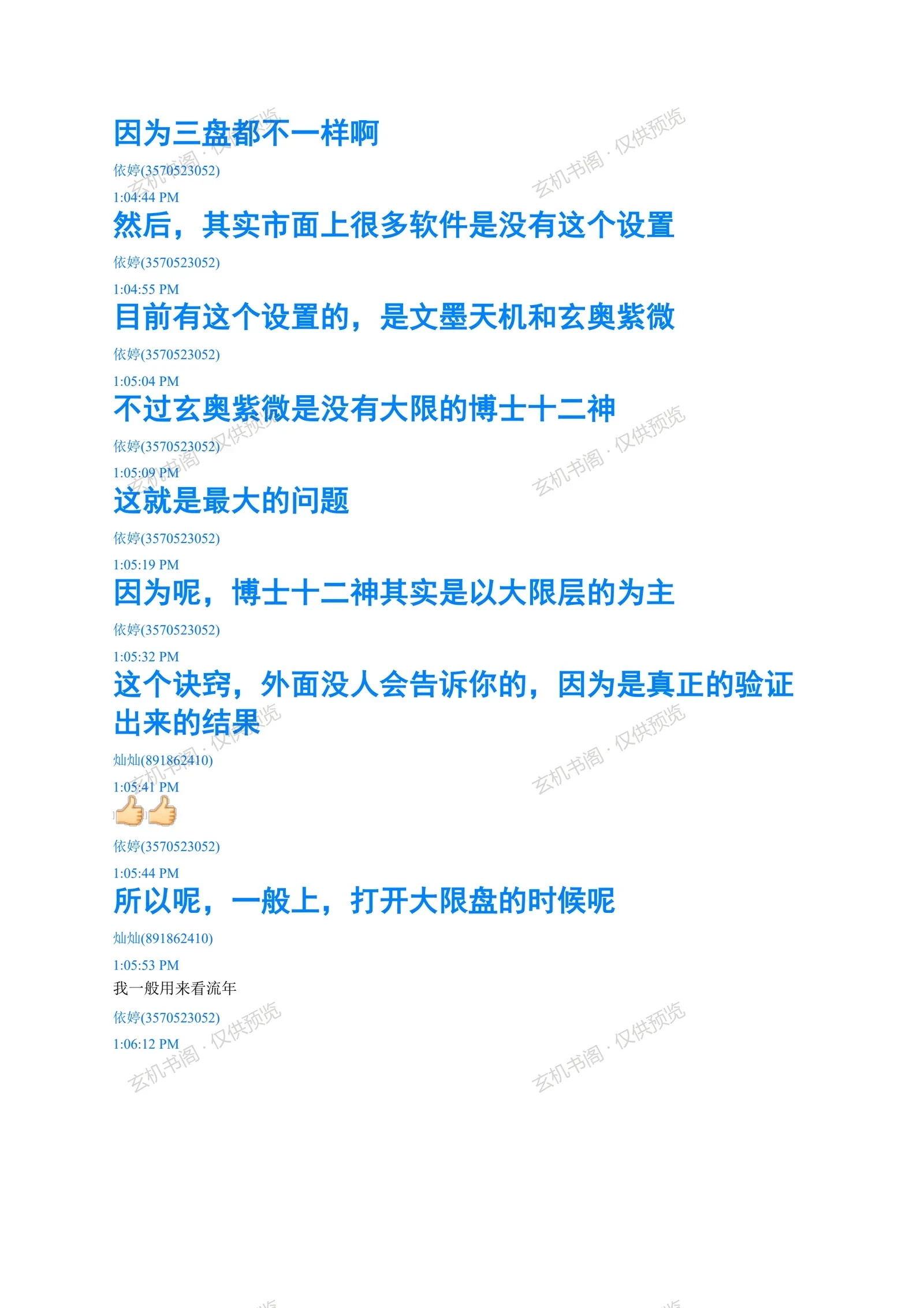
This is a transcript of lesson 33 from Yi Ting's Zi Wei Dou Shu systematic course, presented in a chat-style teaching format. The first part discusses three minor stars: Xianchi, a peach-blossom star traditionally read as a woman emerging from water and extended to mean seduction or attention-grabbing; and Dahao and Xiaohao, both indicating waste and depletion, with placement in the illness palace suggesting physical exhaustion. The second part turns to the Twelve Doctor Gods, using screenshots from the Wenmo Tianji software to show that their arrangement differs across the natal, decade and annual charts, requiring a setting to follow the annual change. The author notes that many programs lack this feature and that Xuanao Ziwei omits the decade-level version, and stresses that practitioners should primarily read the Doctor Gods at the decade level, a conclusion drawn from her own verification rather than common teaching. The material is practical and aimed at intermediate learners.
Contents
Imagery and peach-blossom meaning of Xianchi
Extended meanings: stratagem and advertising
Dahao and Xiaohao: waste and depletion
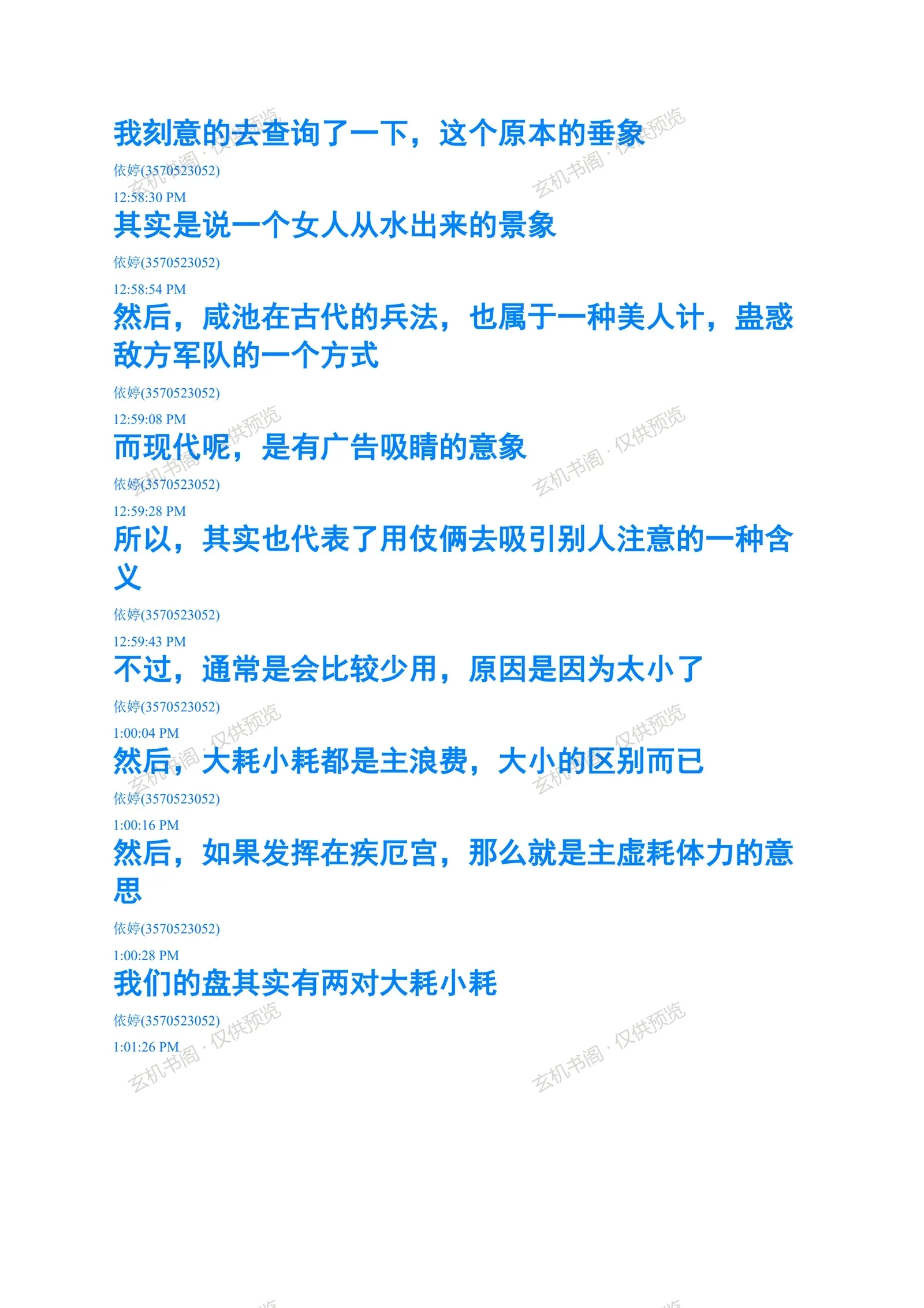
Locating two pairs of Dahao and Xiaohao
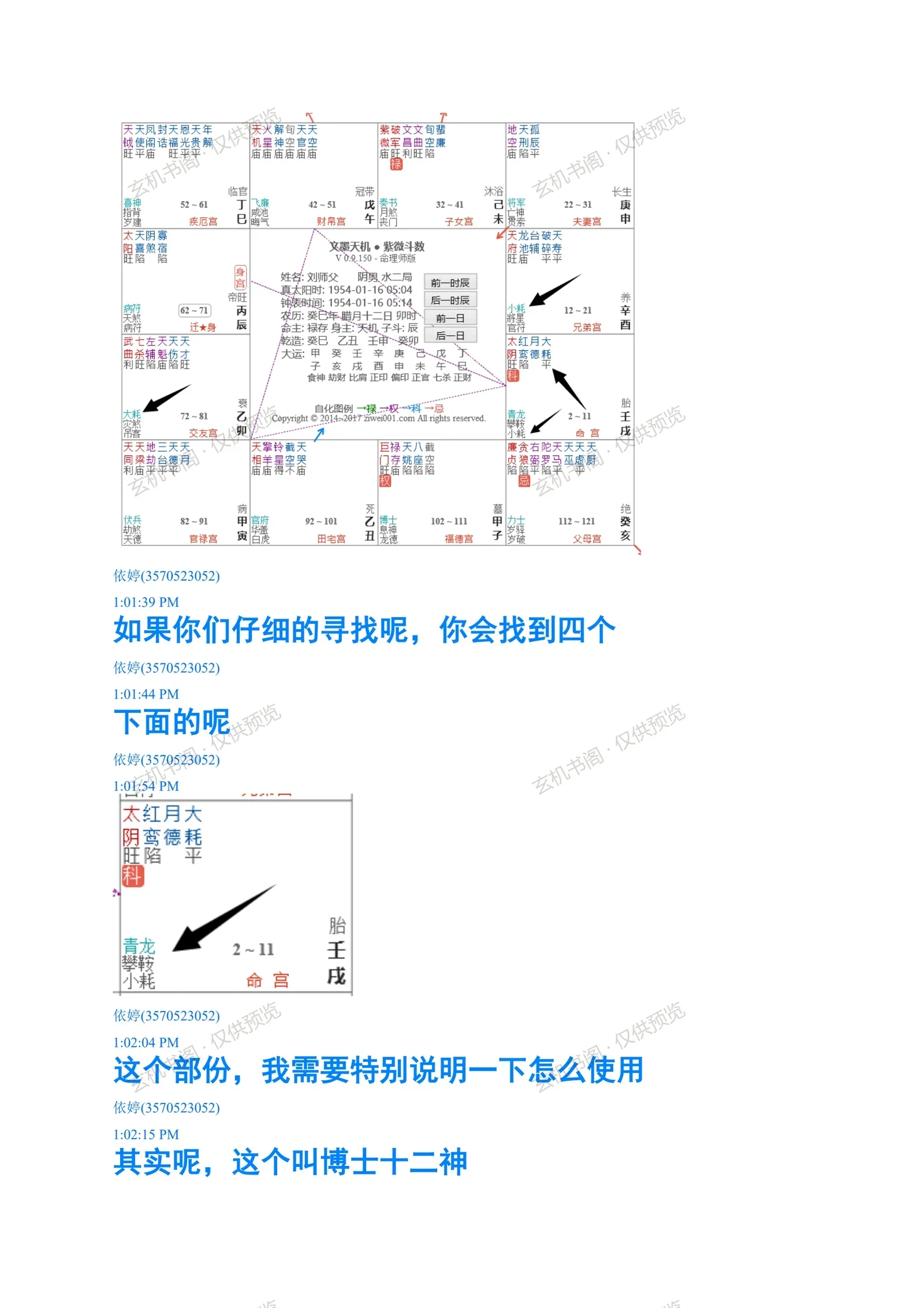
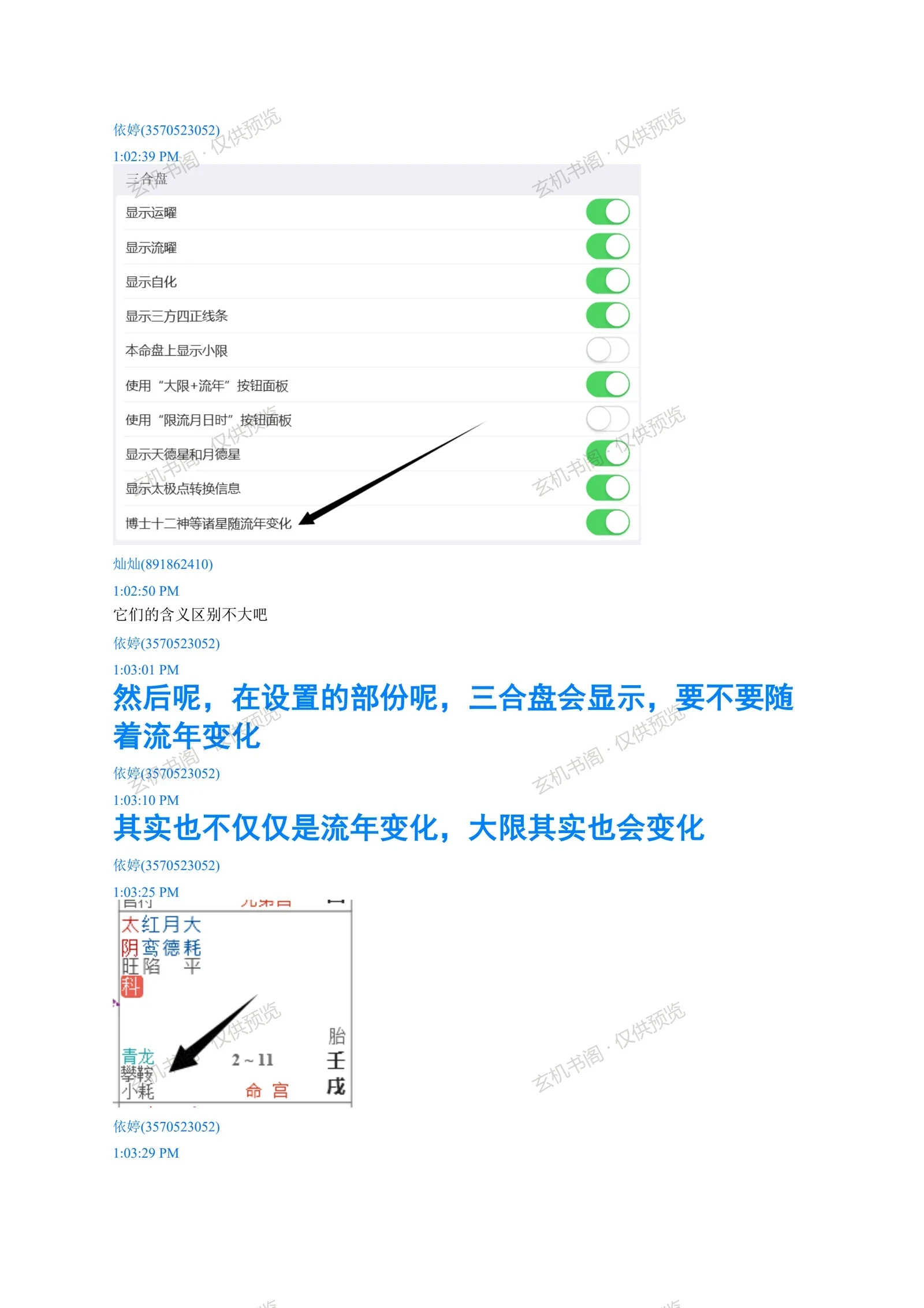
Twelve Doctor Gods and software settings
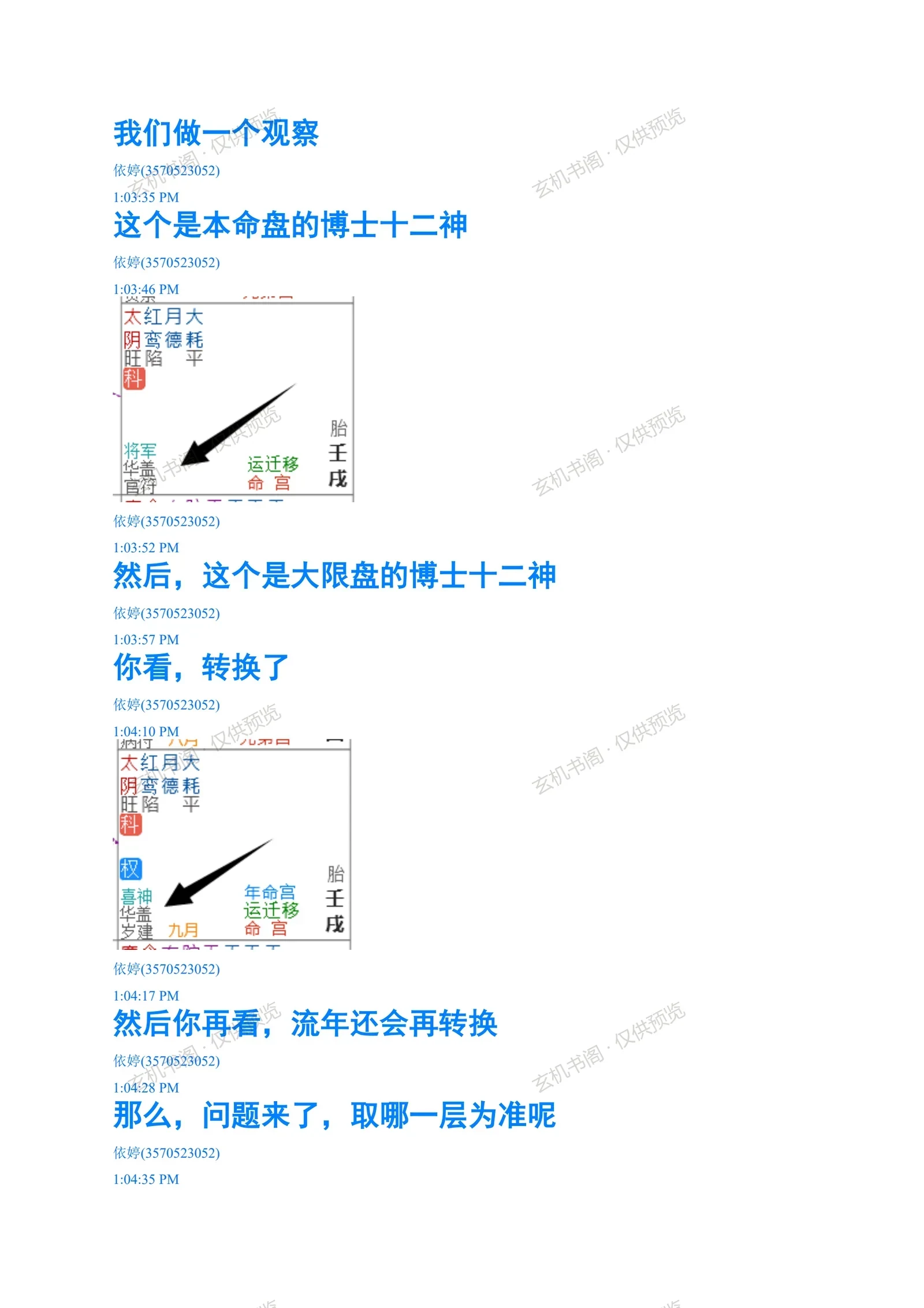
Shifts across natal, decade and annual charts
Practical rule: read mainly at the decade level
Key Points
Xianchi is a peach-blossom star linked to desire and attraction
Dahao and Xiaohao indicate waste; in the illness palace, depletion
The Twelve Doctor Gods differ across the three chart levels
Software must be set to update them with the annual cycle
Read the Doctor Gods primarily at the decade level