Reading guide
Content guideOverview
This text approaches Zi Wei Dou Shu through the lens of xiangshu (image-number) learning, starting from the astronomical image of the Ziwei enclosure and the North Star. The author argues that the fifteen principal stars correspond to the number fifteen of the Hetu diagram, and that the ten heavenly stems and twelve earthly branches stand for qi and movement respectively. The book outlines three systems within Zi Wei Dou Shu—stars, palaces and the Four Transformations—explaining that stars are used for imagery, palaces for inner-outer positioning, and transformations for movement and stillness. It discusses the division of stars, the symbolism of the Hetu number fifteen, the establishment of the twelve palaces from birth month and hour, and the placement of stars and transformations. It is not a beginner's manual but a conceptual treatment meant for readers who already know the basics of Zi Wei Dou Shu and want to understand its numerological and cosmological foundations.
Contents
What is Zi Wei Dou Shu
The Ziwei enclosure and North Star
Fifteen stars and ten stems
Twelve palaces and earthly branches
Four Transformations and Hetu-Luoshu
Key Points
Zi Wei Dou Shu uses fifteen principal stars, following the central number of the Hetu diagram.
Ten heavenly stems denote qi; twelve earthly branches denote movement and palaces.
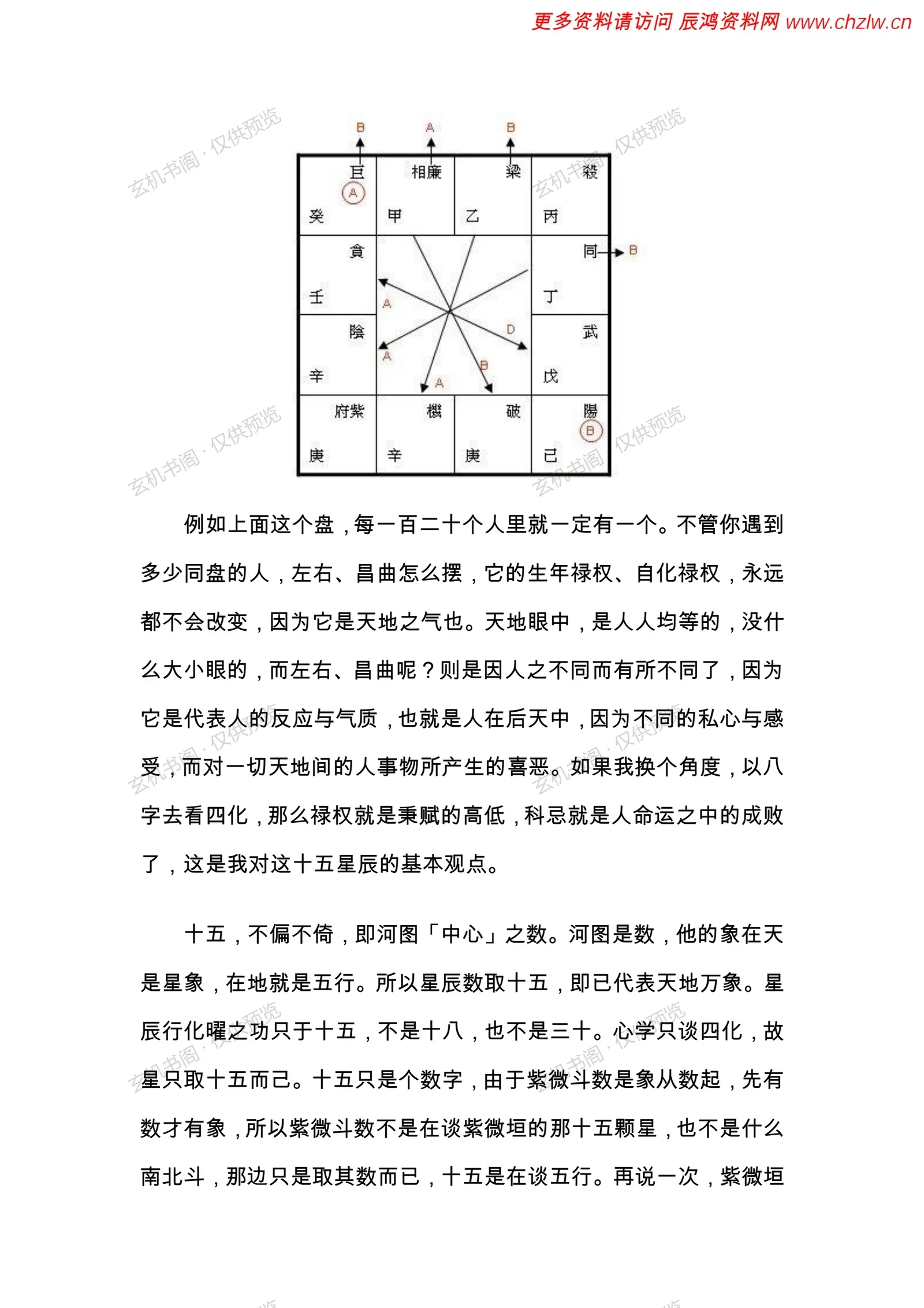
Stars provide imagery, palaces define inner and outer positions, transformations show movement and stillness.
Elemental generating and overcoming cycles do not directly equate to star imagery in this system.
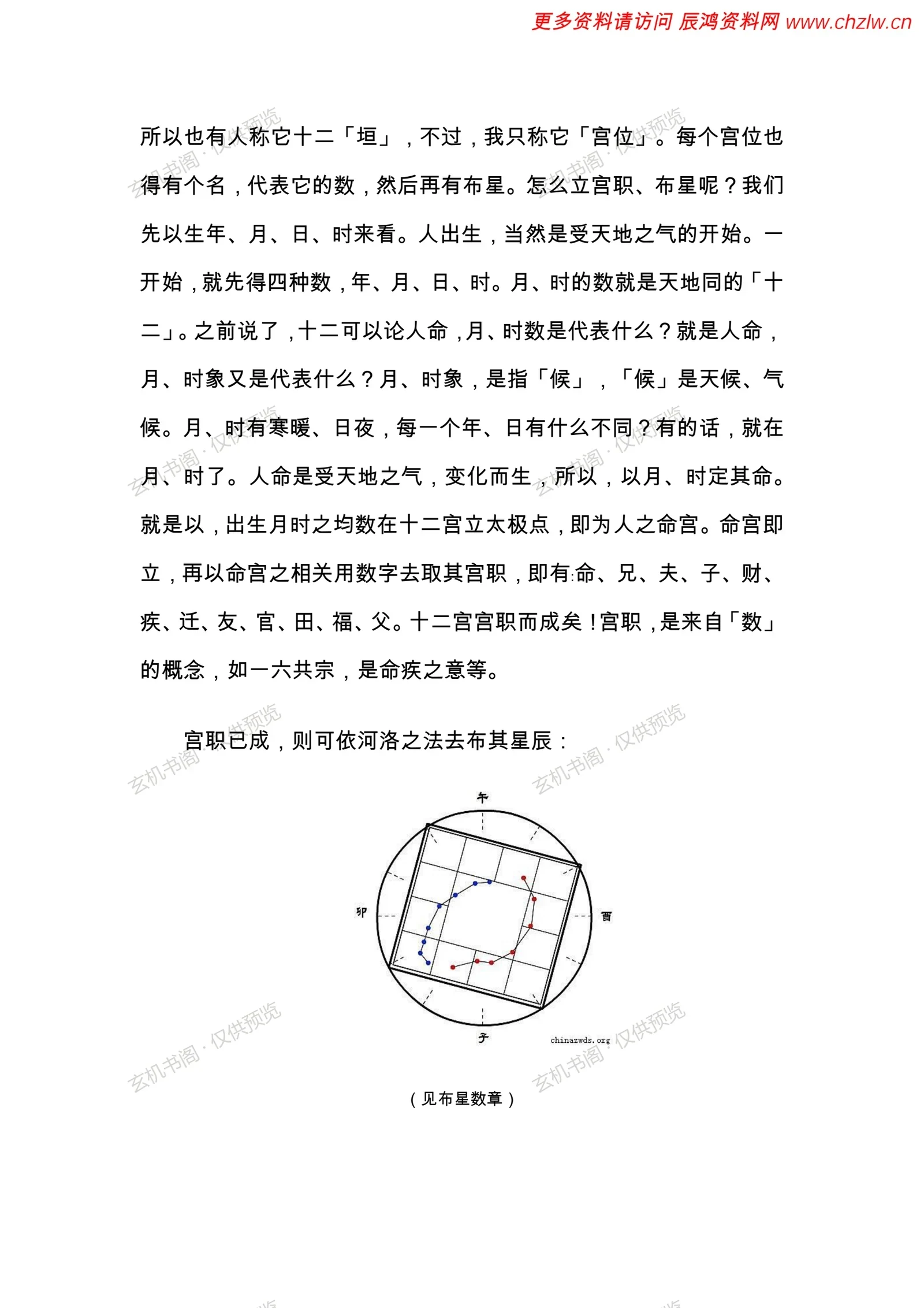
The life palace is established from birth month and hour numbers.