Reading guide
Content guideOverview
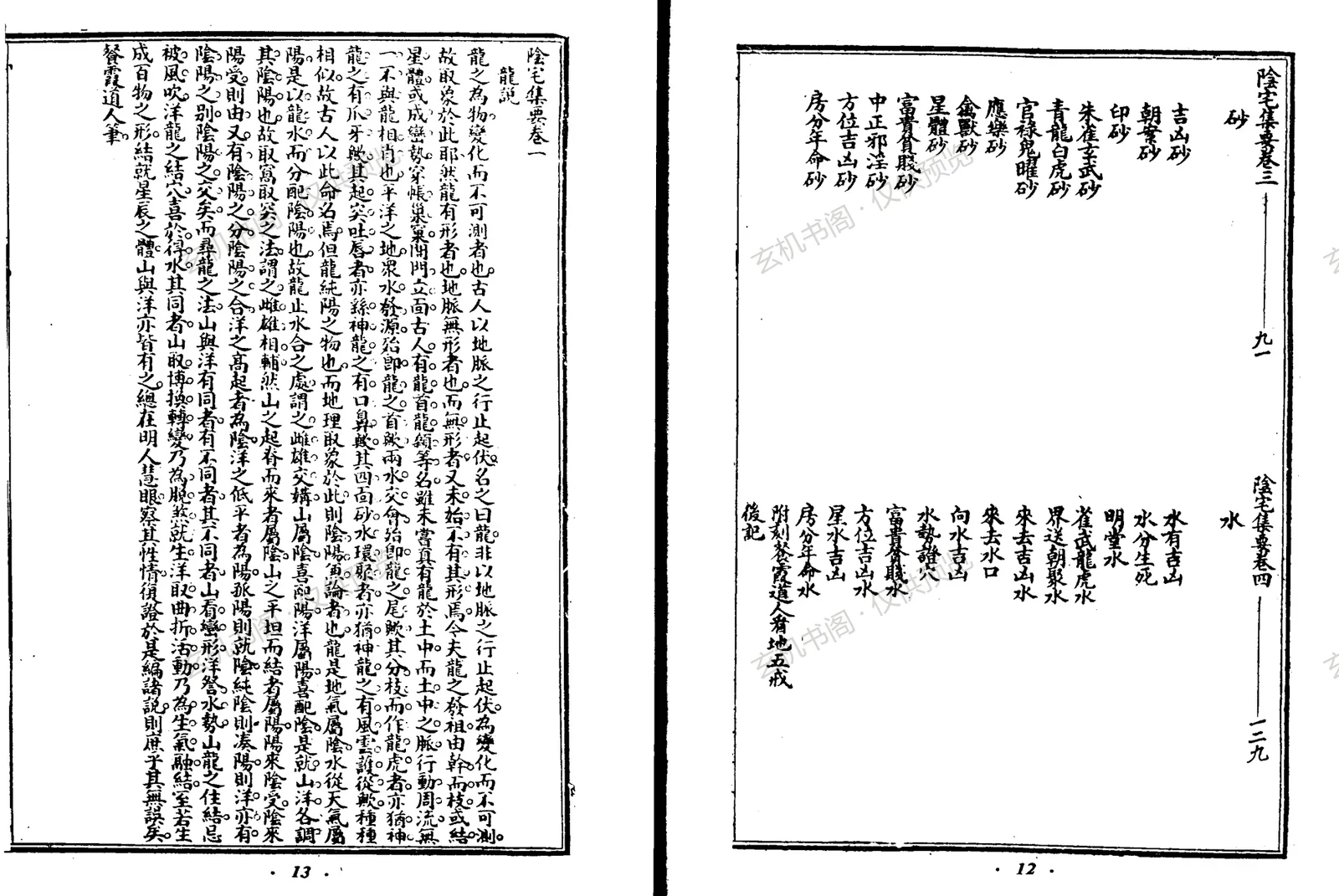
Essentials of Yin Dwelling Feng Shui (Yinzhai Jiyao) is a Qing-dynasty feng shui manual compiled by Yao Tingluan, known as Daoxia Daoren. It focuses on the siting and evaluation of graves. The opening preface explains that the book distills earlier geographical writings into a concise guide, while the author's preface and editorial notes set out its sources and structure. The main text is organized by the four classic categories: dragons, points, sand, and water, with additional discussion of nine palaces, three yuan, and qi luck. Volume one covers dragon lineages, qi veins, branches, yin-yang distinctions, true and false forms, and the five elements. Volume two discusses point selection, qi connection, mingtang, orientation, and soil color. Volume three examines sand formations, auspicious and inauspicious sands, four emblem animals, water mouths, and directional influences. Volume four deals with water flow, mingtang water, auspicious and inauspicious waters, and family/age correlations. The work combines form analysis with directional theory and is valuable for studying traditional feng shui literature and grave siting methods.
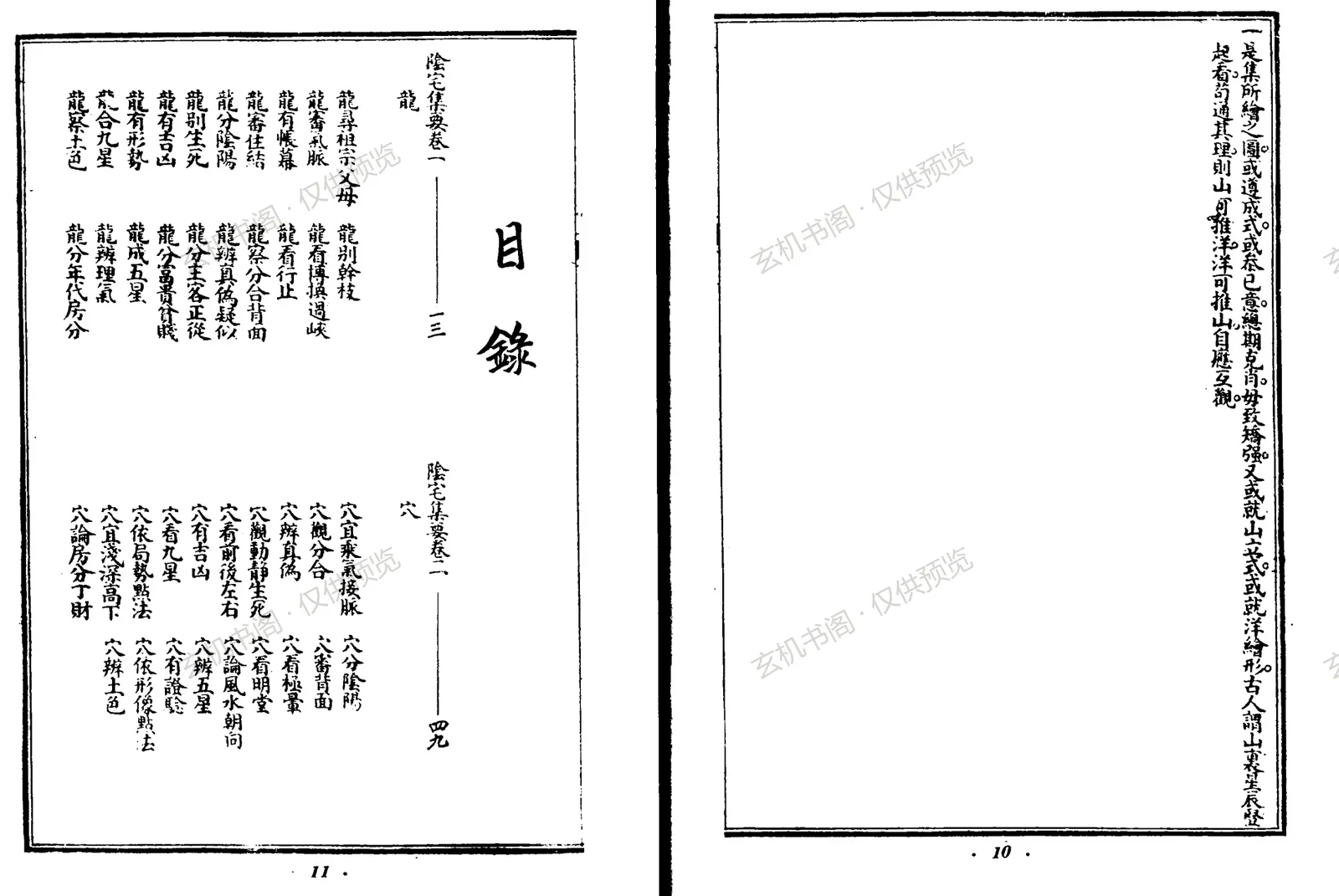
Contents
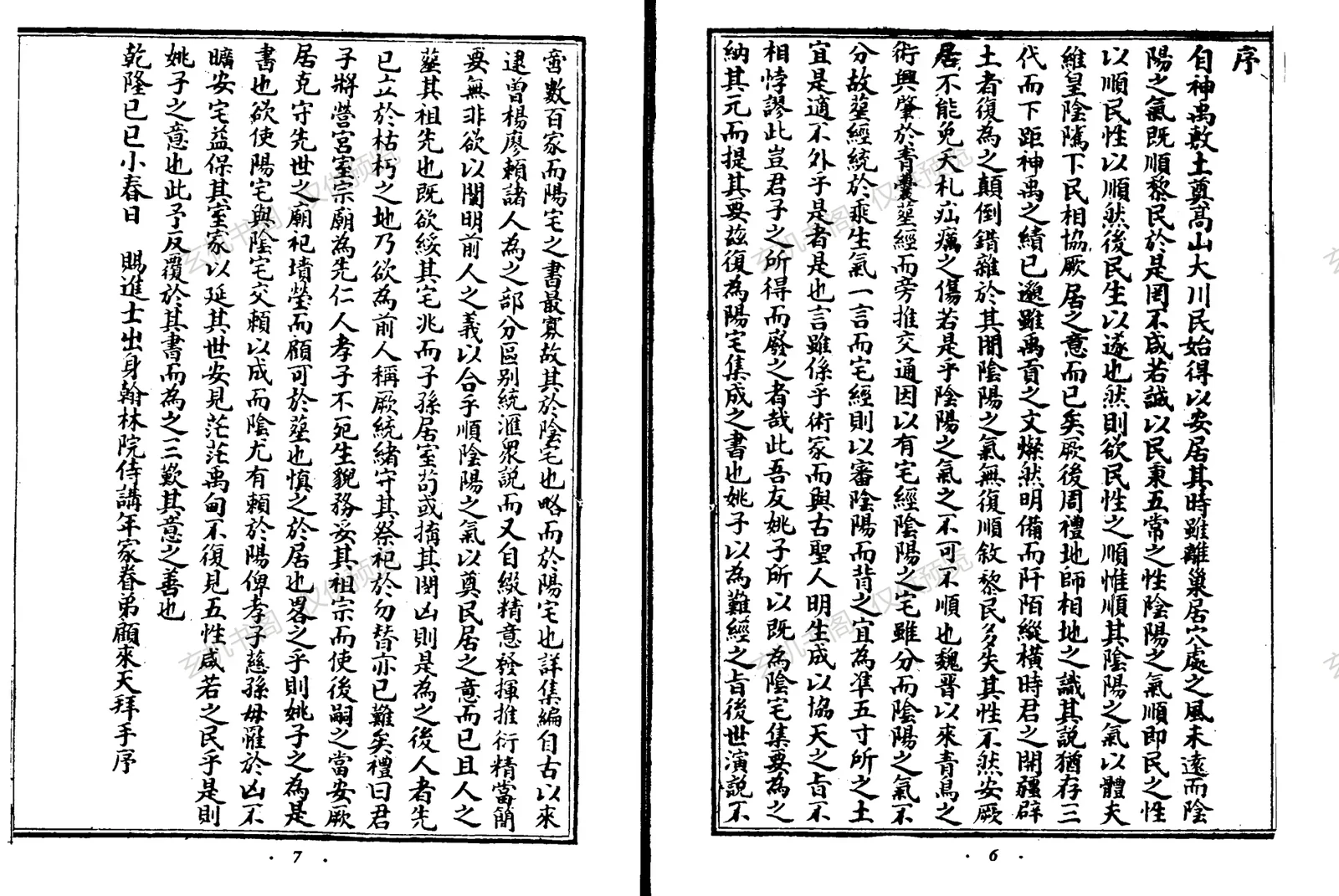
General preface: rationale for compiling a concise yin dwelling manual
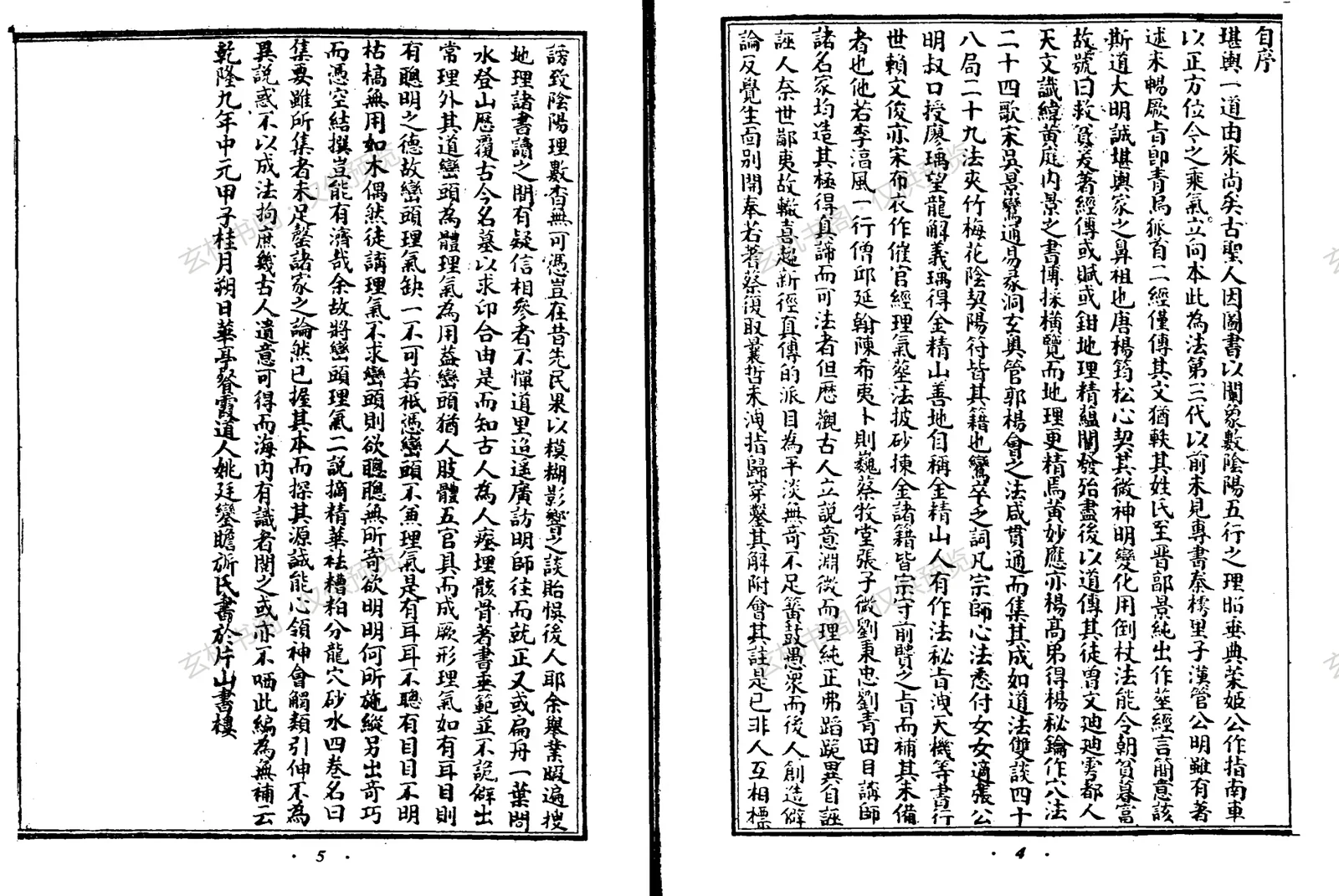
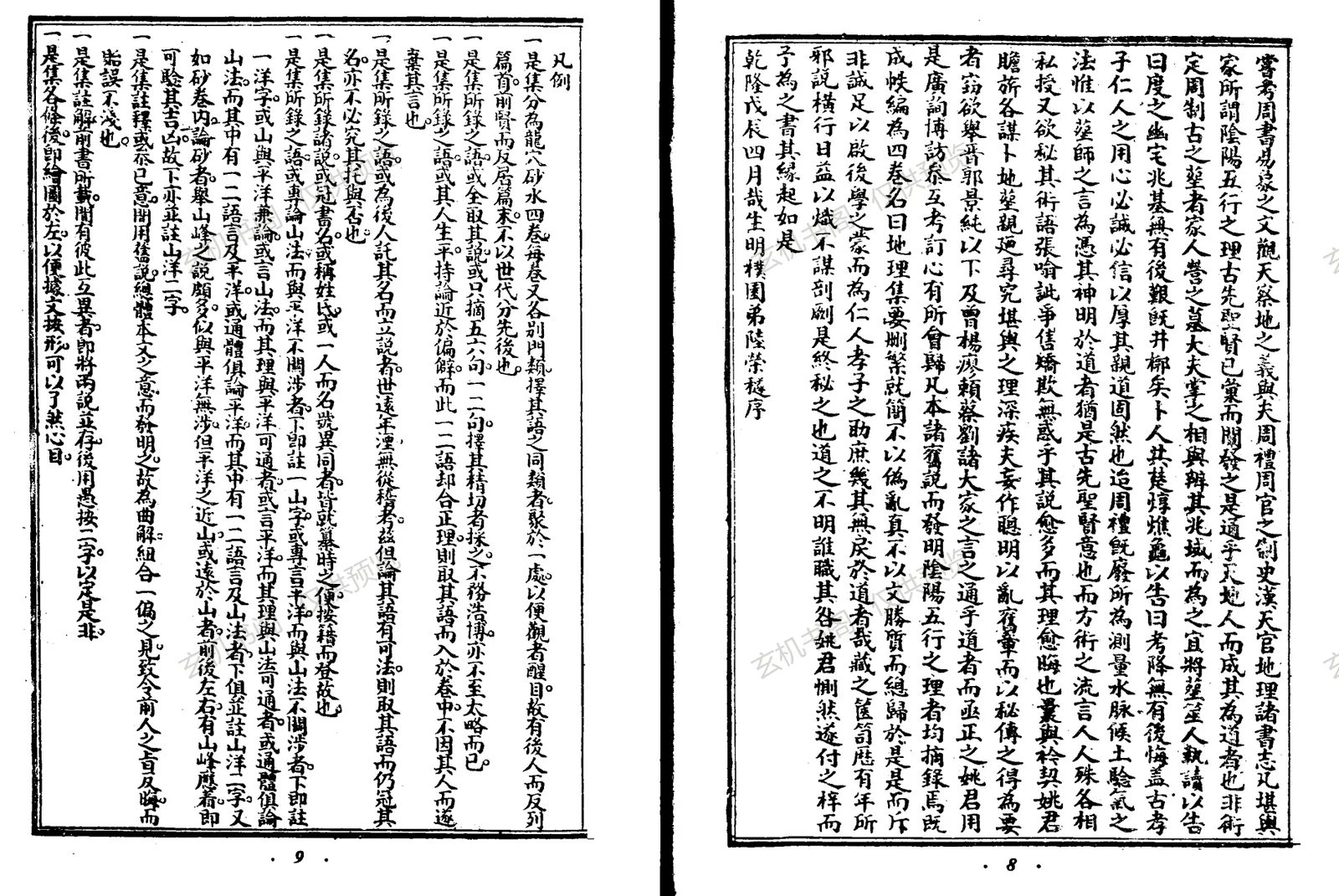
Author's preface and editorial notes: sources and fourfold structure
Volume 1 Dragons: lineages, veins, branches, yin-yang, true/false forms
Volume 2 Points: qi connection, mingtang, orientation, five elements, soil
Volume 3 Sand: auspicious/inauspicious sands, four emblems, water mouths
Volume 4 Water: incoming/outgoing water, mingtang water, family correlations
Key Points
Organized around the four categories of dragon, point, sand, and water.
Combines landscape form analysis with directional and qi-luck theory.
Editorial notes identify sources from earlier authorities.
Detailed sub-topics progress from dragon spotting to point siting, sand and water.
Discusses family branches and birth-year correlations in auspicious judgment.