Reading guide
Content guideOverview
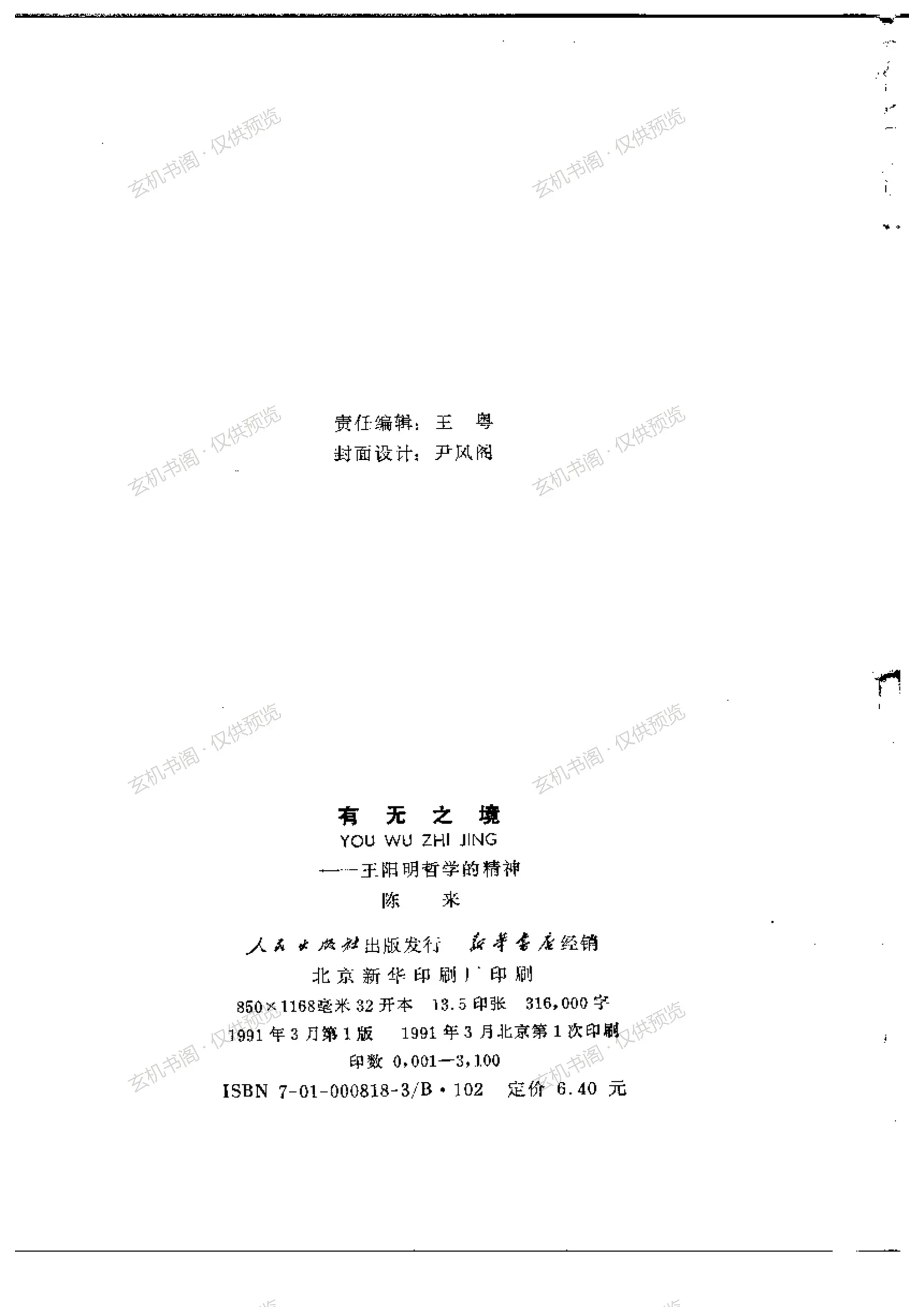
This book is Chen Lai's major study of Wang Yangming's philosophy. Organized around the idea of a 'realm of being and non-being,' it examines the spiritual character and theoretical structure of Wang's thought. The opening chapter sets out tensions between self and no-self, caution and joy, rationality and existence. Later chapters discuss mind and principle, mind and things, mind and nature, the unity of knowledge and action, and sincerity and the investigation of things in relation to the ancient text of the Great Learning. It is a rigorous conceptual study valuable for readers of Chinese philosophy and Neo-Confucianism.
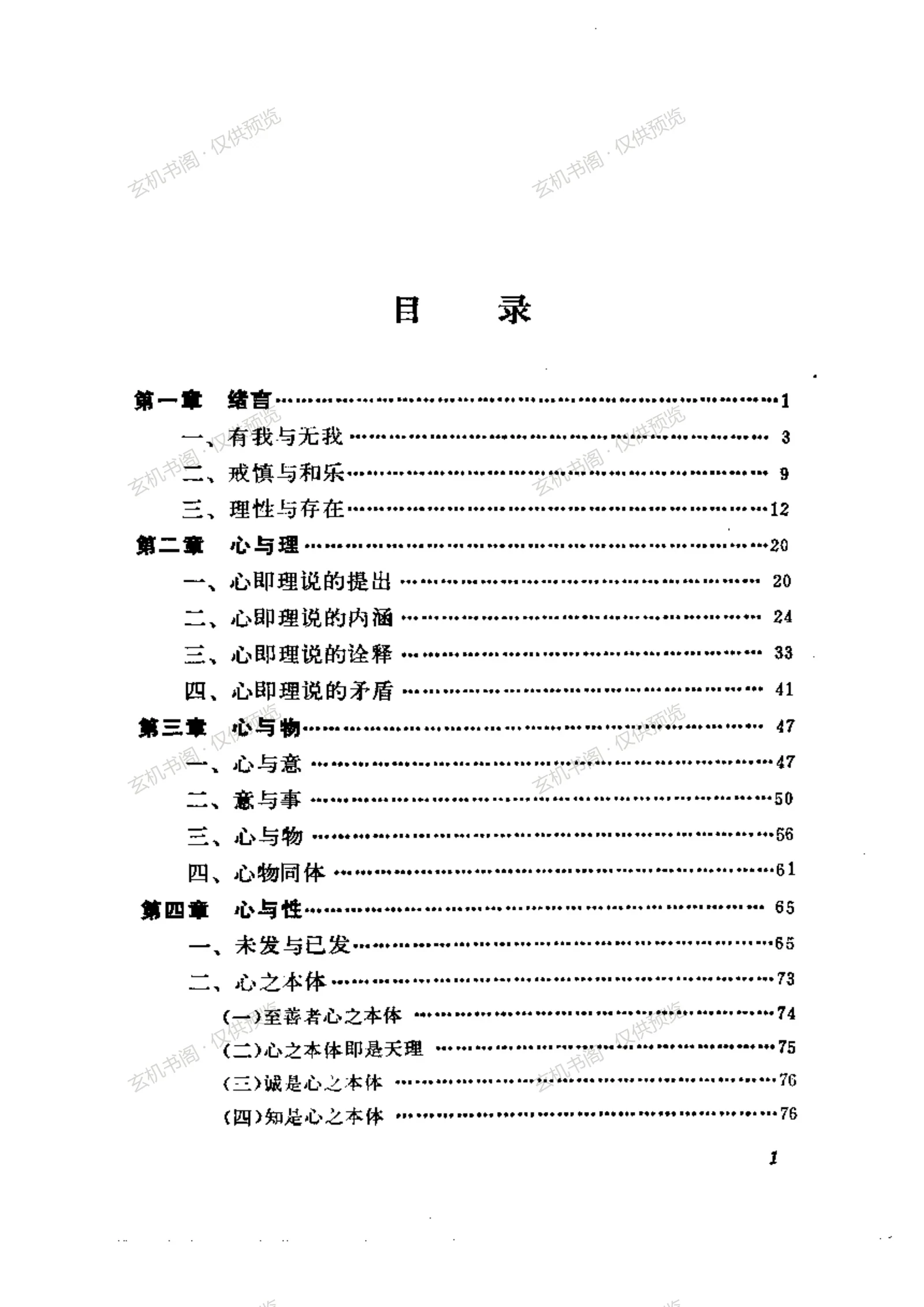
Contents
Introduction: self and no-self, caution and joy, rationality and existence
Mind and principle: the thesis of mind as principle and its tensions
Mind and things: intention, affairs, and the unity of mind and things
Mind and nature: the substance of mind and the nature endowed by Heaven
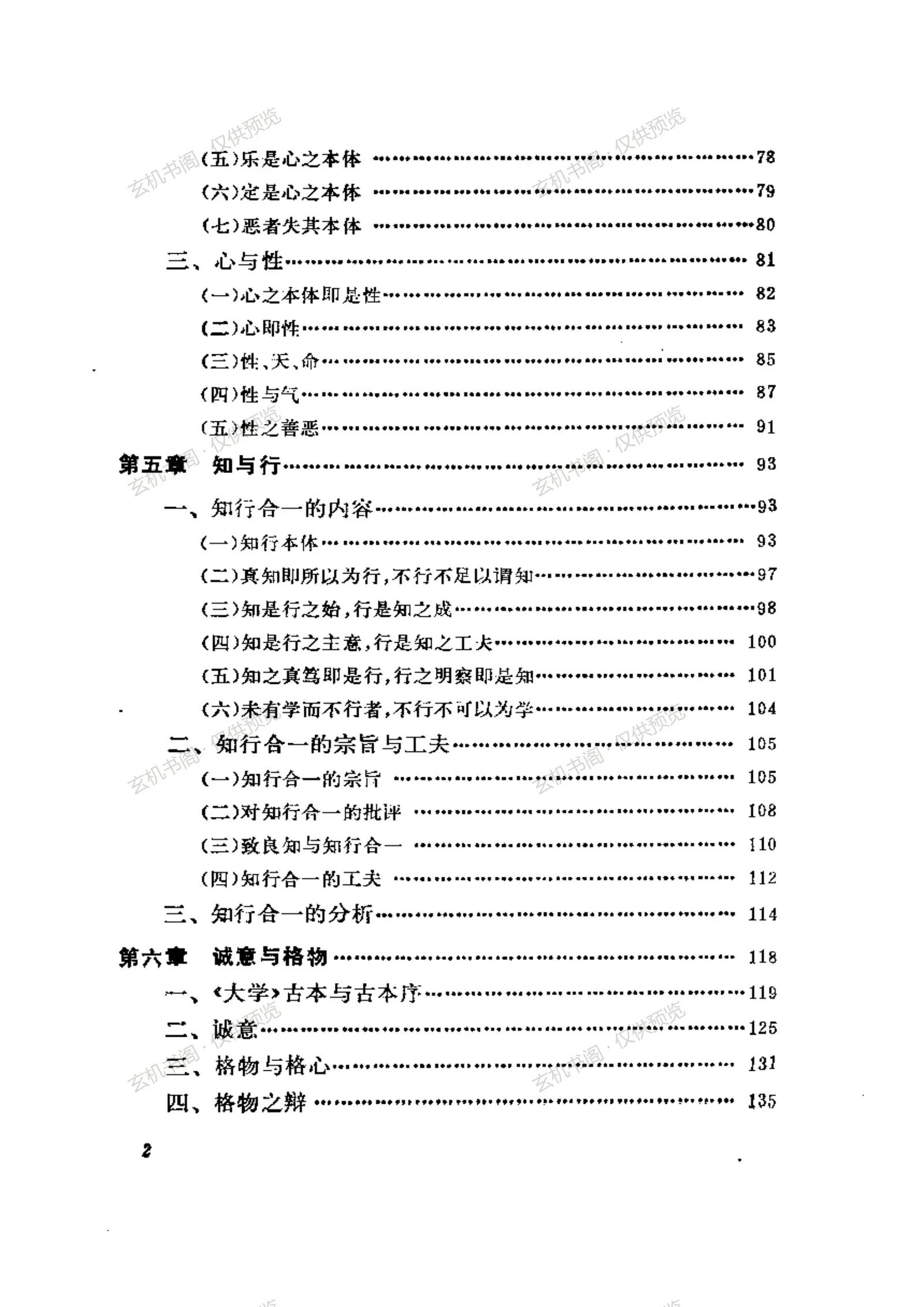
Knowledge and action: the unity of knowing and acting
Sincerity and the investigation of things in the Great Learning
Key Points
Uses 'being and non-being' to frame Wang Yangming's spiritual orientation
Analyzes the thesis that mind is principle and its internal tensions
Clarifies the relations among mind, intention, affairs, and things
Explains the unity of knowledge and action in theory and practice
Discusses sincerity and the investigation of things via the ancient Great Learning