Reading guide
Content guideOverview
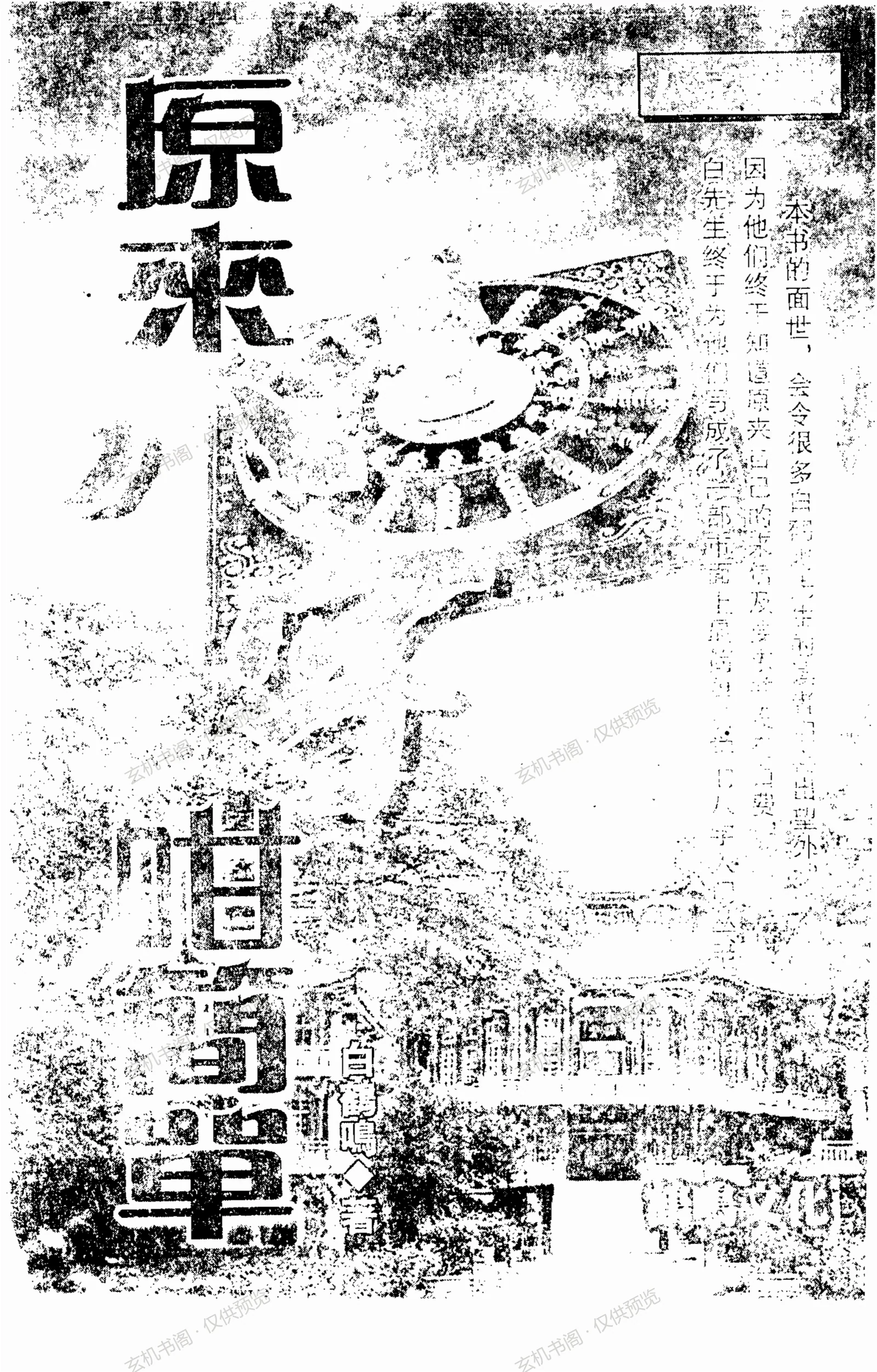
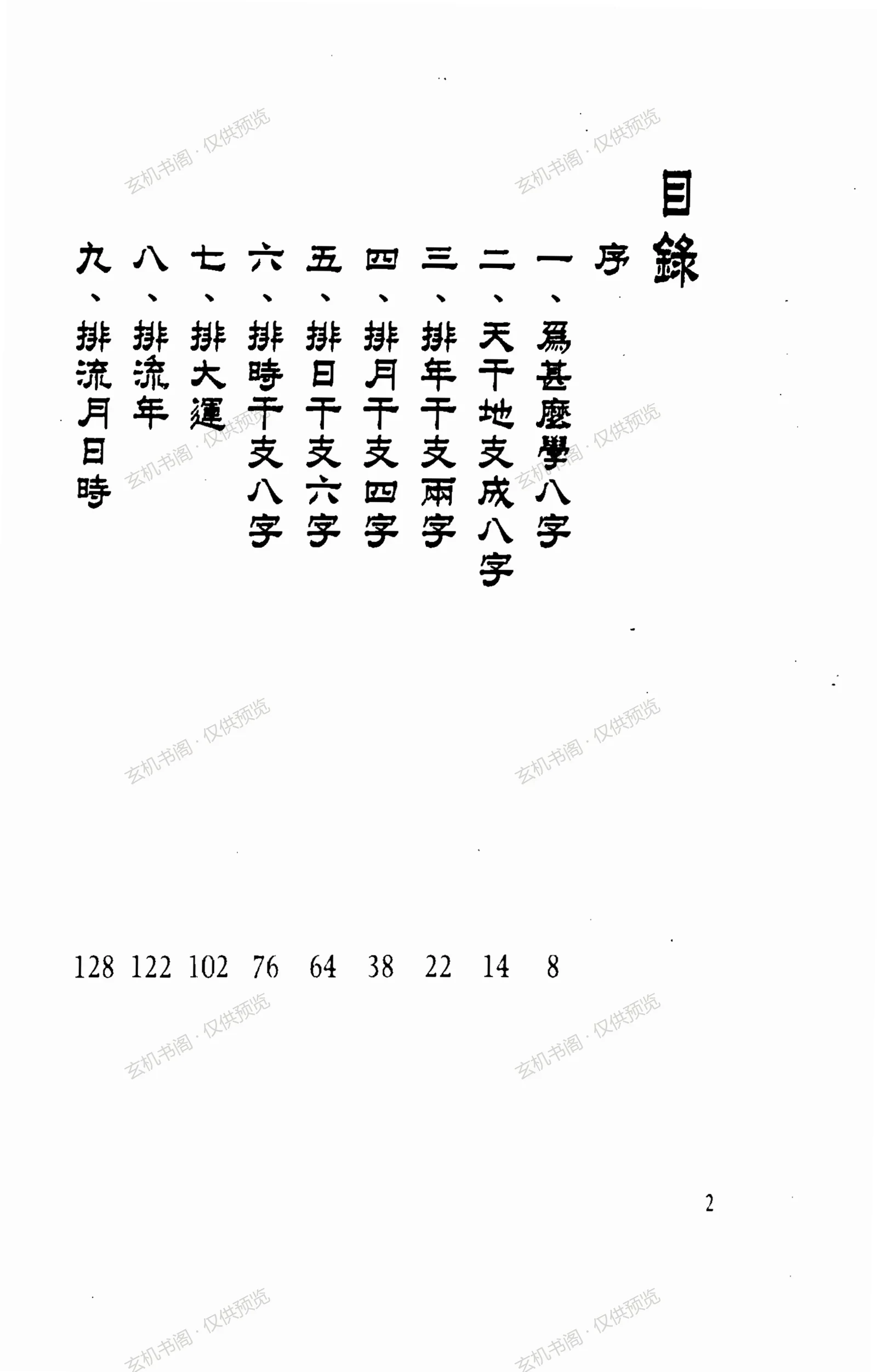
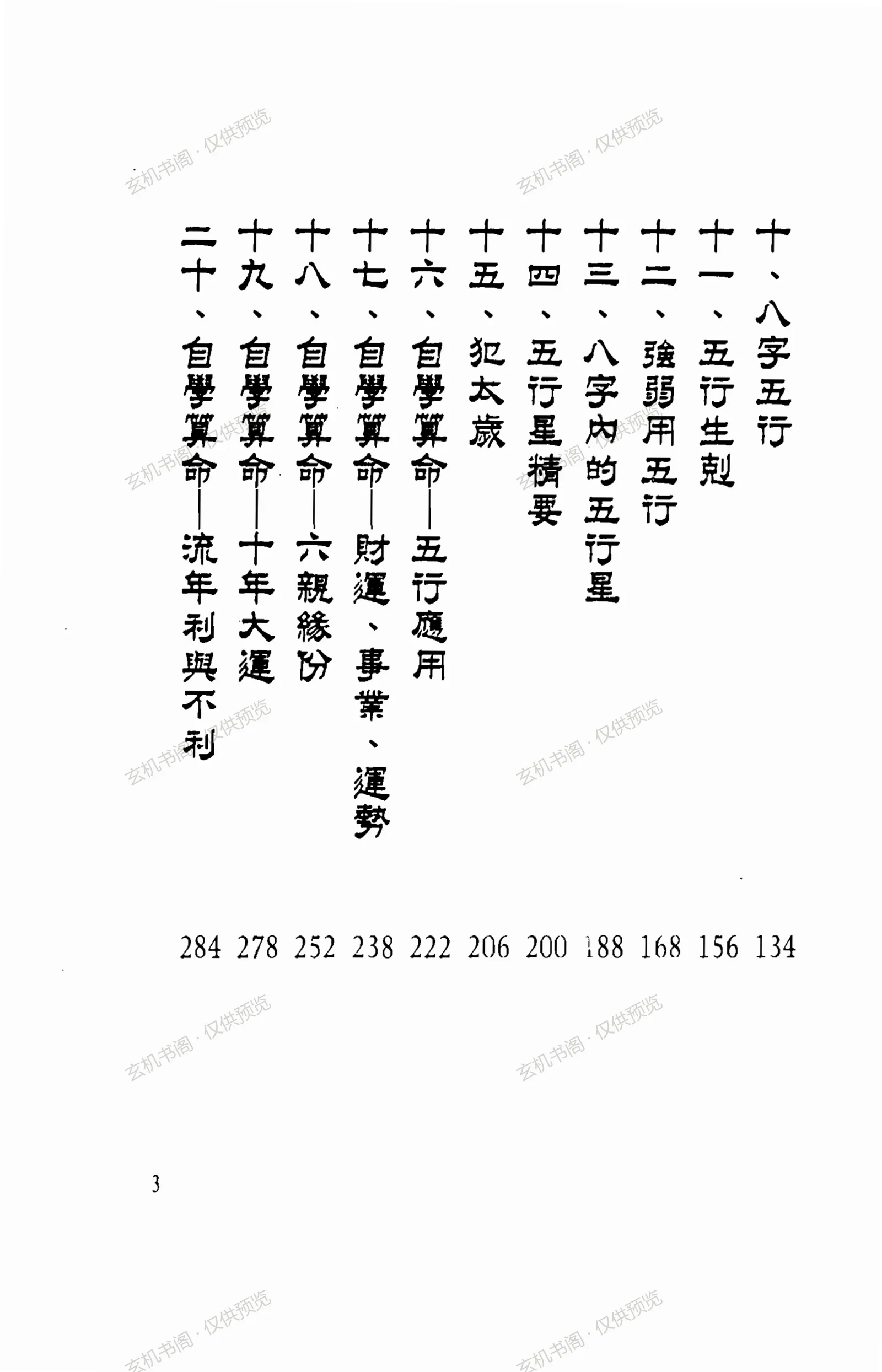
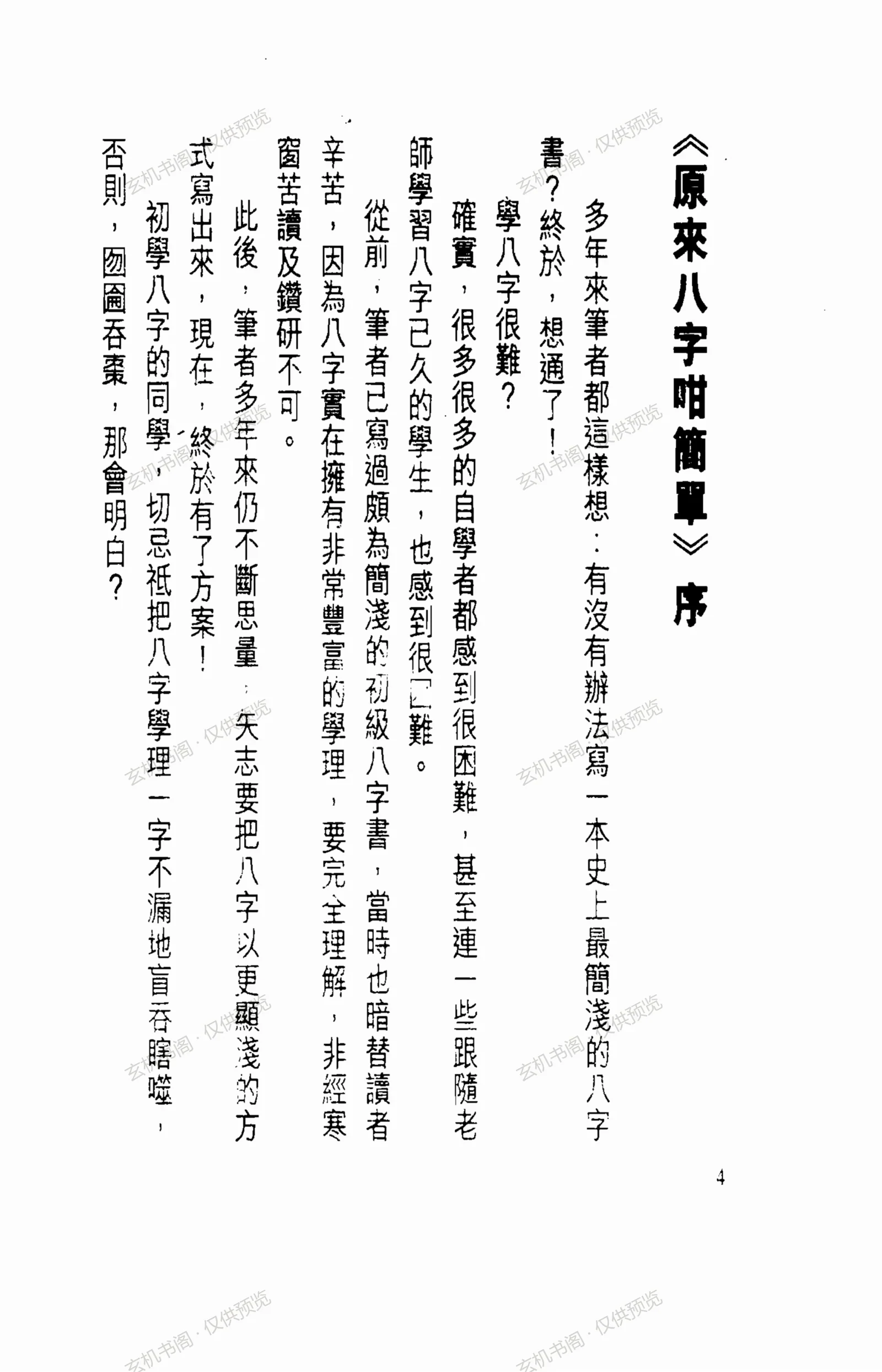
Part of the author's BaZi series, this book was written because Bai Heming felt most beginner texts were either too dense or too scattered. The preface stresses that BaZi is easy to start but hard to master, and that this volume only lays the groundwork. The table of contents moves from why one studies BaZi, through the heavenly stems and earthly branches, to constructing the year, month, day and hour pillars, then to plotting major luck cycles, annual cycles, and monthly and daily cycles. The later chapters turn to interpretation: the five elements in a chart, their generating and controlling relations, strength and useful elements, the five-element stars, and offending Tai Sui, followed by a self-study section covering wealth, career, family relations, ten-year luck cycles and yearly fortune. It is a practical, hands-on primer for readers with no background, though advanced topics such as chart structure and useful-god selection are only touched on.
Contents
Preface: why a simplest BaZi book
Why study BaZi
Stems and branches form the eight characters
Plotting year, month, day and hour pillars
Major luck, annual and monthly/daily cycles
Five elements, strength, elemental stars, Tai Sui
Self-study: wealth, family, luck cycles, yearly fortune
Key Points
Plain language lowers the entry barrier to BaZi
Focus on casting the four pillars one by one
Extends to major luck, annual and monthly cycles
Basic judgement via five-element relations and strength
Self-study units on wealth, career, family and yearly fortune