Reading guide
Content guideOverview
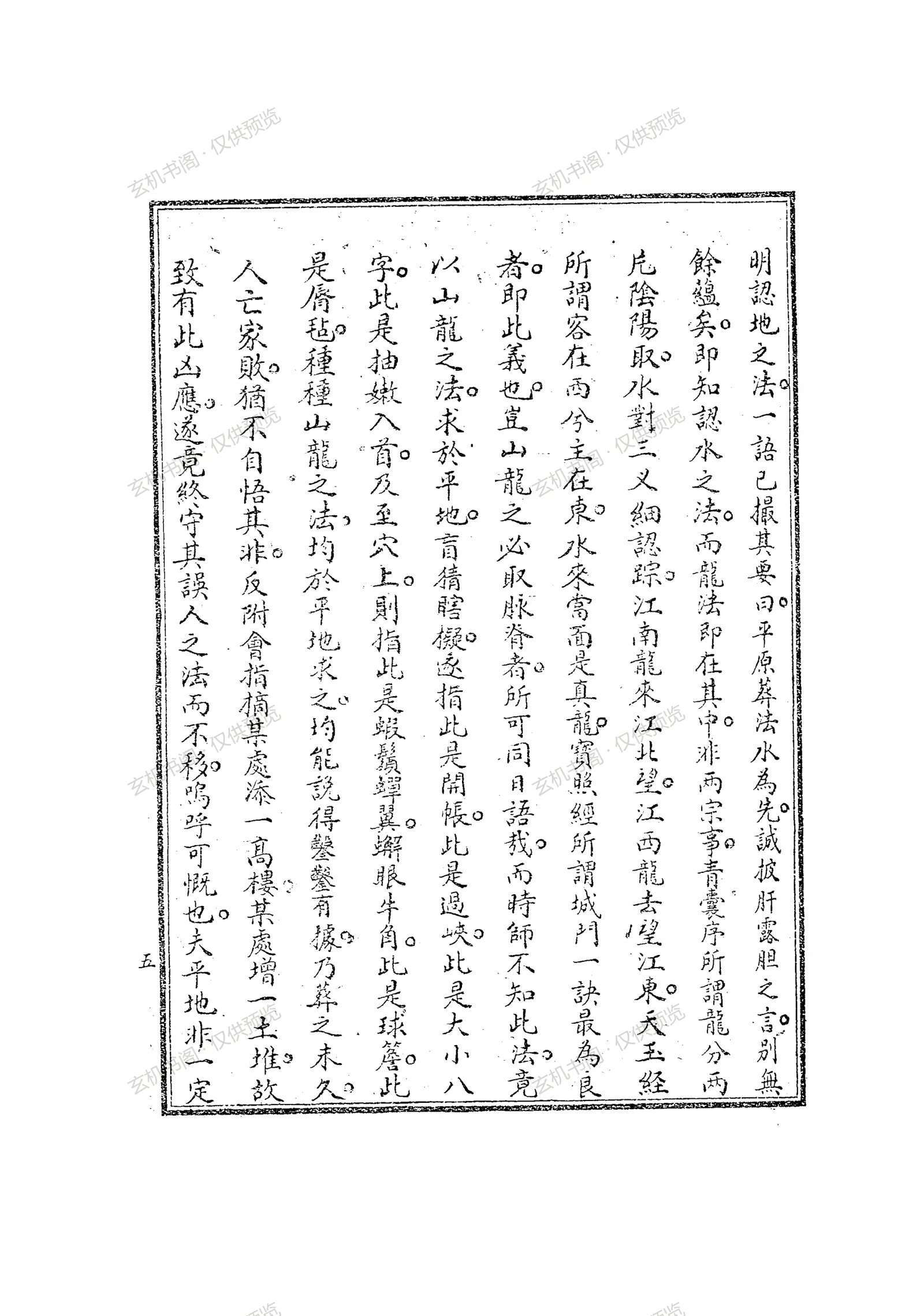
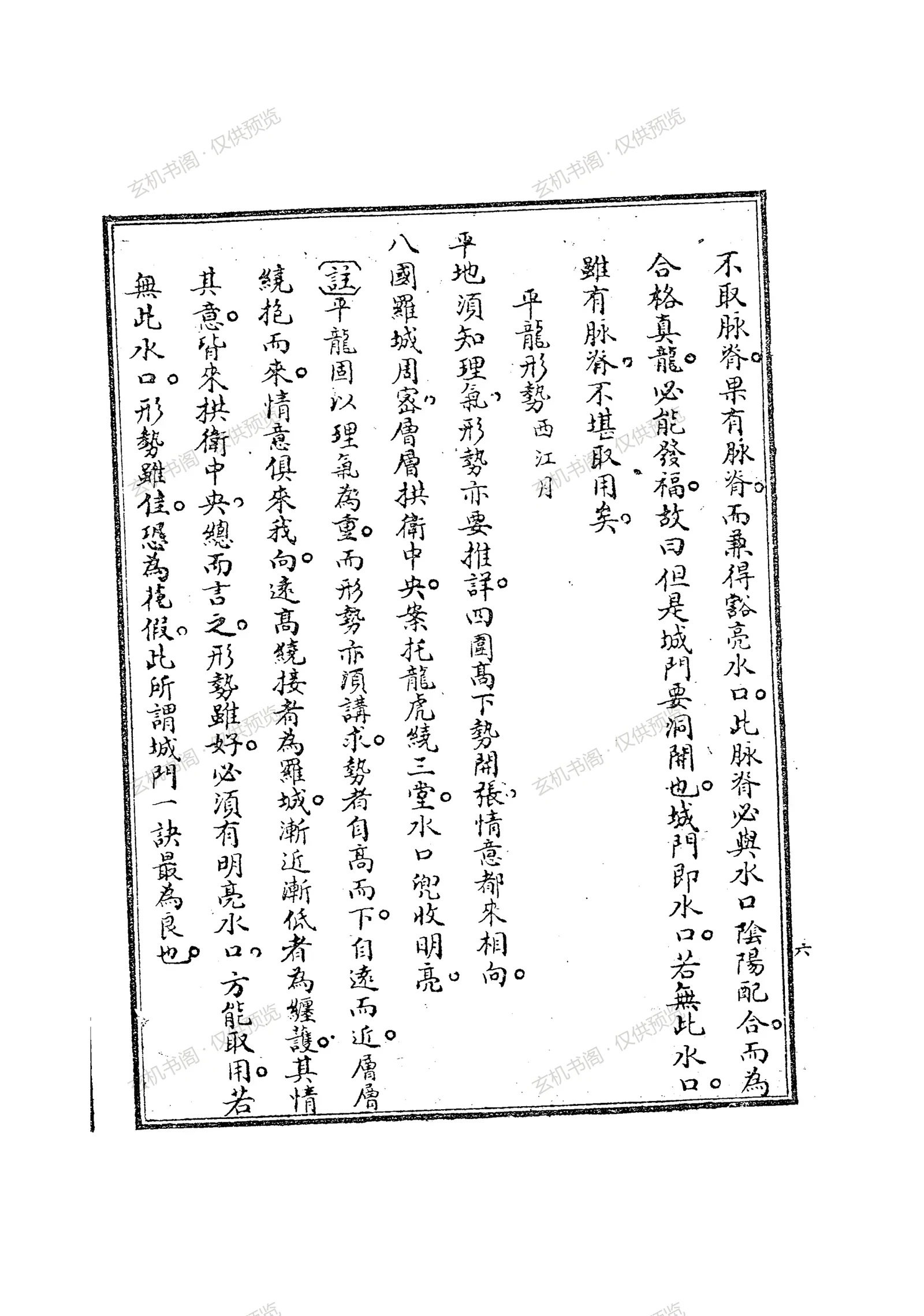
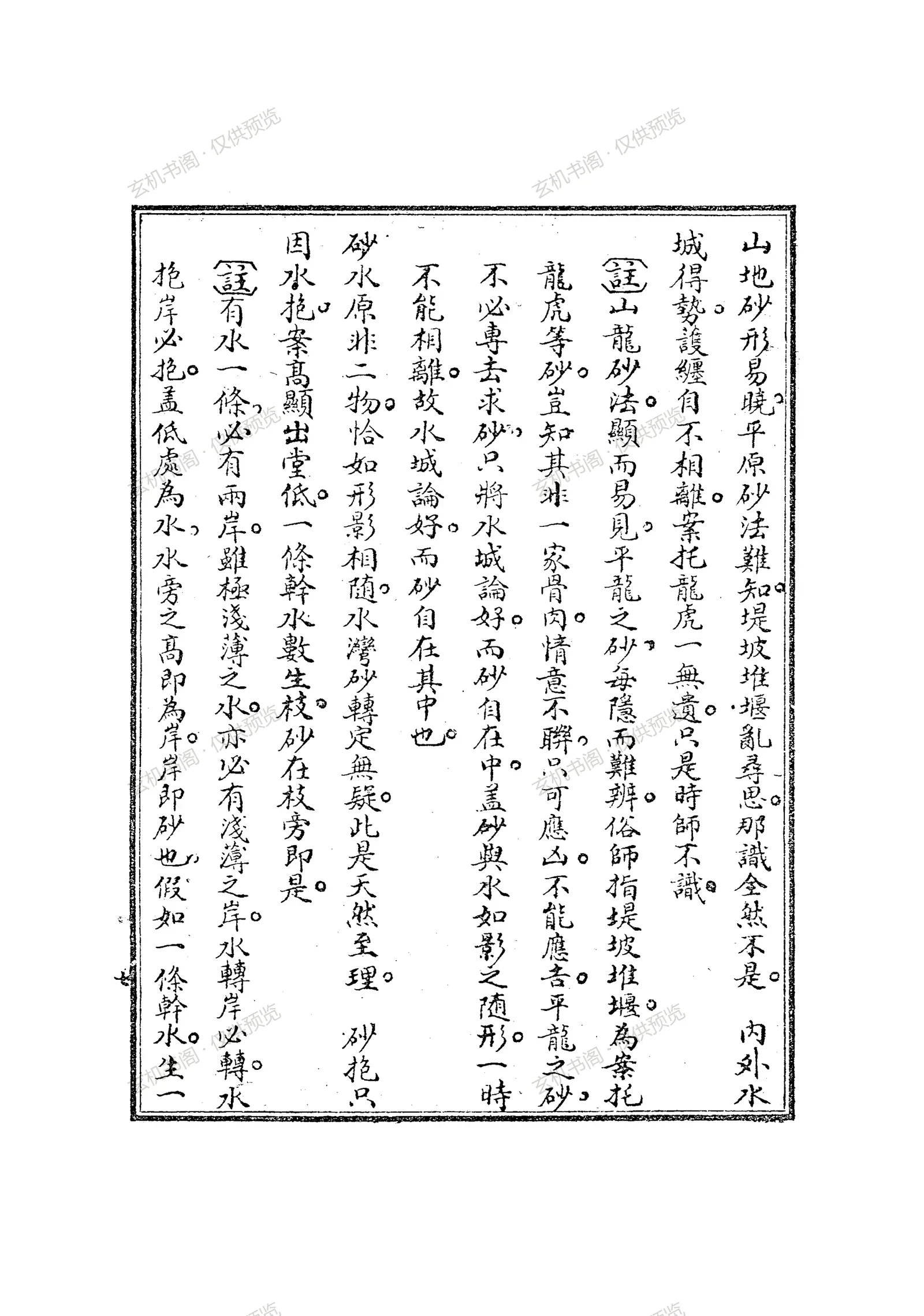
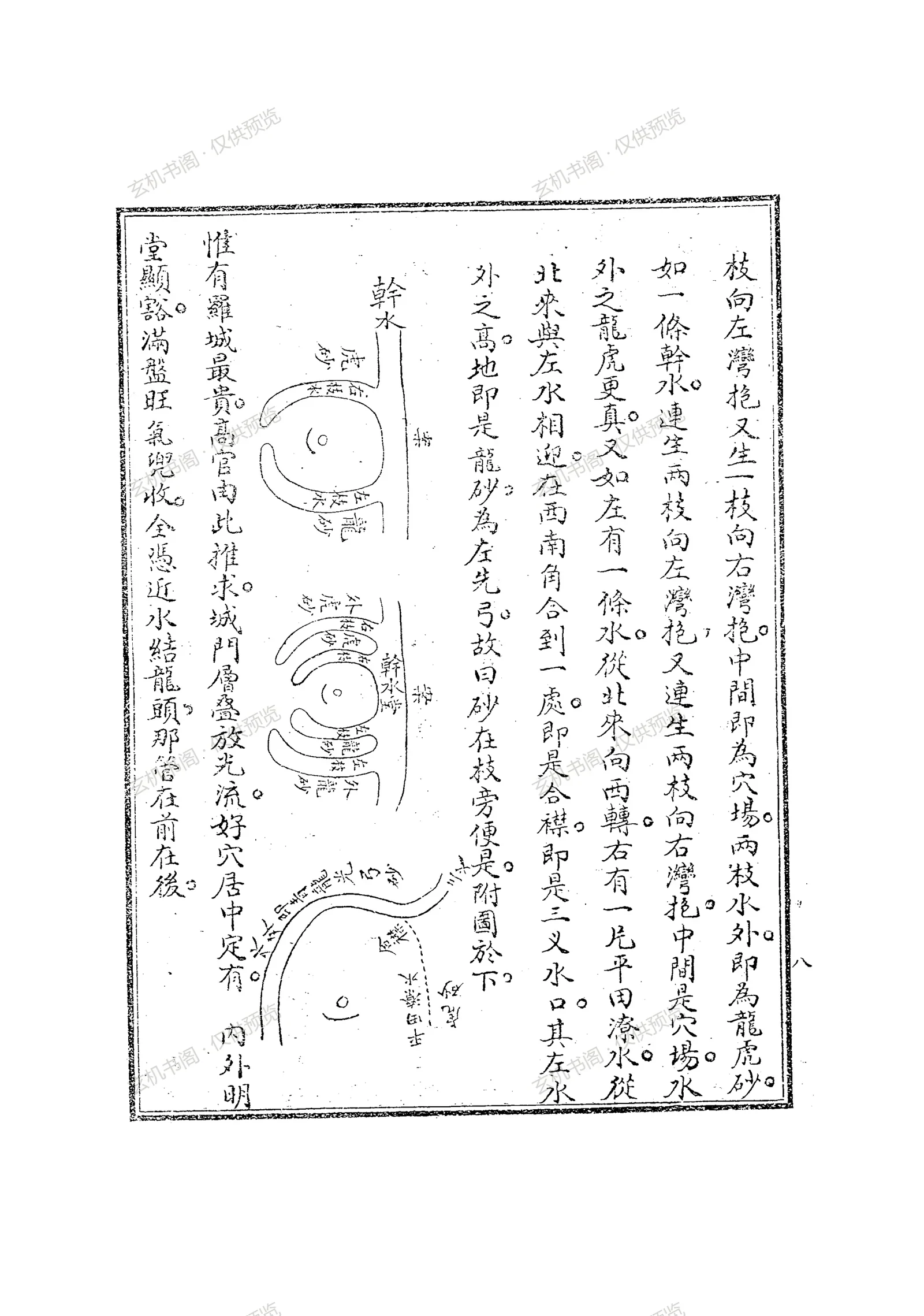
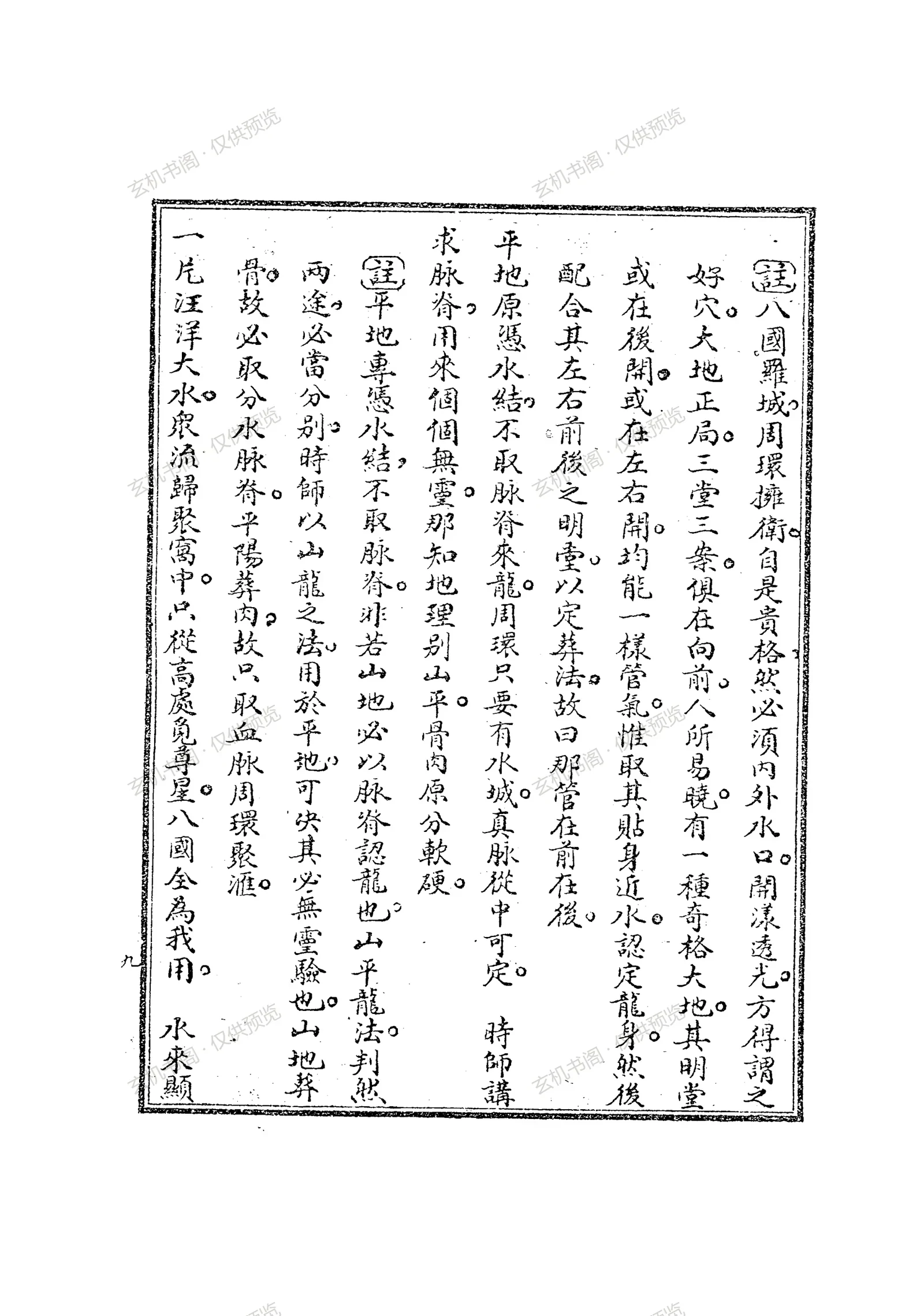
Titled A New Book of a Hundred Tests in Burial Methods, this short feng shui text opens with a preface on plain (pingyang) burial. Its central doctrine is that on flat land water serves as the dragon: since no mountains are available, the siting of the tomb must be judged by water mouths, water enclosures, and the bright hall. The book first distinguishes mountain dragons from plain dragons, noting that mountain sites rely on sand and tiger-dragon hills, while flatland sites require both form and liqi reasoning, guided above all by the 'city gate' method. It then explains how to trace dragons on flat ground—encircling water, branching streams, triple-fork water mouths, surrounding ramparts, open bright halls, and inner and outer water mouths—with simple diagrams of dry streams, branch waters, and dragon-tiger sand. The author criticizes practitioners who mechanically apply mountain methods to plains and insists that form and water together confirm the site. Brief and formulaic, the work suits readers with some foundation in kanyu who wish to study plain water methods.
Contents
Preface: water as the dragon on plains
Distinguishing mountain and plain dragons
The city-gate method and inner/outer water mouths
Plain dragon forms: ramparts, bright hall, water enclosures
Diagrams of branch waters and triple-fork mouths
Siting on flat land and sand-water correspondence
Critique of misapplied mountain methods
Key Points
Core doctrine: on plains, water serves as the dragon.
City gate, water mouth, and bright hall determine site authenticity.
Mountain sites stress sand and tiger-dragon hills; plains need form and liqi.
Sand follows water, and the site follows sand; mountain methods cannot be copied blindly.
Includes simple diagrams of water configurations for reference.