Reading guide
Content guideOverview
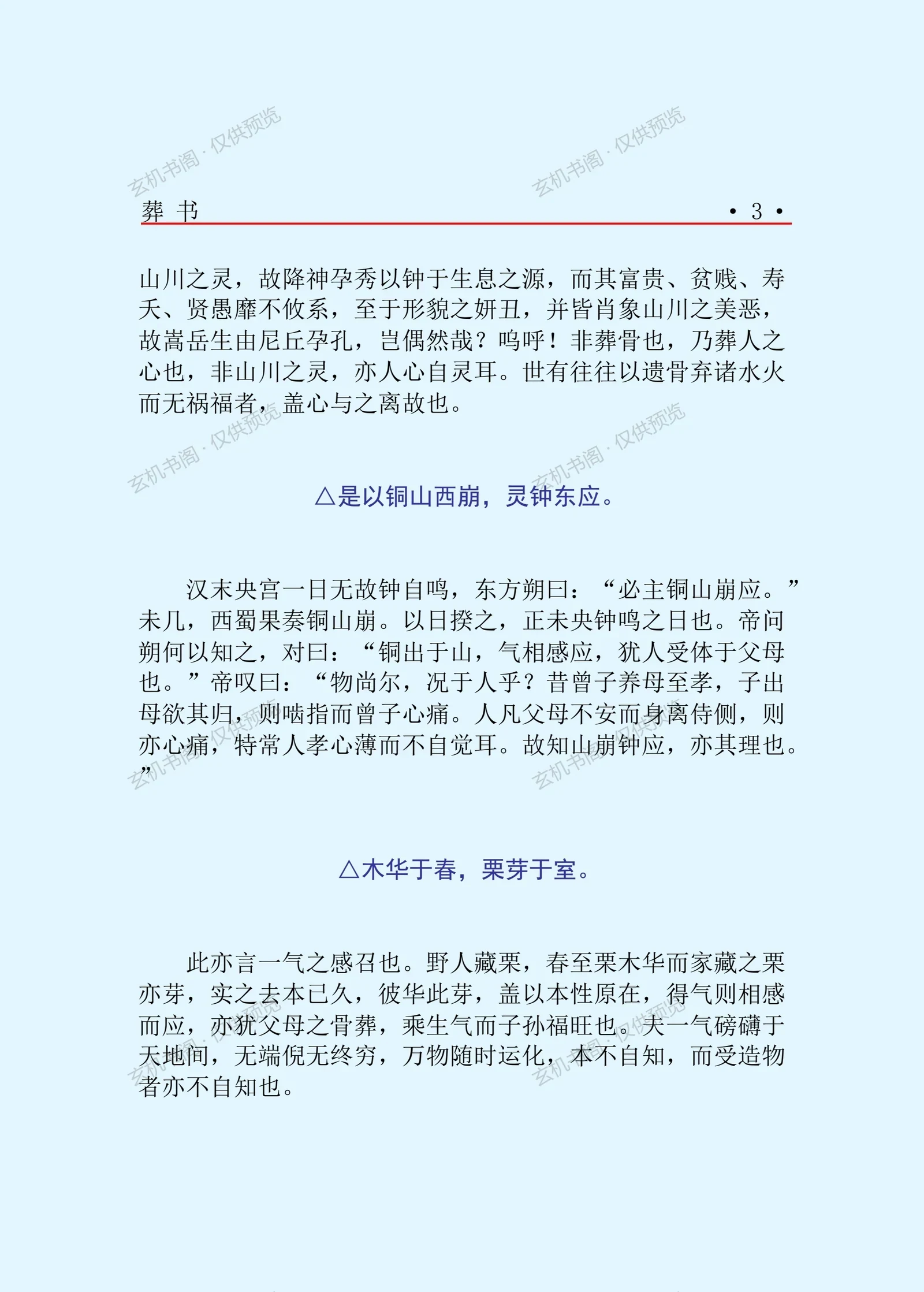
This edition of The Book of Burial (Zangshu), attributed to Guo Pu of the Jin dynasty and included in the Chinese Classics Essence Library, is divided into Inner, Outer, and Miscellaneous chapters. The Inner chapter is the core: it opens with the famous line that burial means riding the vital qi (shengqi), explains qi as the single primordial force that circulates through heaven and generates all things on earth, and describes the five phases moving within the earth. It then builds its argument on the idea that the parents' bones are the root of descendants, citing Chengzi and Cai Jitong to explain that kindred qi resonates and brings blessings, illustrated by tales such as the bronze mountain collapsing and the bell ringing in response, and chestnuts sprouting in a sealed room. The Outer and Miscellaneous chapters extend the discussion to landforms, dragon veins, sand and water, and auspicious or inauspicious burial methods. Compact but dense, the text is a primary source for understanding the notions of riding vital qi and resonant response in traditional yinzhai geomancy.
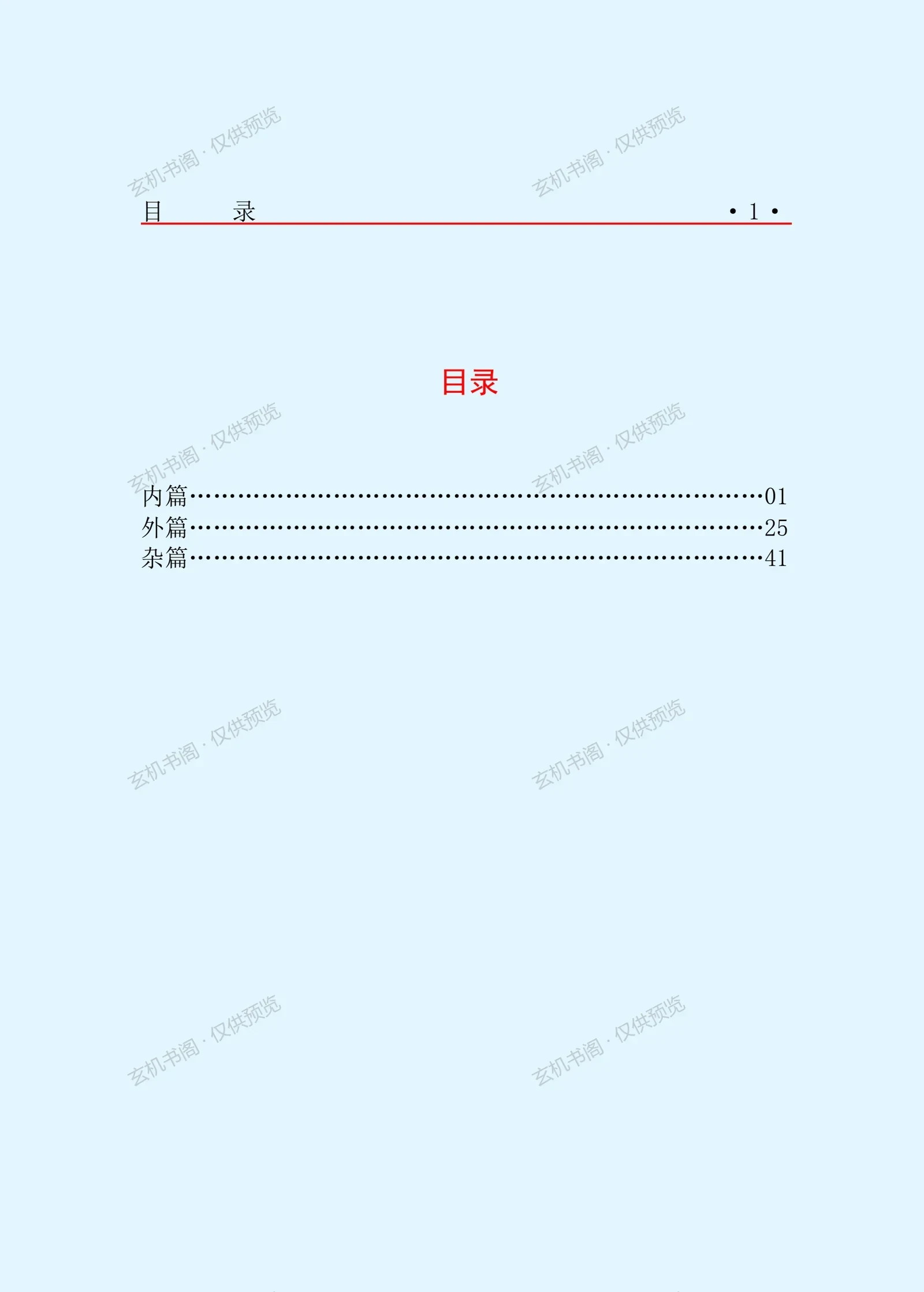
Contents
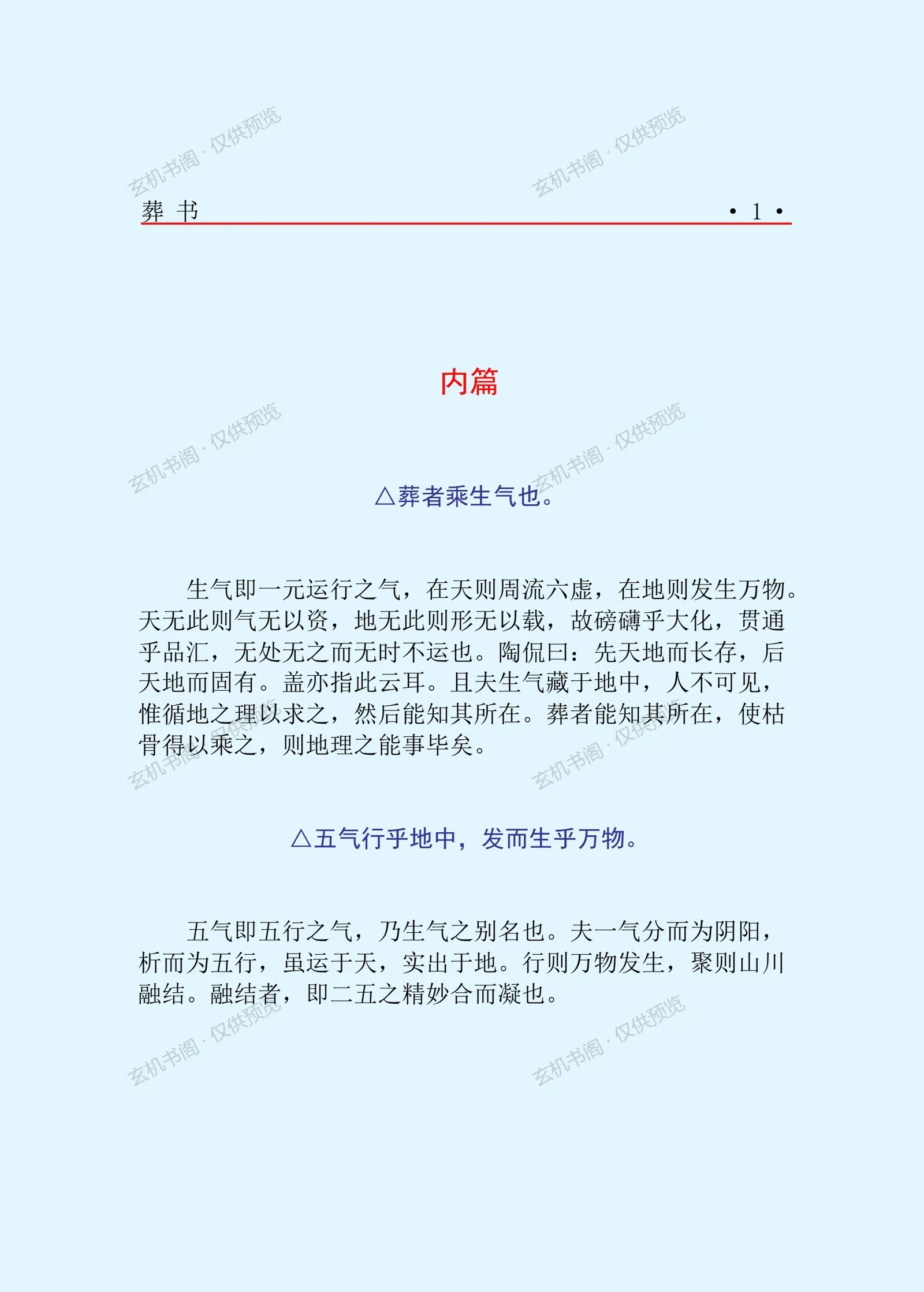
Inner chapter: burial rides vital qi; primordial qi and the five phases
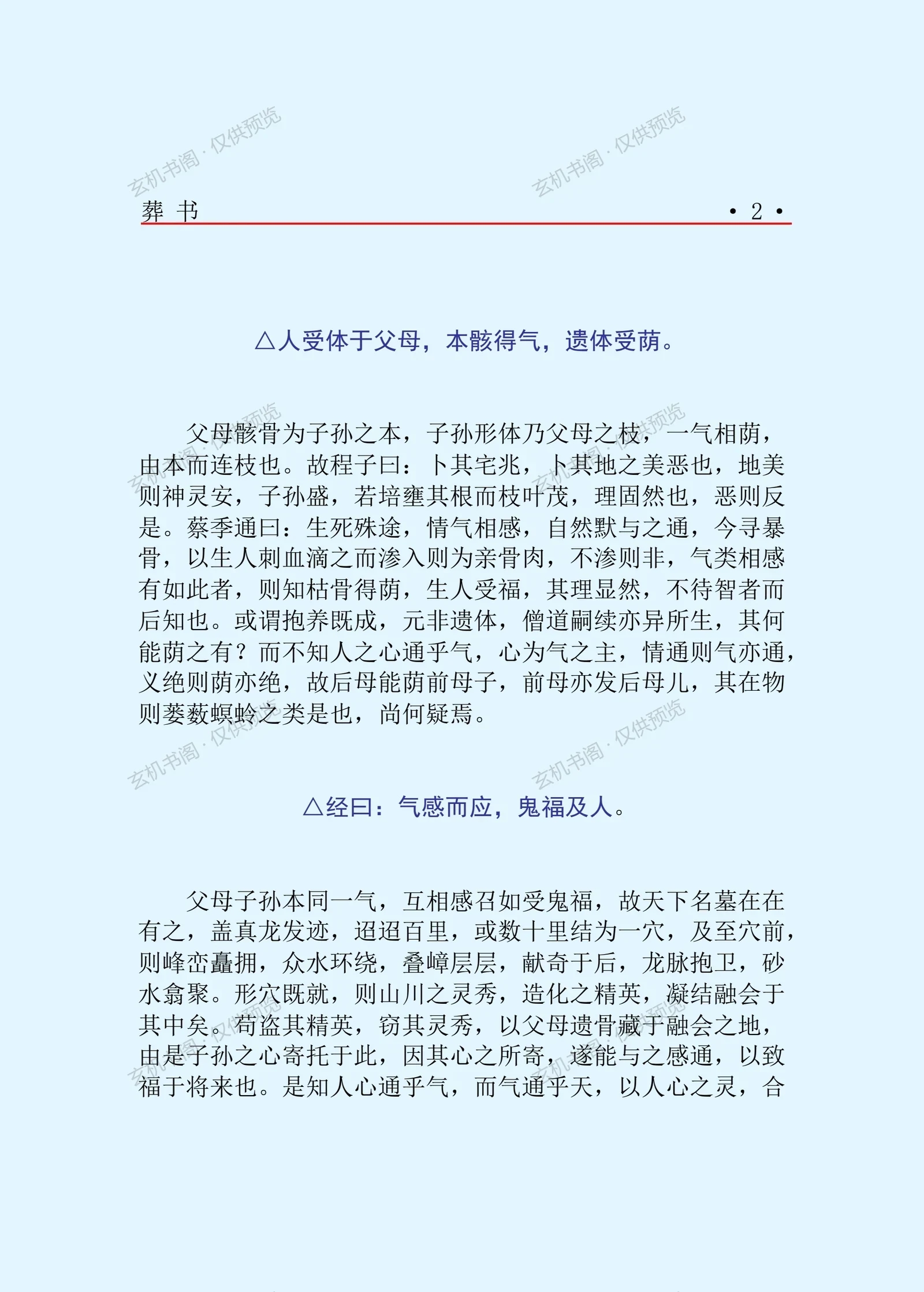
Inner chapter: parents' bones as root of descendants, kindred qi sheltering
Inner chapter: resonant response and blessings, with the bronze mountain and bell story
Outer chapter: landforms, dragon veins, sand and water
Miscellaneous chapter: burial methods, auspicious and inauspicious cases
Key Points
Opens with the programmatic phrase 'burial means riding vital qi'
Explains creation through primordial qi and the yin-yang five phases
Argues for blessing of descendants from shared qi between bones and offspring
Cites Chengzi, Cai Jitong and Dongfang Shuo as evidence of resonance
Inner, Outer and Miscellaneous chapters form a complete burial doctrine