Reading guide
Content guideOverview
This short lecture-style text discusses array methods in the context of Qimen Dunjia and fengshui. It begins with the idea of stellar energy and explains that an array's effectiveness depends on its size, energy level, accuracy of layout information, and the practitioner's vitality. It then classifies arrays into physical, talismanic, and ritual types, as well as Daoist and military traditions. The latter half describes common hand gestures used in array practice, including the Dao finger, sword finger, Haoguang gesture, Jindou gesture, Sanshan gesture, Jingang finger, and Taiji midnight-noon seal, with notes on their finger positions and applications such as activating yin-house arrays, infusing vitality, consecration, clearing spaces, and gathering qi. The material is practical and gesture-focused, suited to readers with basic Qimen and fengshui knowledge.
Contents
Stellar energy and array effectiveness
Array categories: physical, talismanic, ritual, Daoist, military
Dao finger and sword finger postures
Haoguang, Jindou, and Sanshan gestures
Jingang finger and Taiji midnight-noon seal
Key Points
Array effectiveness relates to size, energy, and layout accuracy
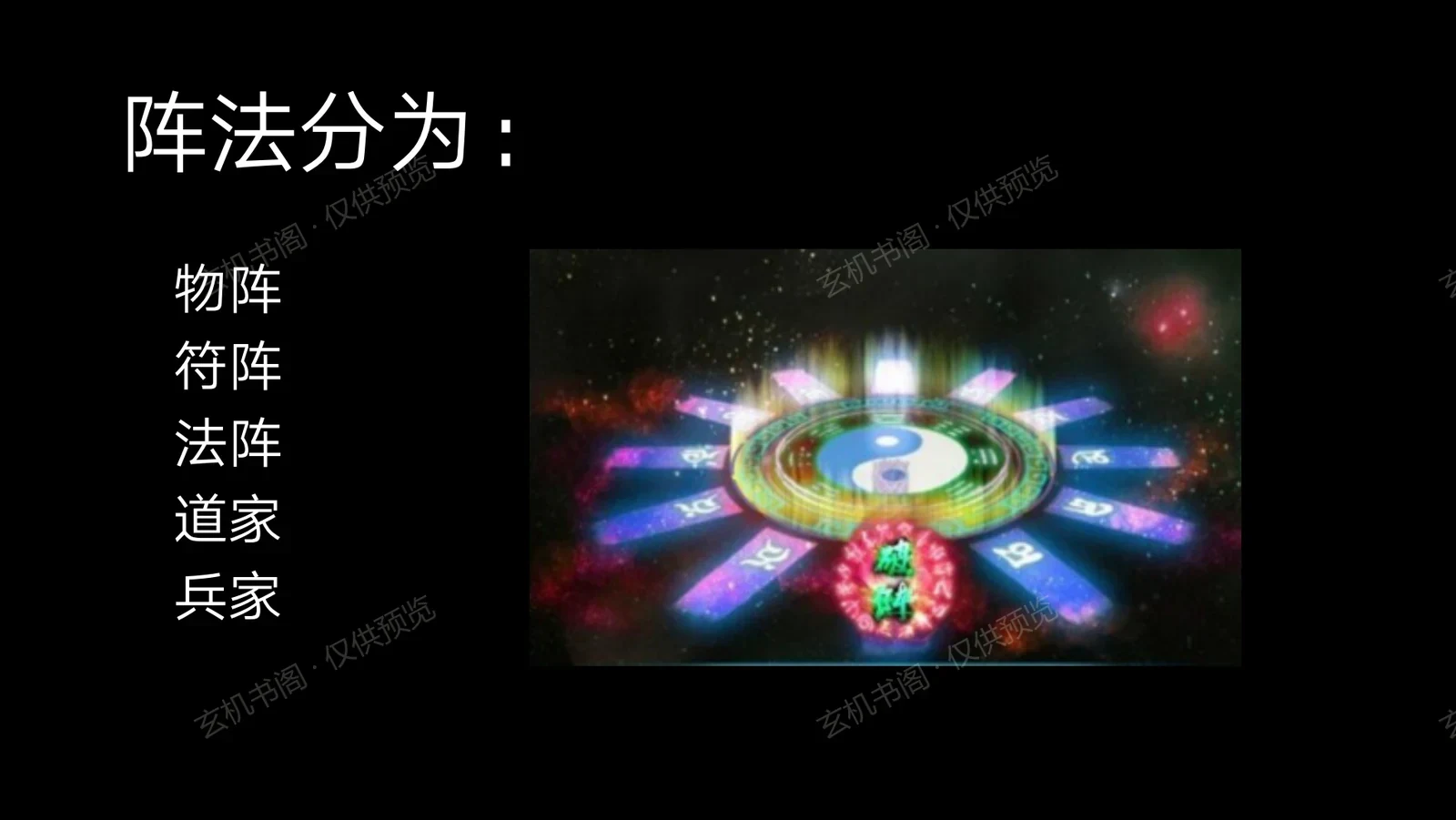
Arrays are classified into physical, talismanic, ritual, Daoist, and military types
Dao finger and sword finger are basic hand gestures
Haoguang gesture activates yin-house arrays
Jindou gesture infuses vitality into yin houses
Jingang finger is used for five-heart points and sealing doors/windows