Reading guide
Content guideOverview
This book is a chat transcript from a foundational Zi Wei Dou Shu course taught by Yiting. It starts with chart casting, introducing manual methods and software such as Wenmo Tianji and Xuanao Ziwei, with brief notes on star placement including Lucun, Qingyang, Tuoluo, Santai and Bazuo. The course focuses on leap-month settings and chart verification, stressing that a chart should be confirmed through multiple points such as appearance, family background, unusual events and yearly transits. It then explains birth longitude, true solar time and daylight saving time, appending China's daylight saving regulations and noting time discrepancies. Finally it discusses the first breath as the starting point of destiny for cesarean-born children, and how to view major limits, yearly, daily and hourly transits in software. Suitable for beginners learning chart casting and time correction.
Contents
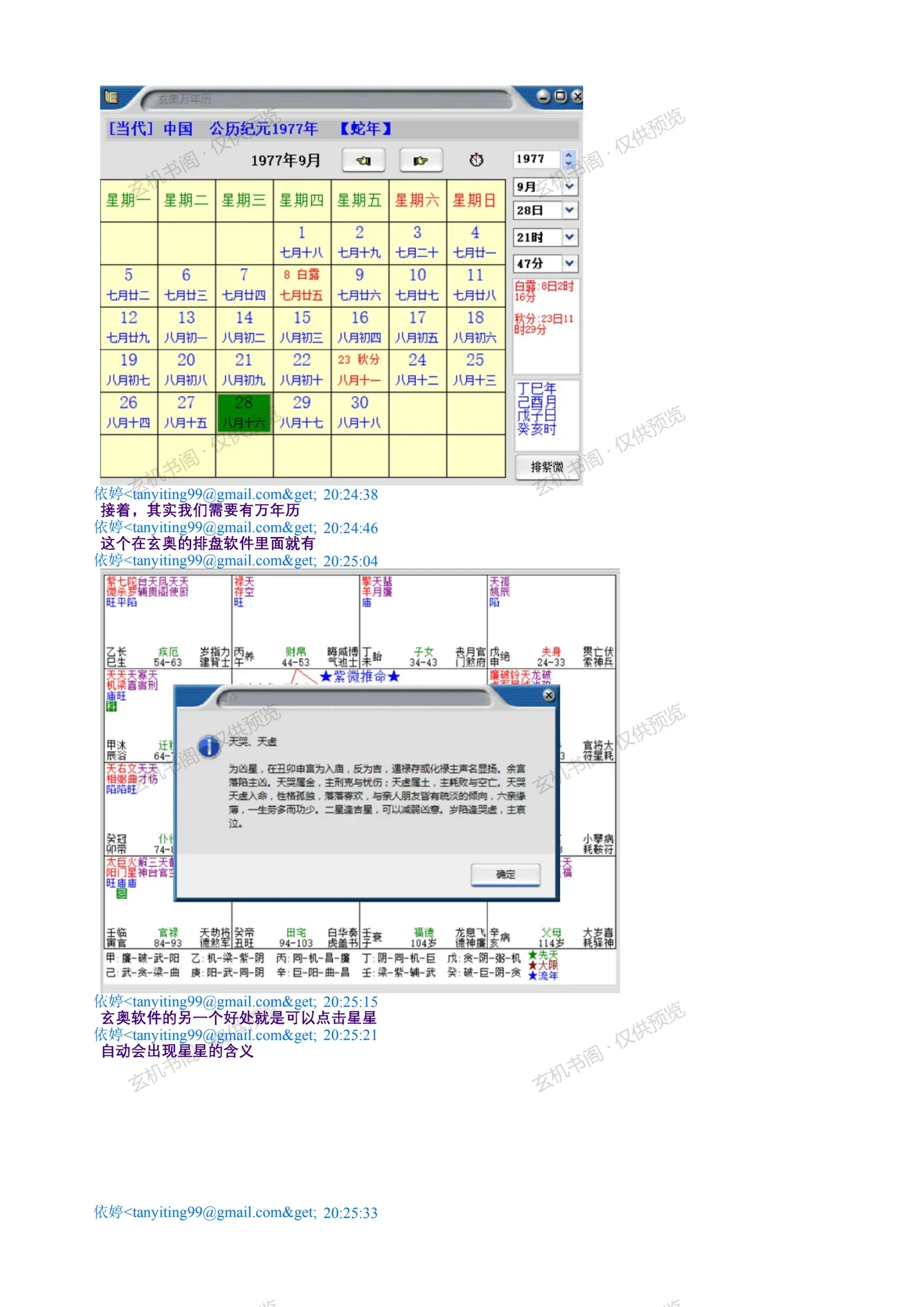
Chart casting: manual and software (Wenmo Tianji, Xuanao Ziwei)
Star placement notes: Lucun, Qingyang, Tuoluo, Santai, Bazuo
Leap-month settings and verification by chart confirmation
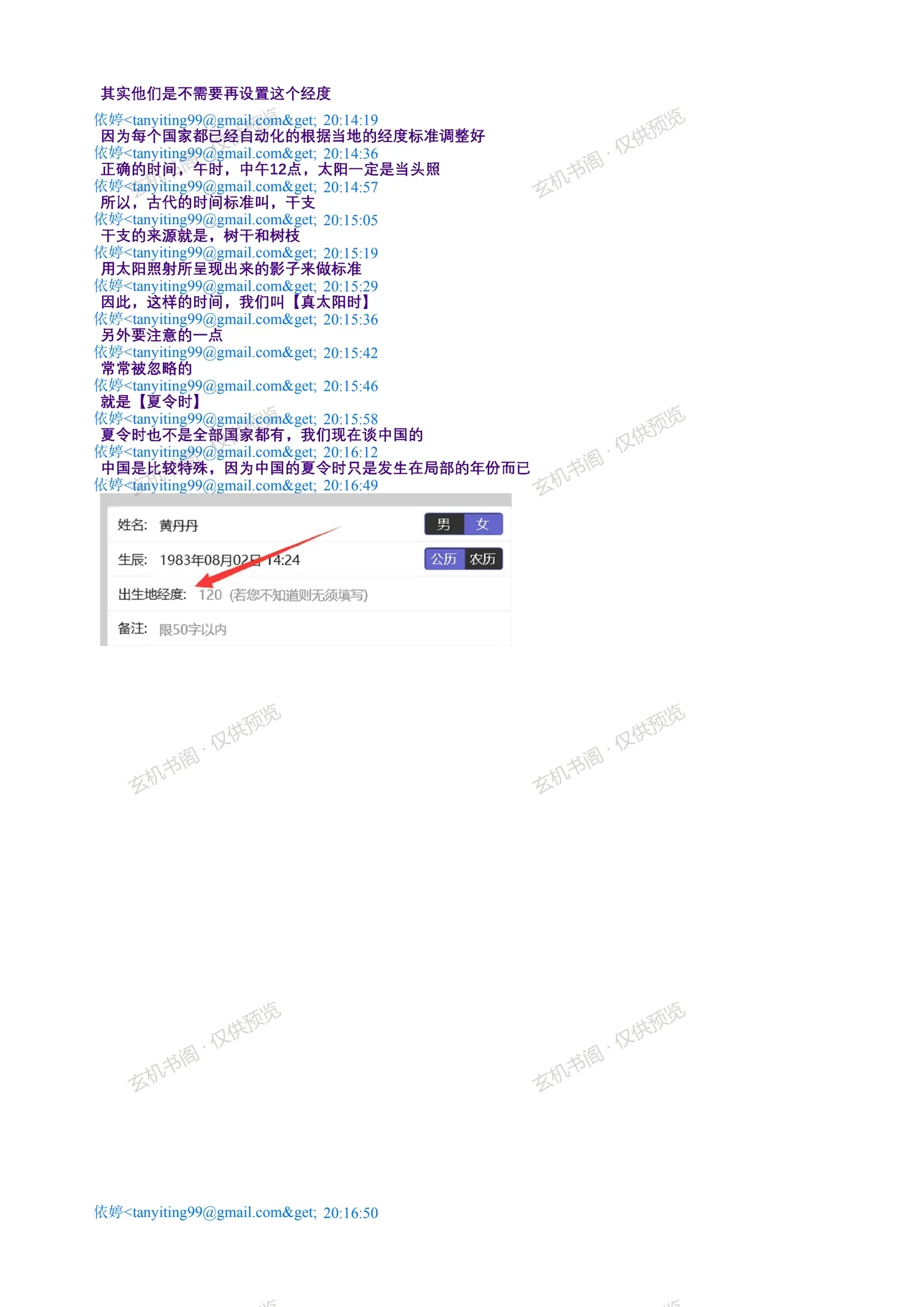
Birth longitude, true solar time and daylight saving correction
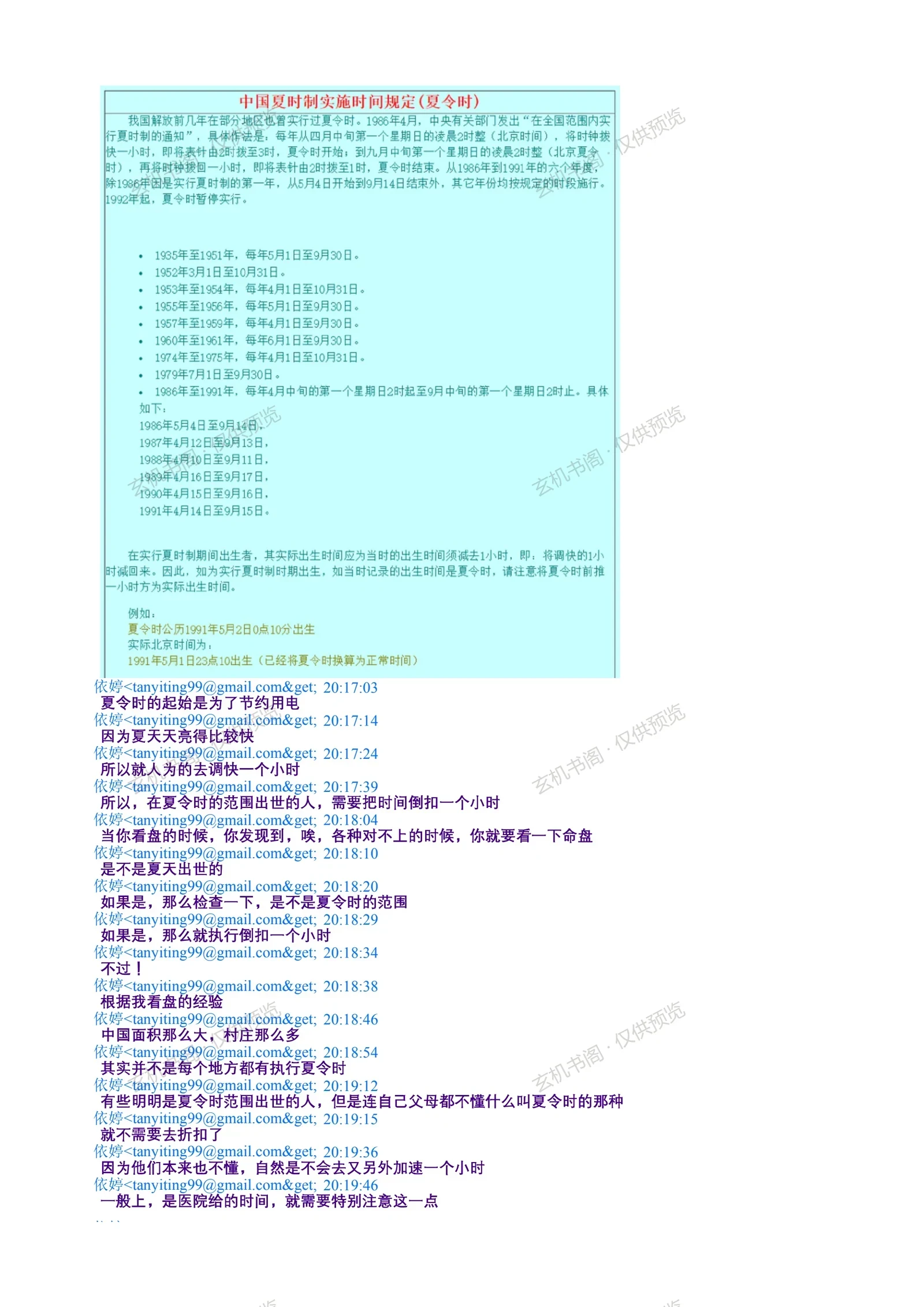
Appendix: China's daylight saving implementation periods
Birth-time confirmation and the first-breath standard for cesarean births
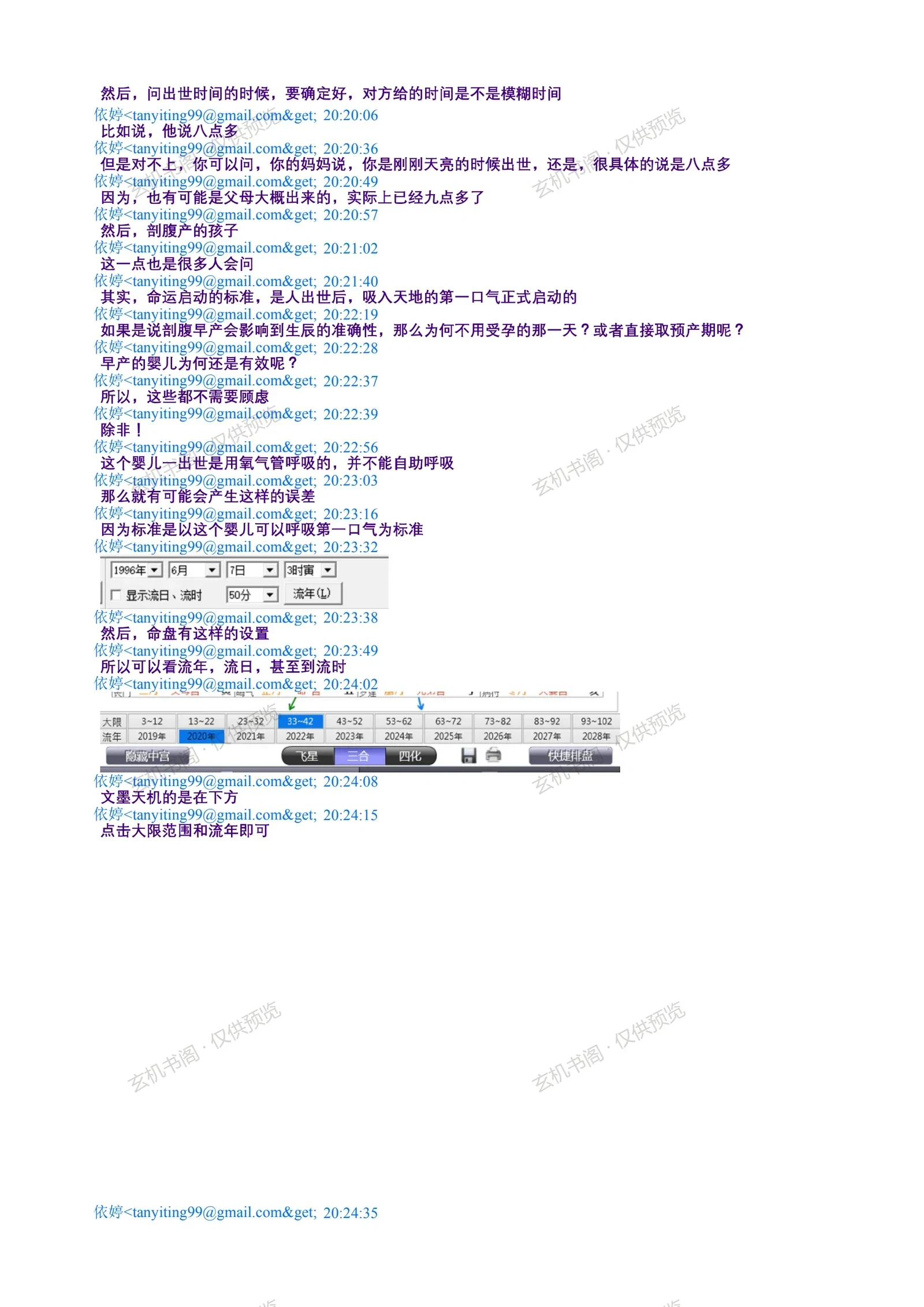
Viewing major limits, yearly, daily and hourly transits in software
Key Points
Distinguish lunar and solar dates when casting; mind leap-month settings
Software leap-month defaults may affect the chart and need checking
Verify a chart with appearance, family, unusual events and transits
Birth longitude and true solar time affect the hour pillar determination
Daylight saving births usually require subtracting one hour, depending on region
For cesarean births, the first breath marks the start of destiny