Reading guide
Content guideOverview
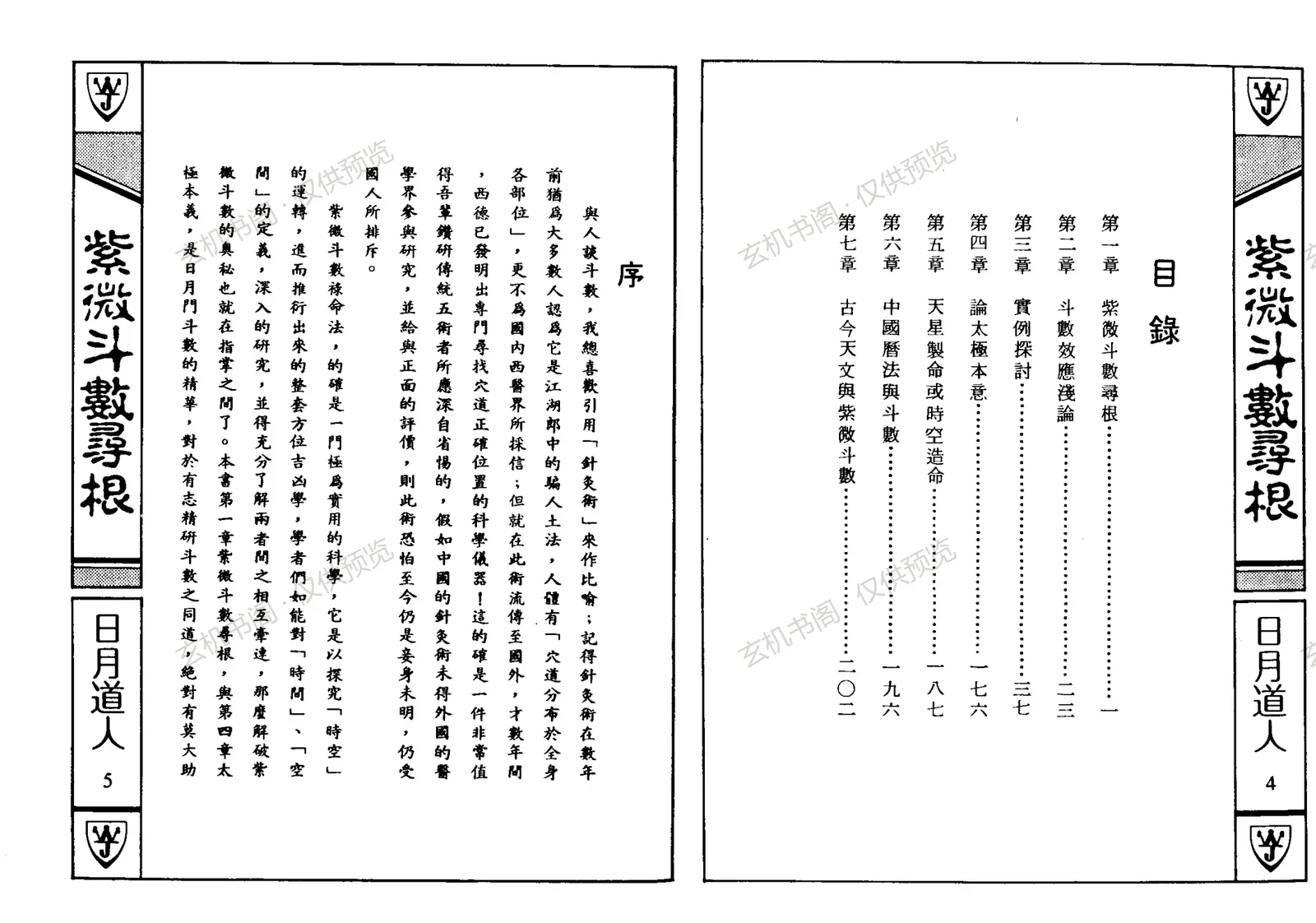
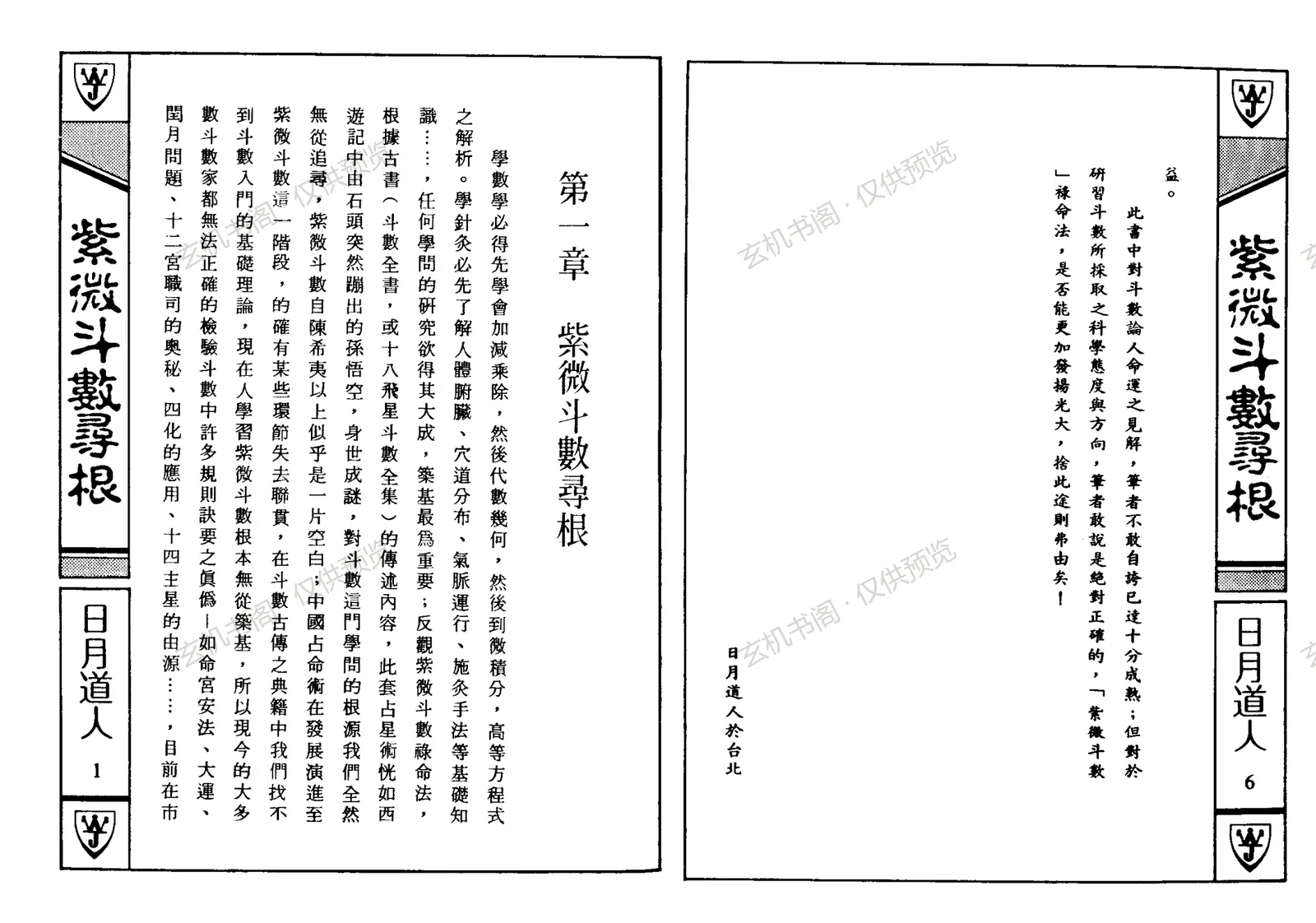
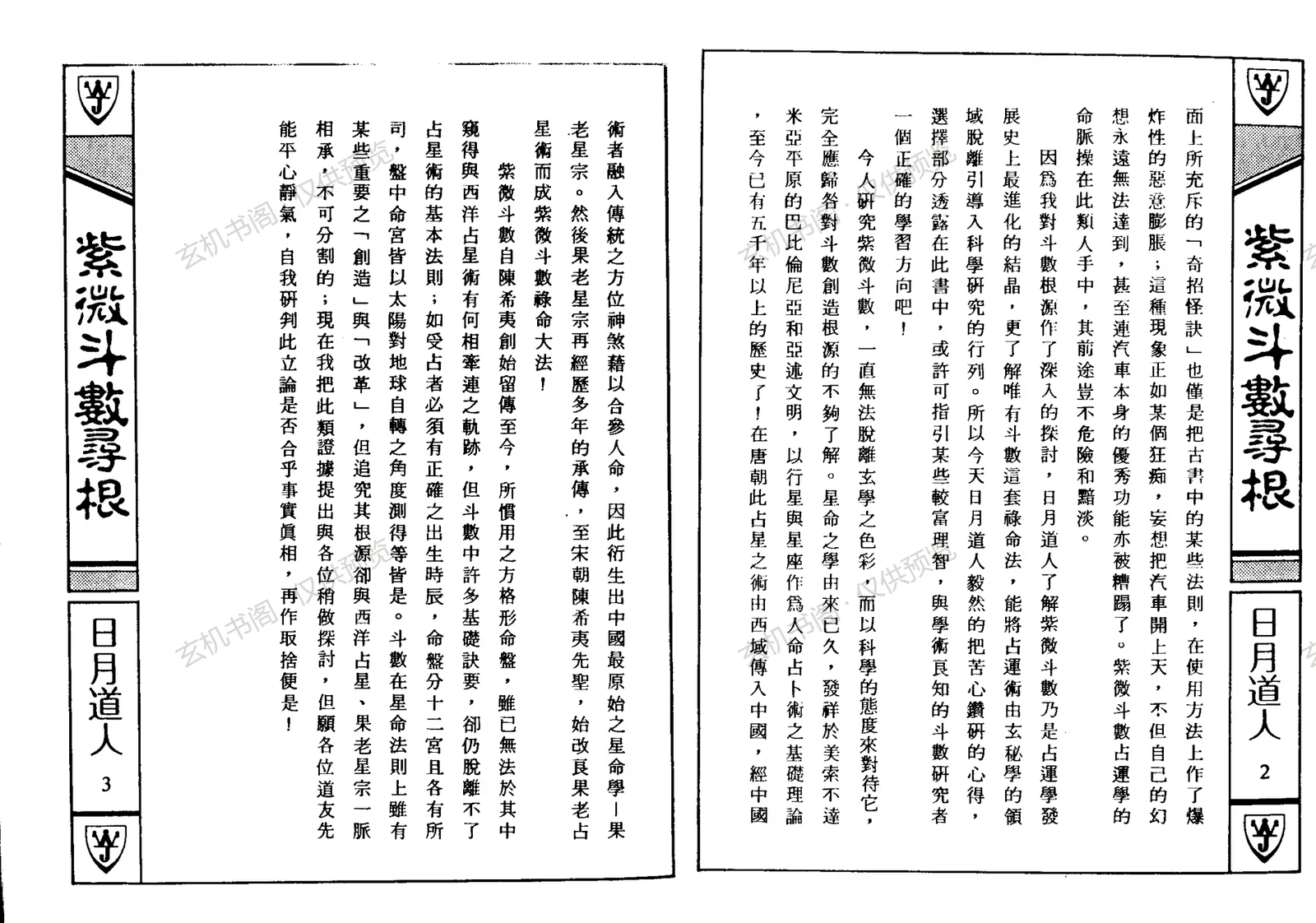
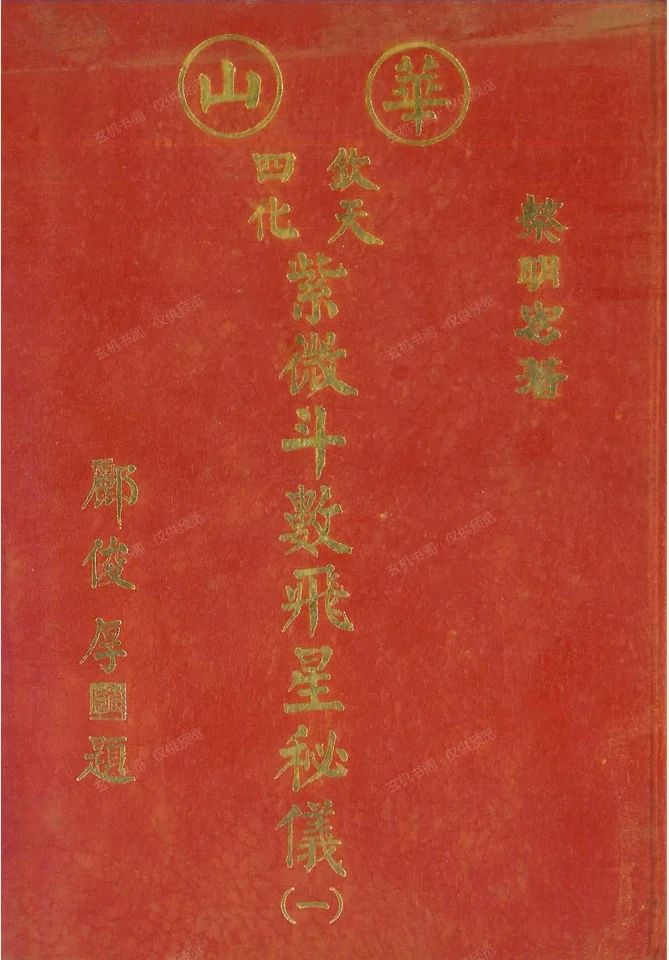
This book investigates the foundations of Ziwei Doushu rather than presenting a beginner's manual. The author argues that Doushu has long been transmitted through mnemonic rules and oral formulas, with insufficient scrutiny of how its star placements and calculations relate to premodern and modern calendars. Drawing on astronomy, calendrical science, yin-yang and five-phase theory, and comparisons with Western astrology, the book examines the origins of key procedures such as determining the life palace, major periods, leap-month handling, the twelve palaces, the four transformations, and the fourteen major stars. The table of contents is organized into seven chapters, moving from general reflections on tracing Doushu's roots to discussions of its effects, case studies, the meaning of the taiji, fate-making through celestial patterns or time-space, Chinese calendrical systems, and ancient and modern astronomy. It is suited to readers who already know basic Doushu chart structure and wish to understand its theoretical and calendrical background.
Contents
Ch.1 Tracing the Roots of Ziwei Doushu
Ch.2 A Brief Discussion of Doushu's Effects
Ch.3 Case Studies
Ch.4 On the Original Meaning of Taiji
Ch.5 Celestial Fate-Making or Time-Space Fate-Making
Ch.6 Chinese Calendars and Doushu
Ch.7 Ancient and Modern Astronomy and Ziwei Doushu
Key Points
Traces Doushu's roots through astronomy and comparative astrology
Reexamines star placement, leap months, four transformations, and basic rules
Stresses mathematical and testable reasoning over rote formulas
Discusses the life palace, major periods, and the twelve palaces
Uses case studies to explore Doushu's effects and fate-making