Reading guide
Content guideOverview
This handout focuses on the 'Ziwei Solitary Chart in the Zi and Wu Palaces' and is a teaching material for a systematic Ziwei Doushu course. Starting from the chart pattern of the Ziwei star sitting alone in the Zi or Wu palace, it first outlines the typical background of bosses and their companies under this pattern: grassroots, self-made, in urgent need of talent, and fair and approachable in attitude. The handout then uses a specific chart image to analyze the various star combinations involved, such as the greedy wolf (Tanlang) in the migration palace representing socializing and affinity, and uses the historical backdrop of Cao Cao and Liu Bei from the Three Kingdoms to illustrate the functional division of stars like Ziwei, Qisha, Tianliang, Wuqu, and Tianxiang within an organizational structure. It highlights the Wuqu-Tianxiang palace as a 'favorite' or core designer who is highly valued, and uses the example of a Prada chief designer starting a business to vividly explain how entrepreneurship under this pattern often fails due to issues like overpricing and arrogance, providing a specific astrological analysis of the pros and cons of starting a business versus staying employed.
Contents
Boss traits in the Ziwei solitary chart in Zi and Wu
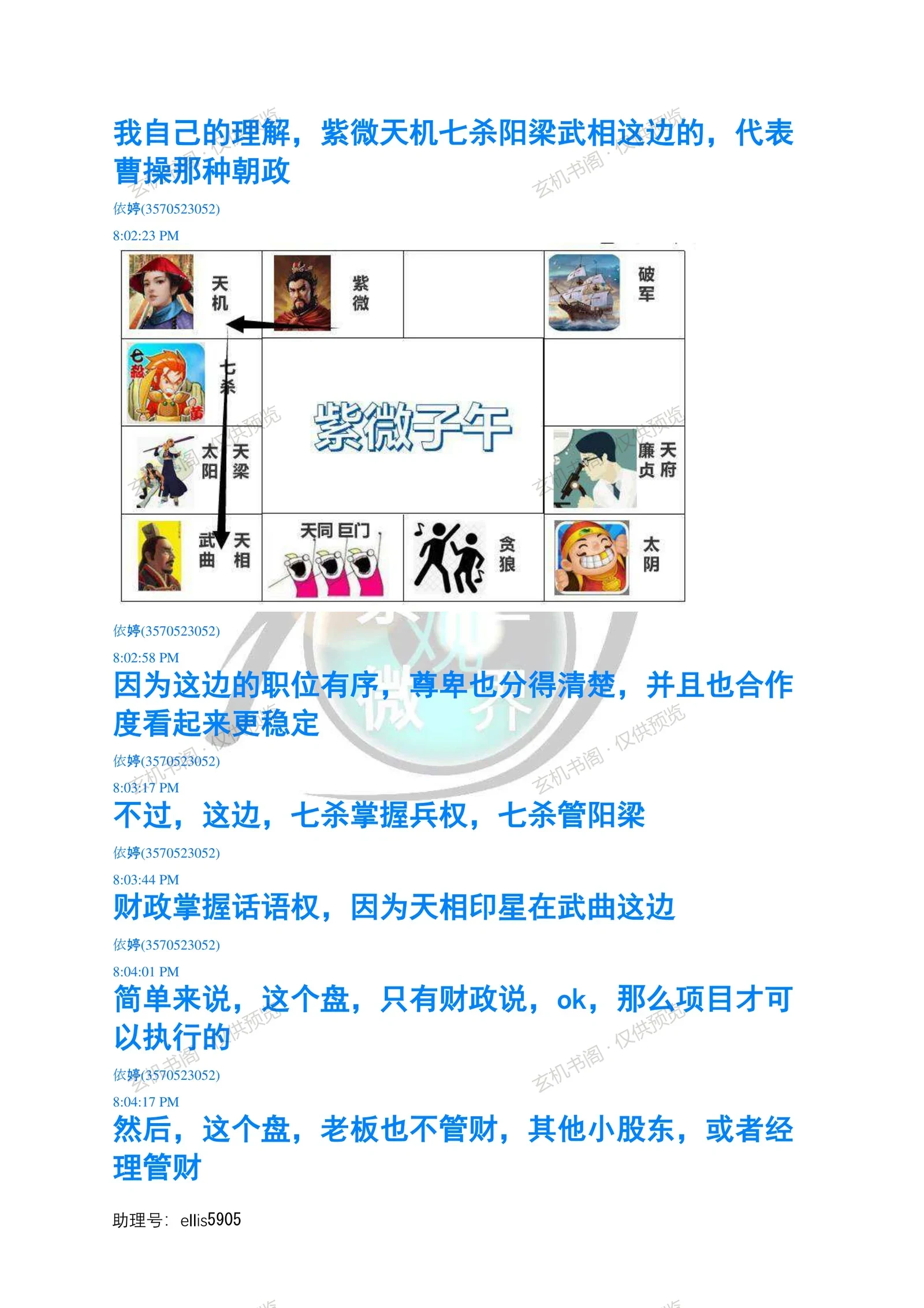
Functional division in the Ziwei chart through the lens of Three Kingdoms
Advantages and being valued in the Wuqu-Tianxiang palace
Analyzing entrepreneurial difficulties with the Prada designer example
Drawbacks of overpricing and arrogance in entrepreneurship
Key Points
Bosses with Ziwei solitary in Zi/Wu are usually self-made, approachable, and eager for talent.
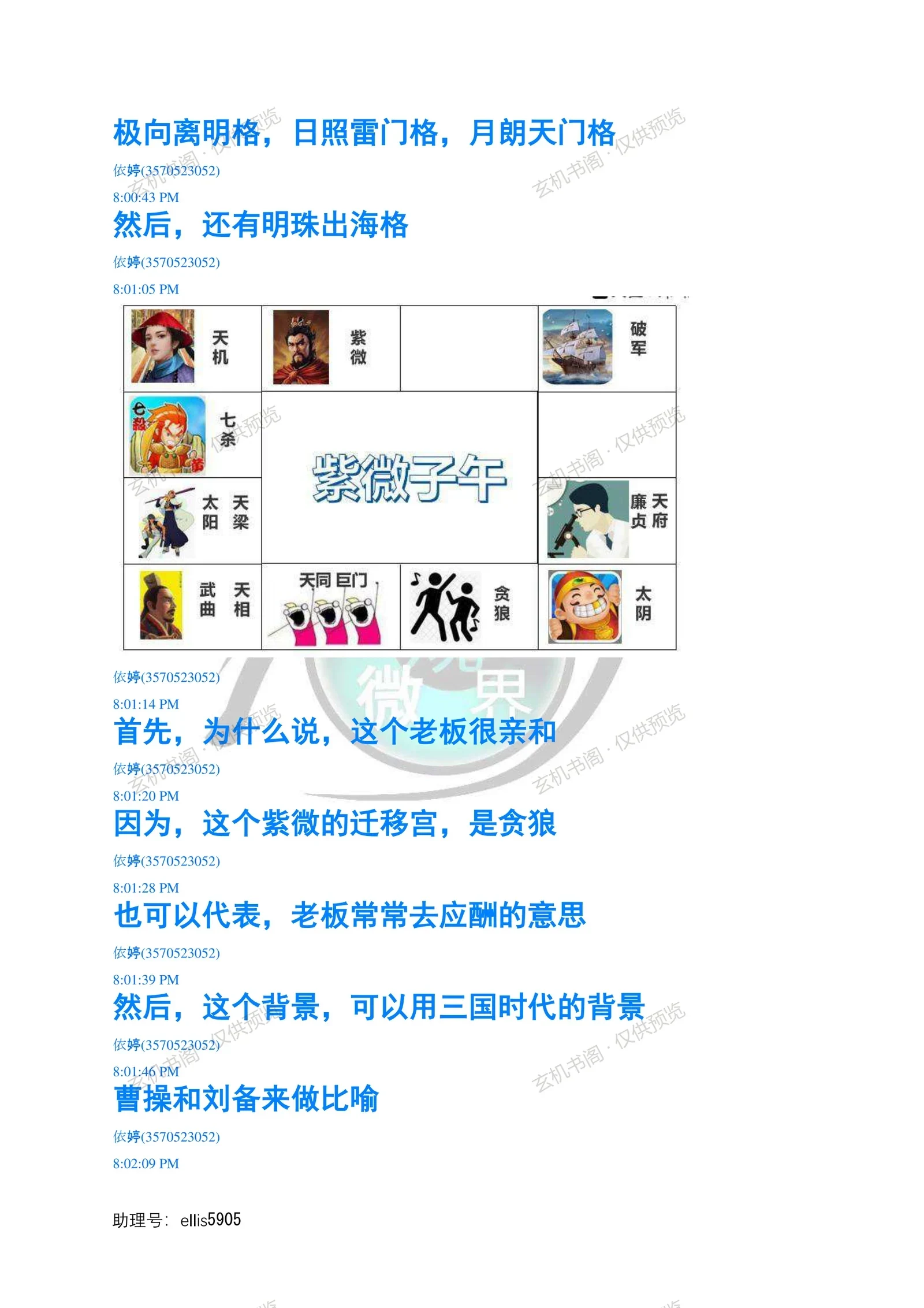
Tanlang in the migration palace indicates the boss's socializing and affinity.
In organizational division, finance holds significant say, and bosses often do not manage finances.
People with Wuqu-Tianxiang in their destiny are suited to be company favorites; entrepreneurship is less ideal than employment.
Entrepreneurs with this pattern often fail due to overpricing their products at the start.