Reading guide
Content guideOverview
This is the first volume of Da Geng's Zi Wei Strategy series, framing Zi Wei Dou Shu as a tool for life and fortune management rather than fatalistic fortune-telling. Opening with real cases of major personal setbacks, the book explains that the chart is a map and a syllabus for life. It then introduces the twelve palaces, major and annual limits, stacked palaces, and the body palace, and shows how the 'three directions and four positions' help reinterpret a chart. The central chapter focuses on the 'clash of sha and ji': combining Lu, Yang and Tuo, the four sha, and Hua Ji with the four transformations and palace combinations to locate trouble spots and find quick countermeasures, with applications to love, career, wealth, health, starting a business, buying property, and finding benefactors. Later chapters cover monthly and daily flow calculations, the four transformations of the northern school, and a closing summary of flying-star techniques. It suits readers who already know basic chart construction and want to apply Zi Wei Dou Shu to real decisions.
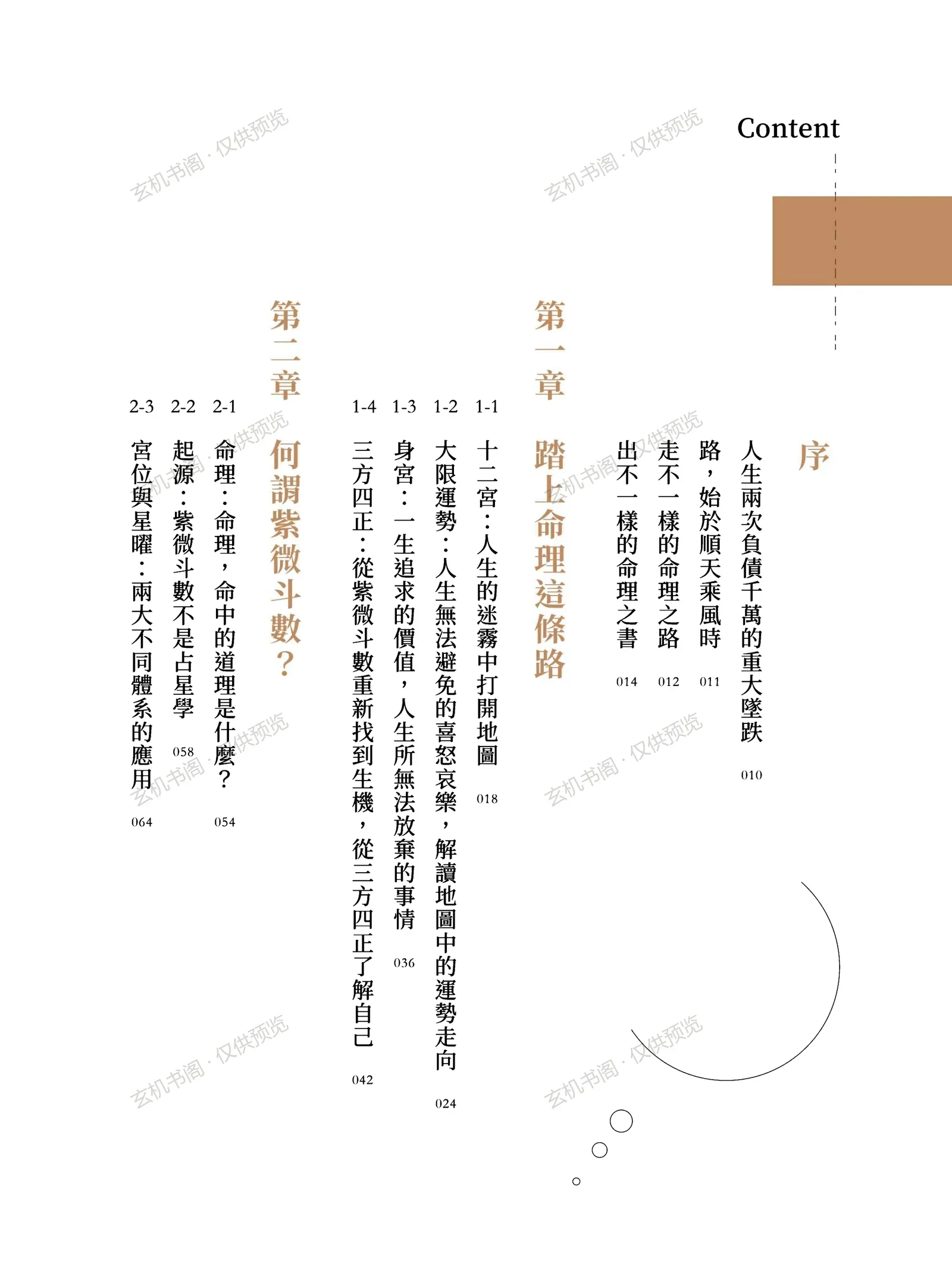
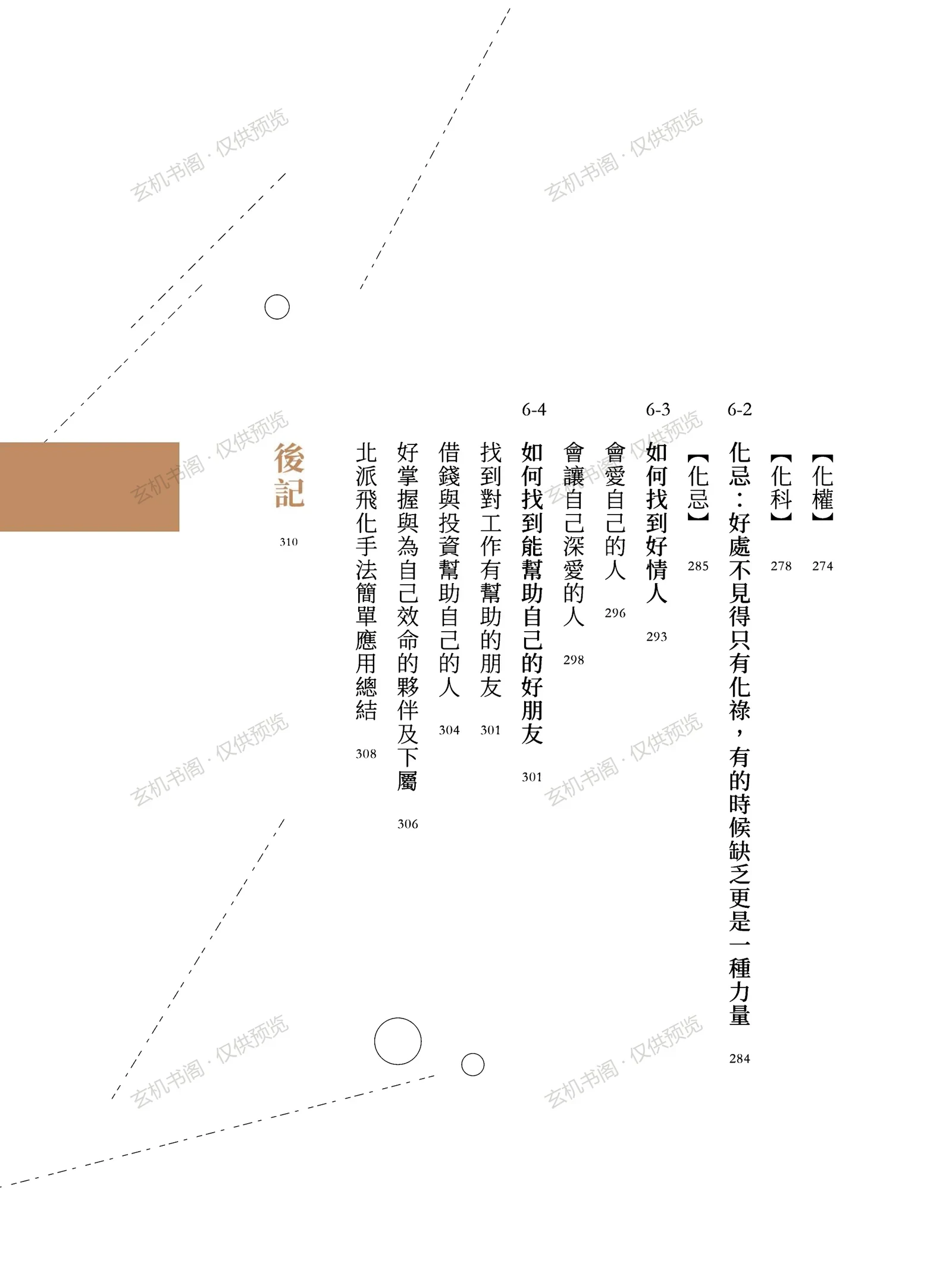
Contents
Preface: two major falls and the meaning of fate
Ch.1 Entering fate calculation: twelve palaces, limits, body palace, three directions
Ch.2 What Zi Wei Dou Shu is and is not
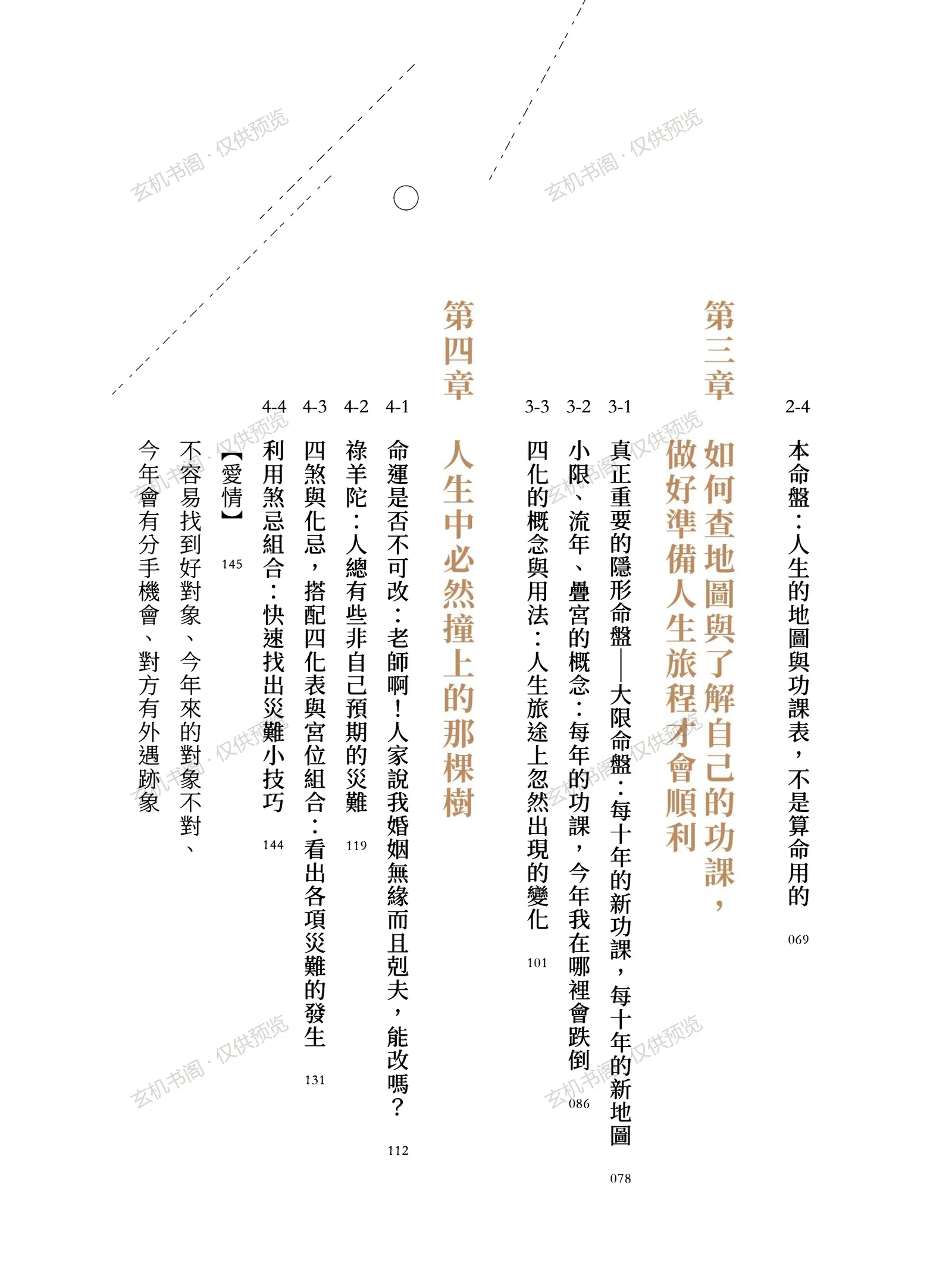
Ch.3 Building the map: natal chart, major limits, annual and stacked palaces
Ch.4 The tree you will inevitably hit: Lu-Yang-Tuo, four sha, four transformations
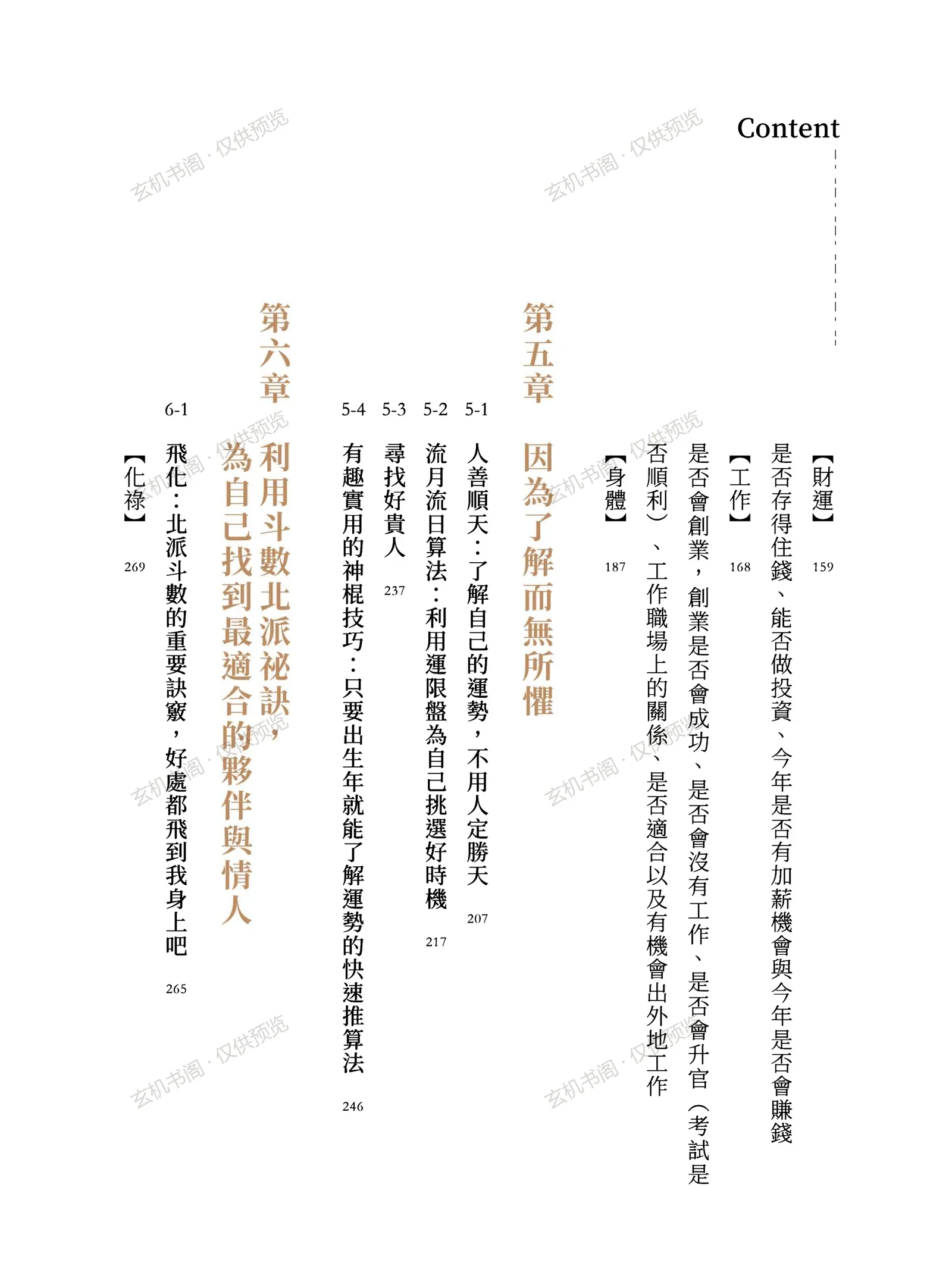
Ch.5 Fearless through understanding: monthly, daily and quick methods
Ch.6 Northern school secrets for finding partners: the four transformations
Postscript: summary of flying-star applications
Key Points
Treats Zi Wei Dou Shu as fortune management and a life map, not mere fortune-telling.
Uses the twelve palaces, major limits, annual limits and stacked palaces as the analytical frame.
Core technique is the 'clash of sha and ji' using Lu, Yang, Tuo, four sha and Hua Ji.
The four transformations run through love, career, wealth and health readings.
Offers quick monthly, daily and birth-year calculation methods for practical risk avoidance.