Reading guide
Content guideOverview
This six-page handout is the Lesson 06 record of Yiting's 2018 Zi Wei Dou Shu systematic course, presented as a chat transcript. The opening pages review students' two-week progress: the three-layer chart structure of natal, decade and annual charts; the three elements of fate (heaven, earth, human); and the twelve palaces multiplied by three to form thirty-six palaces. The lesson then turns to the textual origins of Zi Wei Dou Shu, noting that the art derives from two books, the Zi Wei Dou Shu Quan Shu (Complete Book) and the Zi Wei Dou Shu Quan Ji (Complete Collection), with the former being the system in general circulation. The Complete Book runs to four volumes and opens in a question-and-answer style reminiscent of the Huangdi Neijing, traditionally framed as a dialogue between Lü Dongbin and Chen Xiyi, with Chen as the recorder, which gave rise to the claim of a divinely transmitted fate method. The lecture also presents the alternative view that Zi Wei Dou Shu stems from Guolao Xingzong, also called Qi Zheng Si Yu, since the two share very similar layouts, and contrasts the circular Qi Zheng Si Yu chart with the square twelve-palace Zi Wei chart, noting that Qi Zheng Si Yu requires birth time to the minute. The material suits readers who already know basic Zi Wei Dou Shu and want to understand its documentary sources and its relation to the astrology tradition.
Contents
Review: natal, decade and annual charts
Three elements of fate: heaven, earth, human
Twelve palaces times three equals thirty-six
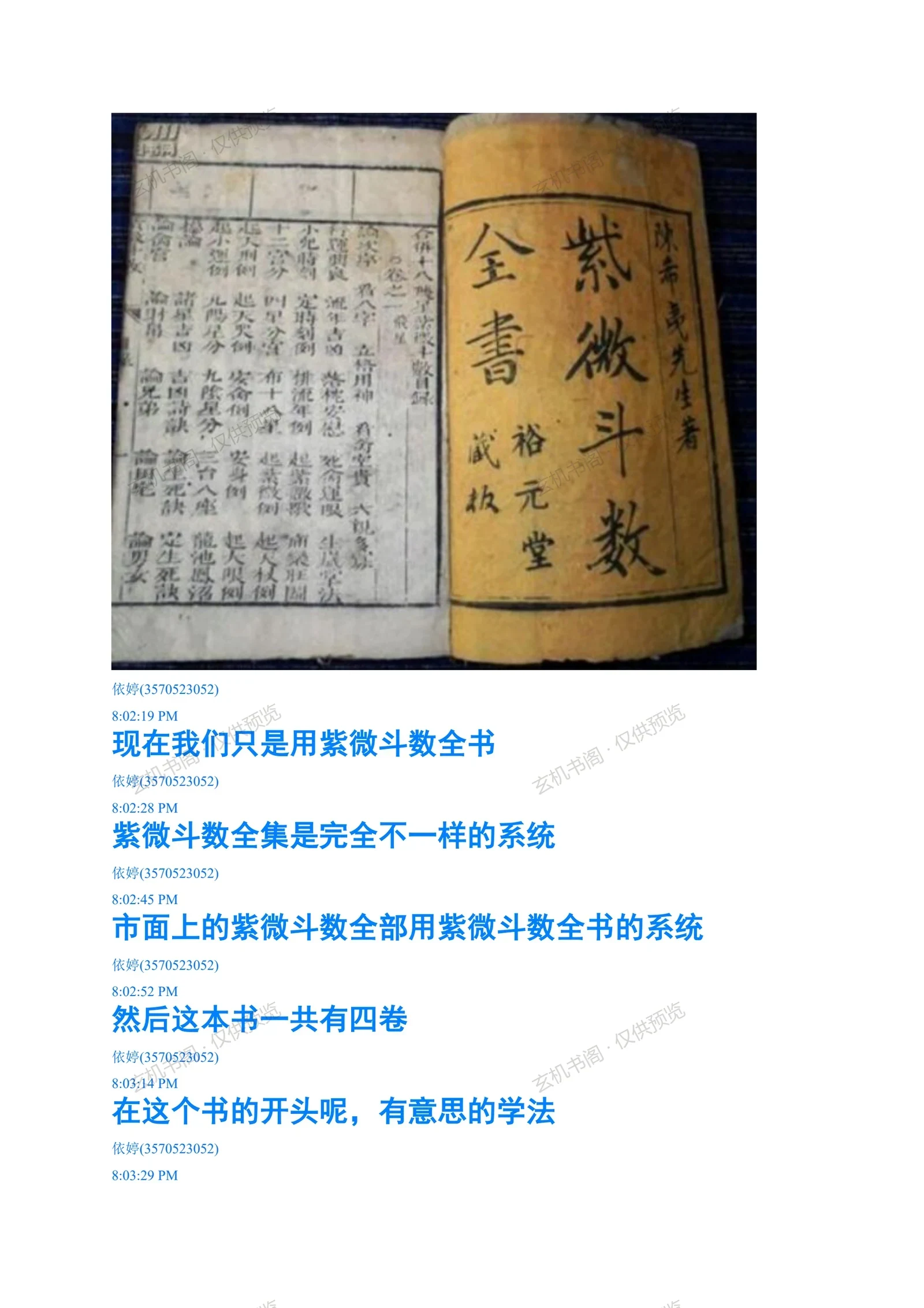
Origins: Complete Book vs. Complete Collection
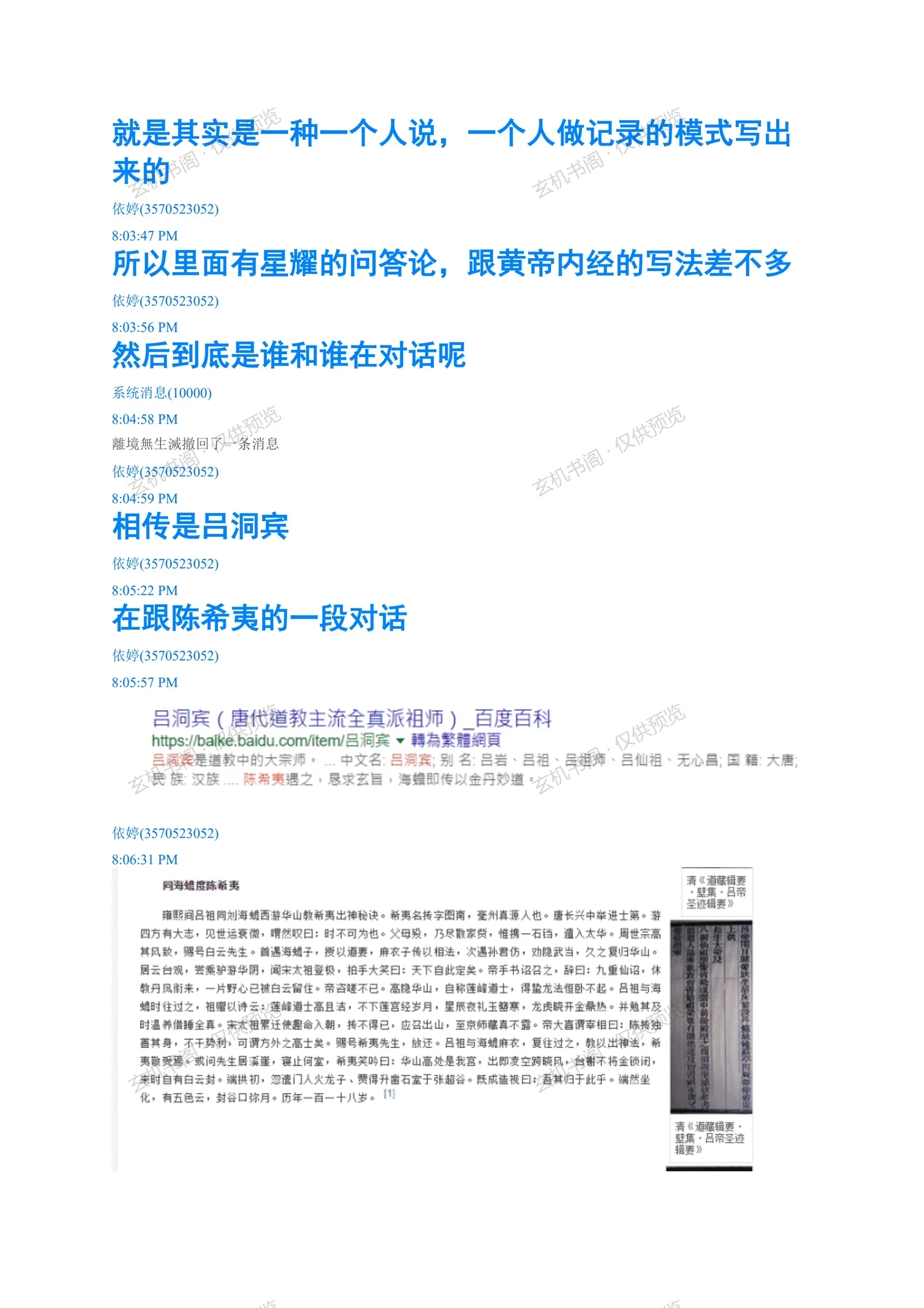
Dialogue transmission: Lü Dongbin and Chen Xiyi
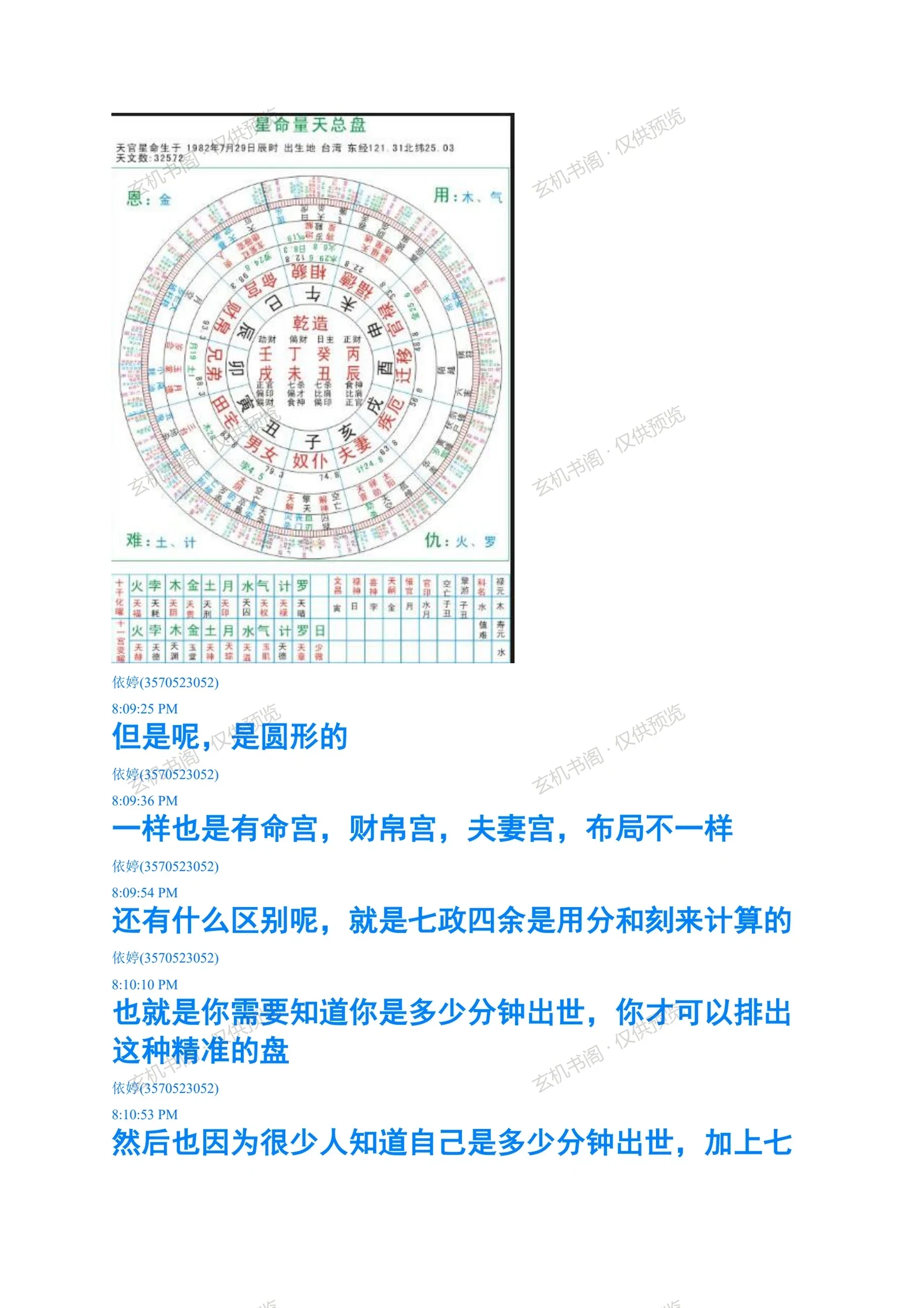
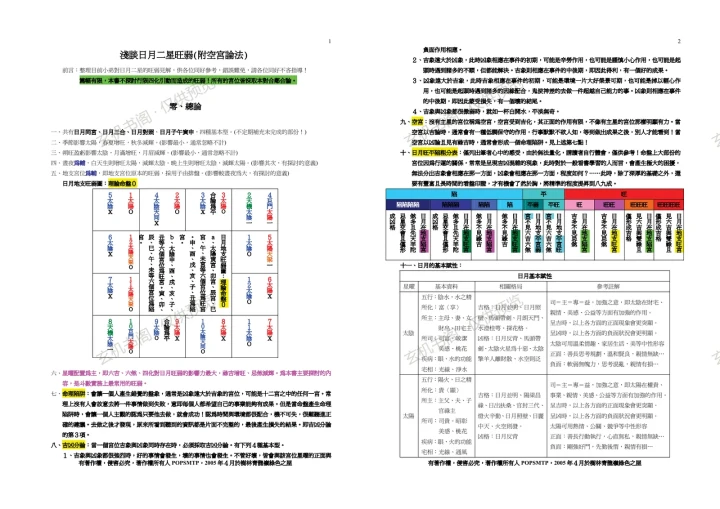
Alternative origin: Guolao Xingzong and Qi Zheng Si Yu
Circular vs. square chart layout differences
Key Points
Zi Wei Dou Shu has two textual systems: the Complete Book and the Complete Collection, with the former dominant in the market
The Complete Book has four volumes and opens with a question-and-answer format akin to the Huangdi Neijing
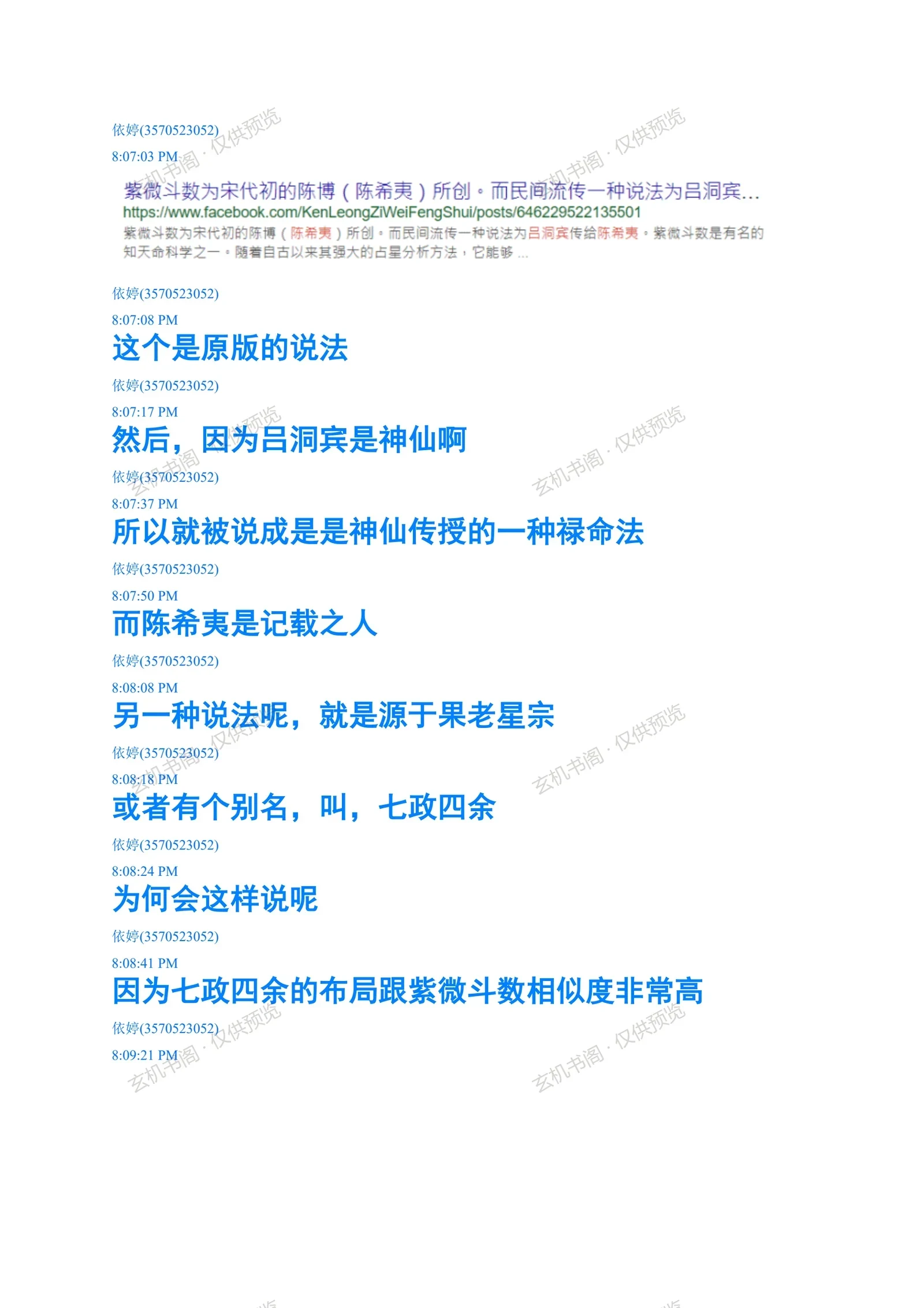
Tradition holds that Lü Dongbin transmitted the method to Chen Xiyi, who recorded it
Another view traces it to Guolao Xingzong or Qi Zheng Si Yu, whose layout is very similar
Qi Zheng Si Yu uses a circular chart and requires birth time to the minute, while Zi Wei uses a square twelve-palace chart