Reading guide
Content guideOverview
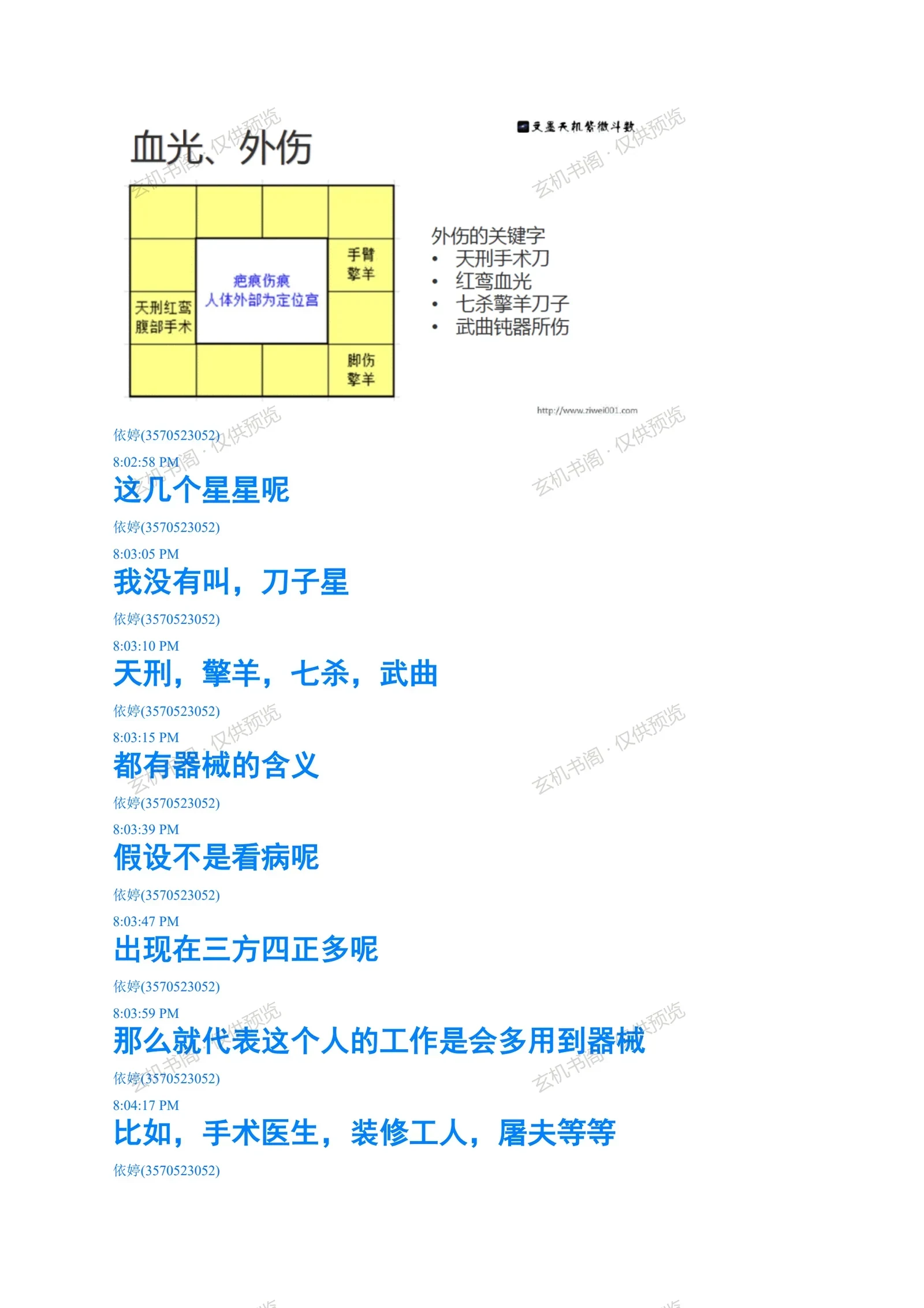
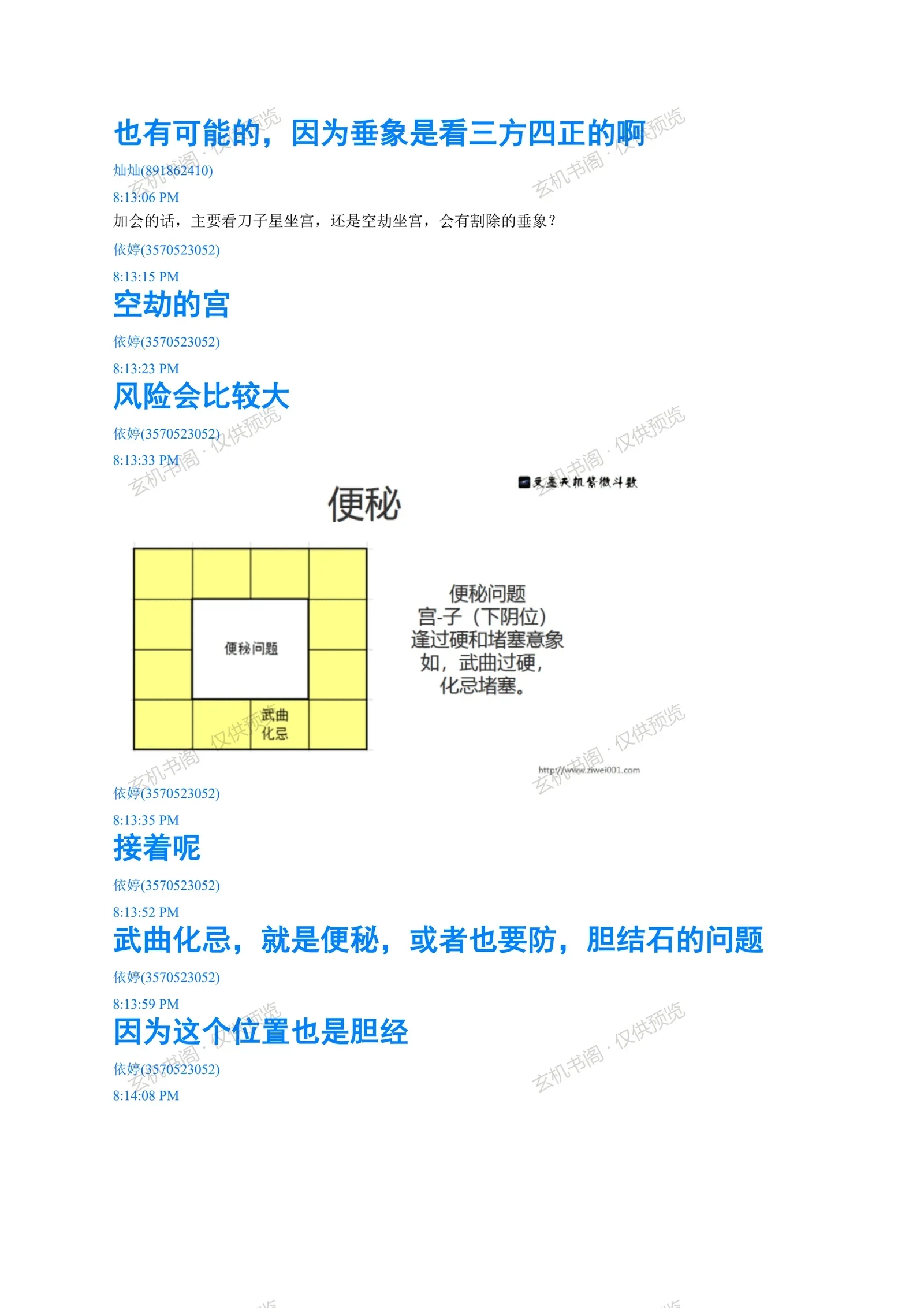
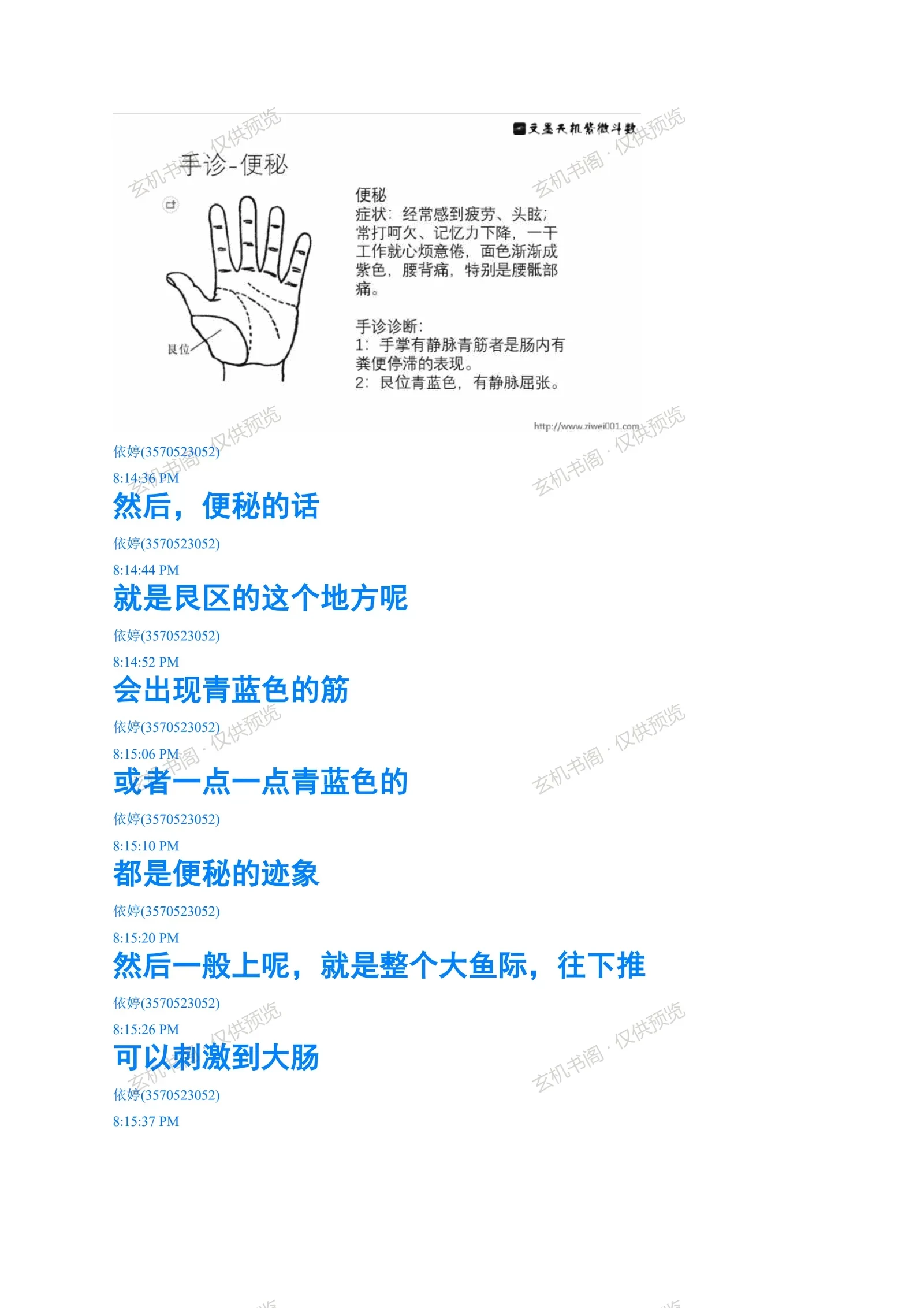
This is a record of Session 31 from Yi Ting's 2018 Zi Wei Dou Shu systematic course, compiled from live chat logs and PPT screenshots. The first part discusses bloodshed and trauma, explaining how 'blade stars' such as Tian Xing, Qing Yang, Qi Sha, and Wu Qu indicate surgery, injury locations, and professions involving instruments, especially when combined with Di Kong and Di Jie. The middle section focuses on constipation, interpreting Wu Qu with Hua Ji in the Zi palace as a blockage sign, alongside hand diagnosis showing blue veins at the Gen area. The final part covers neck diseases, linking the Wei palace to the neck and throat, where Qing Yang with Hua Ji suggests cervical problems or thyroid issues, with Ju Men pointing to respiratory passages and Tan Lang or Tian Tong to endocrine disorders. The text is conversational and suited to readers with basic Zi Wei Dou Shu knowledge who want to study health prediction methods.
Contents
Trauma and bleeding: blade stars and injury sites
Di Kong and Di Jie: signs of surgical removal
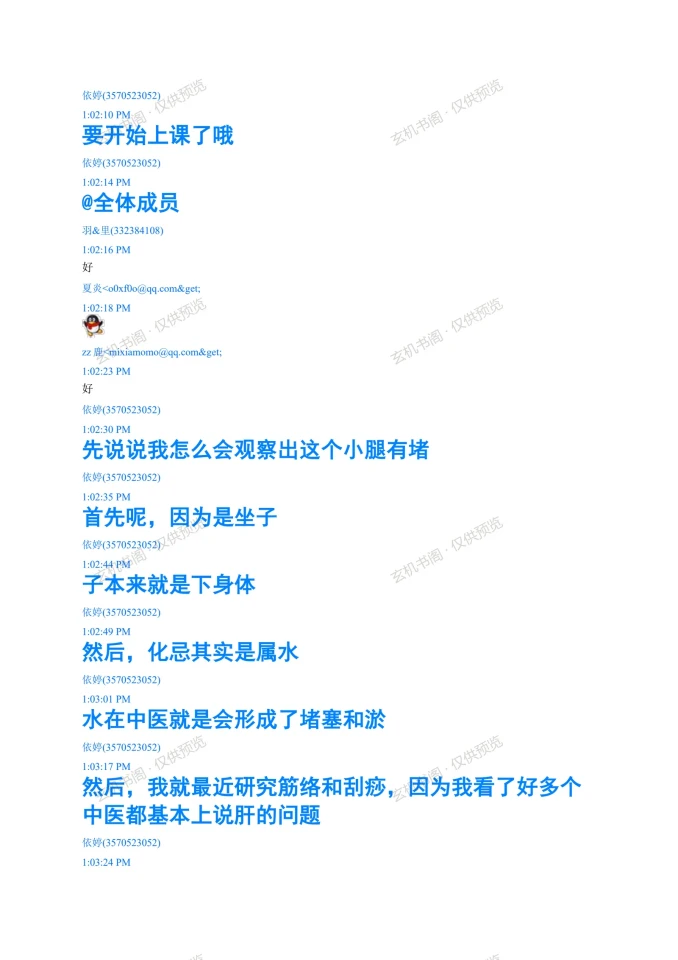
Constipation: Wu Qu Hua Ji and gallbladder meridian
Hand diagnosis: blue veins at Gen and colon stimulation
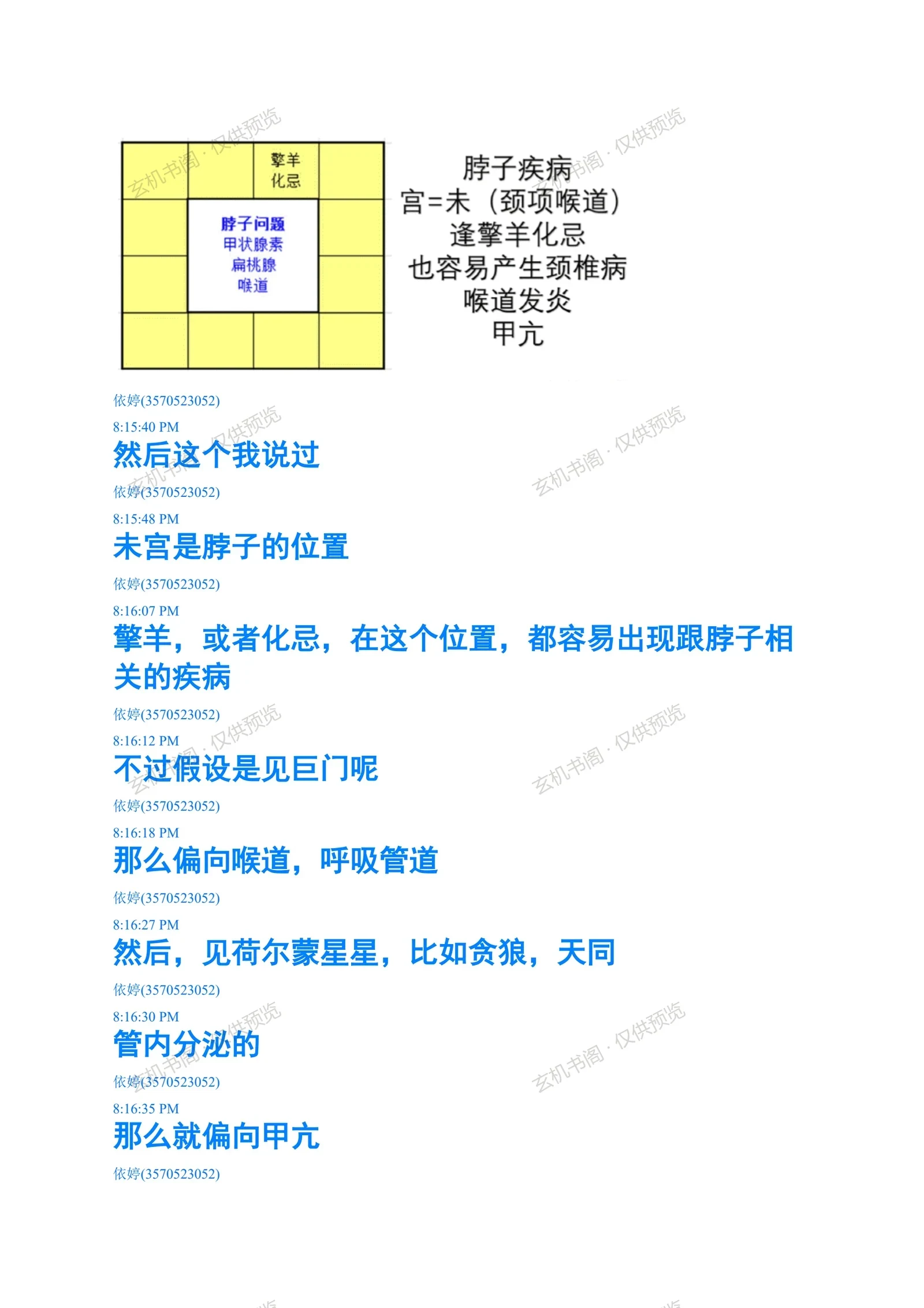
Neck disease: Wei palace, Qing Yang, and Hua Ji
Star differentiation: Ju Men for respiratory, Tan Lang and Tian Tong for endocrine
Key Points
Tian Xing, Qing Yang, Qi Sha, and Wu Qu are blade stars linked to instruments and trauma
Blade stars with Di Kong and Di Jie suggest surgical removal
Wu Qu Hua Ji in the Zi palace indicates constipation or gallstones
Blue veins at the Gen area in hand diagnosis support constipation signs
The Wei palace governs the neck and throat; Qing Yang Hua Ji suggests cervical or thyroid issues