Reading guide
Content guideOverview
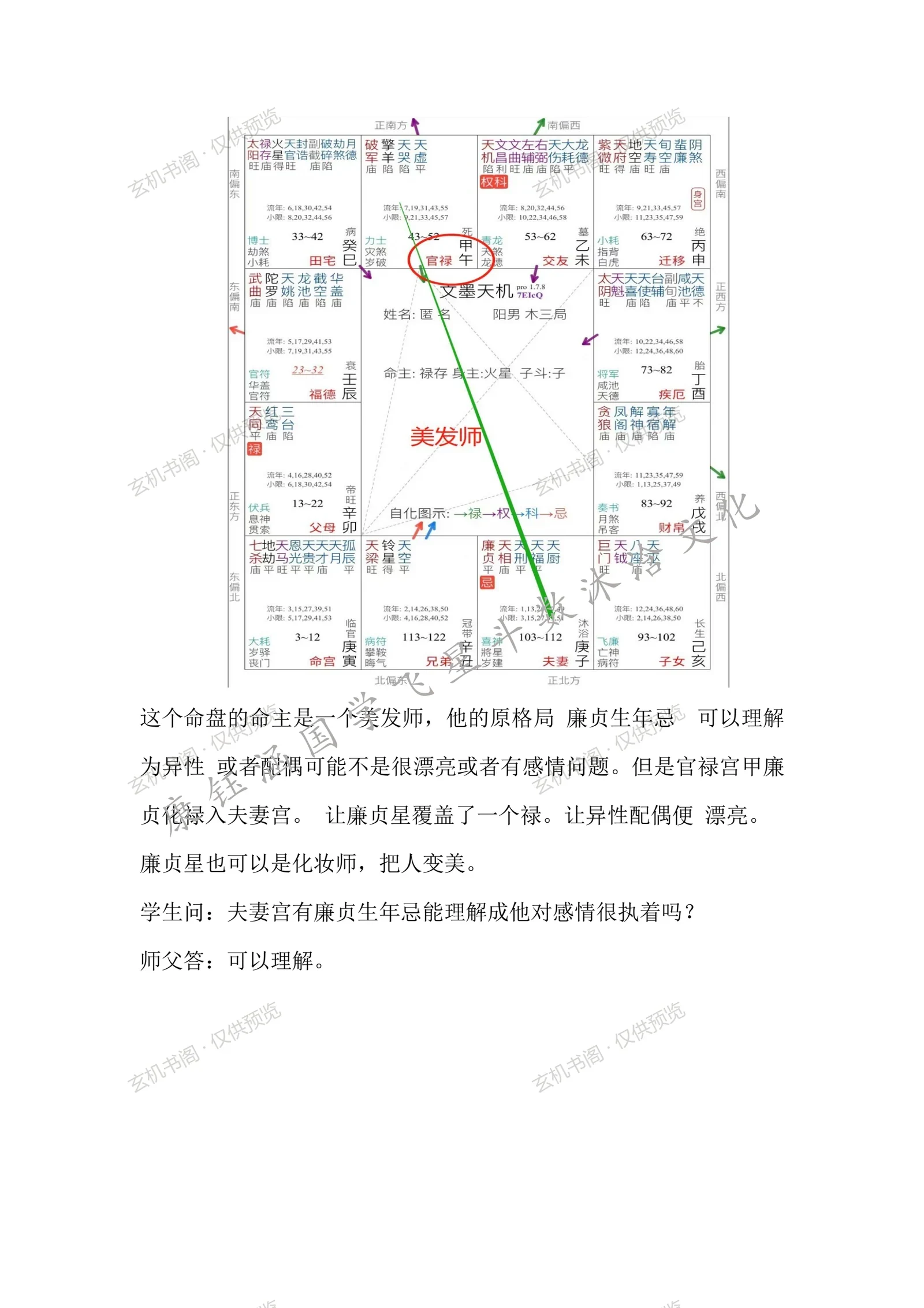
This handout is Lesson 16 of an introductory Zi Wei Dou Shu course and focuses on the Lianzhen star. It first identifies Lianzhen with romance, beauty, and jewelry, then presents the ten heavenly stems' four transformations, highlighting Lianzhen turning into Lu under stem Jia and into Ji under stem Bing. Using jewelry as an analogy, the text distinguishes Lu (new, large, fine, smooth) from Ji (old, small, worn), so Lianzhen-Lu suggests modern jewelry while Lianzhen-Ji suggests old-fashioned or even fake pieces. Two chart examples follow: a jewelry designer whose Career Palace holds a birth-year Lianzhen-Ji while the Siblings Palace stem Jia sends Lianzhen-Lu into Career, read as renovating old jewelry; and a hairstylist whose Career Palace stem Jia sends Lianzhen-Lu into the Spouse Palace, covering Lianzhen-Ji and making the profession about beautifying others. The lesson also discusses Lianzhen as a star of talent in design, photography, music, and dance, and includes Q&A clarifying that Tianji governs intelligence rather than beauty, and that Lianzhen-Ji in the Spouse Palace can indicate emotional attachment.
Contents
Basic symbolism of Lianzhen: romance, beauty, jewelry
Ten-stem four transformations table with Lianzhen Lu and Ji
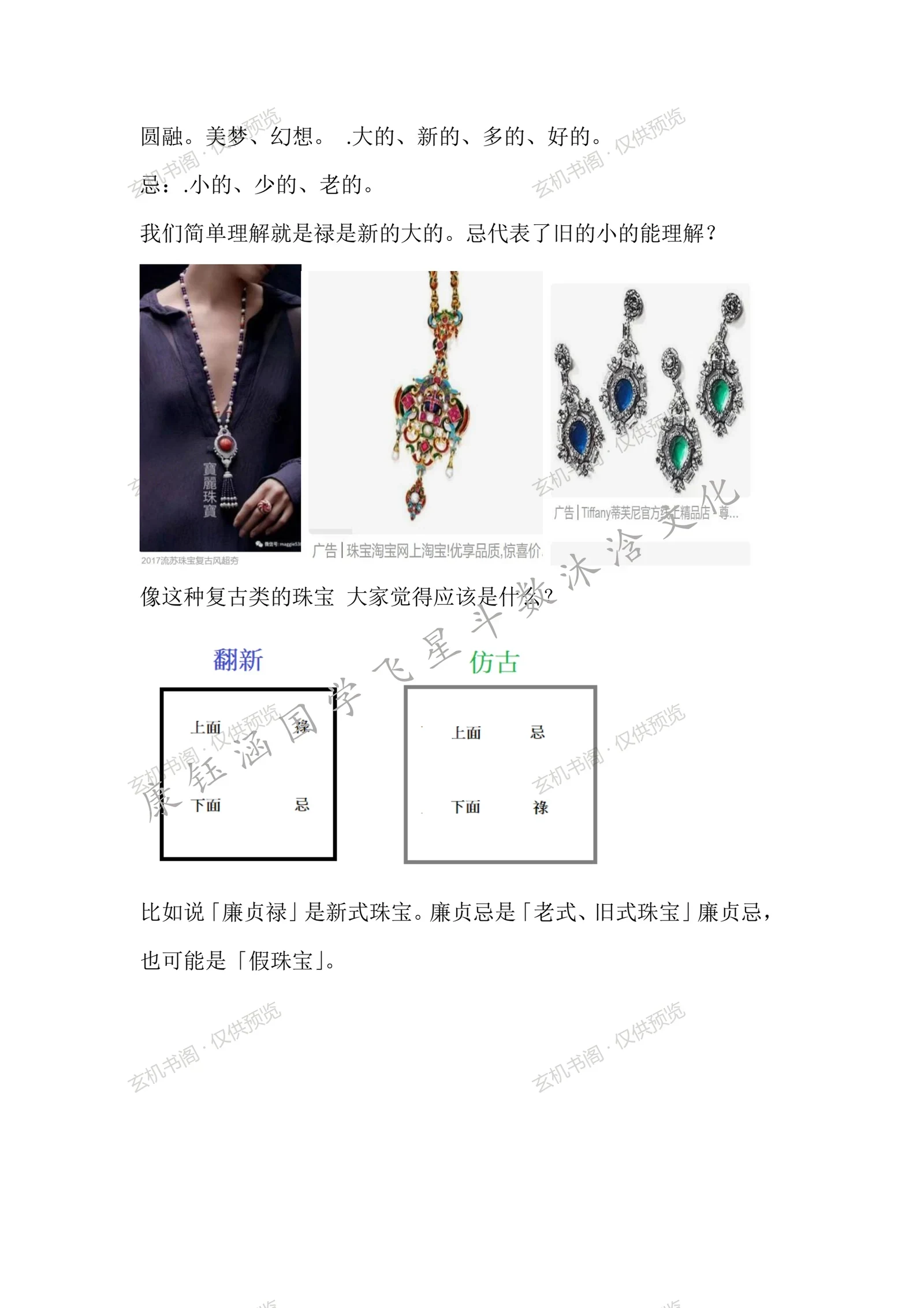
Lu versus Ji: new and fine against old and small
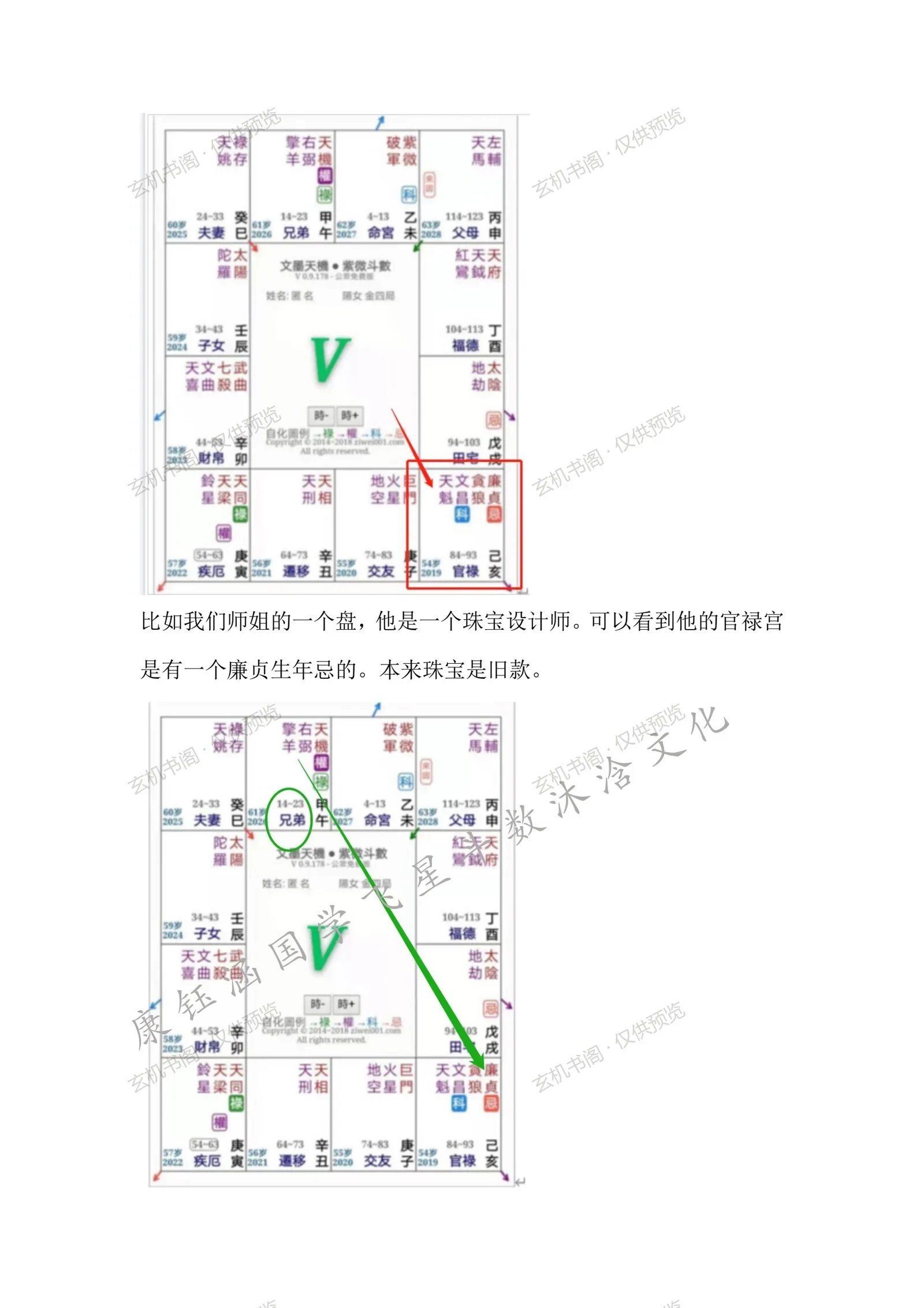
Jewelry renovation chart example: Ji covered by Lu
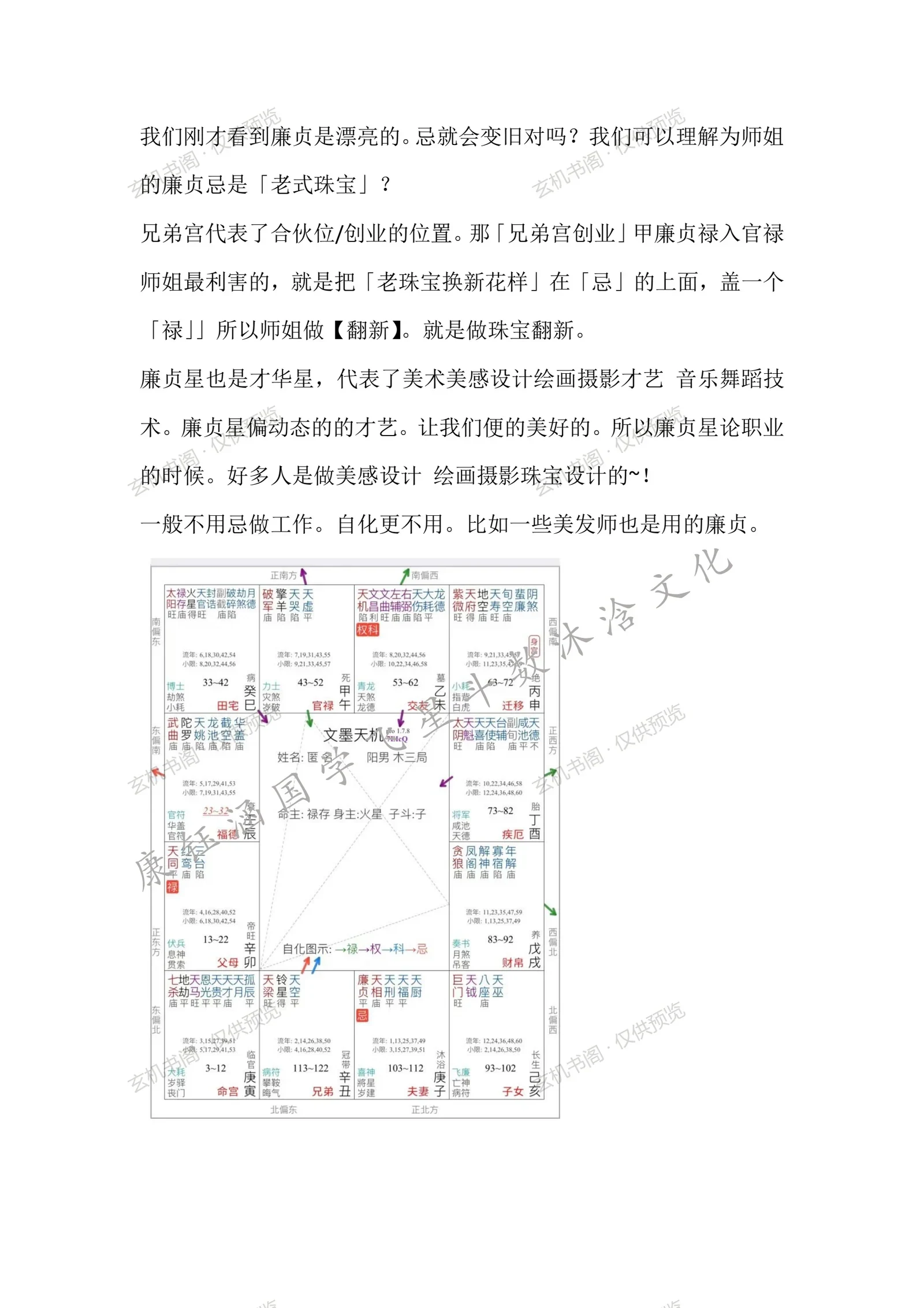
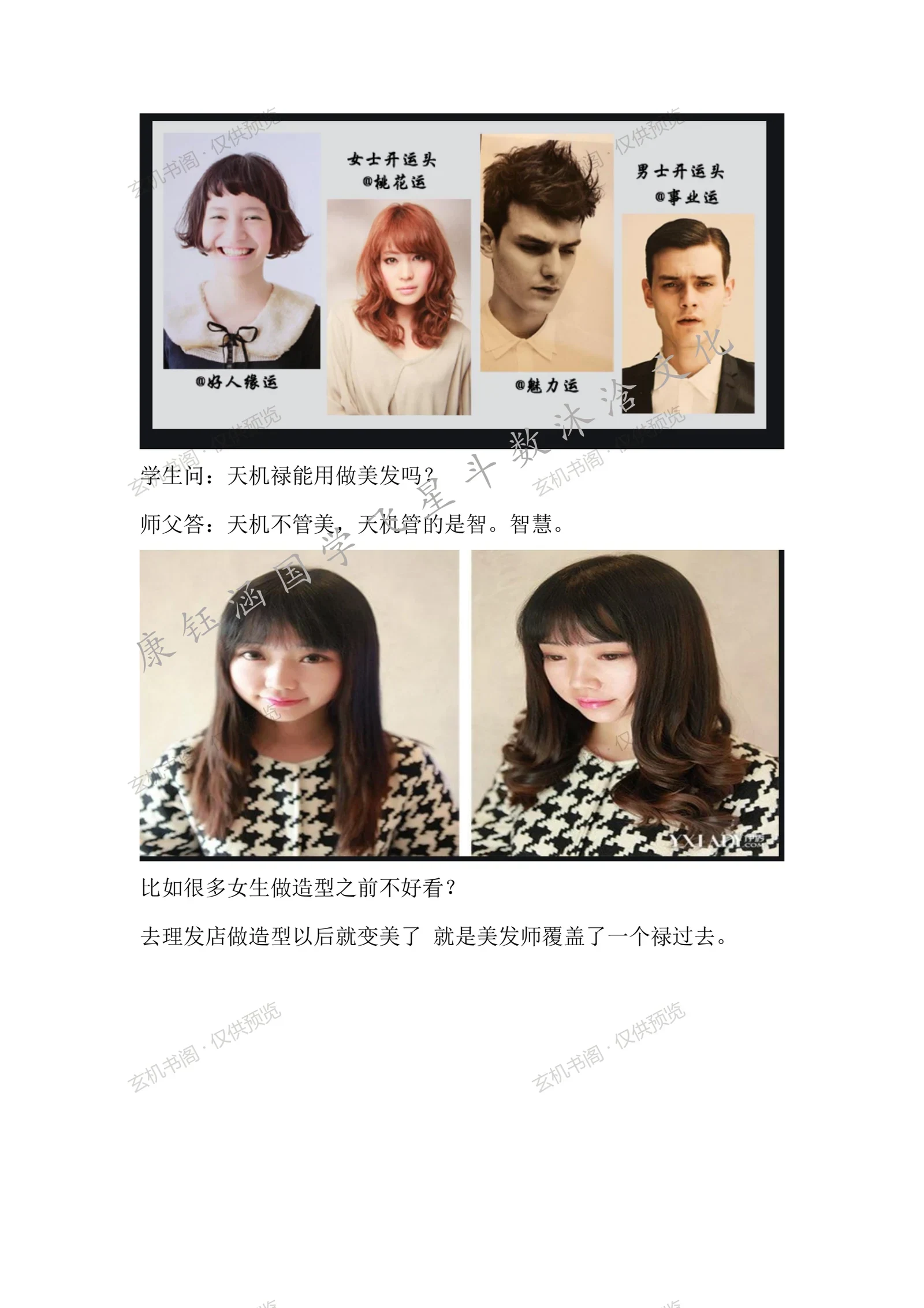
Hairstylist chart example: Lianzhen-Lu into Spouse Palace
Lianzhen as a talent star and aesthetic professions
Q&A: the division of labor between Tianji and Lianzhen
Key Points
Lianzhen signifies romance, beauty, jewelry, and fine things.
Lianzhen turns into Lu under stem Jia and into Ji under stem Bing.
Lu means new, large, beautiful, smooth; Ji means old, small, worn.
Lianzhen is a talent star tied to design, hairstyling, photography, and dynamic arts.
Chart examples show how palace-stem transformations shift the reading of a star.