Reading guide
Content guideOverview
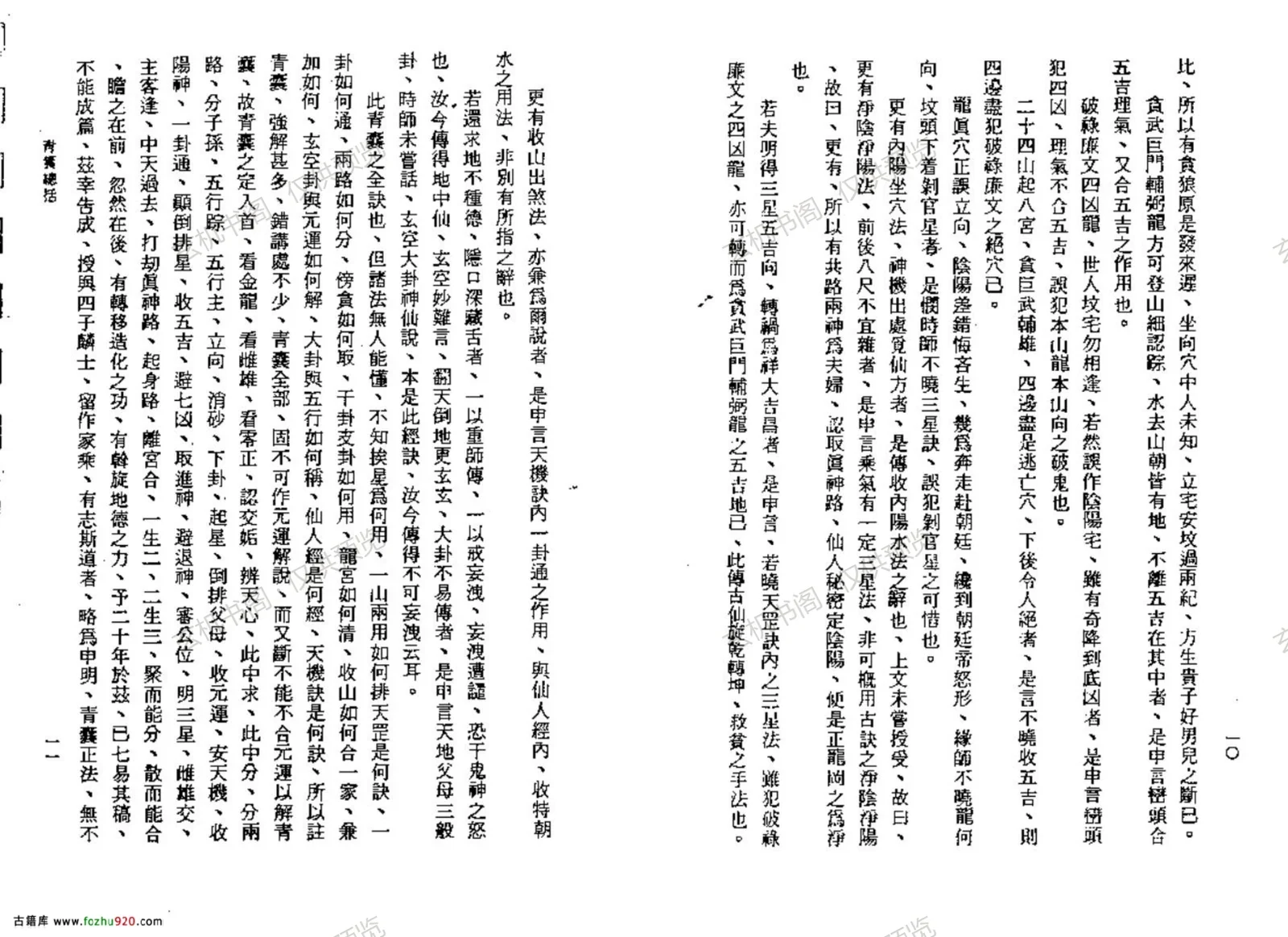
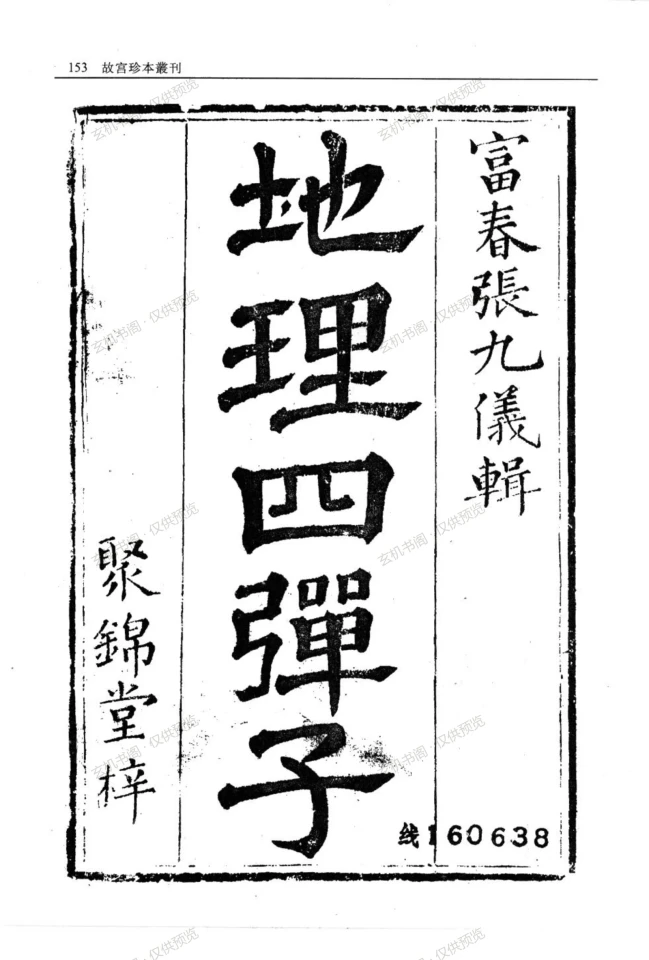
Titled Dili Bianzheng Qiu Zhen (Seeking the True Meaning of Dili Bianzheng) and attributed on the cover to Cai Minshan, this geomantic work presents itself as a ‘secret Cai family text for clarifying true formulas.’ The opening ‘Nine General Rules’ state its purpose: to uphold Jiang Dahong’s Dili Bianzheng, distinguish Yang Gong’s authentic teachings from later pseudo-traditions, and combine classical texts such as the Qingnang and Tianyu jing with Cai family oral formulas. The table of contents shows sections on the ‘Qingnang Summary,’ ‘Qingnang Aoyu,’ ‘Zeng Preface,’ ‘Ancient Songs,’ Cai Minshan’s supplements, ‘Heart Method of Aixing,’ ‘Daozhang Burial Method,’ ‘Inner Transmission,’ ‘Tianyu jing,’ ‘Dutian Baozhao jing,’ and middle and lower chapters, each with detailed commentary and appended questions and answers. The main text centers on aixing charting, discussing dragon coming, ru shou, site selection, fenjin, sand and water manipulation, orientation, and date selection, while also covering the 24 mountains, 72 configurations, yin-yang forward and reverse cycles, and auspicious and inauspicious stars. Its format presents classical passages first, then annotations, and further explains doubts in question-and-answer form. The book offers a systematic exegesis and practical model for students of Sanhe and Yang Gong fengshui, but its dense terminology and cryptic formulas require some prior geomantic knowledge.
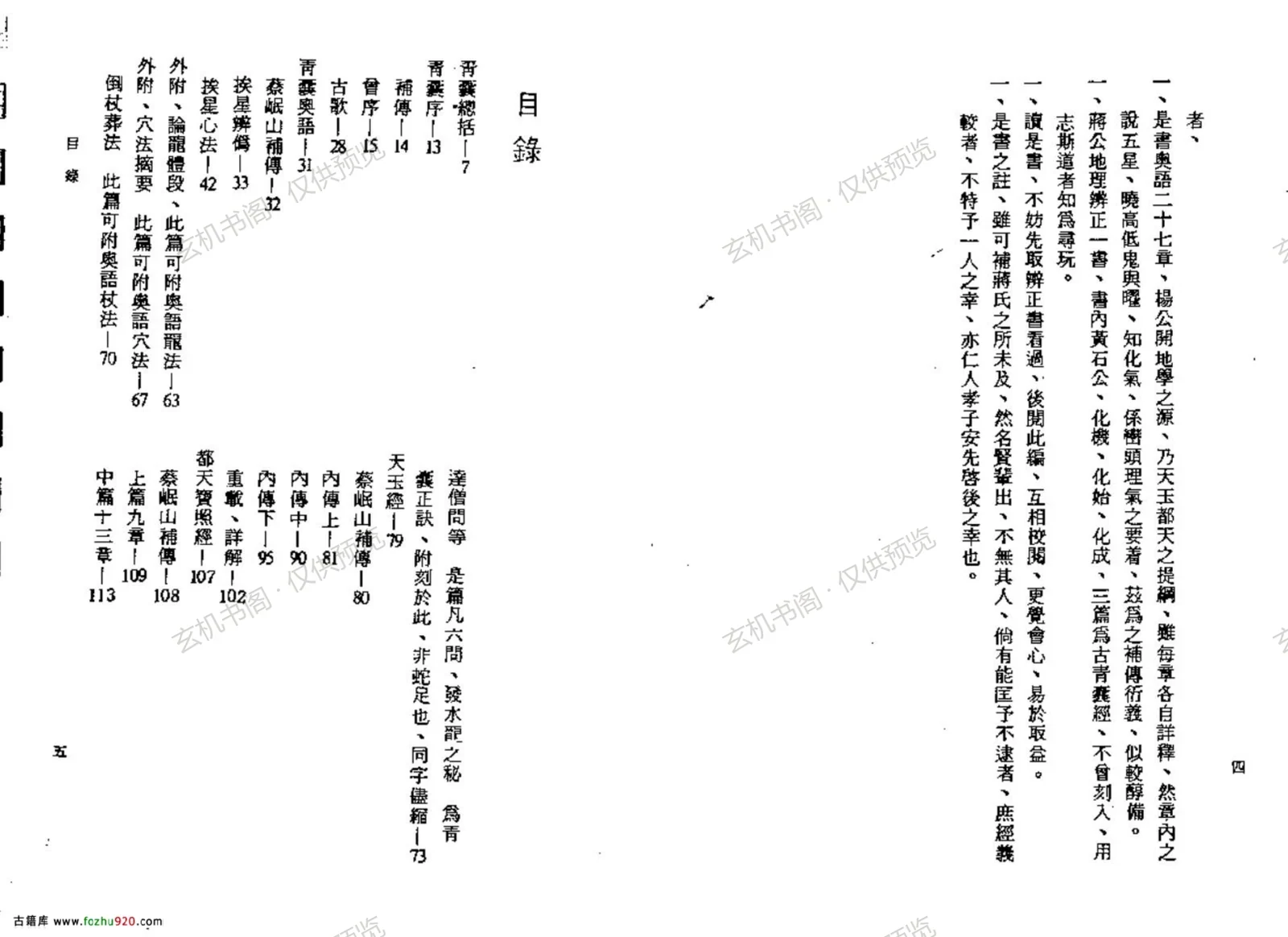
Contents
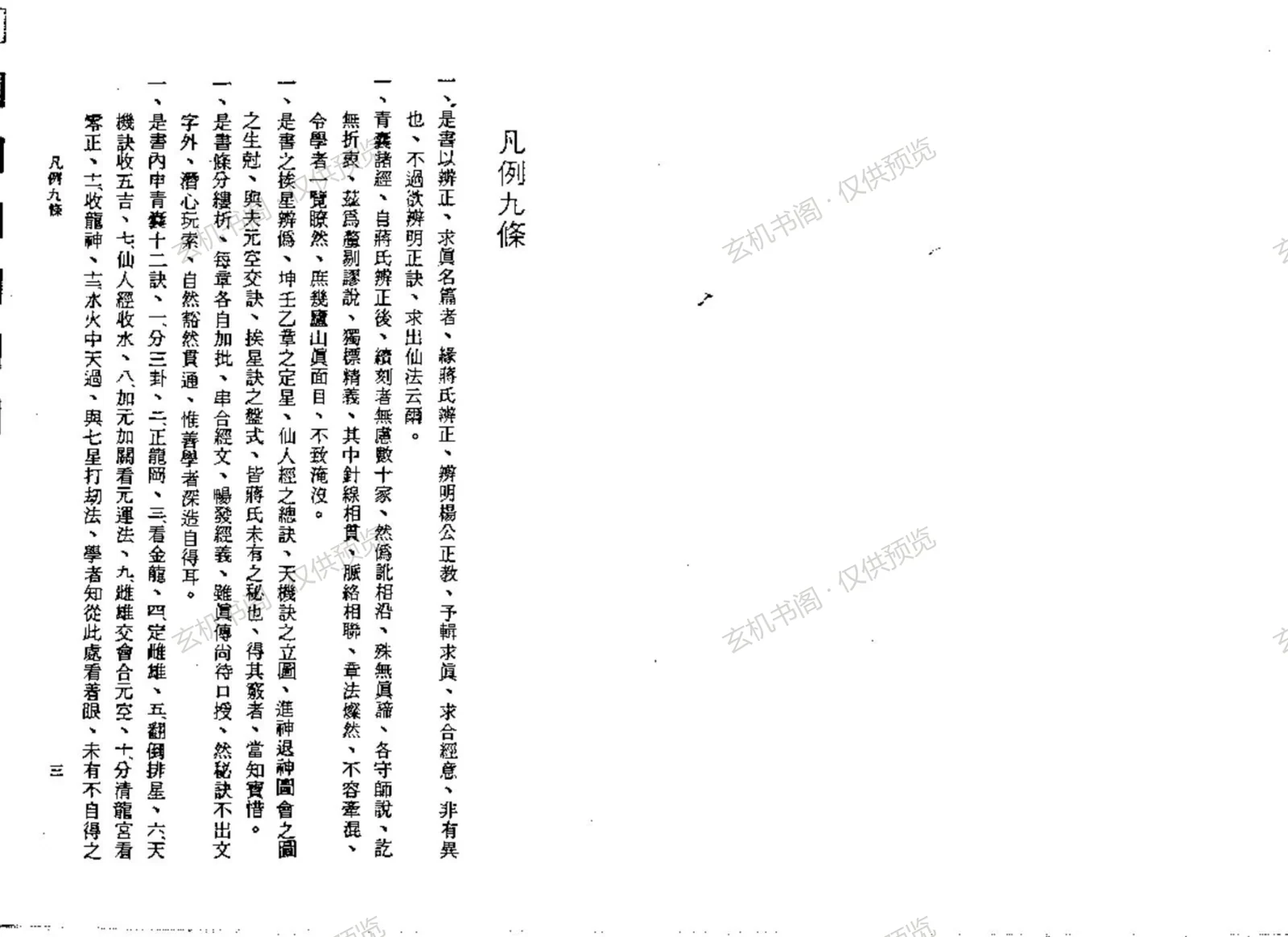
Nine General Rules: authentic Yang Gong methods vs. forgeries
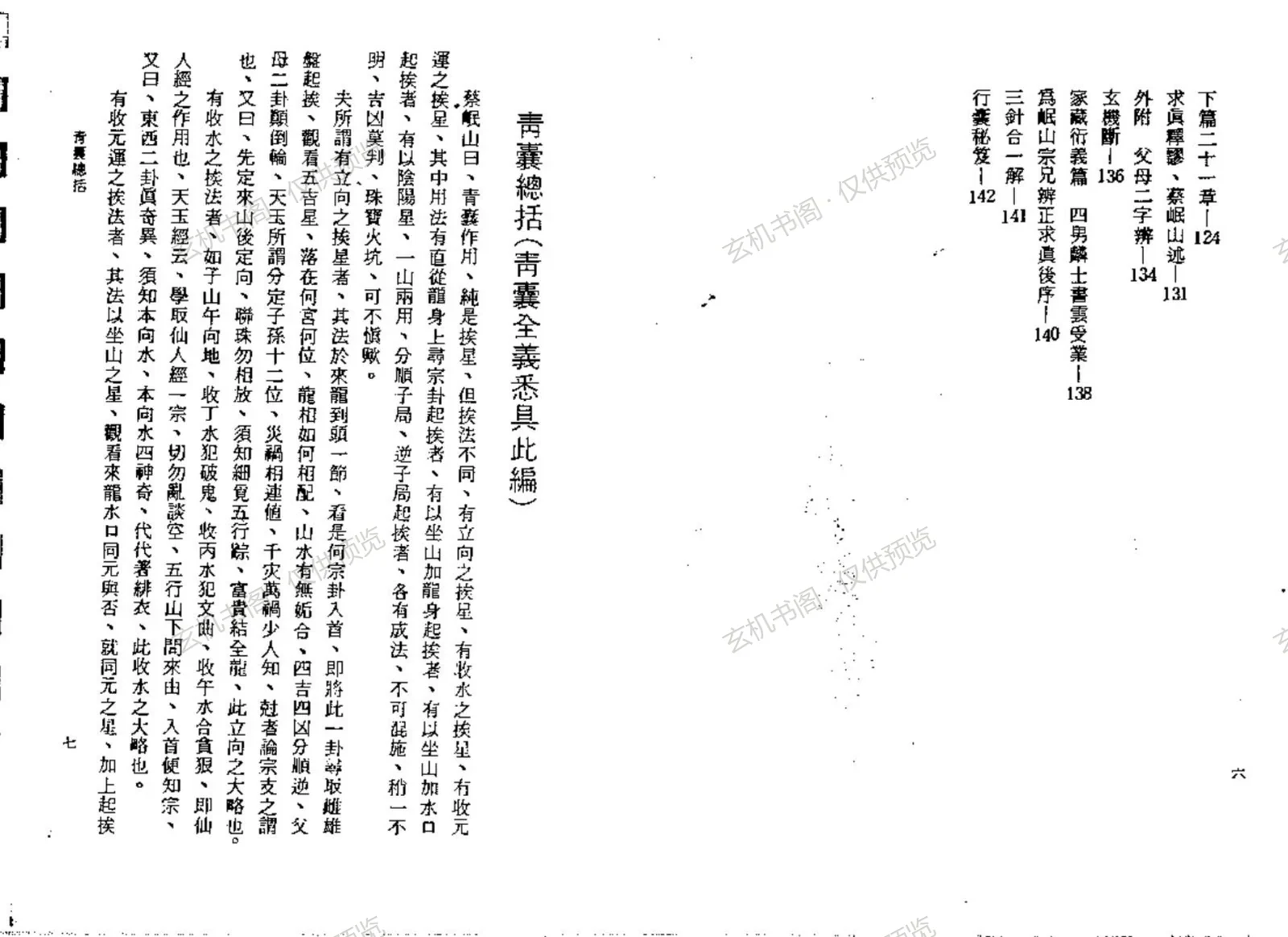
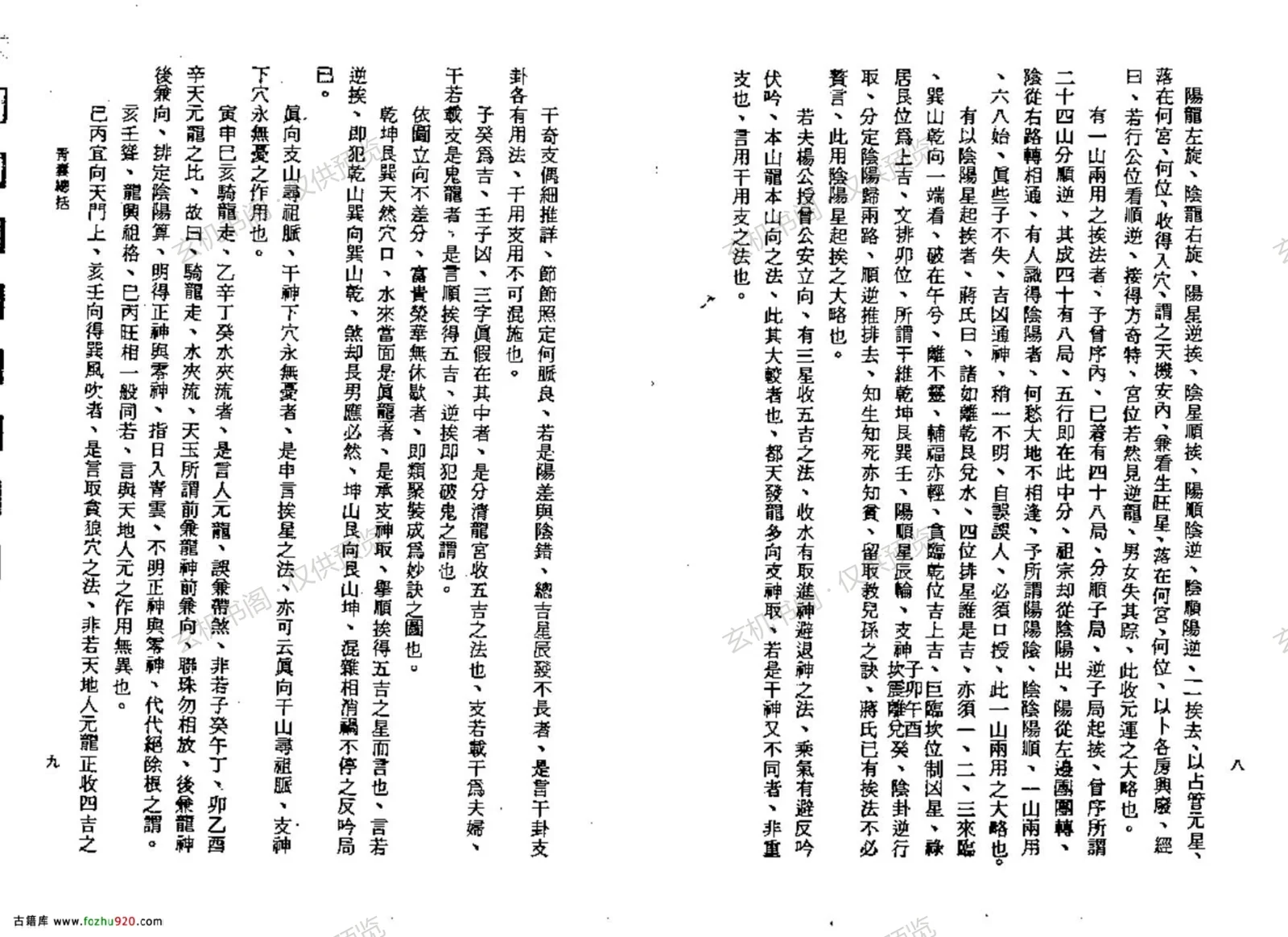
Qingnang Summary: commentary on the Qingnang jing
Qingnang Aoyu: original text and annotations
Zeng Preface and Ancient Songs: Zeng Wenchuan’s preface and old formulas
Heart Method of Aixing: aixing charts and layout
Daozhang Burial Method: essentials of site positioning
Inner Transmission and Tianyu jing: annotations
Dutian Baozhao jing: middle and lower chapters
Key Points
Follows Jiang Dahong’s Dili Bianzheng and stresses distinguishing authentic from forged teachings.
Emphasizes coordination of aixing layout with dragon coming, ru shou, and orientation.
Combines classical texts such as Qingnang, Tianyu, and Baozhao with Cai family oral formulas.
Details compass use across 24 mountains, yin-yang cycles, and sand-water manipulation.
Uses question-and-answer passages to clarify difficult classical passages.