Reading guide
Content guideOverview
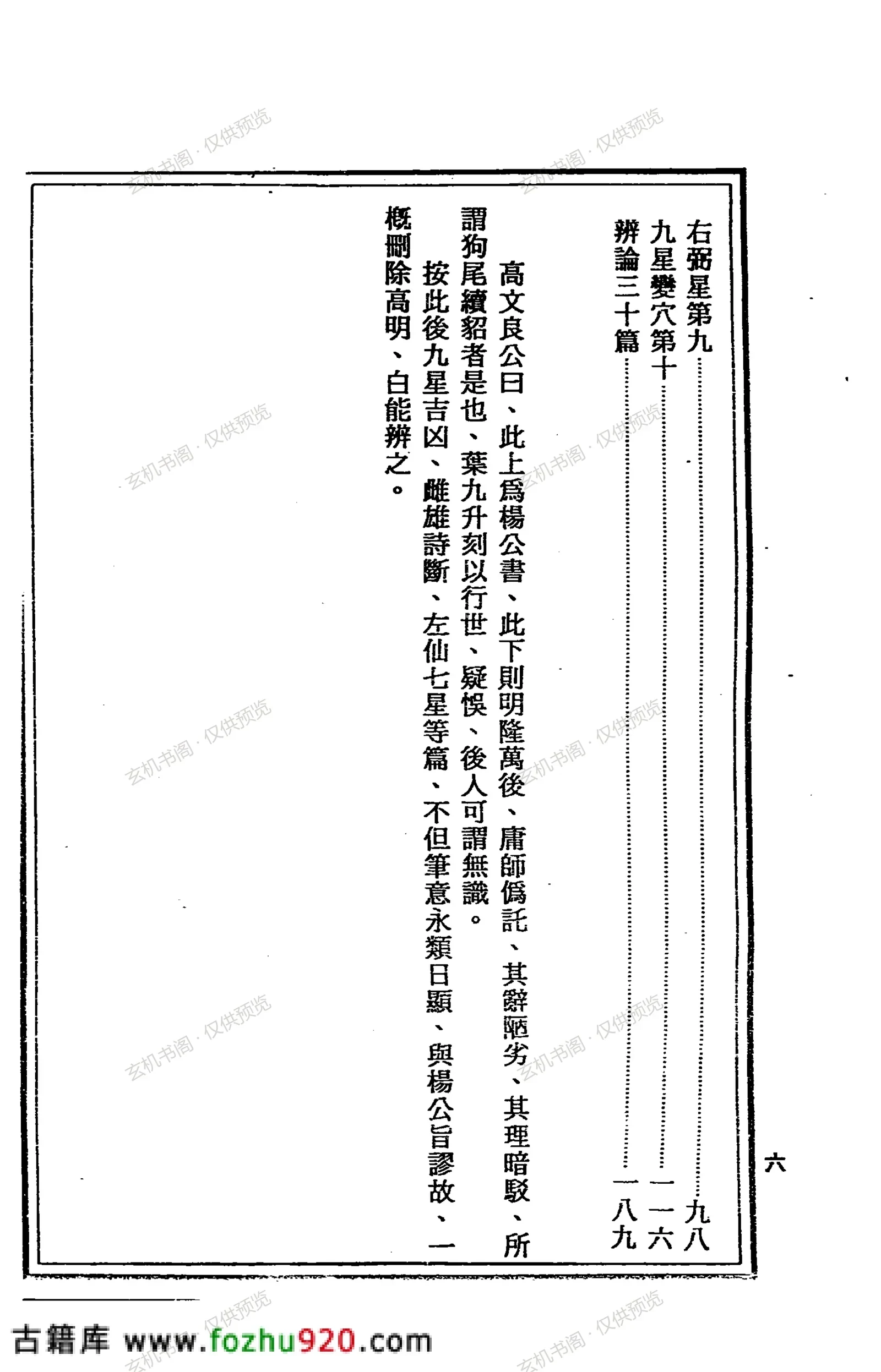
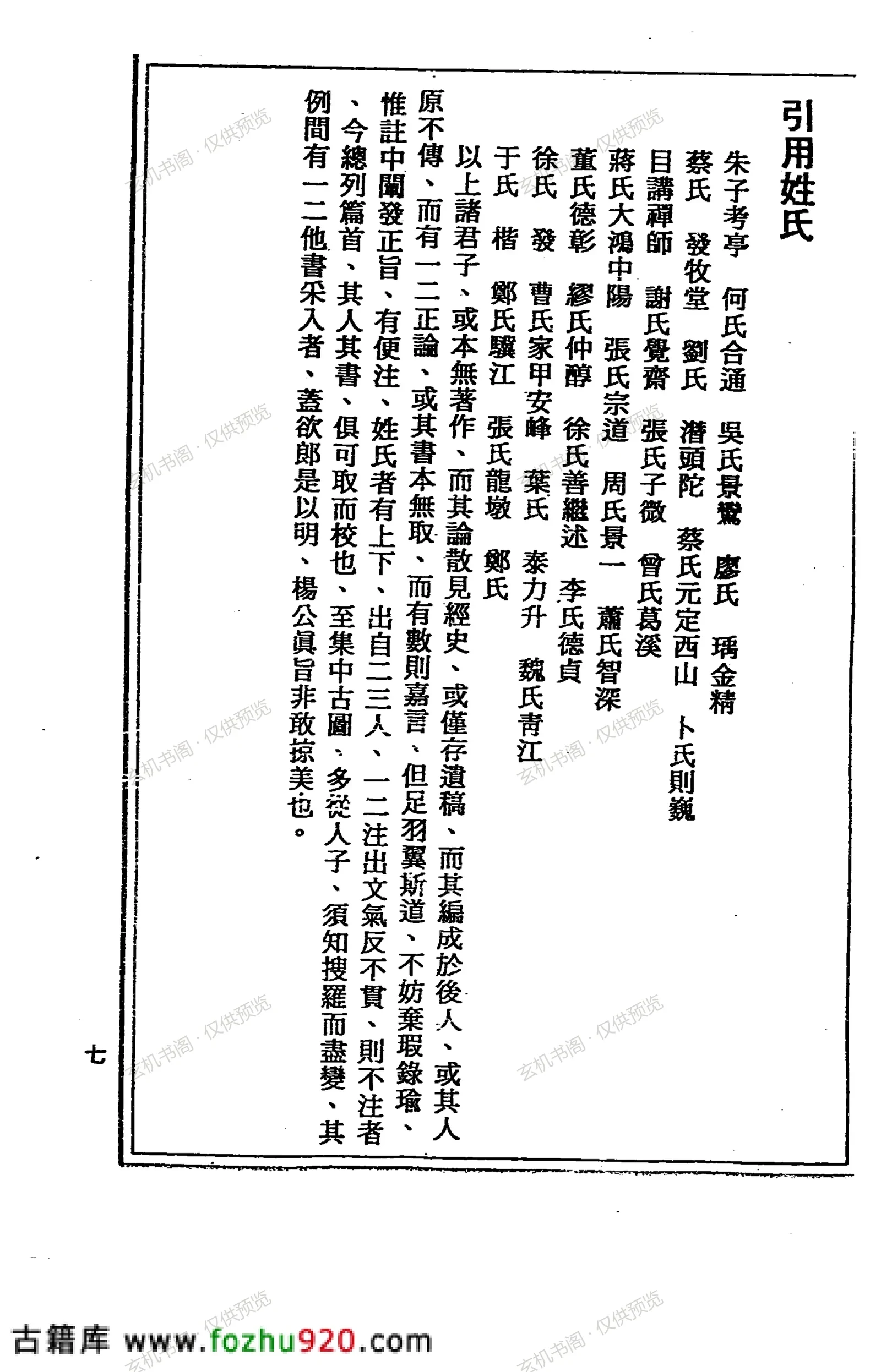
The cover reads Dili Dianxue Hanlong Jing (Geographic Point Selection in the Hanlong Classic), with a note that it is an old geographic mountain method attributed to Yang Gong, and a subtitle referring to thirty essays of辨论 (critical discussion); it was distributed by Dashan Bookstore. The text opens with a preface to the Hanlong Classic, which repeatedly discusses the forms and auspices of the Nine Stars and the general methods of dragon movement, criticizing errors in popular editions and arguing for using Yang Gong's Nine Stars as the framework for cross-checking. The preface is dated the second day after New Year of the Jiawu year of Daoguang (1834), signed by the late student Kou Zong at the Rongchang school, indicating Qing-era editing. The table of contents lists the preface, cited surnames, a section on Hanlong and resonant sounds, general discussion, and the cosmological frame (yuanju), followed by Greedy Wolf Star (No. 1), Giant Gate Star (No. 2), Lu Cun Star (No. 3), Wen Qu Star (No. 4), Lian Zhen Star (No. 5), Wu Qu Star (No. 6), Po Jun Star (No. 7), Left Assistant Star (No. 8), and Right Assistant Star (No. 9), plus a tenth chapter on the transformations of the Nine Stars and thirty essays of critical discussion. The book matches the Nine Stars to mountain forms and explains dragon origins, vein emergence, valley crossings and transformations, true and false穴 sites, and surrounding features such as facing mountains, water mouths, and guardian hills. It is a useful source for studying the Yang Gong school of form-based fengshui and traditional point-selection methods.
Contents
Preface and cited surnames
Hanlong resonant sounds, general discussion, and yuanju
Greedy Wolf through Wen Qu stars
Lian Zhen through Left Assistant stars
Right Assistant Star and the transformations of the Nine Stars
Thirty essays of critical discussion
Key Points
Organizes mountain forms under Yang Gong's Nine Stars, discussing auspices and穴 formation star by star
Emphasizes identifying dragon origins, vein emergence, valley crossings, and transformations
Distinguishes true from false穴, noting that broken or skewed forms often indicate false sites
Includes thirty critical essays examining errors in popular editions and divergent views