Reading guide
Content guideOverview
This is an internal lecture manual on topographical geomancy (feng shui), focusing on the judgment of dragon veins and lair sites. It first discusses the definition of feng shui and the nature of mountain dragons, dividing mountains into "mountains" and "veins," asserting that all dragons flow in an S-shaped path. Next, it introduces the Five Elements classification of mountain peaks and explains the transformative sequence of dragons from the Fire star to the Water star. It then analyzes how yin and qi energies intersect to form a "lair" (xue), categorizing them into yin and yang types and detailing three layouts of qi acquisition. Finally, through illustrations, it elaborates on determining burial depth based on residual qi and angles, as well as the variation of soil layers and colors when different elemental stars form a lair. The content is highly practical and suited for readers with foundational knowledge of topographical feng shui.
Contents
Basics of feng shui and dragon veins
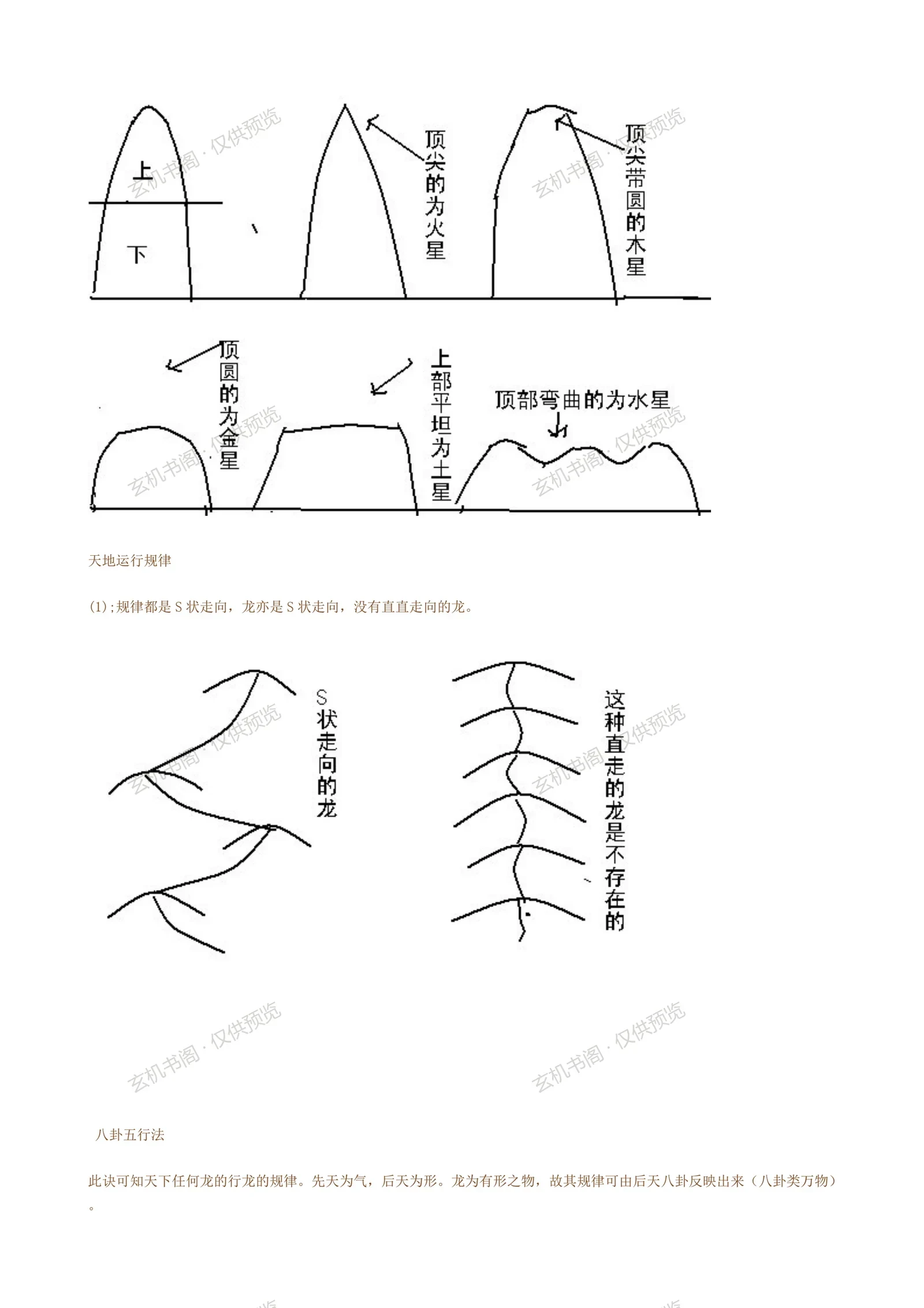
Five Elements classification and dragon transformation patterns
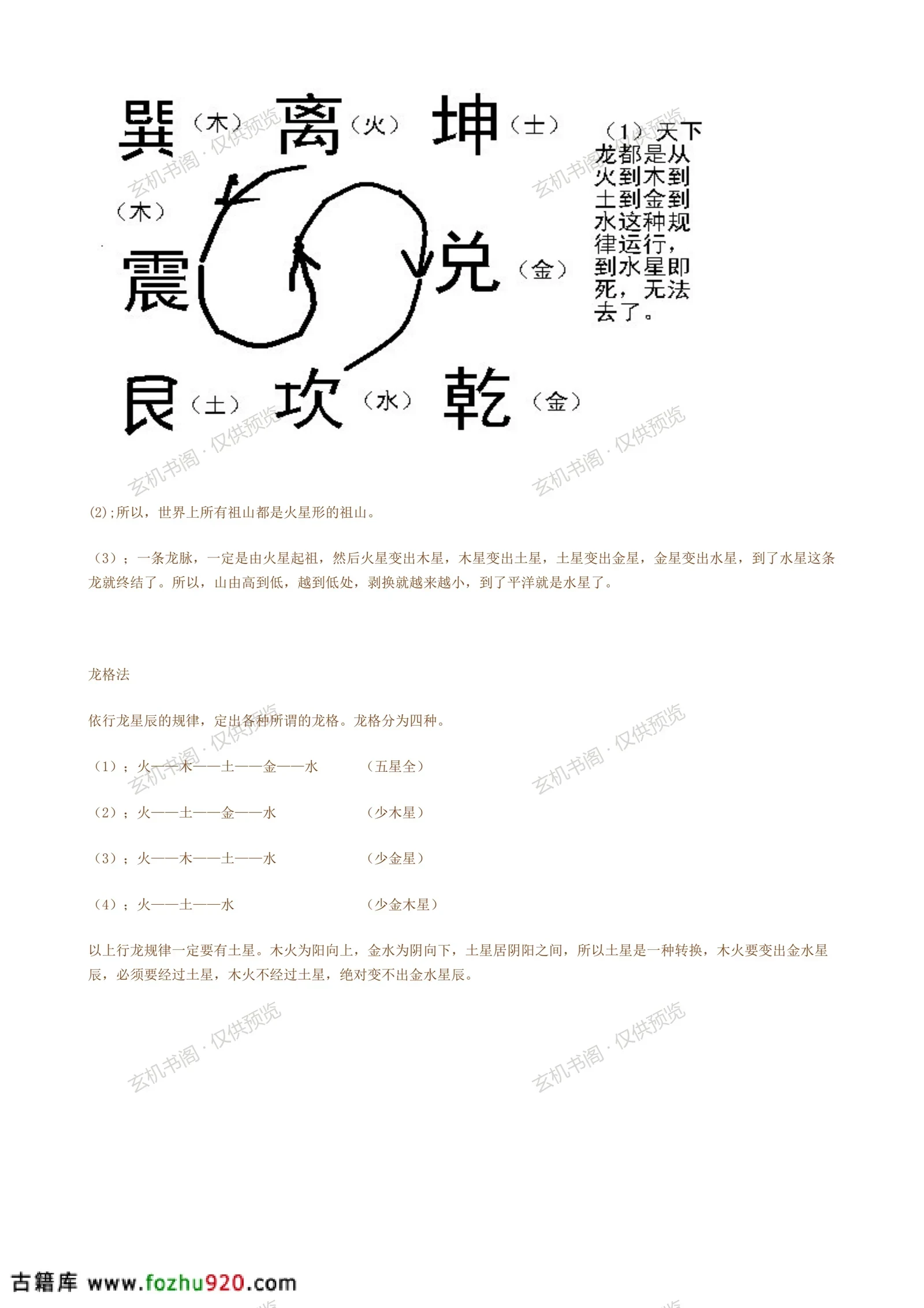
Bagua Five Elements and dragon movement
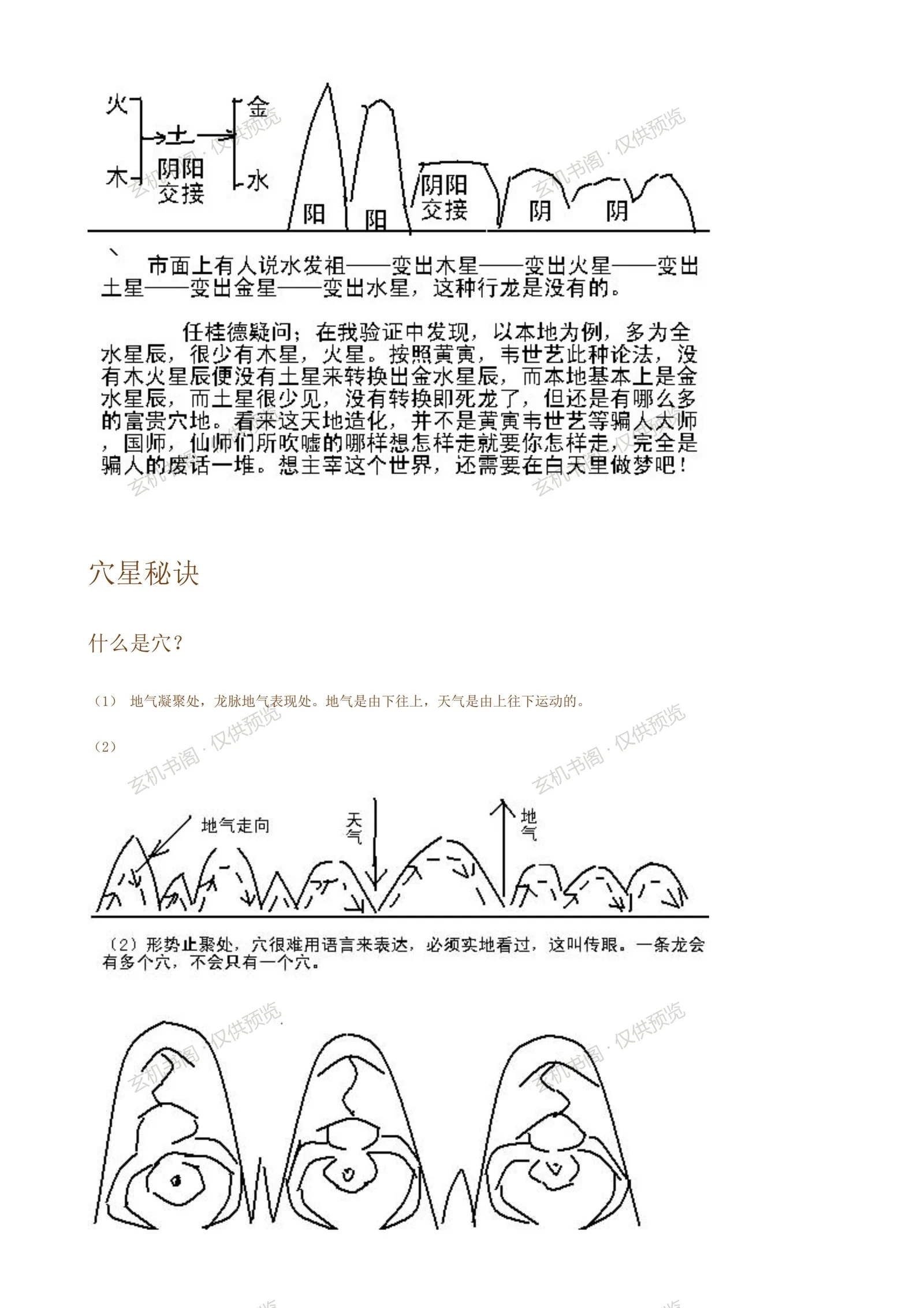
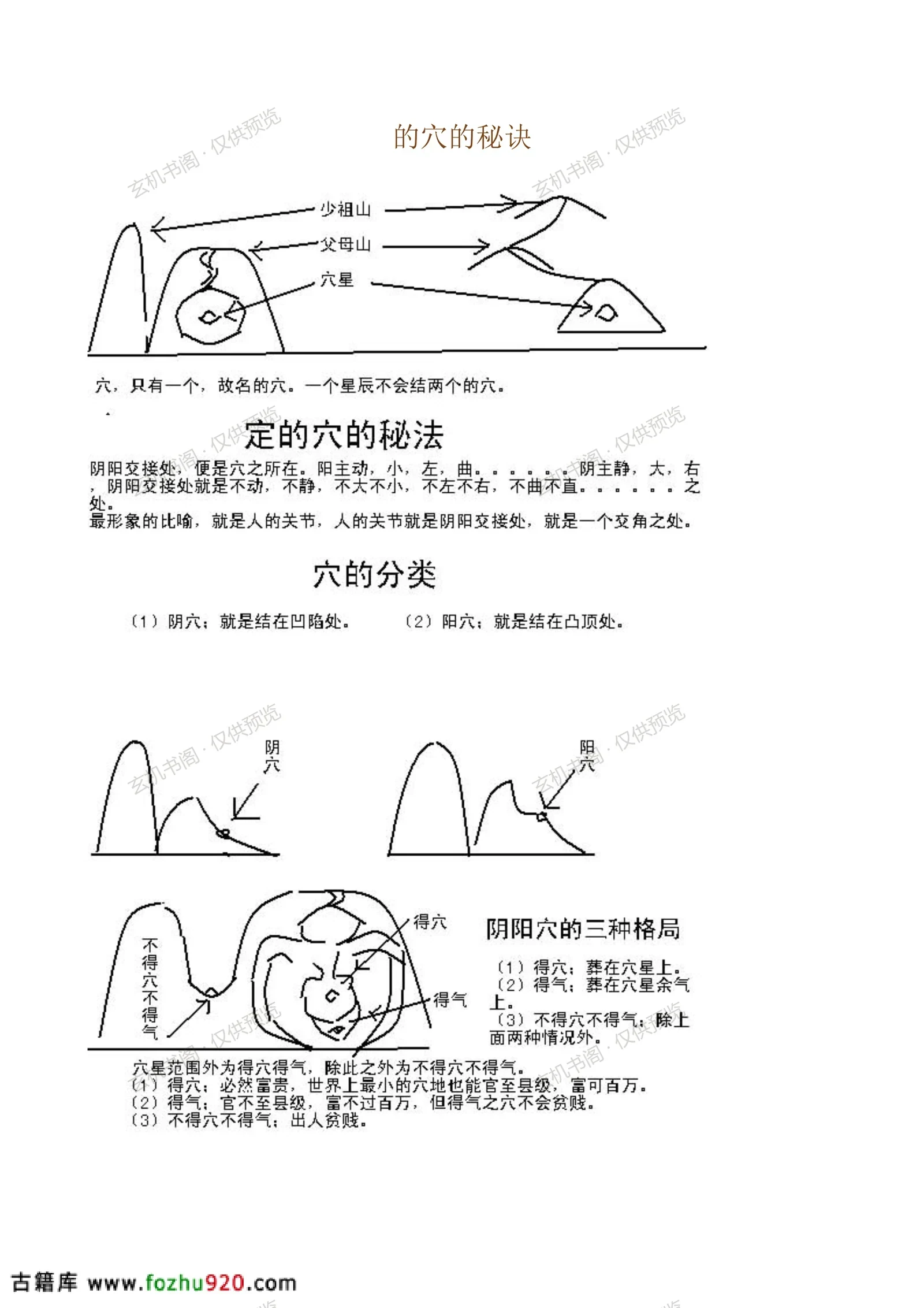
Lair secrets and yin-yang intersection
Three layouts of acquiring qi
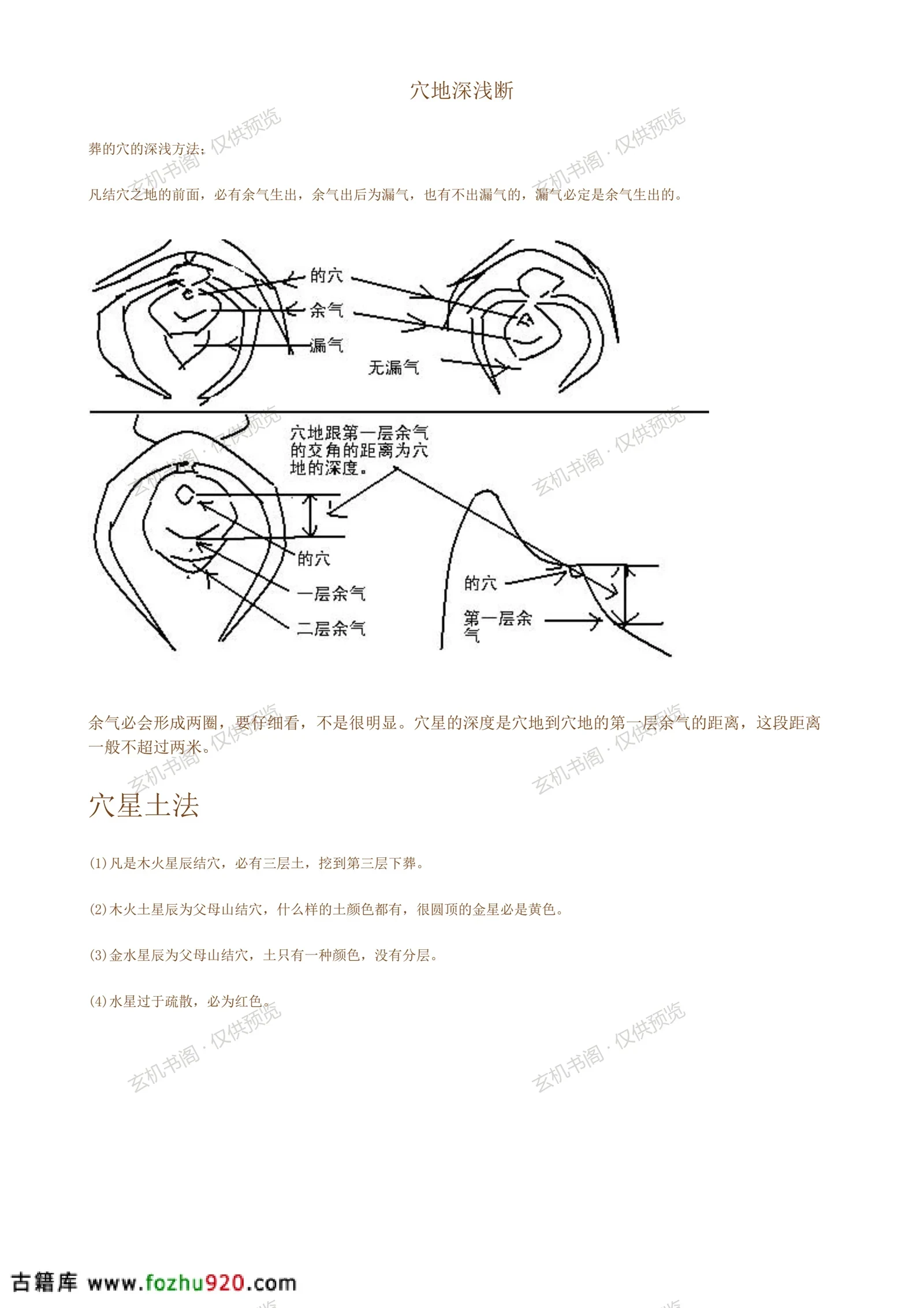
Determining depth via residual qi
Soil methods and elemental colors
Key Points
A dragon is composed of both the mountain and the vein
Dragons transform sequentially through Fire, Wood, Earth, Metal, and Water
A lair resides at the yin-yang intersection, either in depressions or protrusions
Burial depth is determined by the intersection angle of residual qi
Soil layers and colors vary depending on the elemental star forming the lair