Reading guide
Content guideOverview
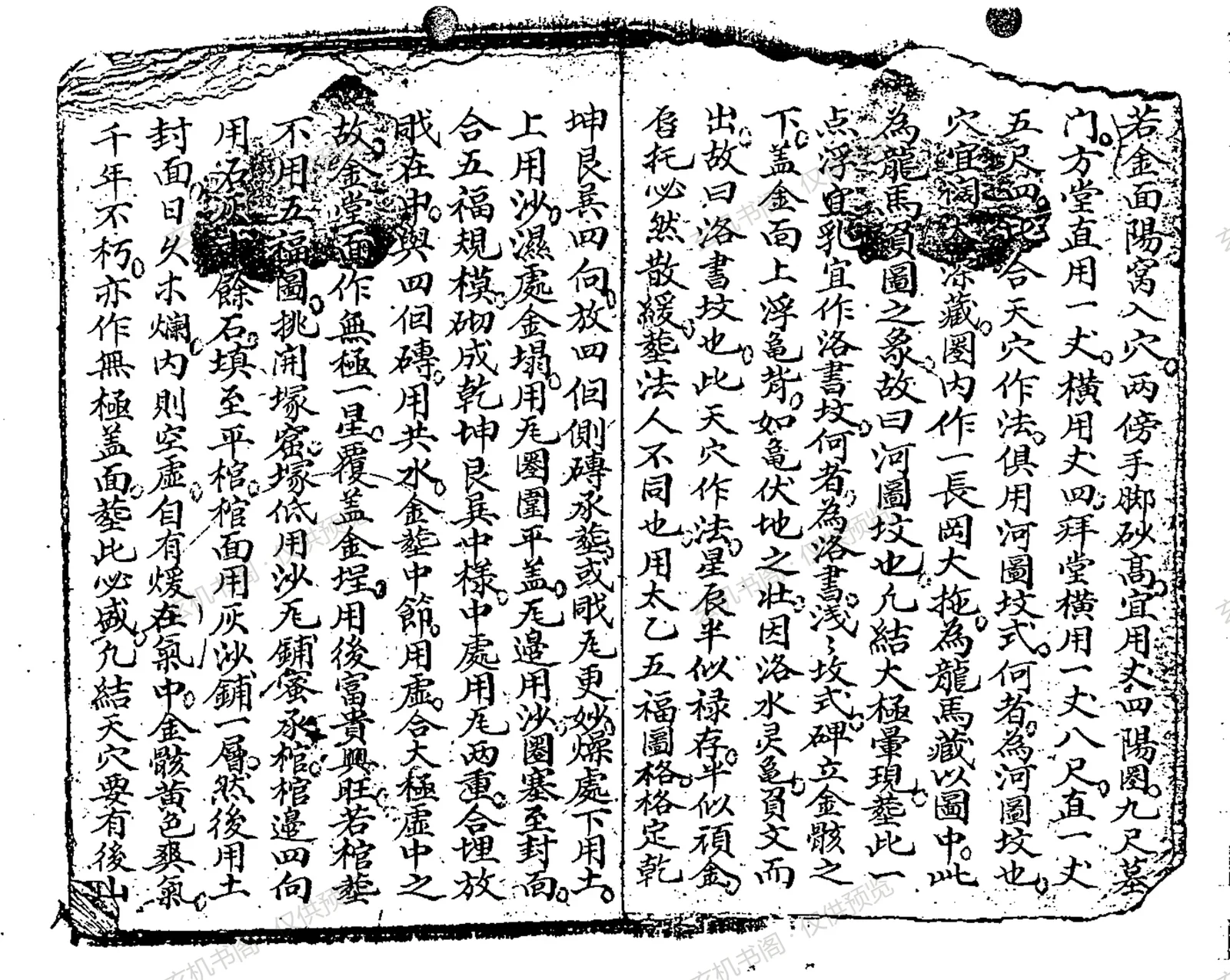
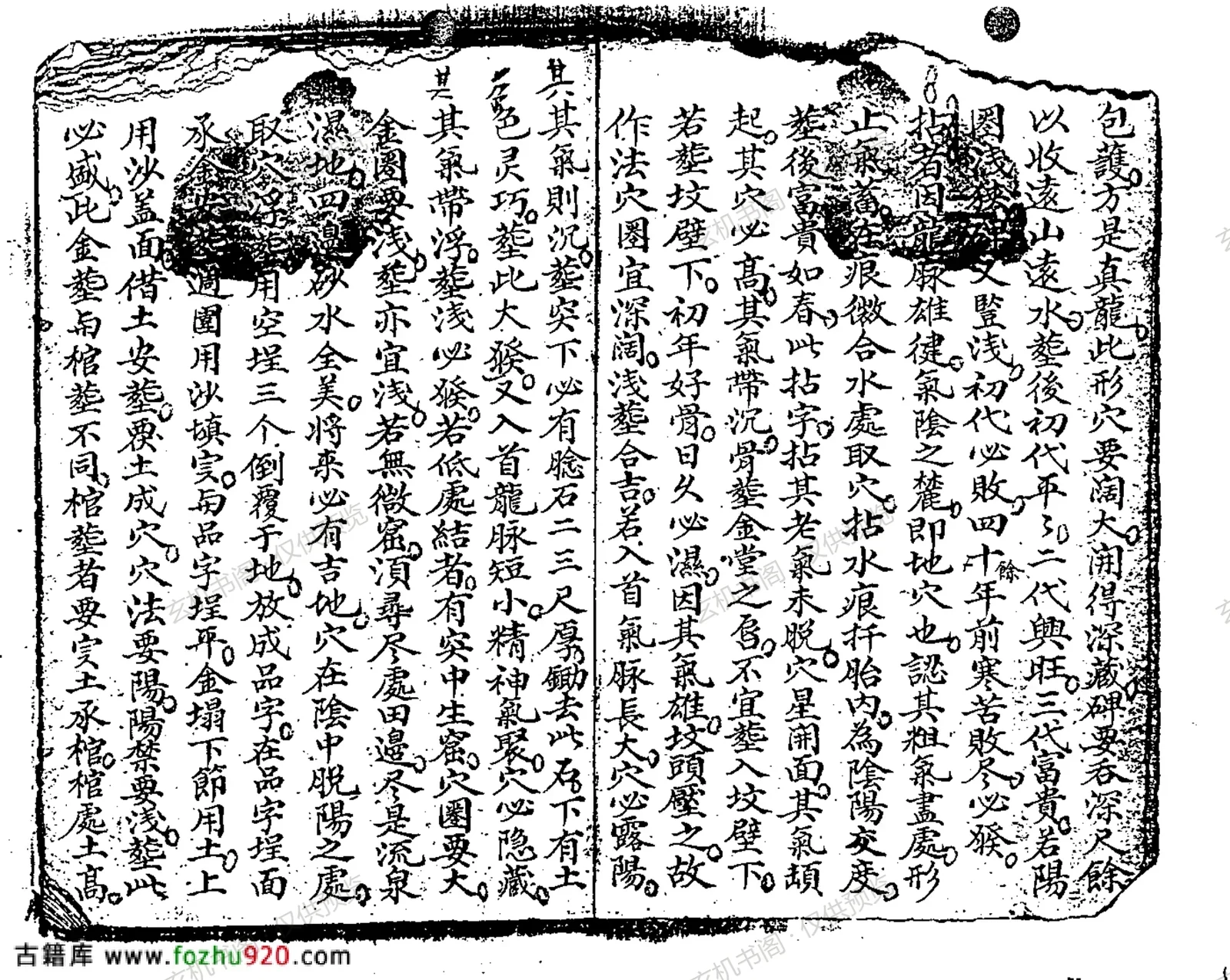
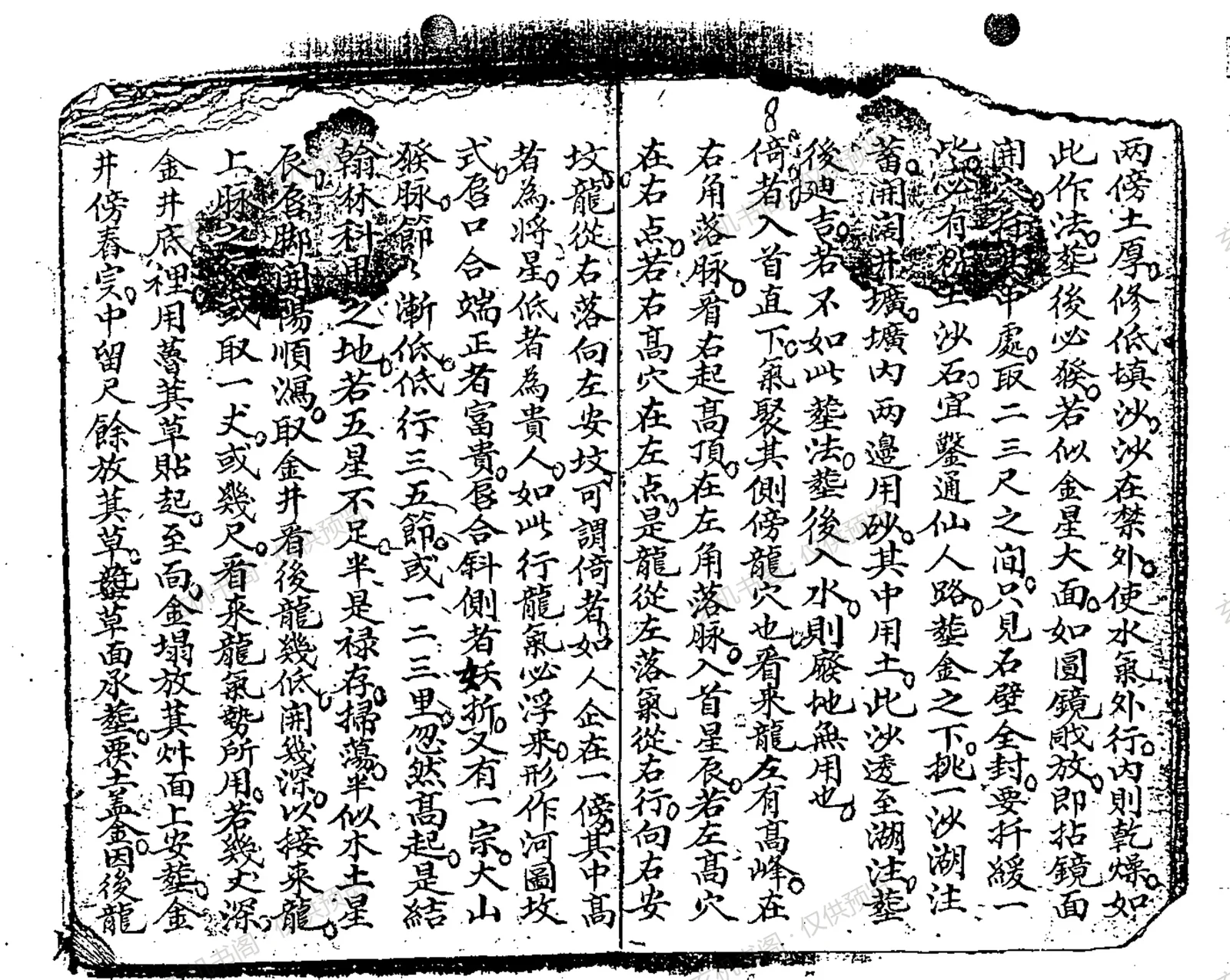
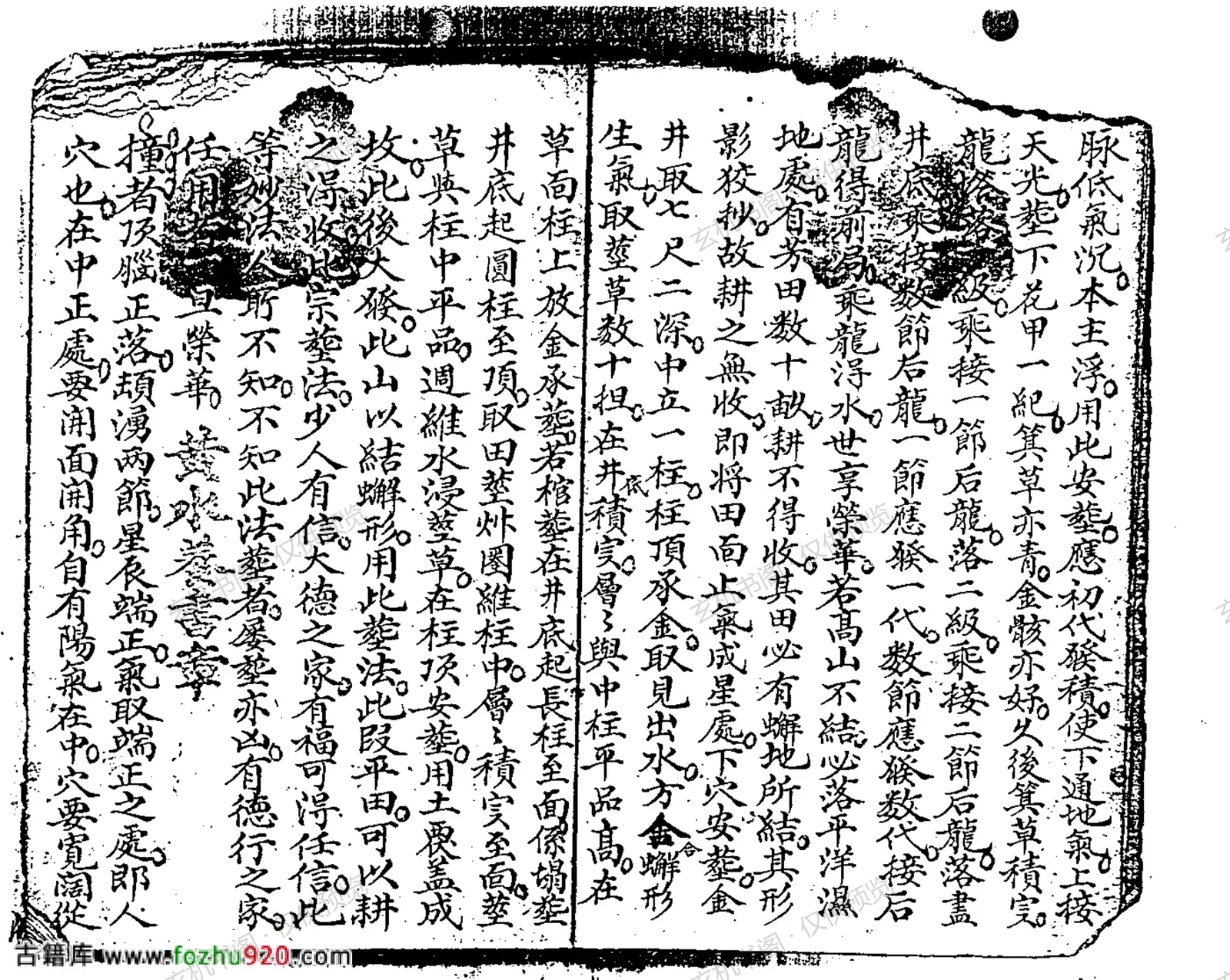
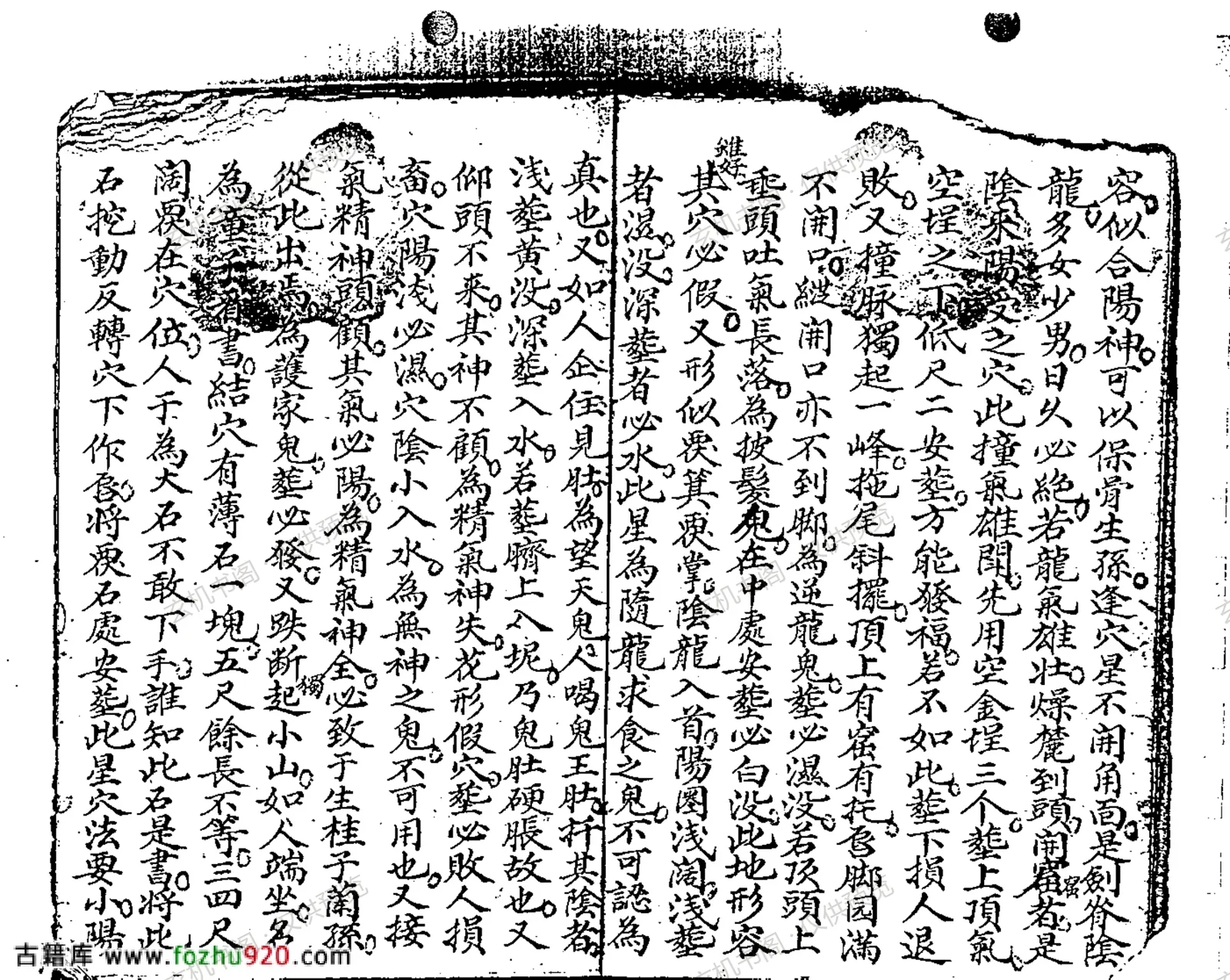
This fragment of the ancient text 'Dili Jin Bu Huan' is a Feng Shui burial manual said to be orally transmitted by Zhang Zhouji of Jiangxi in the Ming dynasty. The title implies that the secret burial methods are so precious that they cannot be casually taught. The visible text first explains dragon-site formations such as 'covering, sticking, leaning, and striking', 'cutting, hanging, and inverted wrapping', then distinguishes sky caves on mountain tops from earth caves in low positions. It outlines construction and burial methods for each, incorporating diagrams from the Hetu, Luoshu, and the Supreme Ultimate. The text also explains how to choose soil within the site, lay bricks, spread sand, add earth, and place the coffin. It provides detailed criteria for identifying incoming stars, dragon height and lowliness, qi floating and sinking, proper depth of the grave, and water flow. Like a specialized manual within the Form School of Feng Shui, it is a valuable source for researching Ming-era burial practices and textual transmission.
Contents
Dragon forms and point selection methods
Burial methods for sky and earth caves
Hetu, Luoshu, and Supreme Ultimate halo
Five-star sites and depth of burial
Construction of the golden well and earth mounding
Reading qi movement and auspiciousness
Key Points
Identify true points through dragon breaks and star-shaped formations
Sky caves should be shallowly buried; earth caves deeply
Emphasize soil color and stone veins in the site
Use Hetu, Luoshu, and Taiji diagrams to standardize operations
Post-burial fortunes depend on dragon, water, and orientation