Reading guide
Content guideOverview
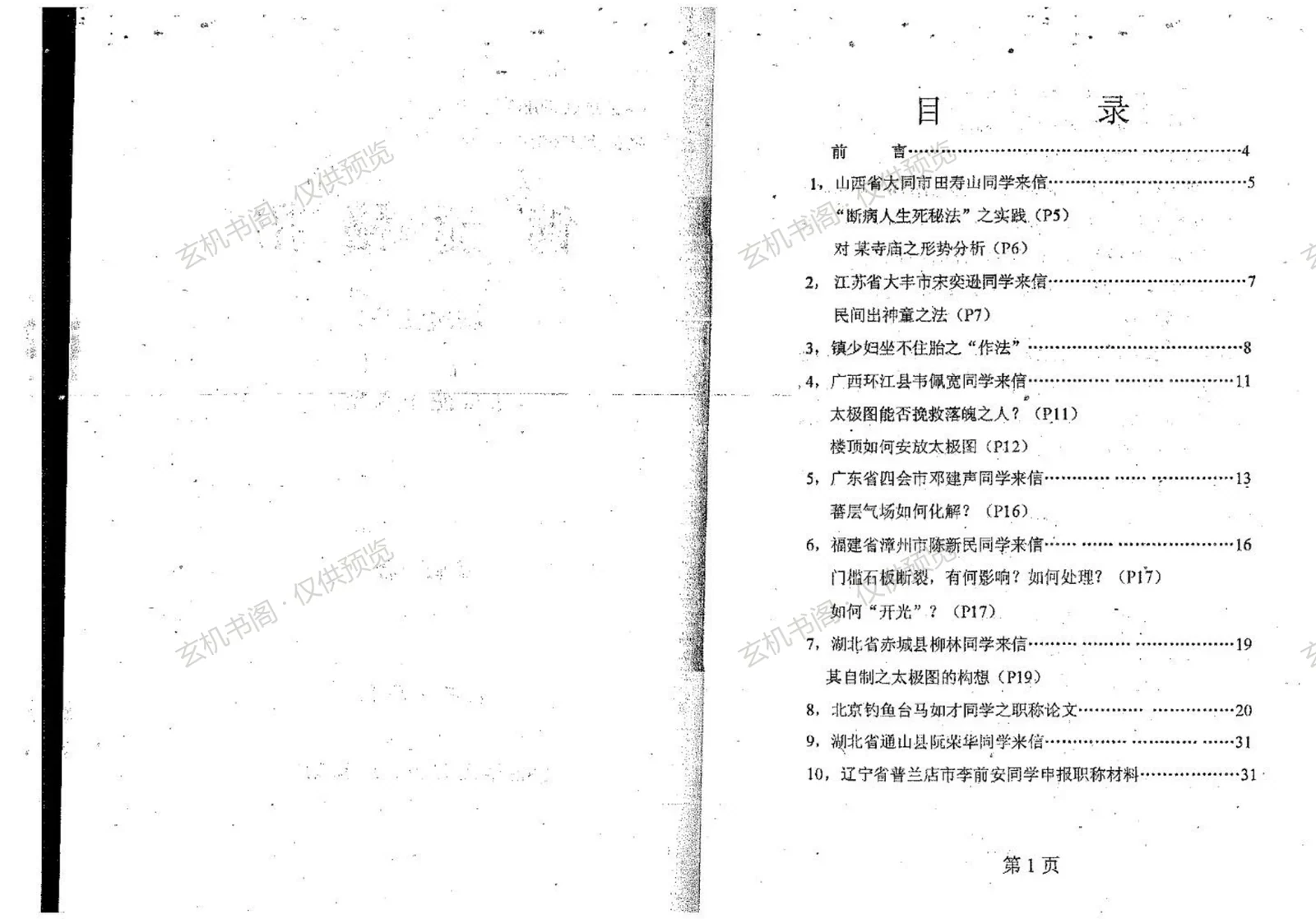
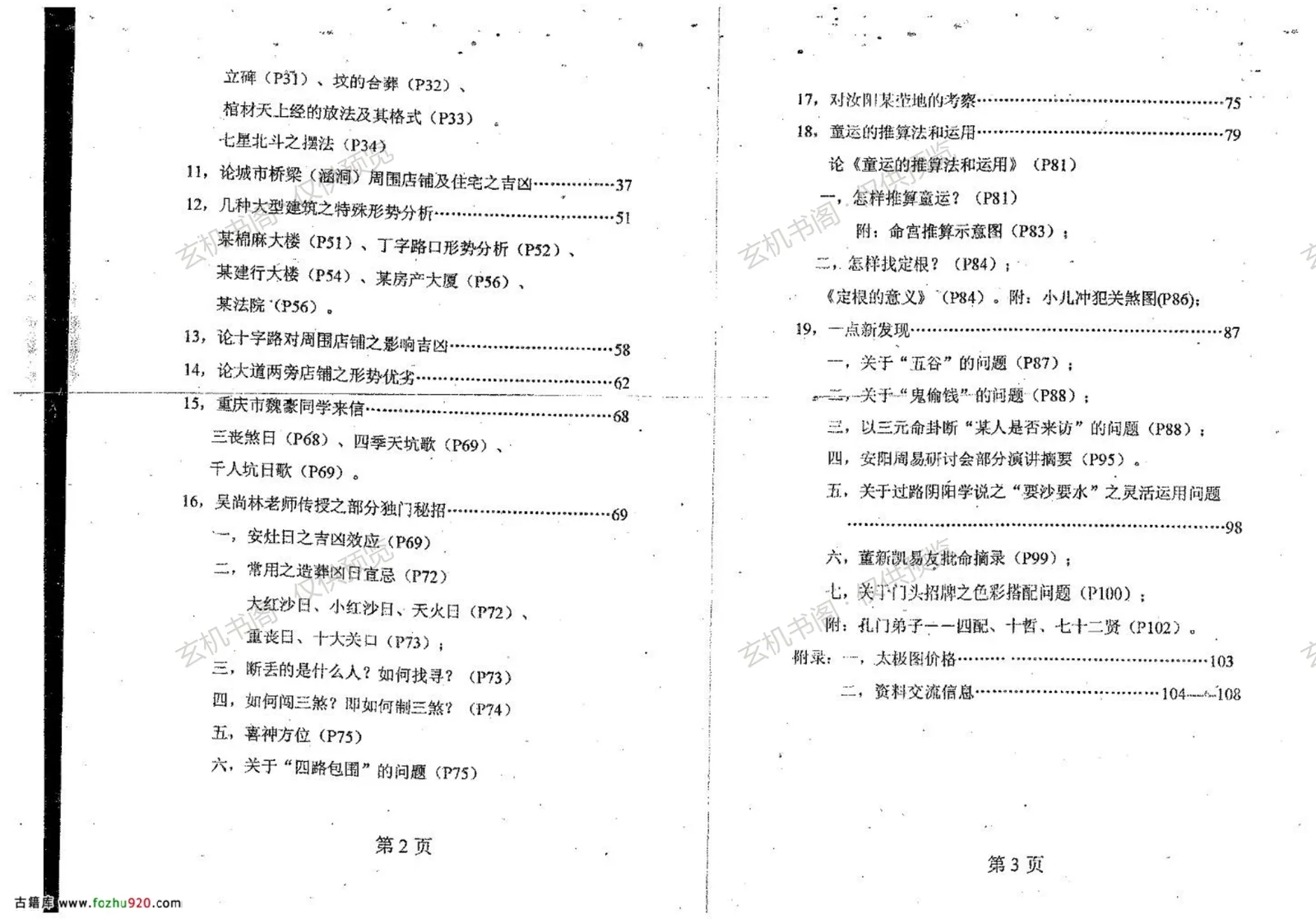
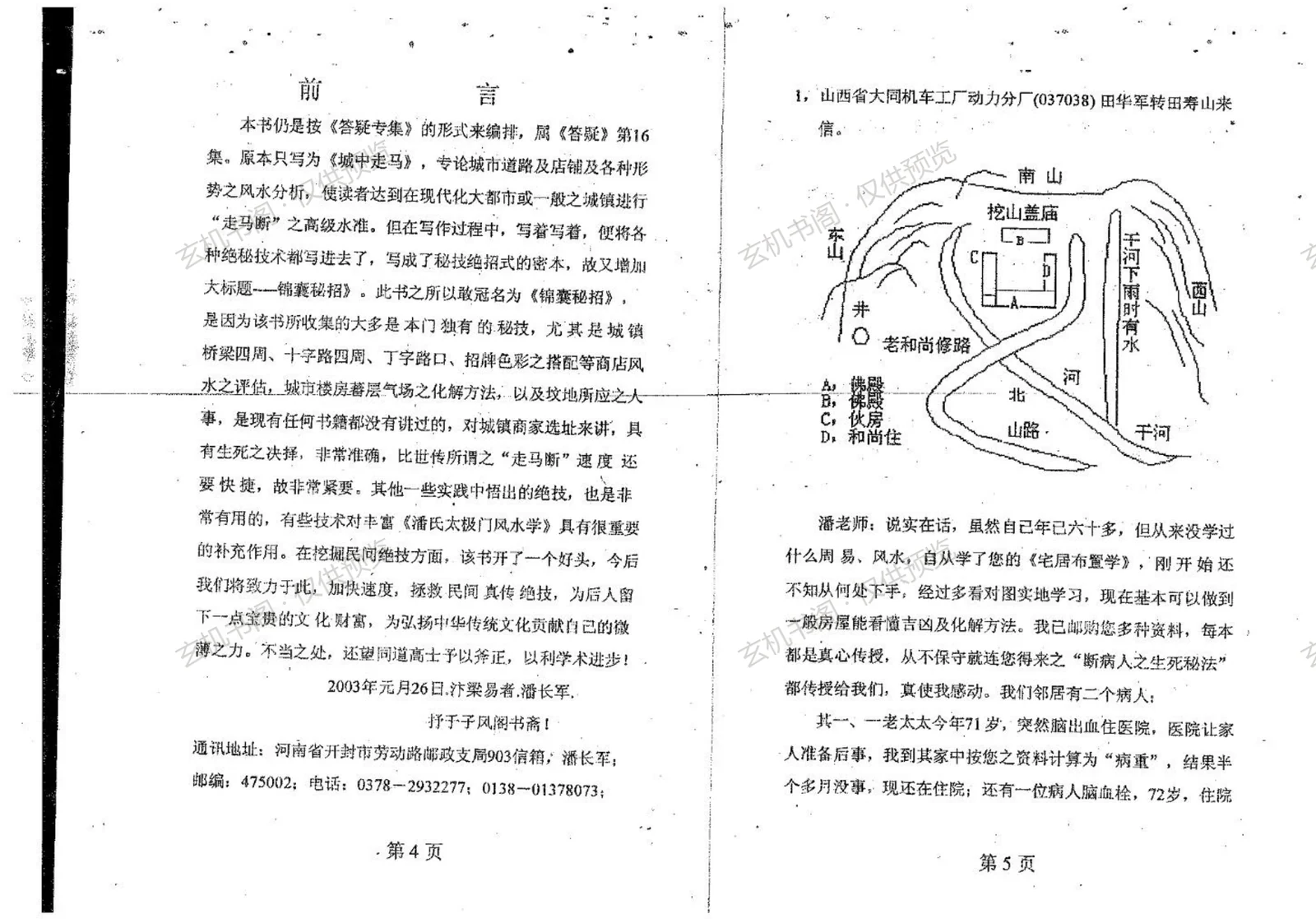
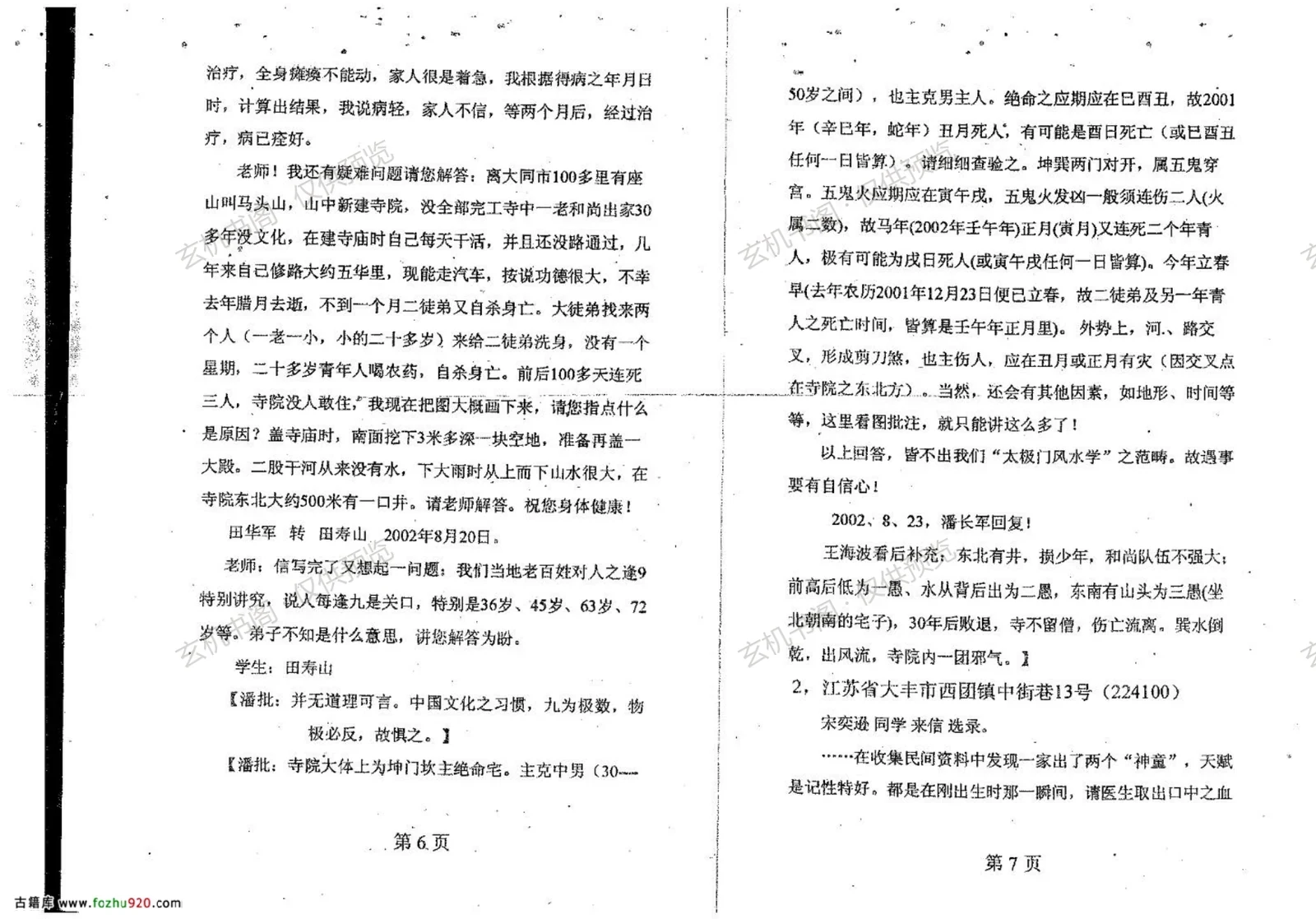
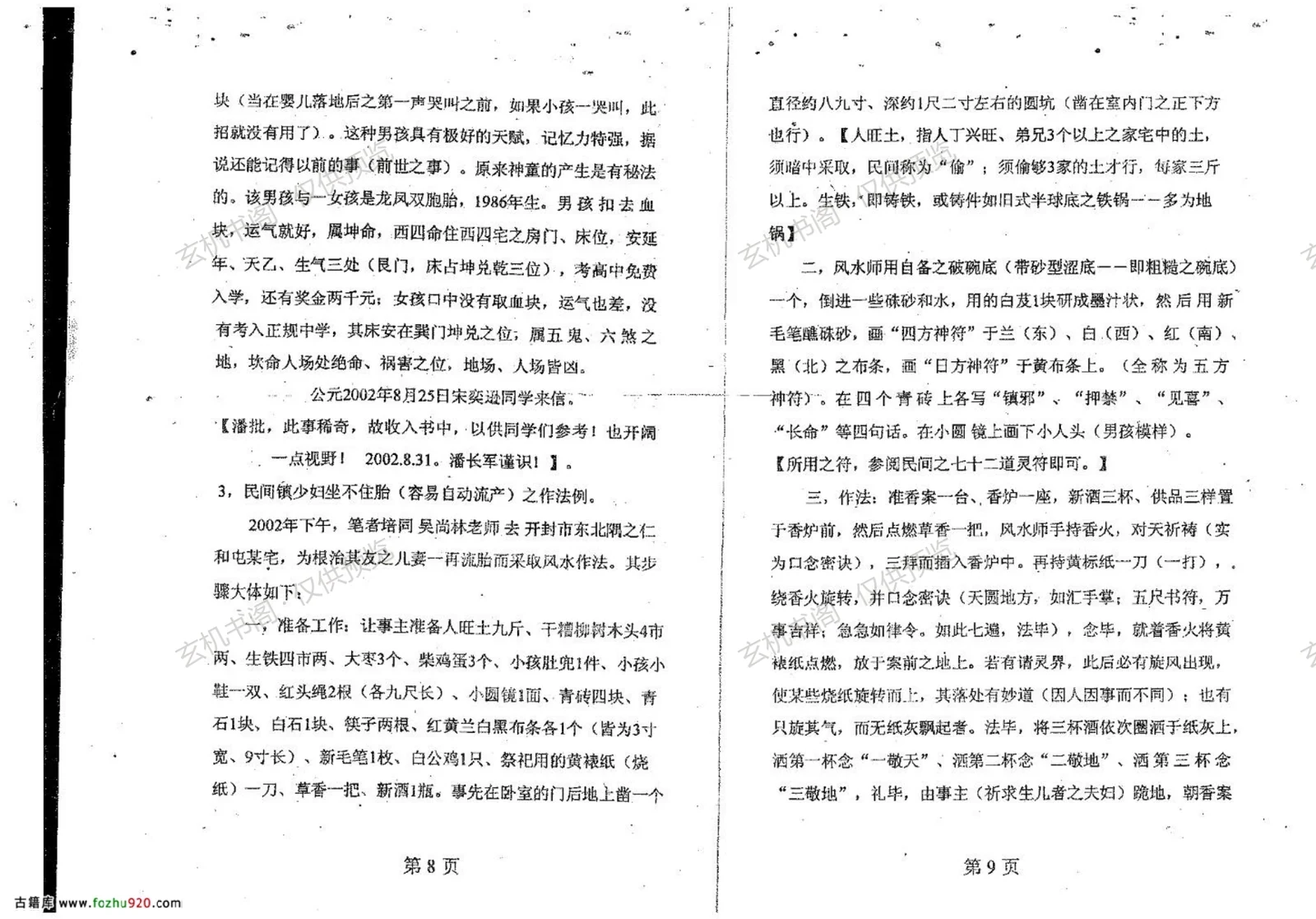
This book is volume 36 of Pan Changjun's Feng Shui Qi Field Adjustment series and the 16th Q&A collection, subtitled 'Walking Horse in the City' and finalized in early 2003. It is organized as student letters with Pan Changjun's replies, moving from analysis of urban roads, shops, and bridges to interior qi-field remedies, date selection, consecration rituals, and folk techniques. The table of contents covers temple terrain analysis, the folk belief about gifted children and blood clots, rituals for preventing miscarriage, placement and rescue use of the taiji diagram, eave qi-field remedies, cracked threshold stones, consecration methods, auspicious and inauspicious locations around bridges and culverts, special building forms, shop fortunes at crossroads and major roads, songs on san sha days and 'thousand-pit' days, stove installation, burial date taboos, methods for locating lost persons, auspicious deity directions, childhood fortune calculation, and shop sign color matching. The opening pages include a temple terrain diagram and detailed replies linking orientation, water flow, well location, and human events. It suits readers with basic Eight-Mansion and yang-house knowledge who want practical cases and folk methods for reference.
Contents
Preface: from city walking to secret tips
Student letters and temple form replies
Folk ritual for miscarriage prevention
Taiji diagram placement and eave remedies
Bridges, crossroads, and shop fortunes
Stove, burial dates, and san sha songs
Childhood fortune, root fixing, and life palace
Sign colors and appendix materials
Key Points
Uses student letters with replies, combining cases and oral formulas
Focuses on how urban roads, bridges, and crossroads affect shops and homes
Includes date selection for stove installation, burials, and san sha days
Records step-by-step folk rituals for consecration, suppression, and fertility
Emphasizes Taiji Men Eight-Mansion methods in judging yang-house forms